
Reviewed · PORTO WINE TASTINGS
Museu do Vitral Entry Ticket with Wine Tasting
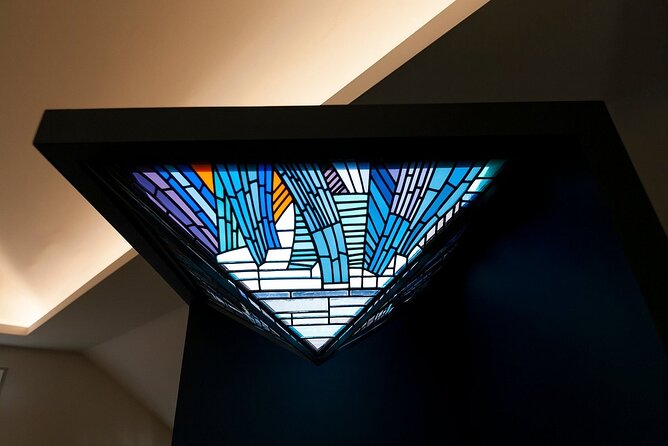
Porto’s Museu do Vitral packs a surprising amount into a small visit. In about an hour, you’ll see traditional stained glass, abstract installations, sketches, and maquettes, then watch a video that explains how a window is made. The finale is a one-of-a-kind kaleidoscope using more than 400 colours of glass.
I like two things especially. First, the museum shows stained glass as a working art form, not just something fixed in old churches. Second, the included glass of port gives the visit a distinctly Portuguese finish. The main drawback is size: the exhibition can feel too short if you want a large museum with many rooms and a long historical display.
Key points to know before you go
- Atelier Antunes is the focus: The museum presents work by Portugal’s oldest internationally known stained-glass studio.
- The visit takes about one hour: It works well between other Porto sights.
- A making-of video adds useful context: You can see how stained-glass windows are produced, not just admire the finished pieces.
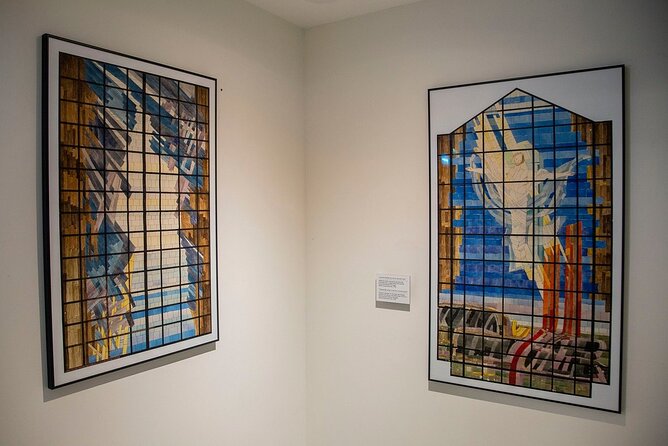
- The collection mixes old and modern approaches: Expect traditional windows, decorative panels, abstract works, sketches, and models.
- A glass of port is included: It is part of the ticket and adds a pleasant local touch.
- The exhibition may feel compact: The art is the reason to visit, but the display does not offer the scale of a major national museum.
Why this small Porto museum is worth your time
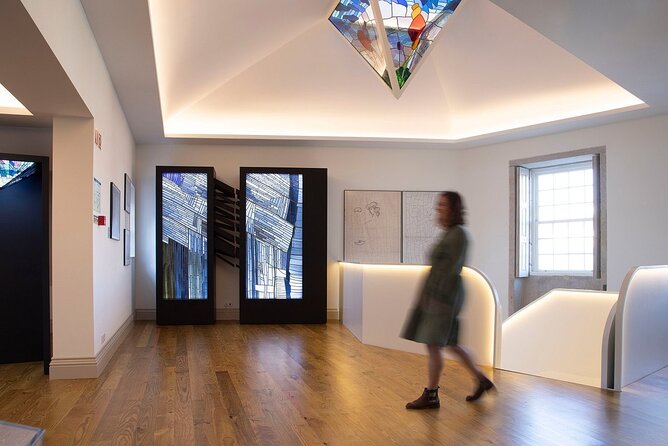
Stained glass is often treated as background decoration. You notice it in a church window, admire the colours for a moment, and move on. This museum asks you to look closer at the material, the design, and the decisions behind each panel.
That change in pace is the real point of the visit. You can study how pieces of coloured glass create figures, patterns, light, and mood. You can also compare formal traditional work with more abstract pieces that feel closer to modern painting.
The museum is dedicated to Atelier Antunes, a Portuguese studio with a long reputation in stained glass. That gives the collection a clear focus. You are not walking through a random collection of glass objects. You are seeing the work of one studio across different forms, from finished windows to the drawings and models used in their creation.
I would allow roughly one hour. That is enough time to look carefully, watch the explanatory film, examine the sketches, and enjoy the port. If you rush through, you can finish sooner. If you like visual detail, you may want to pause longer at the design material.
More Porto wine and port tastings:
- From Porto: Douro Valley w/ Boat Tour, Wine Tasting & Lunch
★ 4.7 · 19,061 reviews - Complete Douro Valley Wine Tour with Lunch, Wine Tastings and River Cruise
★ 5.0 · 12,920 reviews - Porto: Live Fado Show with Glass of Port Wine
★ 4.8 · 6,498 reviews
From Renaissance church windows to modern glass art
The museum places stained glass in a wider setting. The craft has been used for centuries to tell religious stories in churches and cloisters, show family or political connections in town halls, and decorate private homes.
You do not need a specialist background to follow this idea. The basic appeal is easy to grasp: glass can paint with sunlight. A strong design changes as the light changes, and colour becomes part of the room rather than simply an image on a wall.
The collection also helps you see that stained glass is not limited to religious scenes. Decorative panels and abstract installations show how the medium can move into modern interiors and artistic displays.
That variety makes the museum useful for different kinds of visitors. If you already like historic church art, the traditional pieces will interest you. If you prefer contemporary design, the abstract works give the visit a more modern feel. If you are travelling with children, the colours and kaleidoscope may be easier entry points than a long explanation of technique.
What you see inside Museu do Vitral
The exhibition includes several types of material, and each one answers a different question about the craft.
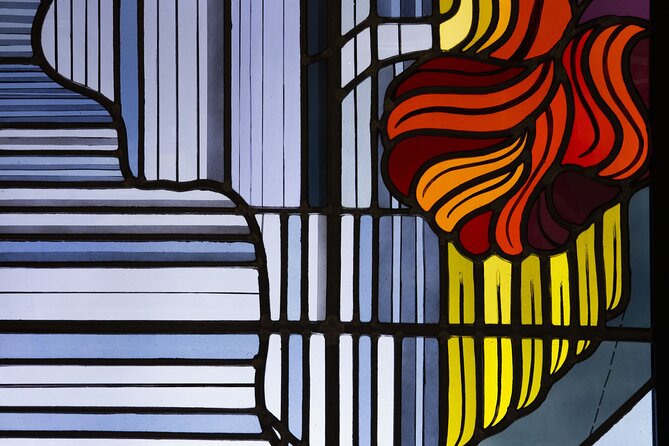
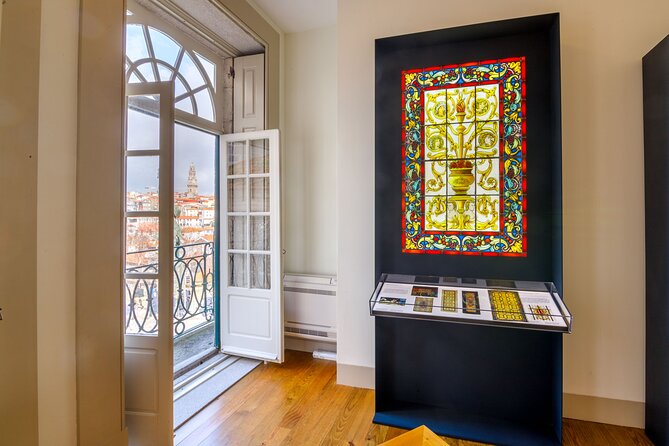
Traditional stained-glass masterpieces show the finished result. Look for the way colour blocks sit next to each other and how the work is organised as a complete image or pattern.
Decorative panels show how glass can be used beyond a church setting. These pieces help connect the art to homes and civic buildings, where design and atmosphere matter as much as storytelling.
Abstract installations are useful if you think stained glass must always show people, saints, or scenes. Here, shape, colour, light, and arrangement can carry the work without a clear narrative.
Original sketches reveal the planning stage. A finished window can look effortless, but the sketches show that the work begins with choices about line, proportion, colour, and composition.
Maquettes give you another view of the process. These small models help explain how an artist or studio tests an idea before making the full piece.
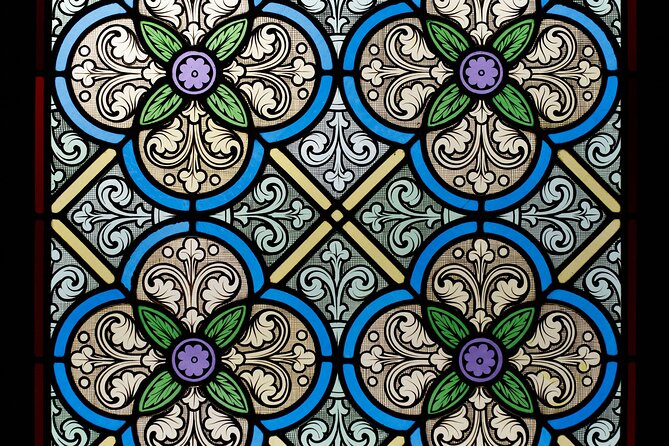
The display also includes a unique kaleidoscope made with more than 400 colours of glass. It is the sort of object that can make the material feel playful as well as serious. Give it time rather than treating it as a quick photo stop.
The video is more useful than you might expect
A short explanatory video shows how stained-glass windows are made. This is one of the most practical parts of the visit because it turns a beautiful but unfamiliar craft into a sequence you can understand.
You see the difference between admiring the surface and thinking about production. The film gives you a better sense of how a design moves from an idea to a finished window.
The video is also helpful if you are visiting with someone who does not normally choose art museums. It provides a clear reason for the sketches, maquettes, and finished panels being displayed together.
You should not expect a full workshop demonstration or a hands-on class. The information provided describes an explanatory film and an exhibition of completed and preparatory work. Still, that is enough to make the objects easier to read.
More food tours in Porto:
- Douro Valley Small-Group Tour with Wine Tasting, Lunch and Boat
★ 5.0 · 3,642 reviews - Porto: Cálem Cellar Tour, Fado Show & Wine Tasting
★ 4.4 · 3,530 reviews - Porto: Taylor’s Port Cellars & Tasting
★ 4.6 · 3,374 reviews - Porto: Cockburn’s Port Lodge Tour and Tasting
★ 4.8 · 3,360 reviews
The port tasting adds a local finish
Your ticket includes a glass of port wine. It is a modest extra, but it changes the rhythm of the visit. Instead of simply entering, looking around, and leaving, you have a small pause at the end.
Port is strongly associated with Porto, so the tasting fits the setting rather than feeling like an unrelated bonus. You can raise a glass after looking at works built around light and colour, which gives the museum visit a pleasant closing moment.
The tasting is not described as a full winery visit or a guided wine lesson. If you are searching for detailed port education, this is not the right experience. Think of it as a complimentary drink attached to an art museum ticket.
At the stated price of $12, the port helps the value. One older comment recorded an adult price of €8, so prices may differ by booking date or sales channel. Use the current price shown when you book, not an older figure.
A good one-hour stop in Porto
The museum’s short duration is both a strength and a limitation. You can fit it into a day of sightseeing without giving up half a day. It may work well when you need an indoor stop or want something quieter between larger attractions.
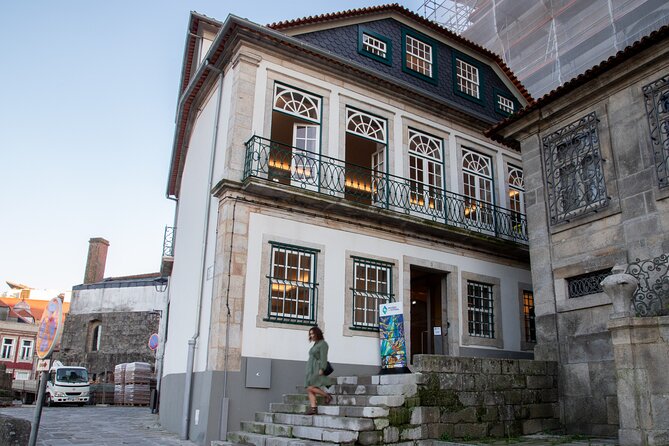
The museum is near public transportation, which makes it practical to reach as part of a wider Porto day. Exact travel times and the best route are not provided, so check your map from your starting point.
The listed opening information shows Monday hours from 10:00 a.m. to 1:00 p.m. and from 2:00 p.m. to 7:00 p.m. That midday closing matters. If Monday is your museum day, avoid arriving during the one-hour break.
The published opening period runs from December 27, 2023, through June 17, 2026. Check the current operating details before setting out, since opening information can change.
Who will enjoy this experience most
I would recommend the museum to anyone who likes design, architecture, decorative arts, or the way light changes a room. It is also a good choice if you want something more specific than a general art museum.
Families may find the kaleidoscope and bright glass pieces approachable. Children may not stay absorbed by every sketch or maquette, but the video and colour-filled displays give the visit clear visual hooks.
It also suits visitors with a tight schedule. The experience is not an all-day commitment, and the approximate one-hour length makes it easy to combine with other Porto plans.
You may want to skip it if you are looking for a large collection, many historic rooms, or an extensive guided tour. The exhibition has enough variety to be interesting, but its compact scale is part of the experience.
Practical details that affect your visit
The ticket is mobile, so you can use it from your phone rather than needing a printed voucher. Confirmation is provided when you book.
Most people can take part, and service animals are allowed. No special physical requirements are given, so you should check directly if you have a specific access concern.
The experience is listed as free cancellation up to 24 hours before the start time. Cancel at least 24 hours ahead for a full refund. Cancellations or changes made within 24 hours are not refunded or accepted, and the cut-off uses local Porto time.
The provider is Três Séculos, Realizações Hoteleiras. No guide names are provided, and the experience is described as an entry ticket rather than a guided walking tour. You should expect to explore the museum at your own pace, with the film and displays providing the main interpretation.
Is the $12 ticket good value?
For an hour of art, an explanatory film, and a glass of port, the current $12 price is reasonable if you are interested in stained glass. The ticket is especially good value when you want a focused indoor activity rather than another large attraction that takes several hours.
The value depends on your expectations. If you judge museums by square footage, you may find the exhibition too small. One useful way to think about it is as a concentrated collection: the museum gives you several views of the same craft, including finished works, planning material, abstract pieces, and a colour-based optical object.
The included drink also helps, but it should not be the main reason you book. The art and the explanation of the making process are the substance of the visit. The port is a pleasant extra.
Should you book Museu do Vitral?
Book it if you want a short, focused Porto experience built around colour, craft, and light. I especially recommend it to visitors who enjoy stained glass, interior design, religious art, modern glasswork, or small museums with a clear subject.
Think twice if you need a large exhibition or a full guided tour. The museum is compact, but that can work in your favour. You can see the main material in about an hour, enjoy a port, and continue with the rest of your day.
FAQ
Where is Museu do Vitral?
Museu do Vitral is in Porto, Portugal. It is near public transportation.
How long does the visit take?
The experience lasts approximately one hour.
What does the ticket include?
The ticket includes entry to Museu do Vitral and a glass of port wine.
Is the ticket mobile?
Yes. The experience offers a mobile ticket.
What can I see at the museum?
You can see traditional stained-glass works, decorative panels, abstract installations, original sketches, maquettes, and a kaleidoscope with more than 400 colours of glass.
Is there a video about stained glass?
Yes. An explanatory video shows how stained-glass windows are made.
What are the listed Monday opening hours?
The listed Monday hours are 10:00 a.m. to 1:00 p.m. and 2:00 p.m. to 7:00 p.m.
Can I cancel for a full refund?
Yes. You can cancel at least 24 hours before the experience start time for a full refund. Cancellations within 24 hours are not refunded.
Newest Porto reviews on the site
- Porto – Old Town Tour with an official guide★ 5.0 · 6 reviews
- Yacht Douro Tour★ 4.8 · 11 reviews
- Visit to a Port Wine Cellar★ 4.8 · 5 reviews
- Vila Nova de Gaia: Winery Tour with 2 DOC Douro & 1 Port★ 4.8 · 101 reviews
- Vila Nova de Gaia: Porto Discovery Tasting★ 4.8 · 17 reviews
- Vila Nova de Gaia: Douro Discovery★ 5.0 · 4 reviews
- WOW Porto: The Wine School Workshops and Tastings★ 4.7 · 20 reviews
- Private Portuguese Cooking and Wine Experience in Porto★ 5.0 · 30 reviews
Porto Wine Tastings, compared.

Douro Valley w/ Boat Tour, Wine Tasting & Lunch
Read our review →
Complete Douro Valley Wine Tour with Lunch, Wine Tastings and River Cruise
Read our review →

Historical Sites, Wine Experience, Lunch & Cruise
Read our review →
Douro Valley Small-Group Tour with Wine Tasting, Lunch and Boat
Read our review →
Authentic Fado Show, Port Wine & Handmade Instruments
Read our review →
Douro Valley Tour with Wine Tasting, Cruise and Lunch
Read our review →Browse the lists this tour appears in