
Reviewed · PORTO PORT WINE CELLAR TOURS
Port Wine Lodges Tour Including 7 Port Wine Tastings (English)
Port is not simply sweet wine poured after dinner. This tour shows you how white, ruby, and tawny Ports differ, where the wine is made, and why Gaia’s dark cellars became the natural home for famous Port houses. You walk from Porto to Vila Nova de Gaia, tasting seven Ports at three wine houses along the way.
I like the mix of polished museum displays and old cellar spaces. I also like the guide-led tasting workshop, which teaches you how to pair Port with food instead of treating the wine as a quick souvenir sample. Guides such as Alex, Kevin, and Cyril are often praised for turning technical details into good conversation.
The main consideration is the pace and content of the stops. Most of the tour is on foot, and one tasting may take place in a simple room rather than a traditional cellar. You should also eat beforehand or carry a snack, since food is not included.
Key points to know before you book
- Seven tastings across three Port houses: You get a useful sample of Port styles rather than one brand’s narrow selection.
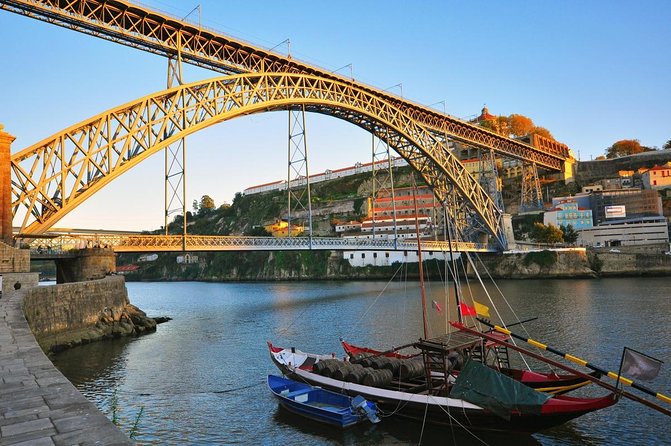
- A walk from Porto to Gaia: The route begins beside the old Pensil Bridge pillars and crosses into the cellar district below the D. Luis Bridge.
- A museum and working cellar visit: You learn about production, storage barrels, cork, and the Douro Valley through both displays and guided explanation.
- A small group of up to 18 people: That is large enough for a social outing but still manageable for questions and tasting instructions.
- A 3:00 pm start: The afternoon timing works well with Porto sightseeing, but you should allow roughly four hours, not just a quick tasting.
- English-speaking guides with personality: Alex, Kevin, Cyril, Seral, and Lara are among the guides praised for warmth, humor, and clear explanations.
Why this Port tour works well for first-time visitors
Port can seem confusing at first. You have ruby, tawny, white, reserve, aged, and vintage styles, and the labels do not always tell a beginner what the wine will taste like. This experience gives you a simple way into the subject: taste several styles, hear the basic production story, and compare what is in your glass.
The setting helps. Porto sits on one side of the Douro River, while Vila Nova de Gaia holds the famous Port lodges on the opposite bank. You begin on the Porto side near the old Pensil Bridge, close to the lower level of the D. Luis Bridge. Look for a guide in a red Porto Walkers jacket.
From there, you walk toward Gaia and its cellar district. The stated walking distance between the farthest points is about 800 meters, but you should still wear comfortable shoes. This is not a bus tour. You move between stops on foot, with the guide talking about Porto, Gaia, and the wine trade as you go.
I like this format because the wine is tied to the place. You are not sitting in a generic tasting room while someone gives a lecture about a distant valley. The walk explains why Port is associated with Gaia, even though the grapes come from the Douro Valley farther inland.
The group limit is 18 people. That is not an intimate private tour, but it is small enough for a guide to keep the group together and answer at least some questions. The strongest guide feedback centers on Alex and Kevin, who are described as friendly, funny, and able to make people feel comfortable quickly. If you prefer a quiet, formal tasting, the relaxed banter may feel less polished. If you like a social tour, it is a plus.
More port cellar tours in Porto:
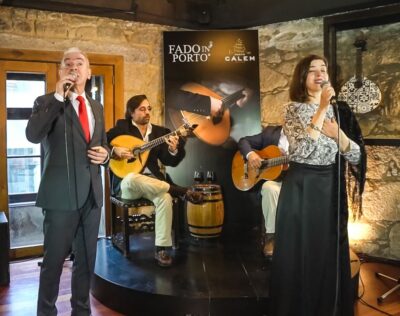
- Porto: Cálem Cellar Tour, Fado Show & Wine Tasting
★ 4.4 · 3,530 reviews - Porto: Taylor’s Port Cellars & Tasting
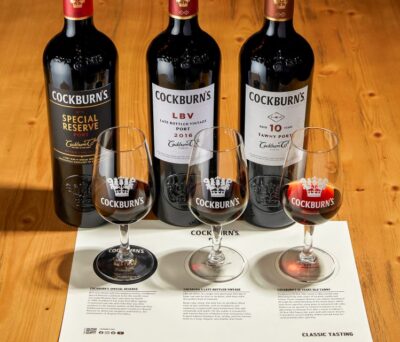
★ 4.6 · 3,374 reviews - Porto: Cockburn’s Port Lodge Tour and Tasting
★ 4.8 · 3,360 reviews
The first cellar visit and two classic Port styles
The first main stop is a major Port producer with a museum and cellar tour. The visit gives you the basic framework: how Port is made, how it is stored, and why the different Port families taste so different.
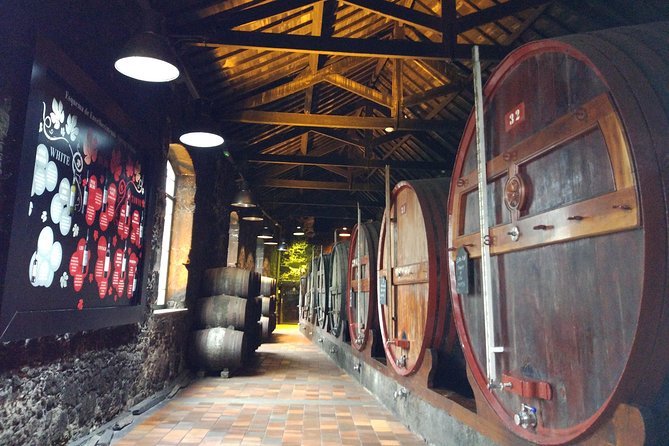
The cellar is a useful change of pace after the walk. Port needs controlled storage, and the dark, cool setting helps you understand that this is not simply wine with extra sweetness added at the end. Your guide explains the production process and the role of the Douro Valley, described as the oldest wine region in the world.
The tasting here includes a Reserve White Port and a Reserve Tawny Port. This pairing is useful because the two wines can feel quite different even though both are Port. White Port offers a lighter entry point, while Tawny Port shows the effect of aging in wood. Your guide explains what to look for rather than leaving you to guess.
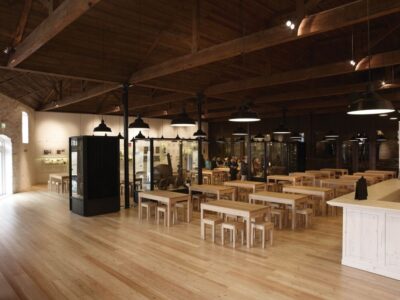
The museum element also matters. A cellar tour alone can become a row of barrels and a short talk. The museum gives you visual context, which is helpful if you are new to the subject or do not normally spend time in wine regions.
One practical point: the tour information identifies this as a visit to a major Port lodge, and many descriptions of the experience refer to Cálem. You should expect a well-established producer and a visitor-focused presentation, not a small family cellar from the first minute. That polished introduction is useful, but it may feel more commercial than the later stops.
The old cellar, barrels, cork, and a young Ruby
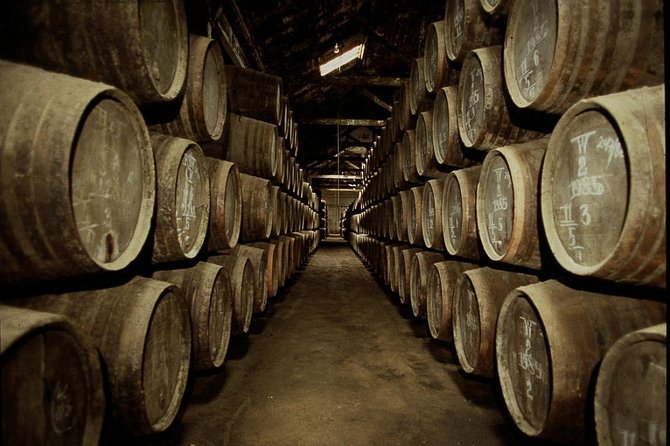
The next stop takes you into an older cellar that has been adapted as an interactive visitor center. Here, the focus shifts from the broad story of Port to the physical objects behind it.
You learn about the barrels used to store Port and how cork is produced. These details are easy to overlook when you are simply drinking a glass. The barrel discussion helps explain why aged styles develop their color and character, while the cork section connects the bottle in your hand with a material that has long been linked to Portugal.
The tasting includes a young Ruby Port. Ruby is a good contrast with the Reserve White and Reserve Tawny from the first stop. It lets you compare a fruitier, more youthful style with wines shaped by different methods of aging.
I like that the tour does not save every explanation for a single lecture. The information is spread across the cellars, museum displays, and tastings. You get a chance to connect each sample with something you have just seen.
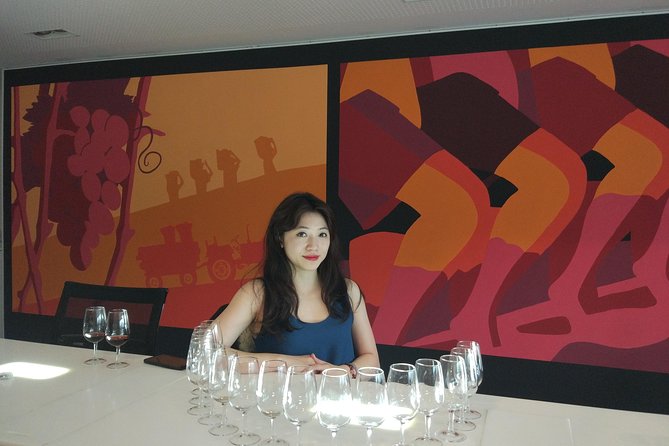
This stop may also be the least predictable in atmosphere. One detailed account describes a tasting in a strange boardroom-style space rather than in the kind of old cellar a visitor might picture. That does not ruin the wine, but it is worth knowing that the experience is not three perfectly atmospheric caves. The tour’s value comes from the range of places and styles, not from every room being photogenic.
The Douro interpretation center and tasting workshop
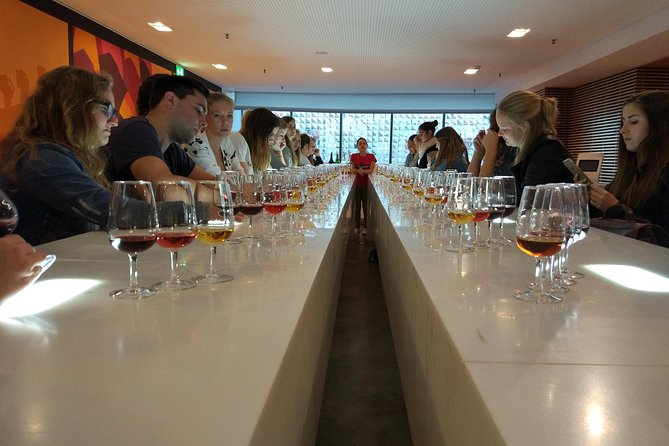
The third Port-focused stop is an interactive interpretation center about the Douro Valley. This is where the tour moves beyond brand names and explains the wine region itself.
The Douro is central to Port. The grapes are grown there, while the wine has long been stored and sold from Gaia. A good explanation of that connection makes the whole Porto wine story easier to understand. The displays are designed for visitors, so you do not need a strong background in wine to follow along.
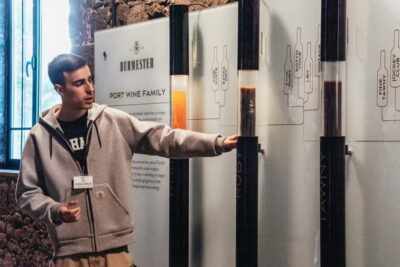
The tasting workshop is one of the most useful parts of the afternoon. You sample different wines and learn how Port can work with food. Since lunch, snacks, and food are not included, this is not a full food-pairing meal. Think of it as a guided lesson in matching flavors.
You may learn more here than you would from seven unstructured pours. The guide can point out how sweetness, acidity, fruit, and aging affect the way Port works beside food. Even if you do not plan to buy a bottle, that skill makes future restaurant and wine-shop choices easier.
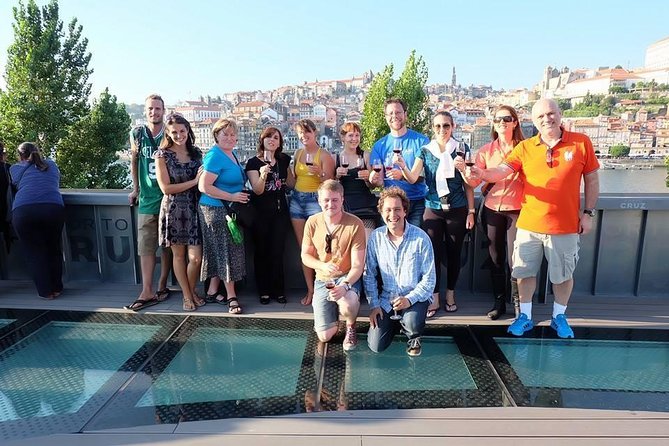
The final stop ends on a terrace with views over Porto. The viewpoint gives the tour a natural finish, especially after spending much of the afternoon below street level in cellars. You end on the Gaia side at Av. de Diogo Leite 135, rather than returning to the original meeting point in Porto.
More Porto wine and port tastings:
- From Porto: Douro Valley w/ Boat Tour, Wine Tasting & Lunch
★ 4.7 · 19,061 reviews - Complete Douro Valley Wine Tour with Lunch, Wine Tastings and River Cruise
★ 5.0 · 12,920 reviews - Porto: Live Fado Show with Glass of Port Wine
★ 4.8 · 6,498 reviews - Douro Valley: Historical Sites, Wine Experience, Lunch & Cruise
★ 5.0 · 5,133 reviews
What the seven tastings really offer
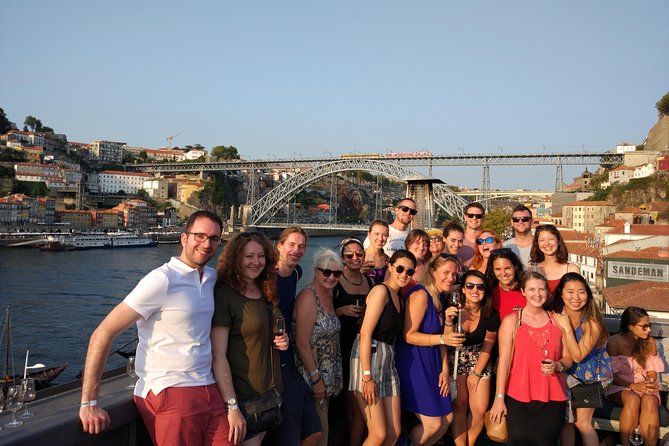
Seven tastings sounds generous, but the value depends on how you use them. This is not seven large glasses. You are sampling several Port families and producers, so the point is comparison.
The known pours include Reserve White, Reserve Tawny, and young Ruby, with additional samples in the workshop and at the other houses. You should leave with a clearer sense of how Port styles relate to one another. You may also discover that your favorite is not the style you expected.
The guide makes a big difference here. Alex is praised for explaining Port types in a memorable, lighthearted way. Kevin is described as mixing local information with a relaxed group atmosphere. Cyril is praised for making the history and production process easy to follow, while Lara is noted for creating a good balance between information and tasting.
Those names matter because a tasting can quickly become a dry presentation. The best guides make you feel comfortable admitting that you do not know the difference between Ruby and Tawny. They also keep the conversation moving when a group has mixed levels of interest.
There is one caution. A single account describes a long presentation with diagrams before the tasting began and found the wait tedious. The general format is educational, but the experience may feel lecture-heavy if you want wine in your glass immediately. If you book, go in expecting a guided lesson, not a rapid bar crawl.
Is $62.88 a fair price?
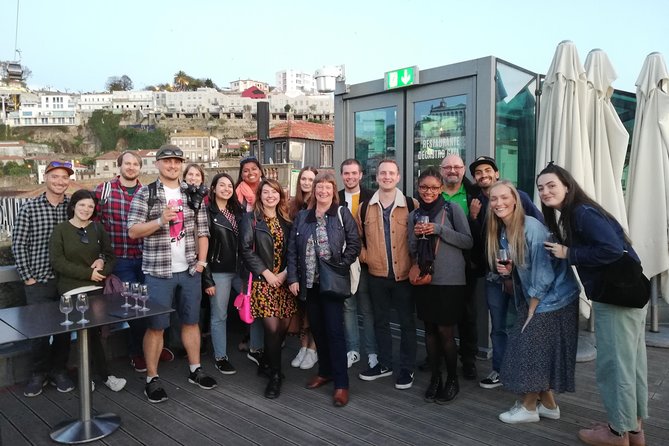
At $62.88 per person, the price is reasonable if you plan to visit Port lodges anyway. The fee includes seven tastings, entry to the wine houses, the local English-speaking guide, and taxes. You also get the walking tour between Porto and Gaia, plus access to the cellar, museum, and interpretation center.
Paying separately for several lodge admissions and tastings could add up quickly. The tour also saves you from choosing between producers, finding the entrances, and trying to understand the city’s Port district on your own.
The value is less clear if you only want a cheap drink. You are paying for interpretation and access, not just alcohol. The tour lasts approximately three and a half hours, while the included details describe it as a four-hour walking tour. I would plan for the longer figure so you are not rushing to a later reservation.
Lunch is not included, and no food or snacks are supplied. Eat before the 3:00 pm start, or carry something small. Seven tastings over several hours can be tiring on an empty stomach.
Timing, meeting point, and the walk to Gaia
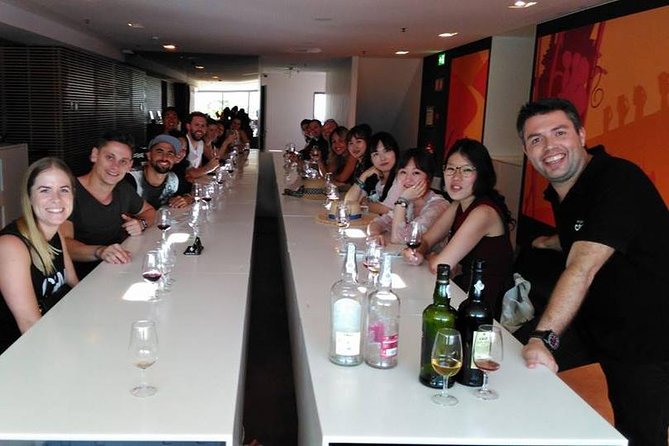
The meeting point is beside the pillars of the old Pensil Bridge, on Porto’s side of the D. Luis Bridge, at the lower level. This detail matters because the bridge area has several levels and viewpoints. Arrive early enough to find the pillars and look for the red Porto Walkers jacket.
The tour begins at 3:00 pm and finishes in Gaia at Av. de Diogo Leite 135. You do not return to the Porto starting point, so plan your evening from Gaia. That is not a problem if you want dinner, more cellar visits, or a river view on that side, but it matters if you have a timed event back in Porto.
All the walking is relatively short, with the farthest walk given as 800 meters. Still, the route includes streets, bridge approaches, and time on your feet. Comfortable shoes are the sensible choice.
The experience is offered in English and has a maximum of 18 participants. Most people can take part, and service animals are allowed. The minimum drinking age is 18. Children over six may be possible, but you need to contact the operator first, and a paid entrance applies.
Who should book this experience?
I would choose this tour if you are new to Port, want a guided introduction, and like learning through several short visits rather than one long cellar tour. It suits couples, friends, and solo visitors who enjoy meeting a small group during an afternoon activity.
It is also a good fit if you want both Porto and Gaia in the same experience. You get a short orientation walk, three Port houses, museum and cellar access, a workshop, and a final view across the river.
You may want another kind of tasting if you are an experienced wine collector seeking rare bottles, a private host, or a long discussion of individual vintages. This is an accessible introduction, not a specialist tasting for professionals.
I would also think twice if you dislike standing presentations or prefer a very quiet atmosphere. The tour depends heavily on the guide’s style and the group’s mood. Alex, Kevin, Cyril, Seral, and Lara receive especially warm praise for making the experience social and fun, but the format itself is built around conversation and instruction.
Should you book the Port Wine Lodges Tour?
Yes, if you want a practical first look at Port and do not mind spending an afternoon on foot. The seven tastings are useful because they show differences between styles, while the three houses keep the experience varied. The cellar, cork, barrel, and Douro displays give the wine a sense of place.
Book it with realistic expectations. This is not a meal, not a private tasting, and not every stop will look like a grand historic cellar. Eat first, wear good shoes, allow four hours, and remember that you finish in Gaia. At $62.88, I consider it a solid choice for a first Port experience, especially if your guide is one of the lively hosts who can make the technical material stick.
FAQ
Where does the Port tasting tour begin?
It begins at the pillars of the old Pensil Bridge, beside the D. Luis Bridge on Porto’s side, at the lower level. Look for a Porto Walkers guide wearing a red jacket.
What time does the tour start?
The tour starts at 3:00 pm.
Where does the tour finish?
It finishes at Av. de Diogo Leite 135 in Vila Nova de Gaia, at a Port tasting venue.
How long does the experience last?
The tour is listed as approximately three and a half hours. The included details describe it as a four-hour walking tour, so allow about four hours.
How many Port tastings are included?
Seven Port wine tastings are included.
How many Port houses do you visit?
The experience includes visits to three Port houses.
Is the tour conducted in English?
Yes. An English-speaking local guide leads the tour.
Is hotel pickup included?
No. Hotel pickup and drop-off are not included.
Can children join the tour?
Children over six may be able to join, but you must contact the operator first. Paid entrance applies, and the minimum drinking age is 18.
What happens if I need to cancel?
You can cancel up to 24 hours before the start time for a full refund. Cancellations or changes made less than 24 hours before the experience are not refunded or accepted.
Newest Porto reviews on the site
- Douro Valley Premium Tours – Private Driver & Guide★ 5.0 · 93 reviews
- Douro Valley Delights Wine Tasting and Scenic Vistas★ 5.0 · 3 reviews
- Douro valley Majestic★ 5.0 · 12 reviews
- Private off the beaten Douro Valley Wine Tour★ 5.0 · 100 reviews
- Tour the Douro wine region, and discover the fantastic landscape★ 4.5 · 4 reviews
- Douro Valley Private Full–Day Tour from Porto★ 5.0 · 23 reviews
- Private Tour to stunning Douro Valley and most renowned wineries★ 5.0 · 39 reviews
- Douro Tour on a Private Yacht in Porto★ 4.5 · 10 reviews
Porto Port Wine Cellar Tours, compared.

Bridges Cruise with Wine Cellar Tour or Sunset Option
Read our review →
Graham’s Port Lodge Tour with Premium Wine Tastings
Read our review →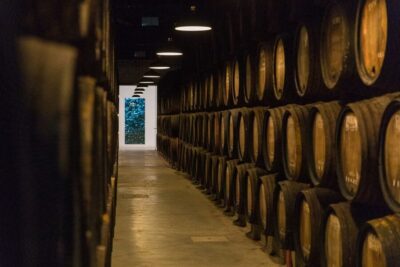
Guided Tour and Tasting of 3 Port Wines at Poças
Read our review →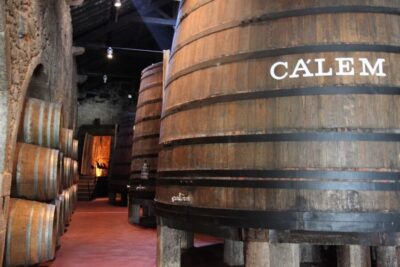
Hop-on Hop-off Bus with Optional Cruise & Wine Cellar
Read our review →Browse the lists this tour appears in