
Reviewed · PORTO
Museu das Marionetas do Porto
The most appealing part of Museu das Marionetas do Porto is that it does not treat puppets as objects locked behind glass. In a special room, you can move puppets yourself and experiment with lights and sound. That turns a museum visit into a small theater workshop, even if you have never handled a puppet before.
I like the museum’s close link to João Paulo Seara Cardoso and Teatro de Marionetas do Porto, plus the thoughtful access features, including tactile puppets and audio description in Portuguese. The main limitation is scale: this is a focused museum, and one visitor described the experience as short and sweet. It suits you best if you want a compact cultural stop, not a full day of shows and activities.
Key points at a glance
- Hands-on puppet room: Manipulate puppets and test lights and sound instead of only looking at displays.
- A museum built around one artist: The collection follows João Paulo Seara Cardoso and his work with Teatro de Marionetas do Porto.
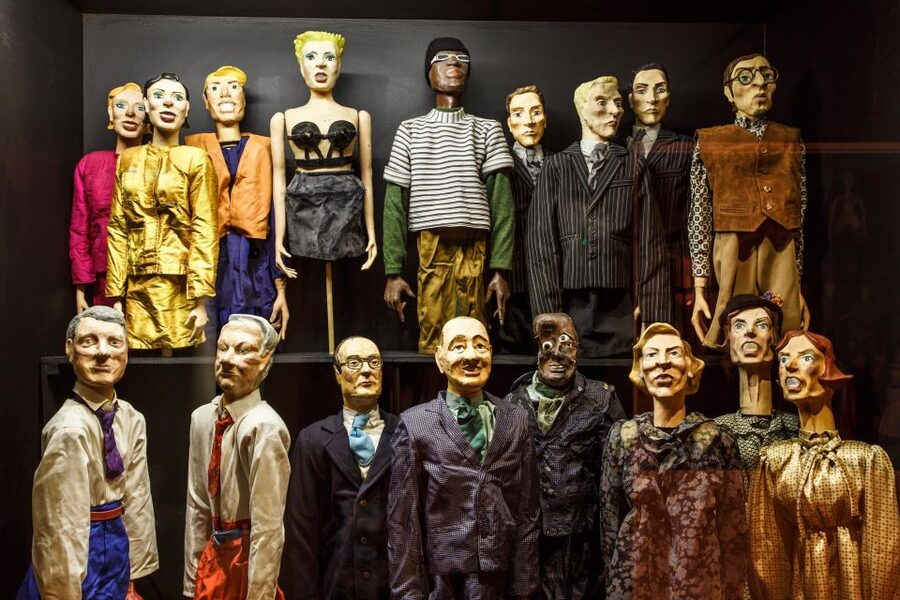
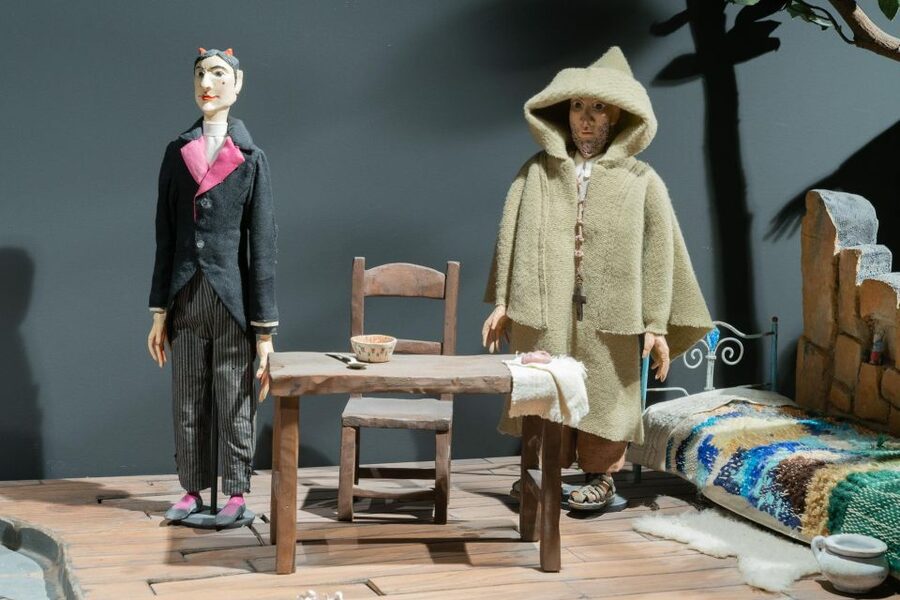
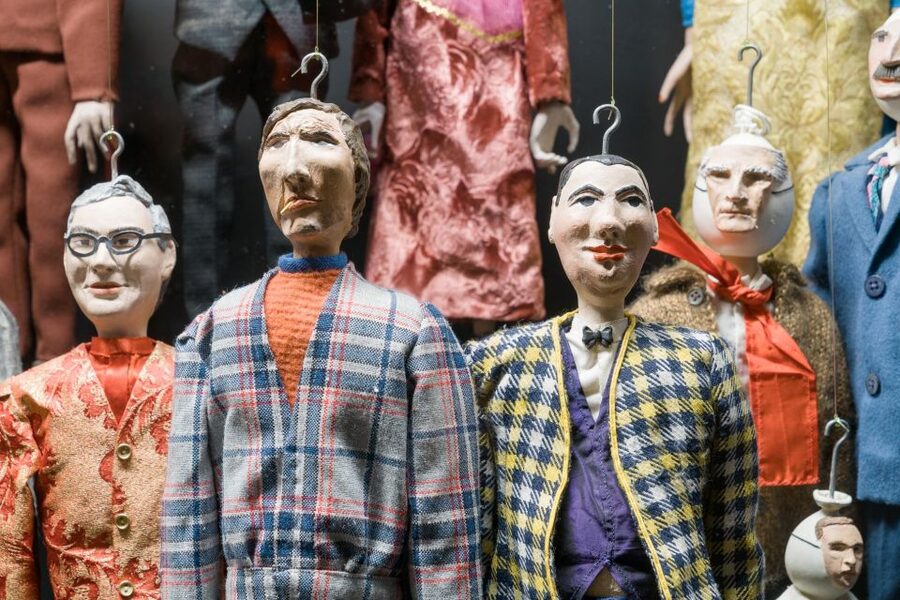
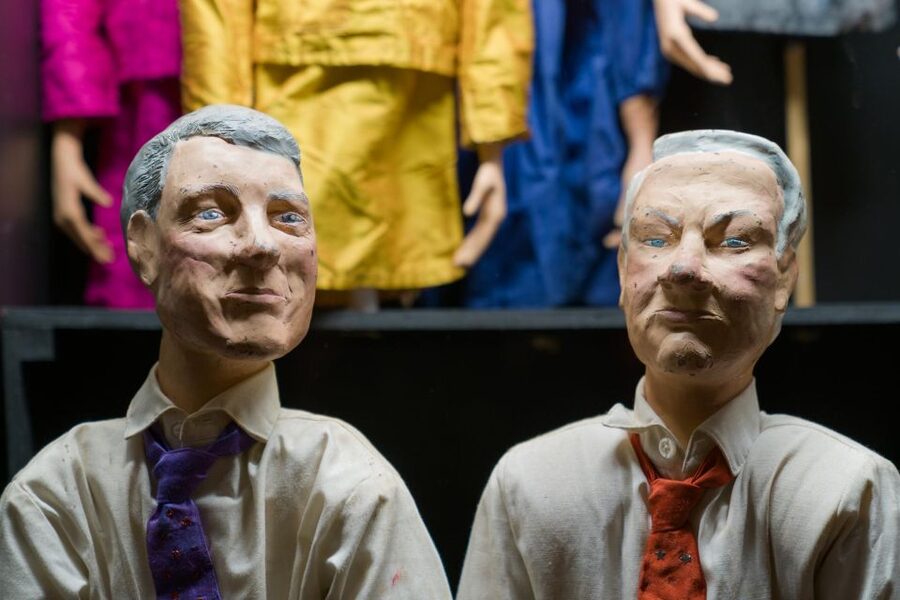
- Performance material on display: See puppets, stage props, symbolic objects, stories, and excerpts from company productions.
- Language support: Video guides are available in Portuguese, English, French, and Spanish, with a Portuguese Sign Language video guide too.
- Strong accessibility features: Tactile puppets, podotactile flooring, and Portuguese audio description are part of the museum experience.
- Good family value: The low ticket price, children’s area, and imagination-led activities make it a practical choice with children.
A small Porto museum with a big theatrical idea
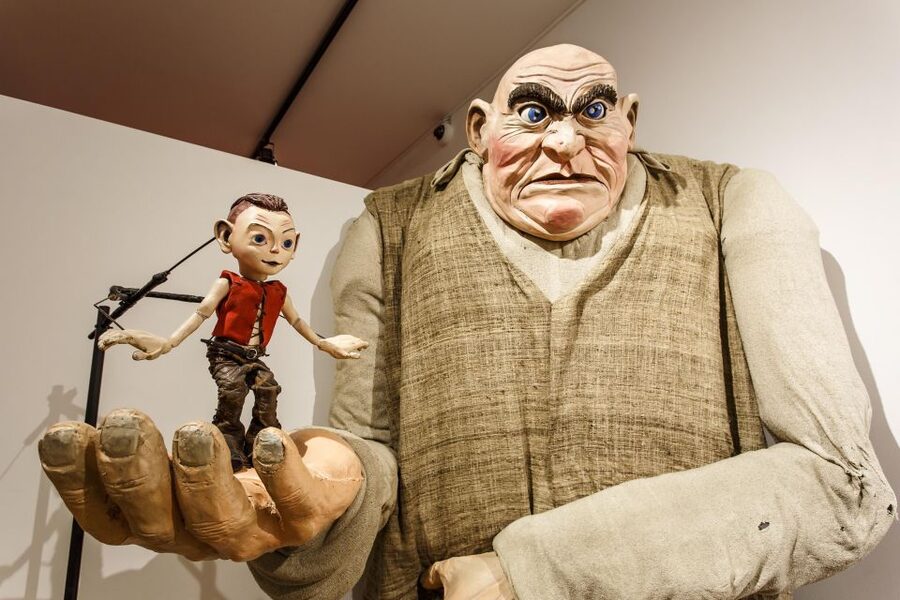
Museu das Marionetas do Porto is an author museum. That means it is centered on the work of a particular creator rather than trying to tell the entire story of puppetry around the world.
The creator here is João Paulo Seara Cardoso, who lived from 1956 to 2010 and served as director and artistic director of Teatro de Marionetas do Porto. The museum keeps his artistic work present through the puppets, props, stories, and objects used in the company’s performances.
That focus gives the visit a clear shape. You are not wandering through a random collection of dolls and toys. You are seeing how one Portuguese theater company developed its visual language and brought puppet theater to the stage.
I find that approach useful because puppets make more sense when you see their working life. A puppet is not only a figure with a painted face. It may be part of a story, a stage image, a sound cue, a lighting plan, or a performer’s movement. The museum helps connect those pieces.
The building also has a specific design by architect José Gigante. The museum opened in 2013, marking the company’s 25th anniversary, then moved in 2016 to Rua de Belomonte, next to the company’s headquarters. Its location beside the theater company matters: this feels connected to an active creative organization rather than separated from the work it presents.
Other Porto trips people book alongside this one:
- The Unvanquished Tour in Porto City Center
★ 5.0 · 26,497 reviews - From Porto: Douro Valley w/ Boat Tour, Wine Tasting & Lunch
★ 4.7 · 19,061 reviews - Complete Douro Valley Wine Tour with Lunch, Wine Tastings and River Cruise
★ 5.0 · 12,920 reviews
What you actually do inside
The visit combines exhibition areas with short media presentations and hands-on elements. You can expect to see puppets and stage props used in productions by Teatro de Marionetas do Porto, along with other objects that carry meaning within the company’s stories.
The performance excerpts are especially useful. A puppet displayed in a case can be intriguing, but a short piece of filmed theater shows how it behaves in performance. You get a better sense of movement, staging, character, and mood.
The video guides let you choose Portuguese, English, French, or Spanish. There is also a video guide in Portuguese Sign Language. That makes the museum easier to follow for international visitors and for people who prefer visual interpretation instead of printed text.
The most playful area is the experimentation space. Here, you can manipulate puppets and operate lights and sound. It is a simple idea, but it changes the tone of the visit. You stop being only an observer and begin to see how much work goes into a puppet performance.
You will not need to arrive as a theater expert. The value is in trying the basic actions and noticing how movement, lighting, and sound alter what you see. Children can enjoy the direct play, while adults may find themselves paying closer attention to the mechanics of performance.
A children’s area is included with the visit. This is one reason I would consider the museum for a family afternoon in Porto. It gives younger children something active to do, and the subject naturally encourages pretend play and storytelling.
The story of João Paulo Seara Cardoso
The museum’s central subject is not only the objects on display. It is also the artistic life of João Paulo Seara Cardoso and the company he directed.
The museum opened to mark 25 years of Teatro de Marionetas do Porto, so the collection works partly as a record of the company’s development. You can see how puppets, props, and stories help preserve the memory of productions that are no longer on stage.
That makes the museum a place of memory, but it is not presented as a closed memorial. Its stated aim is to keep updating its relationship with the public and with contemporary puppetry. In practical terms, that means the museum wants to remain active, accessible, and open to new ways of explaining theater.
I like this balance. A museum devoted to one artist can become overly personal or static. Here, the emphasis remains on sharing puppet theater with the public. The displays connect the founder’s work with the company’s continuing artistic identity.
You may find the museum most rewarding if you enjoy seeing how an artist’s ideas become physical objects. The puppets give you something concrete to look at, while the videos and performance excerpts help explain how those objects functioned on stage.
Why the hands-on room matters
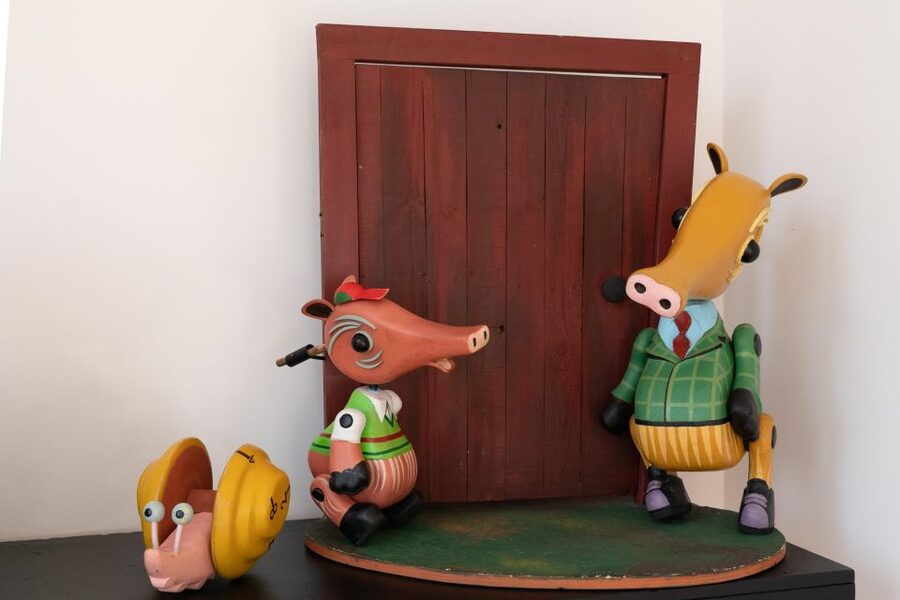
The experimentation room is more than a children’s attraction. It offers a quick lesson in the basic language of puppetry.
When you manipulate a puppet, you begin to notice that a small shift can suggest a large emotion. Add a change in light or sound, and the same figure can seem comic, strange, dramatic, or mysterious. The museum gives you a chance to test those effects directly.
I would allow extra time here if you are visiting with children, since this is likely to be the part they remember most. It also gives adults a break from reading exhibition text. You can simply try things and see what happens.
The room has another benefit: it explains the labor behind a performance without needing a long lecture. A puppet show may appear simple from the audience, but movement, sound, lighting, and timing all shape the result.
The limitation is that the museum does not promise a full live performance as part of this visit. You see excerpts from the company’s work rather than attending an entire production. If your main goal is live theater, check the company’s separate performance program rather than treating the museum visit as a replacement.
Same city, a completely different kind of day out:
- Porto: Six Bridges Cruise
★ 4.2 · 11,680 reviews - Porto: Live Fado Show with Glass of Port Wine
★ 4.8 · 6,498 reviews - Porto: 6 Bridges Douro River Cruise
★ 4.3 · 6,472 reviews - Porto: Torre dos Clerigos Entrance Ticket
★ 4.6 · 6,395 reviews
Accessibility that changes the visit
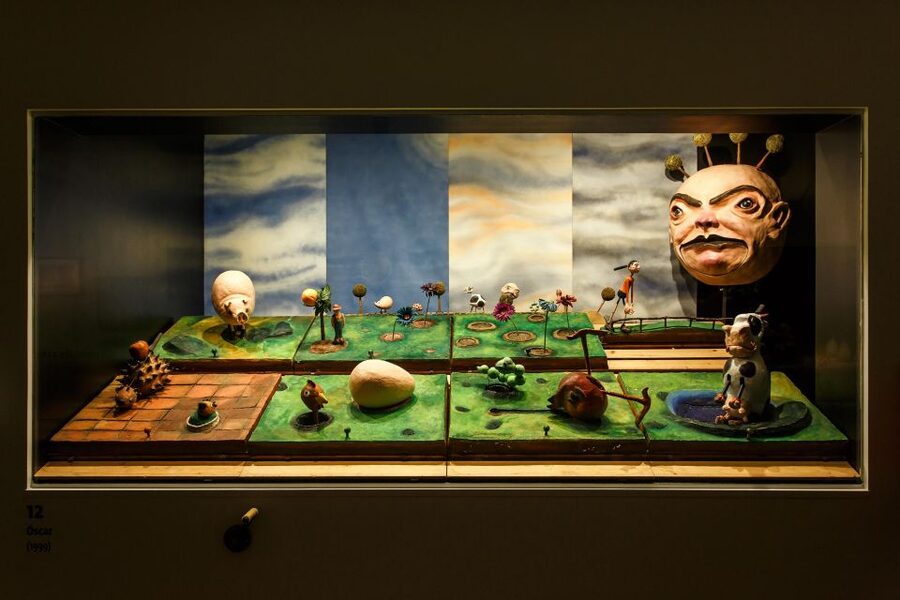
Museu das Marionetas do Porto has been an inclusive museum since 2017. Its access features are not a minor note added at the end of the experience. They are part of how the museum communicates.
Tactile puppets allow visitors to understand selected objects through touch. Podotactile flooring supports movement through the space, and audio description in Portuguese offers spoken information about the exhibits.
The Portuguese Sign Language video guide adds another important option. Along with the standard video guides in four spoken languages, it gives visitors more than one way to receive information.
The museum is wheelchair accessible. Since the displays, experimentation space, and children’s area are all included in the ticket, the access features can support different parts of the visit rather than only the entrance.
If accessibility is important for your planning, note that the audio description is listed in Portuguese, while the video guides are available in Portuguese, English, French, and Spanish. The available information does not specify every detail of the building’s access arrangements, so you may want to confirm any personal requirements before booking.
The price and the value
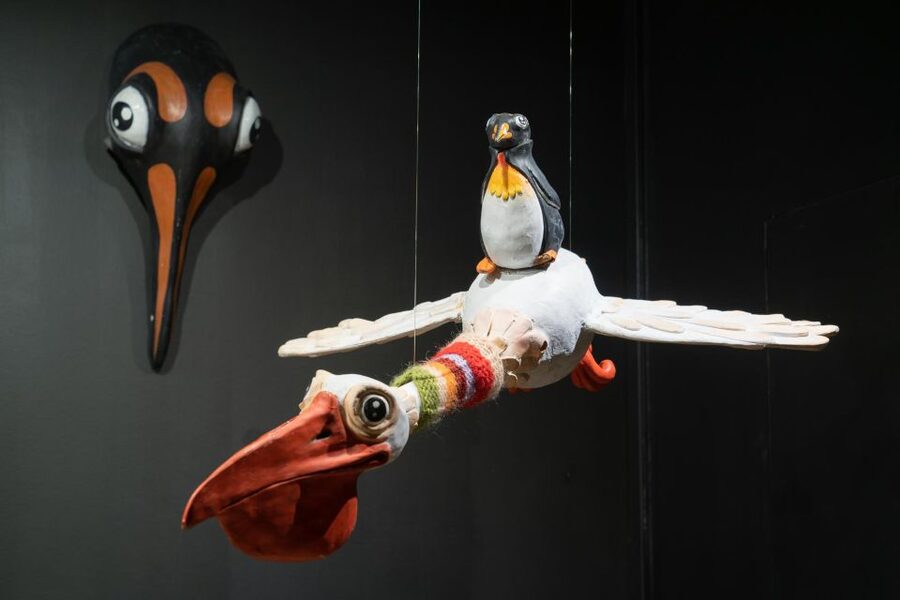
At about $4.13 per person, this is one of Porto’s easier cultural purchases. The ticket includes the museum visit, video guides, the experimentation space, and the children’s area.
The value comes from the variety packed into a modest admission fee. You get a focused art collection, film material, hands-on activities, and access features. For a family, the low individual price also keeps the visit from becoming a major budget decision.
I would not judge the museum by the number of rooms or by expecting several hours of entertainment. This is a compact, specialist museum. One visitor described it as short and sweet, which is fair advice for planning.
That compact size can be an advantage. You can fit the museum into a day of exploring Porto without giving up a large block of time. It also works well if you want an indoor stop that feels different from a church, palace, or traditional art museum.
The price is strongest for families, puppet theater fans, and visitors who enjoy small cultural institutions. If you prefer large museums with broad collections and many galleries, the experience may feel limited.
A good family stop in Porto
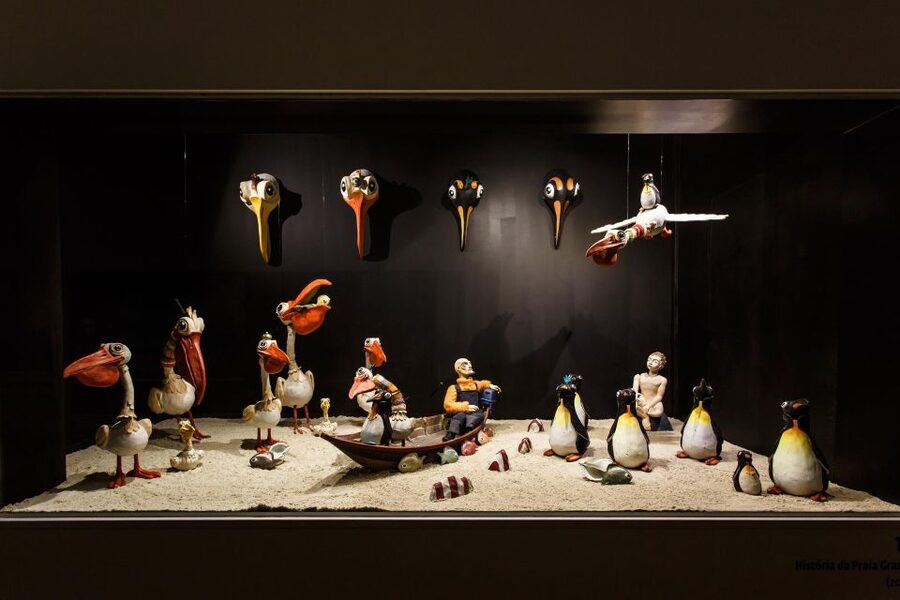
The museum has a clear appeal for children because it connects art with action. Kids can look at unusual puppets, watch performance excerpts, use the experimentation area, and spend time in the children’s section.
A parent should still set expectations. This is not an amusement attraction, and the museum does not promise a full-length show during the visit. The learning comes through objects, video, and controlled experimentation.
I would use the museum as a chance to ask simple questions: How does this puppet move? What does the light change? What kind of story could this figure tell? Those questions can turn a short visit into a more memorable one.
The low cost also makes it suitable for families who want to try something new without committing to an expensive theater ticket. A Portuguese visitor described taking their daughter and loving the experience, while another specifically praised the way it encourages imagination. That matches the museum’s strongest family quality: it gives children a reason to invent.
Languages, staff, and the pace of the visit
The museum offers video guides in Portuguese, English, French, and Spanish, with Portuguese Sign Language support. The listed host or greeter languages are Portuguese and English.
That combination should make the basic visit manageable for many international visitors. You can follow the main content through the guide and then spend time exploring the objects at your own pace.
The atmosphere is likely to feel calm rather than hurried. A Portuguese visitor described it as peaceful and attractive, and another praised the person working there as charming. You should expect a personal, low-key museum visit rather than a large attraction with a constant stream of guided groups.
That quiet pace suits the subject. Puppets reward close looking, and a crowded, rushed setting would make the hands-on features less enjoyable. Still, the supplied information does not give a fixed visit length or group size, so avoid building a tightly timed schedule around an assumed duration.
The activity is valid for one day, and availability depends on the selected starting time. You can cancel up to 24 hours in advance for a full refund, and a reserve-now, pay-later option is available. Those terms help if your Porto plans are still changing.
Who should book this museum
I would recommend Museu das Marionetas do Porto to:
- Families looking for an affordable cultural activity
- Visitors interested in theater, design, or contemporary puppetry
- Anyone who enjoys small museums with a clear local connection
- People who value tactile, audio, visual, and sign-language access
- Porto visitors who want a short indoor stop with hands-on elements
I would be more cautious if you want a long, traditional museum visit or a complete live puppet performance. The focus is narrow, and the experience may be brief.
The museum is also a good choice for repeat visitors to Porto. You do not need another broad introduction to the city’s major sights. Instead, you get a look at a specific Portuguese artistic tradition through the work of one company and one important director.
Should you book Museu das Marionetas do Porto?
Book it if the $4.13 price fits your plans and you like the idea of seeing how puppet theater works from the inside. The strongest reasons are the hands-on room, the company’s performance excerpts, and the museum’s serious attention to accessibility.
For families, the children’s area and imagination-based activities add real value. For adults, the link to João Paulo Seara Cardoso gives the displays a clear artistic purpose.
Skip it if you are searching for a large museum, a long guided tour, or a full theater performance. Otherwise, this is an easy, inexpensive Porto stop with more substance than its small size suggests.
FAQ
Where is Museu das Marionetas do Porto located?
The museum is in Porto’s Norte Region, at Rua de Belomonte, next to the headquarters of Teatro de Marionetas do Porto.
What is Museu das Marionetas do Porto about?
It focuses on the work of João Paulo Seara Cardoso and Teatro de Marionetas do Porto, displaying puppets, stage props, symbolic objects, and stories connected with the company’s performances.
Can I handle the puppets?
The museum includes a special experimentation space where you can manipulate puppets and operate lights and sound.
Are performance videos included?
Yes. The visit includes excerpts from performances by Teatro de Marionetas do Porto.
What languages are available for the video guides?
Video guides are available in Portuguese, English, French, and Spanish.
Is Portuguese Sign Language available?
Yes. The museum offers a video guide in Portuguese Sign Language.
Does the museum offer audio description?
Yes. Audio description is available in Portuguese.
Is the museum wheelchair accessible?
Yes, the activity is listed as wheelchair accessible. The museum also includes podotactile flooring among its access features.
Is there anything for children?
Yes. The ticket includes a children’s area and the experimentation space, where visitors can try puppets, lights, and sound.
Can I cancel my booking?
You can cancel up to 24 hours in advance for a full refund. A reserve-now, pay-later option is also available.
Newest Porto reviews on the site
- Douro Valley Premium Tours – Private Driver & Guide★ 5.0 · 93 reviews
- Douro Valley Delights Wine Tasting and Scenic Vistas★ 5.0 · 3 reviews
- Douro valley Majestic★ 5.0 · 12 reviews
- Private off the beaten Douro Valley Wine Tour★ 5.0 · 100 reviews
- Tour the Douro wine region, and discover the fantastic landscape★ 4.5 · 4 reviews
- Douro Valley Private Full–Day Tour from Porto★ 5.0 · 23 reviews
- Private Tour to stunning Douro Valley and most renowned wineries★ 5.0 · 39 reviews
- Douro Tour on a Private Yacht in Porto★ 4.5 · 10 reviews