
Reviewed · PORTO WINE TASTINGS
Porto: Live Fado Show with Glass of Port Wine
Fado is best understood in a small room, where a singer’s voice meets the bright, intricate sound of the Portuguese guitar. This one-hour show places you in historic Porto spaces with fine acoustics, then adds a glass of Port and a short introduction to the music’s origins. It is a compact way to hear one of Portugal’s defining art forms.
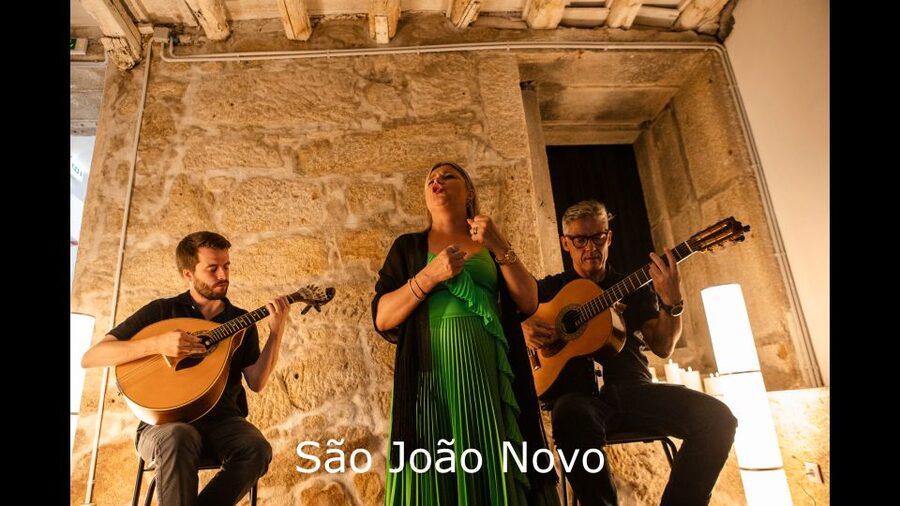
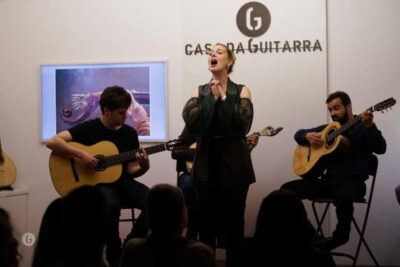
I like the setting and the clear cultural introduction. You may sit in a 19th-century cellar, a former guitar-maker’s workshop, or the old pantry beneath São João Novo Church. Hosts explain what you are hearing, and one performance included Ricardo discussing fado’s background and history in a way that helped first-time listeners follow the music.
The main consideration is the short running time. One hour gives you a focused introduction, not a full evening of music and dinner. Some performances can also feel snug when the room is full, and the spoken history section may interrupt the musical flow for listeners who want songs without commentary.
Key points to know before booking
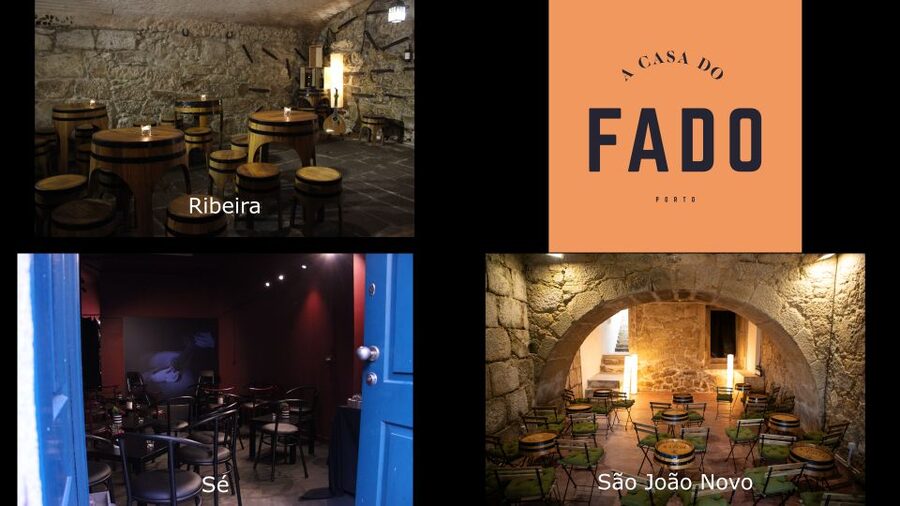
- Three historic venues: Choose among a 19th-century cellar in Ribeira, a former guitar luthier workshop near Sé, or the old pantry beneath São João Novo Church.
- One hour of live music: The program combines a singer, Portuguese guitar, and other guitar accompaniment with brief explanations of fado.
- Port wine included: Your ticket covers one glass of Port, but not food or transportation.
- Helpful for first-time listeners: The hosts explain fado’s origins, characteristics, and place in Portuguese culture.
- Small-room atmosphere: The old stone interiors and carefully arranged acoustics make the music feel close and direct, though seating can feel cramped when attendance is high.
- Strong value at $23: You get a live performance, cultural context, and Port wine for less than the cost of many full evening shows.
Why fado works best in a small Porto room
Fado is not background music. It is built around voice, feeling, and the unusual sound of the Portuguese guitar. In a large concert hall, some of that closeness would disappear. Here, the historic rooms help you hear the singer’s phrasing and the quick, ringing notes from the guitarists.
You do not need to understand Portuguese to follow the mood. The songs carry longing, tenderness, pride, and sorrow through the voice and the musicians’ timing. Several parts of the program are lively too, so this is not simply a long sequence of mournful ballads.
The show has also been recognized as an introduction to fado rather than a performance aimed only at specialists. That matters if you have never heard the style before. The hosts give enough background to explain what makes fado different, without requiring you to read up before arriving.
Fado was recognized by UNESCO as Intangible Cultural Heritage of Humanity. That label is useful only if it helps you understand the art itself, and here the live setting does more than a museum display could. You hear the music, see the musicians work together, and learn why it carries such weight in Portuguese identity.
More fado shows in Porto:
- Porto: Cálem Cellar Tour, Fado Show & Wine Tasting
★ 4.4 · 3,530 reviews - Porto: Authentic Fado Show, Port Wine & Handmade Instruments
★ 4.8 · 2,737 reviews - Porto: Live Fado Concert with Glass of Tawny Port Wine
★ 4.8 · 2,535 reviews
Choosing between the three Casa do Fado venues
The experience operates through three Casa do Fado locations in Porto’s historic center. Each one offers a different sense of place, so the venue listed for your booking matters.
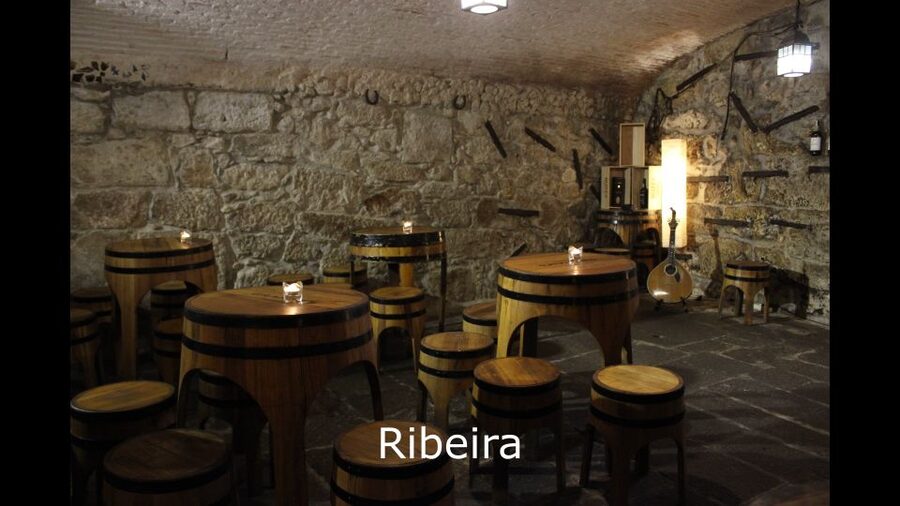
A Casa do Fado Ribeira
The Ribeira location occupies a 19th-century cellar. Stone walls and the low-ceilinged feel of an old wine space suit fado well, giving the music a close, warm sound.
This venue is a good choice if you like old masonry and a traditional cellar atmosphere. It may also appeal if you want to connect the music with Porto’s wine culture, though the ticket includes only one glass of Port and not a full tasting.
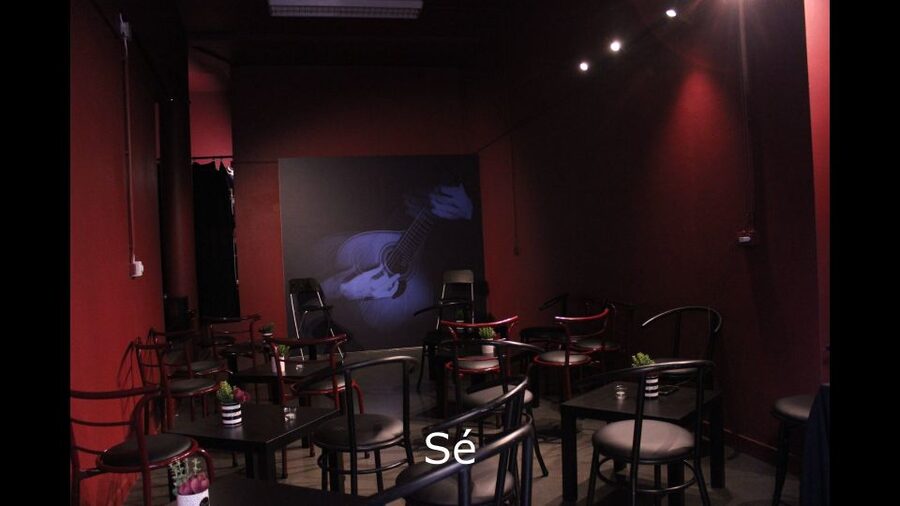
A Casa do Fado Sé
The Sé venue is in a former guitar luthier workshop. That detail gives the place a direct connection to the craft behind the performance. The Portuguese guitar is not just an accessory in fado, and hearing the music in a space once linked to instrument making adds a nice layer of meaning.
Choose this setting if the musicianship and instruments interest you as much as the singer. The information provided does not promise a workshop visit or a demonstration of guitar making, so treat the former workshop as the setting rather than a separate attraction.
More Porto wine and port tastings:
- From Porto: Douro Valley w/ Boat Tour, Wine Tasting & Lunch
★ 4.7 · 19,061 reviews - Complete Douro Valley Wine Tour with Lunch, Wine Tastings and River Cruise
★ 5.0 · 12,920 reviews - Douro Valley: Historical Sites, Wine Experience, Lunch & Cruise
★ 5.0 · 5,133 reviews - Douro Valley Small-Group Tour with Wine Tasting, Lunch and Boat
★ 5.0 · 3,642 reviews
A Casa do Fado São João Novo
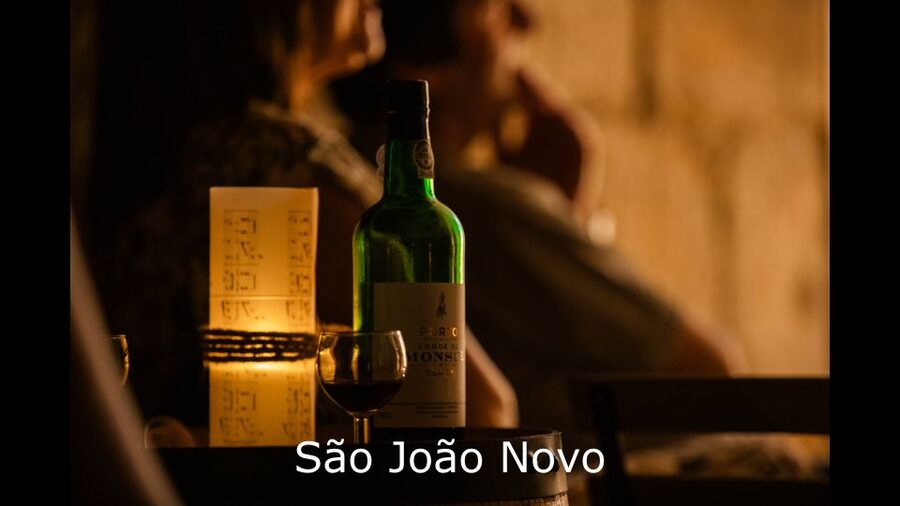
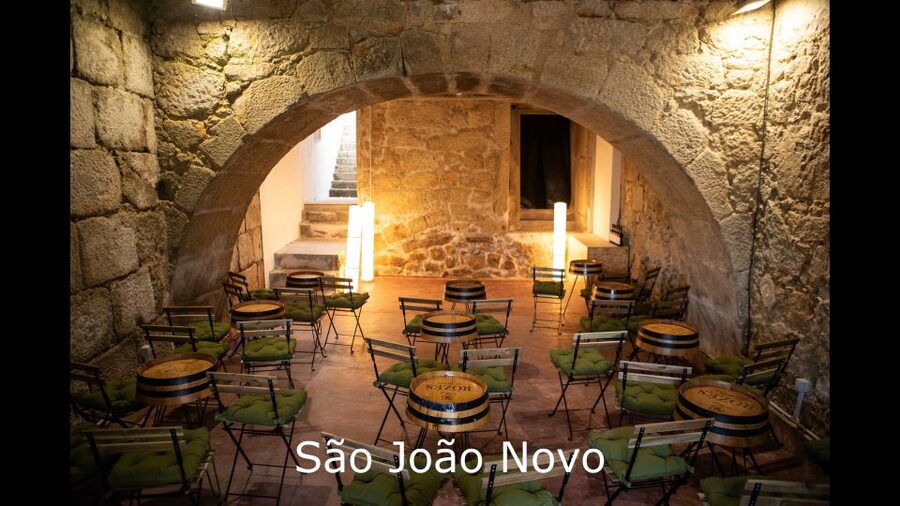
São João Novo is located in the old pantry of the Convent and Church of São João Novo, beneath the church’s sacristy. The space dates from the end of the 16th century, making it the most obviously unusual setting of the three.
The entrance can be easy to miss. When you face the church, walk to your right and around the corner to find the Casa do Fado São João Novo entrance. Allow yourself enough time to locate it, especially if you are arriving after dark or walking through Porto’s steep historic streets.
The room beneath the church gives the performance a strong sense of place. Several accounts of the setting describe the old stone interior as cozy, elegant, and authentic. There is also a courtyard or exterior lookout area with views toward the Douro River, particularly appealing around sunset.
What the one-hour program is like
The experience begins with arrival at the selected Casa do Fado venue and a welcome from the staff. The atmosphere is informal but organized. A host or greeter may speak English, French, Spanish, or Portuguese, which helps international visitors settle in before the music starts.
You are given a glass of Port wine as part of the experience. Port is sweet, fortified wine closely linked with Porto, so it makes sense here as more than a free drink. It connects the musical evening with the city’s best-known drink, though the glass is a small addition rather than a full wine experience.
The live portion centers on a singer and guitarists. The Portuguese guitar has a bright, almost bell-like tone, while the accompanying guitar provides a steadier base. In a small stone room, the instruments can sound especially crisp. The acoustics are one of the main reasons to choose this kind of performance over a casual bar playing recorded music.
At some point, the host or a performer explains fado’s background, origins, and characteristics. Ricardo has been praised for making this section clear and useful, and the musicians may also share personal details about their relationship with the music. The commentary can help you understand the songs, especially if you do not speak Portuguese.
The balance between talking and music is worth noting. Most people will appreciate the context, particularly on a first visit. If you prefer an uninterrupted concert, you may find the history section a little abrupt in the middle of the show. The program is designed as a cultural introduction, not as a pure recital.
The performers are described as skilled, warm, and willing to engage with the audience. One account specifically praised Ricardo, Diogo, and Carla, while other descriptions highlight the chemistry between the singer and the two guitarists. Names and performers can vary by session, so do not book solely to see one person unless your confirmation specifically identifies the lineup.
The sound, mood, and level of audience interaction
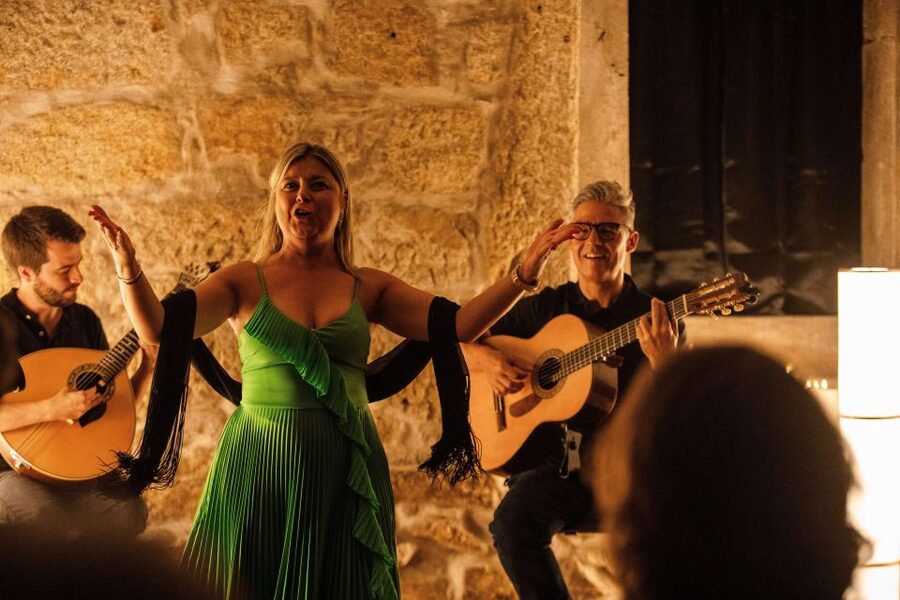
The strongest part of the experience is the emotional force of the singer. Fado depends on expression more than spectacle, and the room remains focused on the voice and instruments. You may not understand every word, but the tone and phrasing make the feeling clear.
The musicians also help keep the hour from becoming heavy. Some sessions include more upbeat songs, light audience interaction, and moments of humor. That variety is useful if you are unsure whether traditional fado will feel too solemn for your evening.
The audience is close to the performers, which makes the show feel personal. You are not watching from a distant theater seat. That closeness can be wonderful when the singer is in full voice, but it also means you should expect the room to feel quiet and attentive during the songs.
Group size appears to be modest, though the space can become cramped when the room fills. If you value elbow room above all else, this may not be your ideal activity. The compact room is also what gives the music its force, so the tradeoff is clear.
Why the cultural explanation matters
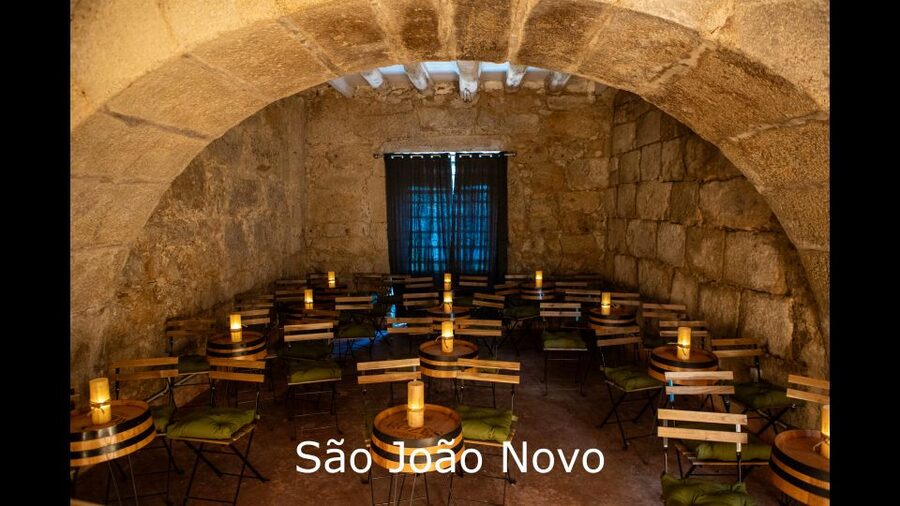
A fado performance can be moving without explanation, but context gives you more to listen for. The host introduces the music’s origins and explains how it fits into Portuguese culture. You learn why the Portuguese guitar matters and why fado is often associated with longing and emotional honesty.
This is particularly useful if your Porto visit is short. Rather than spending an evening trying to work out which venue offers an authentic show, you receive the performance and the basic cultural framework in the same hour.
The explanations are delivered in several languages, including English, French, Spanish, and Portuguese. That makes the show practical for an international audience. You are not expected to know the music in advance, and the presentation is aimed at helping you listen with a little more understanding.
The history section is not a substitute for a full lecture on fado. It is a short introduction placed around the performance. I would treat it as a bonus that gives shape to the evening, not the main reason to book.
Is $23 a fair price?
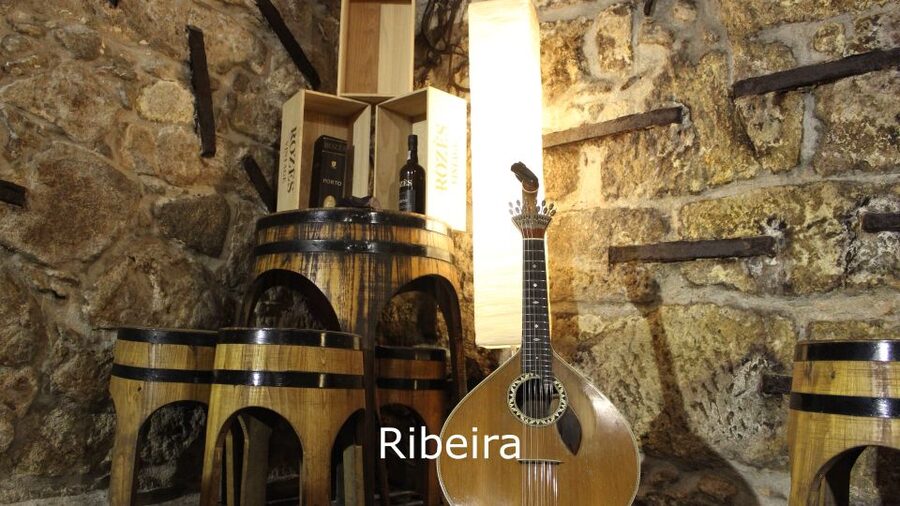
At $23 per person, the value is strong. Your ticket includes the full live show, a glass of Port, the historic venue, and an explanation of the music. You are paying for a complete cultural activity rather than simply reserving a seat for a concert.
The one-hour length keeps the cost down and fits neatly into a busy Porto schedule. You can attend before dinner, after sightseeing, or as a final stop before returning to your hotel. It is also short enough for families or visitors who are uncertain about committing to a longer performance.
The price does not include food or transportation. You will need to reach the venue yourself, and you should not expect a meal alongside the wine. That is not a serious weakness at this price, but it changes how you plan the evening.
If you compare it with a dinner show, this experience offers less time and no meal. If you compare it with a standard concert ticket, it gives you more context and a drink. For a first encounter with fado, I consider the combination a good buy.
Practical planning for your visit
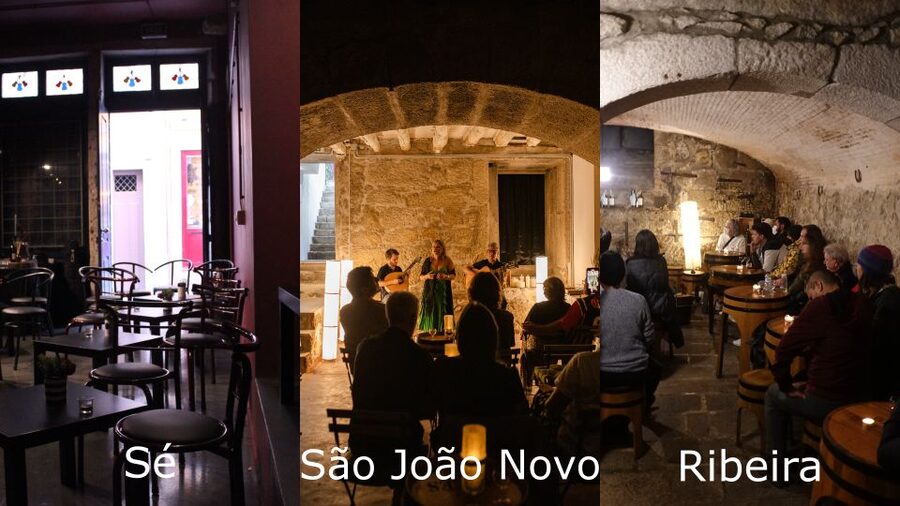
Check the exact venue before setting out. The three locations are all in Porto’s historic center, but their entrances and surroundings differ. São João Novo deserves extra attention because its entrance is around the corner from the church rather than directly at the main facade.
Transportation is not included, so plan your route independently. Porto’s old center can involve slopes, narrow streets, and confusing corners, and the São João Novo directions rely on the church as your visual landmark.
The listed duration is one hour. Starting times vary, so check availability for the date you want rather than assuming the show runs at a particular hour.
You can cancel up to 24 hours in advance for a full refund, and the reserve now, pay later option lets you hold a place without paying immediately. Those terms are useful if your Porto plans are still shifting, but they do not replace checking the confirmed meeting point and start time.
The hosts can greet you in English, French, Spanish, or Portuguese. Food is not part of the program, so plan a meal separately if you want dinner. The Port is included, but you should not treat the ticket as a wine tour.
Who will enjoy this fado show most
I would recommend it to anyone who wants a manageable introduction to Portuguese music. It suits first-time listeners, couples looking for a quiet cultural evening, solo visitors, and people who want an activity that feels connected to Porto rather than imported from a generic entertainment schedule.
It is also a good choice if you are curious about the Portuguese guitar. The musicianship is a central part of the program, and the former luthier workshop at Sé makes that connection especially appealing.
You may want something else if your priority is a long concert, a formal theater production, or a full dinner. The show is compact and educational. The commentary adds value for many people, but those who want song after song may find the spoken section less appealing.
The emotional style also matters. Fado can be intense and reflective, though the program may include lighter and more upbeat moments. If you dislike vocal music or prefer large, energetic performances, this small-room format may not suit you.
Should you book Casa do Fado?
I would book this show if you want to hear authentic Portuguese music without giving up an entire evening or paying dinner-show prices. The historic venues, capable musicians, short cultural explanation, and glass of Port create a well-balanced introduction to fado.
Choose your venue carefully, arrive with enough time to find the entrance, and expect a close room rather than a spacious auditorium. For $23, this is a practical and memorable way to add music, local history, and a taste of Porto to your visit.
FAQ
How long is the Porto fado show?
The experience lasts one hour.
What is included in the ticket?
The ticket includes the live fado show and one glass of Port wine.
Is food included?
No. Food is not included in the activity.
Is transportation included?
No. You must make your own way to the selected Casa do Fado venue.
Where does the show take place?
The experience uses three Casa do Fado venues in Porto’s historic center: a 19th-century cellar in Ribeira, a former guitar luthier workshop near Sé, and the old pantry beneath São João Novo Church.
Which languages are available?
Hosts or greeters may speak English, French, Spanish, or Portuguese.
Can I cancel my booking?
Yes. You can cancel up to 24 hours in advance for a full refund. You can also reserve now and pay later to keep your plans flexible.
Newest Porto reviews on the site
- Douro Valley Premium Tours – Private Driver & Guide★ 5.0 · 93 reviews
- Douro Valley Delights Wine Tasting and Scenic Vistas★ 5.0 · 3 reviews
- Douro valley Majestic★ 5.0 · 12 reviews
- Private off the beaten Douro Valley Wine Tour★ 5.0 · 100 reviews
- Tour the Douro wine region, and discover the fantastic landscape★ 4.5 · 4 reviews
- Douro Valley Private Full–Day Tour from Porto★ 5.0 · 23 reviews
- Private Tour to stunning Douro Valley and most renowned wineries★ 5.0 · 39 reviews
- Douro Tour on a Private Yacht in Porto★ 4.5 · 10 reviews
Porto Wine Tastings, compared.

Douro Valley w/ Boat Tour, Wine Tasting & Lunch
Read our review →
Complete Douro Valley Wine Tour with Lunch, Wine Tastings and River Cruise
Read our review →
Historical Sites, Wine Experience, Lunch & Cruise
Read our review →
Douro Valley Small-Group Tour with Wine Tasting, Lunch and Boat
Read our review →
Authentic Fado Show, Port Wine & Handmade Instruments
Read our review →
Douro Valley Tour with Wine Tasting, Cruise and Lunch
Read our review →
Douro Valley Tour: Wine Tasting, Cruise and Lunch from Porto
Read our review →Browse the lists this tour appears in