
Reviewed · PORTO PORT WINE CELLAR TOURS
Porto: Carvalhas cellar tour at Real Companhia Velha
The most memorable part of this one-hour visit is not just the tasting. It is the walk through a quiet, dark cellar where Port rests in old wooden casks, vats, and barrels. Real Companhia Velha dates to 1756, and the Silva Reis family’s private collection includes more than 16,000 bottles, with the oldest dating to 1765.
I like the way the tour connects the Douro vineyards to the cellar in Gaia, then lets you compare four Ports with very different ages. I also like the small-group feel reported on recent visits, with guides such as Catarina explaining the wines in a warm, clear way. The main drawback is time: one hour passes quickly, and one visitor found the guided portion closer to 40 minutes before the tasting began.
Key points at a glance
- A cellar with real age: See wooden casks, vats, and barrels where Port matures in silence and darkness.
- The family collection: Visit the Silva Reis private cellar, home to more than 16,000 bottles and a 1765 Vintage Port.
- Four useful tastings: Compare White Port with 10-year, 30-year, and 40-year Tawny Ports.
- A company founded in 1756: Learn how Real Companhia Velha helped shape Douro wine production.
- A quieter Gaia stop: The cellar sits about a 15-minute walk from some of the better-known Port houses.
- Good language choice: Tours are offered in English, French, Portuguese, and Spanish.
A serious Port cellar, not just a tasting room
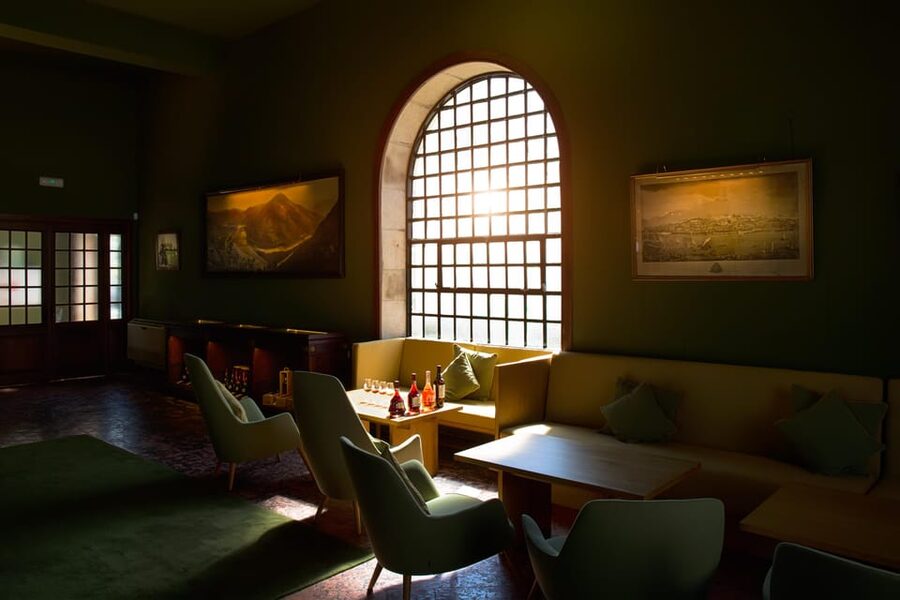
Port can be confusing at first. The names, ages, styles, and labels seem to form their own small language. This tour gives you a useful way into it: first the place, then the production story, then the glass.
Real Companhia Velha is in Vila Nova de Gaia, on the left bank of the Douro, across from Porto. Gaia is where many Port houses keep and age their wines, and the setting matters. The wine begins in the Douro Region, but its long rest in Gaia cellars helps explain why Porto and Gaia are so closely linked in the Port trade.
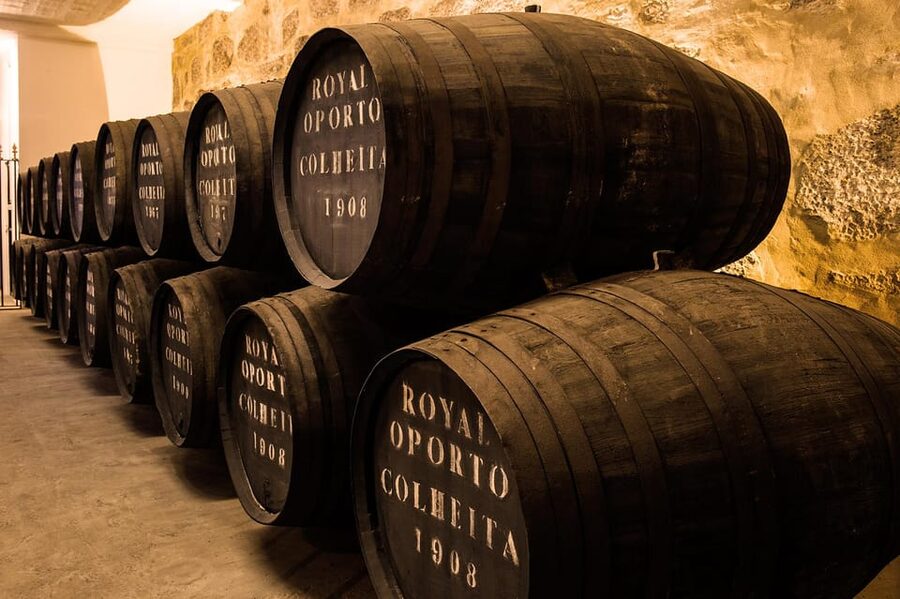
You meet your guide at the security gate of the address. From there, the visit moves into the company’s cellar. The atmosphere is a sharp change from the bright streets outside. Expect low light, quiet aisles, and the smell and presence of old wood. This is not a polished museum built around displays. The point is to see wine resting in the same kind of vessels used for slow maturation.
That makes the visit useful even before the tasting. You can see the scale of the operation and the patient nature of Port production. A bottle may be opened in minutes, but the wine inside may have spent decades reaching its final balance.
More port cellar tours in Porto:
- Porto: Cálem Cellar Tour, Fado Show & Wine Tasting
★ 4.4 · 3,530 reviews - Porto: Taylor’s Port Cellars & Tasting
★ 4.6 · 3,374 reviews - Porto: Cockburn’s Port Lodge Tour and Tasting
★ 4.8 · 3,360 reviews
From a royal company to the Carvalhas name
Real Companhia Velha was founded in 1756 as a company connected with control and regulation of Douro wine. The company’s story is part of the larger story of Port, a wine shaped by the Douro’s vineyards, river trade, and long aging tradition.
The tour also introduces Quinta das Carvalhas, described as Real Companhia Velha’s jewel in the Douro. You will not be spending the hour touring the vineyard itself, but the Carvalhas name gives the tasting a clear focus. It links the cellar experience to the source of the wine rather than presenting Port as a product with no place behind it.
I find this historical context more useful than a long list of dates. It helps you understand why the company has both a public identity and a private family collection. The Silva Reis family owns Real Companhia Velha, and their cellar adds a personal layer to the company’s story.
The company is sometimes described as more than two centuries old, but its stated founding date is 1756. That makes the timeline easy to place: this is a company with roots in the 18th century, not a new producer borrowing an old-fashioned style.
Walking among the casks and barrels
The cellar is the heart of the experience. You see Port resting in noble wooden casks, vats, and barrels, with each vessel playing a role in the aging process.
Your guide explains that Port is not simply left to sit until a printed age appears on a label. Time, wood, blending, and the desired style all matter. A 10-year Tawny is not meant to be a young version of a 40-year Tawny. Each has its own balance of fruit, wood, freshness, and developed flavors.
The dark cellar setting is part of the appeal, but it can also be a practical consideration. The space is described as marked by constant darkness and deep silence, so this will feel more like a working wine cellar than a bright visitor center. If you prefer highly visual exhibitions, the experience may seem restrained. If you want to see where wine actually ages, the simplicity works in its favor.
One recent visit felt shorter than expected, with about 40 minutes of touring followed by 20 to 40 minutes of tasting. That timing is worth keeping in mind. The advertised duration is one hour, but the balance between explanation and tasting can vary.
The private cellar and 16,000 bottles
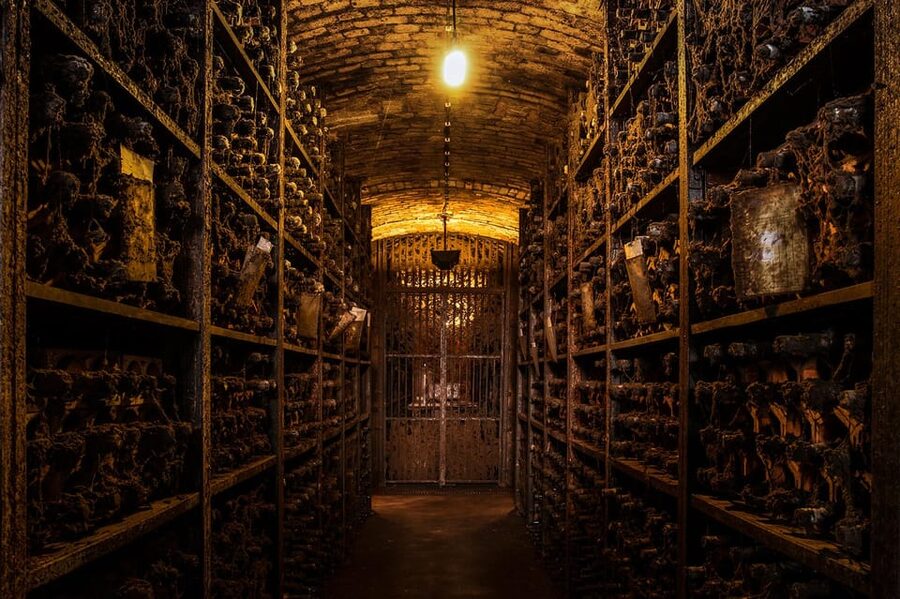
The private wine cellar of the Silva Reis family gives the tour its strongest historical detail. More than 16,000 bottles are kept there, including rare Vintage Ports. The oldest bottle mentioned is from 1765.
You are not merely hearing that old bottles exist somewhere in the company’s archives. You get access to the private collection as part of the visit and see how a family cellar can preserve bottles across generations. The collection also shows the difference between drinking Port today and understanding Port as a long-term part of Portuguese wine culture.
Do not expect to taste the 1765 bottle. The collection is there to view, while the tasting focuses on selected Ports. That is a sensible arrangement. Very old bottles are scarce, and a visit built around four carefully chosen wines gives you a better introduction than a single historic bottle would.
The collection also gives the guide something concrete to discuss. Instead of treating history as a lecture, the bottles make the company’s age visible. You can look at the labels and imagine the time span represented by the cellar, from the 18th century to current production.
Same city, a completely different kind of day out:
- The Unvanquished Tour in Porto City Center
★ 5.0 · 26,497 reviews - From Porto: Douro Valley w/ Boat Tour, Wine Tasting & Lunch
★ 4.7 · 19,061 reviews - Complete Douro Valley Wine Tour with Lunch, Wine Tastings and River Cruise
★ 5.0 · 12,920 reviews - Porto: Six Bridges Cruise
★ 4.2 · 11,680 reviews
Four Ports that show how age changes the wine
The tasting includes a White Port followed by three Carvalhas Tawny Ports aged 10, 30, and 40 years. This is a well-planned sequence because it lets you compare both style and age.
White Port can be a useful starting point. It gives you a different expression of Port before the tasting moves into Tawny territory. From there, the three age statements show how extended aging changes the wine’s character.
A 10-year Tawny is generally the more youthful point in this particular comparison. The 30-year and 40-year wines let you notice how additional time brings greater development and complexity. The guide explains what you are tasting, so you do not need to arrive with a working knowledge of Port.
The tasting is not just a final reward after the cellar. It is where the earlier explanations become easier to grasp. You have seen the wood and heard about maturation, then you can compare wines that have spent different lengths of time developing.
Recent tastings have included crackers and nuts, which make the session more comfortable and give you something simple to eat alongside the wine. The exact food service should not be treated as the main feature, but it is a helpful touch.
Some visitors have combined different tasting options at the same location and sampled as many as eight wines. That is not the tasting described here, which includes four Ports. If you want a wider flight, check the exact option when booking so you know which wines are included.
Why the guide matters in a one-hour visit
A cellar tour can easily become a list of facts. Here, the guide makes a big difference because the scheduled time is short and the subject can be technical.
Catarina has been singled out for a warm, professional manner and for explaining the aging system clearly. Another recent account spells the name Katarina, so you may see the guide’s name written both ways. The useful point is that the guide-led format has been especially strong, with clear explanations and patience during the tasting.
The available tour languages are English, French, Portuguese, and Spanish. You should select the language you can follow most comfortably. One visitor found the guide spoke a little too fast, which is a fair caution when the tour is packed into an hour. If you need a point repeated, ask during the tasting while the wines are still in front of you.
The tour works best when you take part. Look at the casks, ask how the age statements differ, and taste the wines in order. You will get more from the visit than if you simply wait for the guide to finish speaking.
The location in Vila Nova de Gaia
Real Companhia Velha is not right beside every major Port cellar. One recent visit described it as about a 15-minute walk from the other houses. That can be a plus if you want a less crowded stop, but it also means you should allow time to find the correct gate.
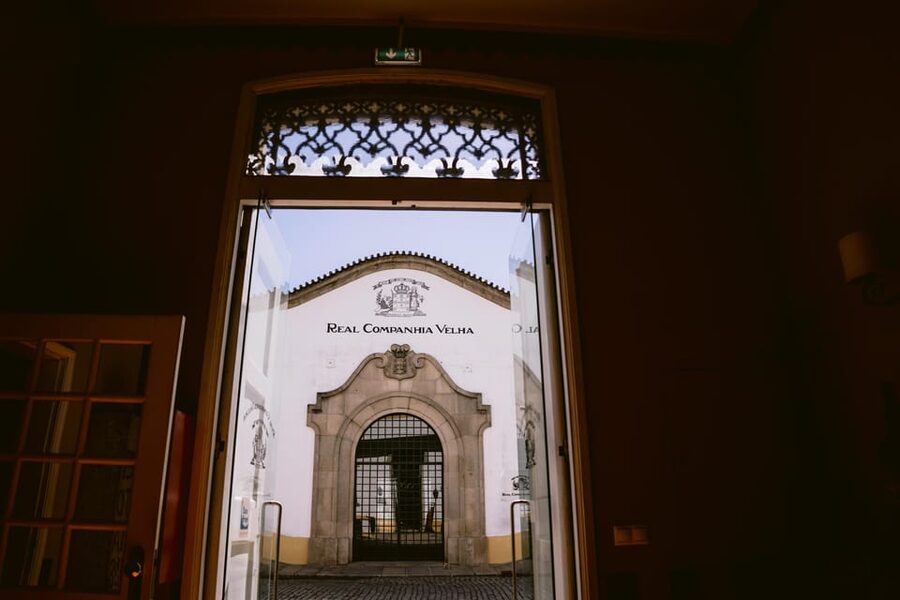
The meeting point is the security gate at the stated address. Keep your booking details handy and arrive with enough time to identify the entrance. The supplied information does not include a hotel pickup or transport service, so you should plan to make your own way to Gaia.
The cellar’s position across the river from Porto gives you a natural reason to pair the tour with time in Gaia. You can visit the cellar as a focused Port stop rather than trying to squeeze it into a rushed circuit of several companies.
The area is also practical for comparing different Port experiences, but do not assume you can run from one tasting to the next. Tastings add up quickly, and a one-hour visit still needs time for the walk there and away.
Is $70 a fair price for one hour?
At $70 per person, this is not the cheapest way to taste Port in Gaia. The value depends on what you want from the visit.
If you only want a glass of Port and a brief explanation, the price may feel high. You are paying for more than the four pours: the company history, the cellar access, the private family collection, the old bottles, and a guided comparison of wines aged 10, 30, and 40 years.
The price makes more sense if you care about older Tawny Ports. A tasting built around three age points gives you a clear comparison that is harder to create by ordering random glasses. The inclusion of the 16,000-bottle family cellar also makes this different from a standard retail tasting room.
Small groups improve the value. Recent visits have included groups of just four people, and another booking created a private tour with one other couple. Group size can vary, but the format may allow more direct questions than a large presentation.
I would consider the experience good value for a Port enthusiast, a wine-curious visitor, or anyone who wants historical context with the tasting. For a casual drinker with limited time or a strict budget, a less expensive tasting may be enough.
Who should book this Port cellar visit?
I would choose this tour if you want to understand why Port tastes different at different ages. The 10, 30, and 40-year Tawny comparison gives you a clear reason to pay attention, and the White Port adds another style to the flight.
It also suits visitors who prefer a quieter, more traditional setting. The cellar is dark and still, with old wood and stored bottles rather than a large modern attraction. That atmosphere will appeal to some people and feel too subdued to others.
History-minded wine drinkers will get the most from the 1756 founding date and the private collection. You do not need prior Port knowledge, though. The guide explains the production process and aging stages as you go.
Families with young children may find the one-hour length manageable, but the experience is built around wine, cellar interpretation, and tasting. The tour will suit adults much better than anyone looking for a broad sightseeing activity.
You can book in English, French, Portuguese, or Spanish. The reserve-now-and-pay-later option keeps your plans flexible, and free cancellation is available up to 24 hours before the start time.
Final call: a strong choice for Port comparison
I would book Real Companhia Velha if you want more than a quick sip and a photo outside a famous cellar. The private family collection, the 1765 bottle, and the four-wine tasting give the visit real substance.
Go in knowing that the tour is compact. The guided portion may feel brief, especially if you want a long technical lesson, and the cellar’s quiet darkness will not suit everyone. But if you arrive ready to listen, compare, and ask questions, the hour is well used.
The best reason to choose it is the tasting structure: White Port, then 10, 30, and 40-year Tawny. That progression gives you something concrete to remember when you order Port later in your trip.
FAQ
Where does the Real Companhia Velha cellar tour take place?
The tour takes place at Real Companhia Velha in Vila Nova de Gaia, in Portugal’s Norte Region, across the River Douro from Porto.
How long does the tour last?
The stated duration is one hour. The visit includes the guided cellar tour and the Port tasting.
What wines are included in the tasting?
The tasting includes one White Port and three Carvalhas Tawny Ports aged 10, 30, and 40 years.
Can I see old Port bottles?
Yes. You can visit the Silva Reis family’s private wine cellar, which contains more than 16,000 bottles of rare Vintage Ports. The oldest mentioned dates to 1765.
What will I see in the cellar?
You will see Port aging in wooden casks, vats, and barrels, along with the private family bottle collection.
Which languages are available?
The live guide is available in English, French, Portuguese, and Spanish.
Where is the meeting point?
The meeting point is at the security gate of the Real Companhia Velha address.
Is the tour close to the other Gaia Port cellars?
One recent visit described the cellar as about a 15-minute walk from some of the other Port houses. The exact walking time depends on your starting point.
Can I cancel the booking?
You can cancel up to 24 hours in advance for a full refund.
Do I have to pay when I book?
The reserve-now-and-pay-later option lets you hold a place without paying immediately.
Newest Porto reviews on the site
- Douro Valley Premium Tours – Private Driver & Guide★ 5.0 · 93 reviews
- Douro Valley Delights Wine Tasting and Scenic Vistas★ 5.0 · 3 reviews
- Douro valley Majestic★ 5.0 · 12 reviews
- Private off the beaten Douro Valley Wine Tour★ 5.0 · 100 reviews
- Tour the Douro wine region, and discover the fantastic landscape★ 4.5 · 4 reviews
- Douro Valley Private Full–Day Tour from Porto★ 5.0 · 23 reviews
- Private Tour to stunning Douro Valley and most renowned wineries★ 5.0 · 39 reviews
- Douro Tour on a Private Yacht in Porto★ 4.5 · 10 reviews
Porto Port Wine Cellar Tours, compared.

Bridges Cruise with Wine Cellar Tour or Sunset Option
Read our review →

Port Wine Lodges Tour Including 7 Port Wine Tastings (English)
Read our review →
Graham’s Port Lodge Tour with Premium Wine Tastings
Read our review →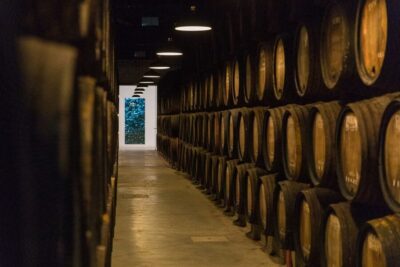
Guided Tour and Tasting of 3 Port Wines at Poças
Read our review →Browse the lists this tour appears in