
Reviewed · PORTO WALKING TOURS
Discover Porto’s Historical Roots Walking Tour
Porto’s past takes a surprising turn on this walk. Alongside the cathedral, Ribeira, and Clérigos, you’ll trace the places tied to the city’s once-thriving Jewish community, including the old Jewish quarter, the 1496 expulsion order, and the later recovery of Jewish life led by Captain Barros Basto. I like that the tour connects grand monuments with toponymic and archaeological traces that are easy to miss on your own.
I also like the small size, limited to 10 people, and the chance to ask questions directly. Guides such as Carlotta have earned praise for answering nearly every question and making the walk feel personal. The main drawback is practical: this is a three-hour walk over Porto’s uneven, hilly streets, and it is not suitable for wheelchair users or people with mobility impairments.
Key points to know before you book
- Jewish Porto is the main subject: Learn about the Israeli community, old Jewish quarters, Sephardic traditions, the Inquisition, and the persecution of new Christians.
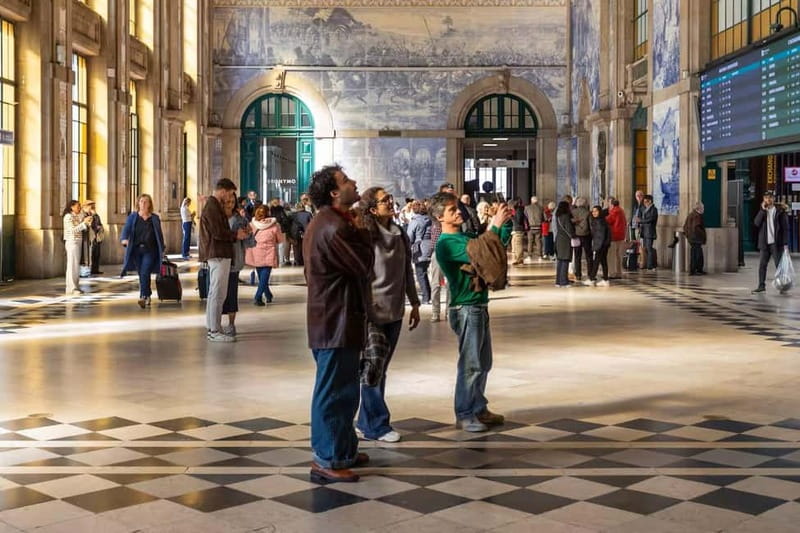
- Major landmarks frame the story: The route includes Porto Cathedral, Ribeira Square, Vitória, Clérigos Church, and São Bento station.
- A small group keeps it personal: The tour accepts no more than 10 participants, and some departures may be much smaller.
- Carlotta may lead your walk: She is praised for her command of Porto’s past and her ability to handle detailed questions.
- Plan for real walking: Wear comfortable shoes and clothes, and prepare for rain or shine.
Porto’s Jewish past gives this walk its focus
Many Porto walking tours concentrate on churches, viewpoints, and grand façades. This one uses those familiar places as markers in a more specific story: how Jewish life shaped the city, how persecution forced traditions into hiding, and how that past was later brought into public view again.
You’ll learn about the places where the Jewish community once lived and look for surviving street names and archaeological clues. These traces may be modest, but that is part of the point. Porto does not present this history in one neat monument. You need a guide to connect the clues.
The walk also covers the Inquisition and the persecution of the new Christians, a term used for people of Jewish background who converted to Christianity. You’ll hear how Jewish customs were covered up for centuries, then learn about the cultural and religious recovery associated with Captain Barros Basto, known here as the Portuguese Dreyfus.
That subject gives the experience more weight than a standard city orientation walk. You still get useful first-day advice and an overview of central Porto, but you also leave with a better sense of what was lost, concealed, and recovered.
More walking tours in Porto:
- Porto Walking Tour, Lello Bookshop, River Cruise and Cable Car
★ 5.0 · 3,354 reviews - Experience Porto’s Charm: 3-Hour Guided Walking Tour
★ 5.0 · 2,432 reviews - Porto: 3-Hour Guided City Highlights Walking Tour
★ 4.8 · 2,050 reviews
Starting at the Statue of Vímara Peres
The tour begins at the Statue of Vímara Peres. This gives your guide a fixed meeting point and places you near the upper part of Porto’s historic center.
From here, the walk moves into the older core of the city. You should arrive ready to walk rather than expecting a seated introduction. The experience lasts three hours, and the route links several districts and landmarks on foot.
I would choose this tour early in a Porto stay. The city center can feel confusing at first, with steep streets, layered neighborhoods, and attractions that do not always explain how they fit together. A local guide can help you get your bearings fast and point out places worth revisiting later.
Since the group is capped at 10 people, you should have a better chance of hearing the guide than on a large coach-style city tour. If only a few people book, the walk may feel close to a private outing, as happened on one particularly small departure.
Porto Cathedral and the traces left behind
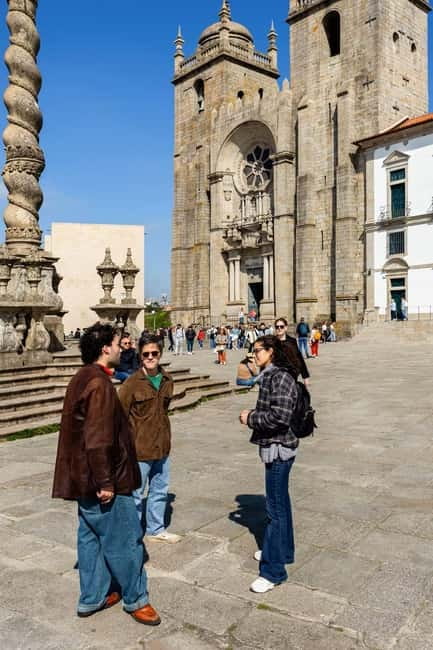
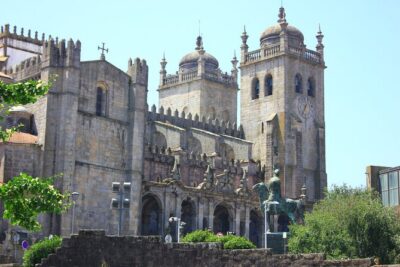
The next stop is Porto Cathedral, with about 10 minutes of guided discussion. The cathedral gives the group one of the city’s most recognizable landmarks, but the Jewish story keeps the stop from becoming only an architectural pause.
Here, your guide can place Porto’s religious and civic past beside the history of the Jewish community. The tour information specifically points to toponymic and archaeological traces, so pay attention to explanations about names, locations, and surviving evidence rather than looking only at the building in front of you.
A 10-minute stop will not provide a full cathedral visit. Think of it as a focused explanation within a longer route. If you want extensive time inside the cathedral, you’ll need to return on your own.
This is also a good point to judge the pace. The tour covers several central areas, so the guide has to balance history with movement. You’ll get a clear thread linking the places, but not a long lecture at every stop.
Ribeira Square and the city’s public face
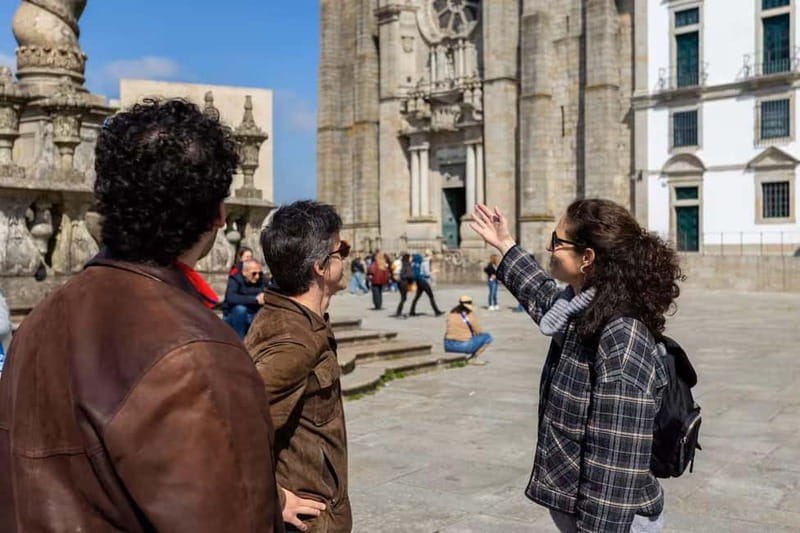
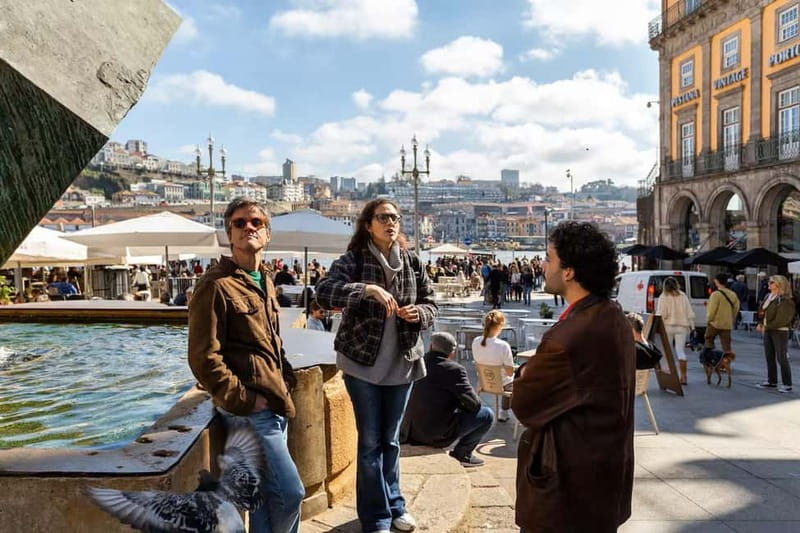
Ribeira Square is next, again with roughly 10 minutes of guided time. It is one of Porto’s best-known central spaces and helps show how the city’s public life connects with its older neighborhoods.
The value here is the contrast between what you see and what you learn. Ribeira is an obvious place to photograph, but the tour asks you to consider who lived and worked in the surrounding area and how religious identity shaped daily life.
You’ll also get a sense of how Porto’s central districts fit together. That matters because the tour is not a museum visit with one enclosed exhibit. Its evidence is spread across streets, squares, and buildings. The guide’s explanation turns the route itself into the subject.
Crowds and street activity may affect how easily you hear. The group limit helps, but you should still stay close to the guide, especially in busy public spaces.
More historic Porto tours:
- Douro Valley: Historical Sites, Wine Experience, Lunch & Cruise
★ 5.0 · 5,133 reviews - Porto: Historic City Center Walking Tour
★ 4.7 · 1,172 reviews - Porto: An Intimate Fado Show in a Historical Tavern
★ 4.8 · 1,093 reviews - Porto: Historical Center Walking Tour
★ 4.8 · 898 reviews
Vitória connects viewpoints with overlooked history
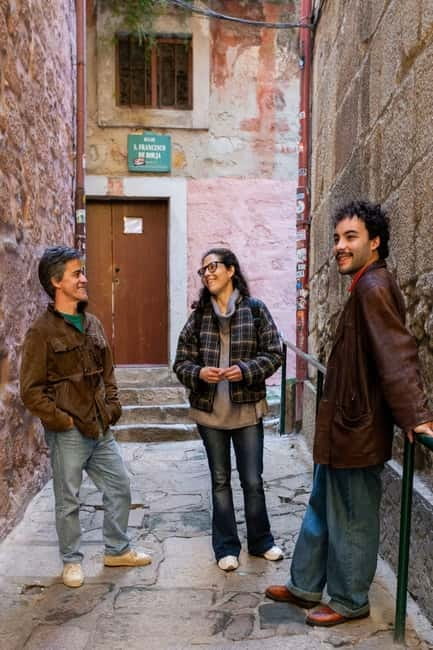
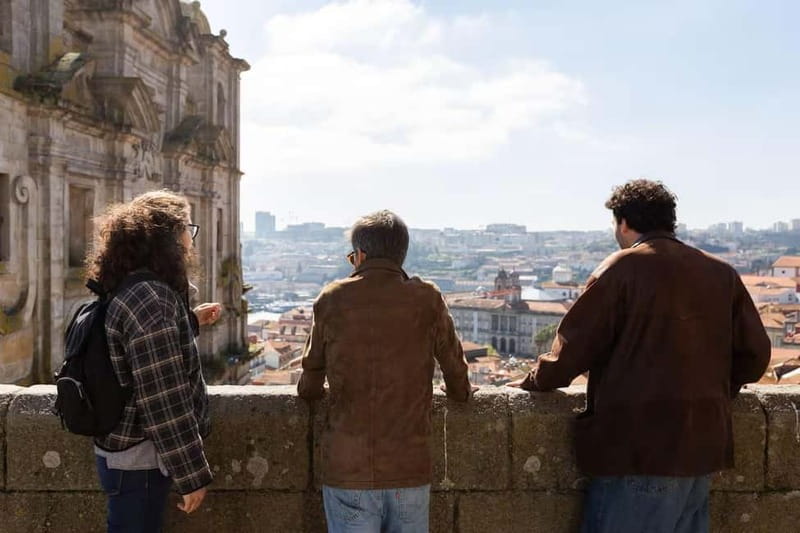
The route continues through Vitória, Porto, with another 10-minute guided stop. This part of the walk adds a neighborhood setting to the itinerary, rather than keeping you only at Porto’s headline monuments.
The tour’s central theme becomes especially useful here. You are looking for signs that survived in place names and archaeological remains, along with the story of a community whose traditions were suppressed or concealed. Vitória gives the guide room to explain that history in relation to the streets around you.
I like this kind of stop because it rewards attention. You may not find a large sign announcing every detail. Instead, you’ll need to listen for the connection between the district, the former Jewish quarter, and the changes brought by persecution and expulsion.
The route is not suited to anyone who needs step-free access or has difficulty walking for several hours. The activity specifically excludes wheelchair users and people with mobility impairments. Comfortable shoes are essential, and rain gear matters because the tour runs in all weather.
Clérigos Church brings Porto’s landmark view into the story
Clérigos Church is one of the tour’s major visual anchors. The stop lasts about 10 minutes and gives you time to place Porto’s famous central tower and church within the larger walk.
You will see the monument and learn about the surrounding area, but the schedule does not indicate a tower climb or a separate interior visit. Do not book this expecting a ticketed climb or a long church tour. The attraction here is the guide’s interpretation and the way the stop fits the Jewish heritage route.
This is where the tour works well for people who want both a city overview and a focused subject. You are not being taken away from Porto’s main sights. Instead, you are seeing them through a less familiar historical question.
If you want photographs, keep your camera ready, but do not let the landmarks distract you from the guide. The Jewish story is the reason to choose this experience, while Clérigos is one part of the setting.
The Sephardic legacy and Kadoorie Mekor Haim Synagogue
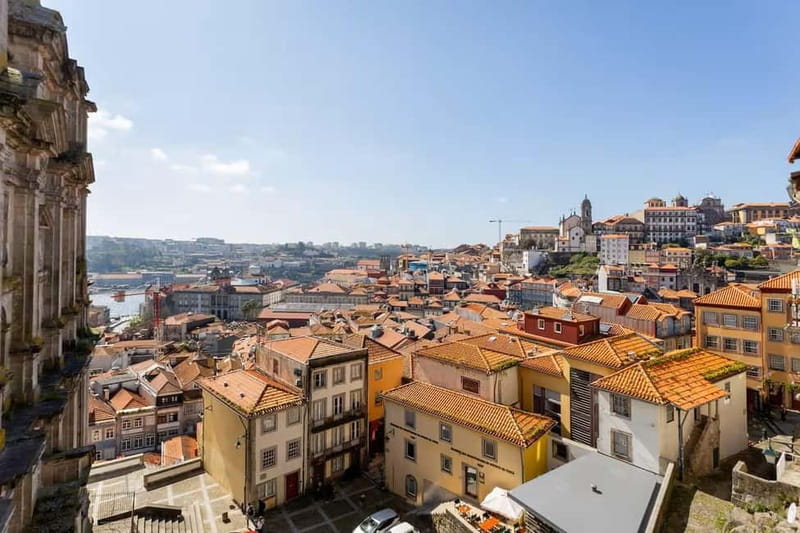
A major part of the walk concerns Porto’s Sephardic legacy. You’ll learn about the community’s traditions, the 1496 order issued by the king to expel Jews, and the pressure placed on those who became new Christians.
The route also introduces the Kadoorie Mekor Haim Synagogue and the modern Israeli community. The supplied details do not promise entry into the synagogue, so I would treat this as an explanation of its place in Porto’s Jewish story rather than an inside visit.
That distinction matters. If you are Jewish or have Sephardic ancestry, the subject may have a personal dimension. If you have no family connection, the walk still gives you a clear way to understand how law, religion, and public memory affected one city.
The guide also discusses Captain Barros Basto, called the Portuguese Dreyfus, and the cultural and religious rescue associated with him. This later chapter keeps the walk from ending with persecution alone. You’ll learn about an effort to bring Jewish identity and practice back into public life.
Finishing near São Bento station
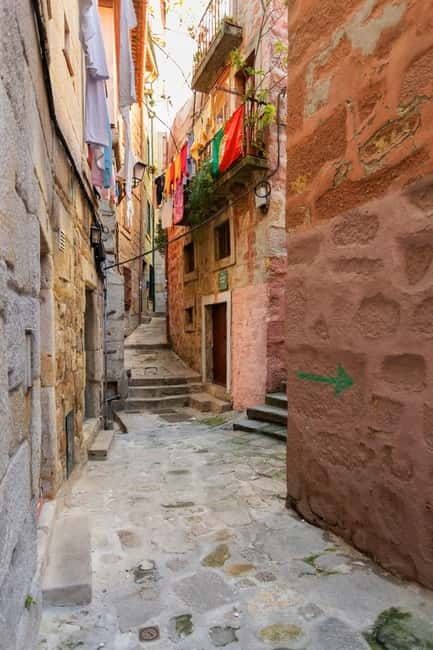
The tour ends at São Bento station. This is a useful finish because the station is a central transport point and a practical place to continue exploring Porto.
The itinerary allows about 10 minutes of guided attention at each listed stop, but the full three hours also includes the walking between them. The exact balance may vary with the group, questions, and pace. A small group gives the guide room to answer questions, which is one of the strongest reasons to choose this format.
Finishing near São Bento also makes the tour easy to pair with another city activity. You might continue toward nearby attractions, return to a favorite area, or use the station as a reference point for your next outing. The tour guide can also offer local tips for getting around the center.
Coffee is included. It is a small extra, but after three hours on Porto’s streets, a coffee break is a welcome touch. The details do not specify exactly when or where it is served, so think of it as a modest inclusion rather than a full refreshment stop.
What the guide adds to the experience
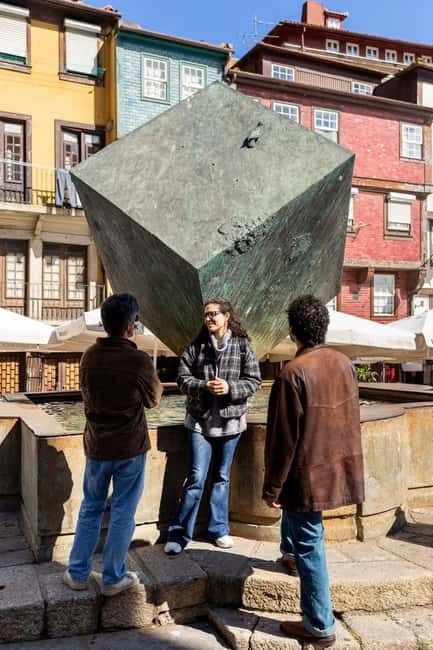
The subject is specific enough that the guide matters a great deal. You are not simply following a route between famous buildings. You are being asked to notice traces, understand changing names, and connect events that unfolded over centuries.
Carlotta is one guide associated with this experience, and the strongest praise focuses on her command of the subject and her ability to answer questions. That is important here because the tour covers terms and events that may not be familiar to everyone, including Sephardic legacy, new Christians, the Inquisition, and Barros Basto.
A good guide also keeps the walk from becoming too solemn. Porto’s streets, squares, and major monuments provide visual variety, while the historical subject gives the route a clear purpose.
Because the tour is in English, you should be comfortable following a detailed explanation in that language. The group size is limited to 10, so you can ask for clarification without having to speak over a crowd.
Is $28 a fair price for three hours?
At $28 per person, this is a reasonable price for a three-hour guided walk in central Porto, especially with a small group and coffee included. The value depends less on the number of monuments and more on how much context your guide provides.
You can see Porto Cathedral, Ribeira Square, Clérigos Church, and São Bento without booking a tour. What you cannot easily do on your own is connect those places to the city’s Jewish neighborhoods, suppressed traditions, the 1496 expulsion order, and Barros Basto’s later work.
The price is easiest to justify if you care about Jewish history, Sephardic ancestry, religion, or local social history. It is also worthwhile if you want a Porto orientation with a clear subject rather than a general list of sights.
It may feel less useful if you mainly want extended time inside each monument, a tower climb, or a broad survey of every period in Porto’s past. The route gives short guided stops and spends much of its time walking between them.
You can cancel up to 24 hours before the start for a full refund, and the reserve-now, pay-later option gives you some flexibility. Starting times vary, so check availability before planning the rest of your day.
Who should book this Porto walk?
I would recommend it to anyone with a strong interest in Jewish history or Sephardic culture. It is also a good fit if you enjoy walking tours that use ordinary streets and place names as evidence rather than relying only on grand buildings.
The tour suits solo visitors and couples who want an intimate group. Families with older children may appreciate the clear historical theme, but the three-hour walk and uneven streets could be tiring for younger children.
You should skip it if walking is difficult, if you need wheelchair access, or if you want a relaxed sightseeing trip with lots of time for photographs. The walk takes place rain or shine, so check the forecast and dress for the conditions.
Bring comfortable shoes and comfortable clothing. You do not need special equipment, but you do need enough energy for three hours on foot.
Should you book Discover Porto’s Historical Roots?
Book this tour if you want Porto to make sense beyond its postcard views. The strongest feature is the focus on a Jewish community whose presence is now easier to miss, along with the history of persecution, concealed traditions, and later recovery.
I especially like the combination of a small group, a local English-speaking guide, and stops at major Porto landmarks. At $28, it offers solid value for a focused three-hour walk, provided you understand that the emphasis is on interpretation rather than extended monument visits.
Choose it early in your stay if you want local orientation and historical context. Choose it later if you already know the city and want a more specialized subject. Either way, wear good shoes and arrive ready to pay attention to the details between the famous sights.
FAQ
How long does the walking tour last?
The tour lasts three hours. Starting times vary, so you need to check availability for the date you want.
What language is the tour offered in?
The live tour guide speaks English.
How many people are in each group?
The group is limited to 10 participants. Some departures may be much smaller.
Where does the tour start?
The meeting point is the Statue of Vímara Peres.
Where does the tour finish?
The tour ends at São Bento station.
Which Porto landmarks are included?
The route includes Porto Cathedral, Ribeira Square, Vitória, and Clérigos Church, with the walk finishing at São Bento station.
Is the tour suitable for wheelchair users?
No. The activity is not suitable for wheelchair users or people with mobility impairments. It takes place outdoors in all weather, so you should also bring comfortable shoes and dress for rain if needed.
Newest Porto reviews on the site
- Douro Valley Premium Tours – Private Driver & Guide★ 5.0 · 93 reviews
- Douro Valley Delights Wine Tasting and Scenic Vistas★ 5.0 · 3 reviews
- Douro valley Majestic★ 5.0 · 12 reviews
- Private off the beaten Douro Valley Wine Tour★ 5.0 · 100 reviews
- Tour the Douro wine region, and discover the fantastic landscape★ 4.5 · 4 reviews
- Douro Valley Private Full–Day Tour from Porto★ 5.0 · 23 reviews
- Private Tour to stunning Douro Valley and most renowned wineries★ 5.0 · 39 reviews
- Douro Tour on a Private Yacht in Porto★ 4.5 · 10 reviews
Porto Walking Tours, compared.
Porto Walking Tour, Lello Bookshop, River Cruise and Cable Car
Read our review →
Experience Porto’s Charm: 3-Hour Guided Walking Tour
Read our review →
Walking Tour, Lello Bookshop, Boat and Cable Car
Read our review →Browse the lists this tour appears in