Reviewed · FULL-DAY
Customizable Full Day Porto Tour: Choose Your Perfect Experience
Porto packs a lot into one day, and this private tour gives you a practical way to connect the old city, Vila Nova de Gaia, the Douro bridges, and the Atlantic coast without sorting out several taxis or transit routes. You can shape the day around churches, architecture, food, wine, or views, with guides such as Delfina and Carlos available for personalized service.
I especially like the choice between lunch in Afurada, a traditional fishing village, and Matosinhos, Porto’s seafood center. I also like the private format, which matters if you are arriving by cruise ship or have already seen the usual sights. The main caution is that many top attractions cost extra, so the $207 price is a starting point rather than the final bill.
Key points to know before booking
- Private Mercedes-style transport: Your group travels in a comfortable executive vehicle with Wi-Fi, bottled water, refreshments, and room for itinerary changes.
- Porto in one broad sweep: The route can cover the historic center, Gaia viewpoints, river bridges, coastal forts, Matosinhos, and modern Porto.
- Lunch with a local choice: Spend about 90 minutes in Afurada for grilled fish by the Douro or Matosinhos for a wider seafood selection.
- Major entry fees are extra: Livraria Lello, Clérigos Tower, Palácio da Bolsa, São Francisco Church, and the Port cellar visit are not included.
- Useful for cruise arrivals: Pickup and drop-off can be arranged around the port, an advantage if your return time is firm.
- Optional evening add-ons: A private sunset cruise, Port tasting, Fado show, or dinner with music can extend the day.
A private way to connect Porto’s many faces
This is not a simple walking tour of Porto’s old center. It is a 10-hour private outing by vehicle, designed to link places that sit well apart: Bolhão Market and São Bento Station in the center, the Douro-side monuments, Gaia’s hills, and the Atlantic forts beyond Foz.
That range is the tour’s main strength. You can see the city’s tiled churches in the morning, eat seafood near the water, and finish among ocean views and modern architecture. You also have more control than you would on a fixed group tour. If you have already visited the Clérigos area, your guide can spend more time outside the center. One returning visitor specifically appreciated that Delfina avoided places already seen and created a different day in Porto.
The private vehicle also helps with steep hills and long distances. Porto’s center is best explored on foot, but the full route would be tiring without transport. Your driver and regional interpreter guide handle the driving while you focus on the city.
More full-day trips in Porto:
- From Porto: Braga and Guimarães Full-Day Trip
★ 4.6 · 3,951 reviews - Small Group Geres National Park Full Day with picnic from Porto
★ 5.0 · 846 reviews - Porto: Douro Valley Full-Day Boat, Train, and Lunch Tour
★ 4.7 · 787 reviews
From Avenida dos Aliados to Bolhão Market
The day may begin around Praça da Liberdade and Avenida dos Aliados, Porto’s grand civic axis. The broad avenue leads toward City Hall and is lined with formal buildings from several periods. It is a useful place to get your bearings before moving into the tighter streets of the old center.
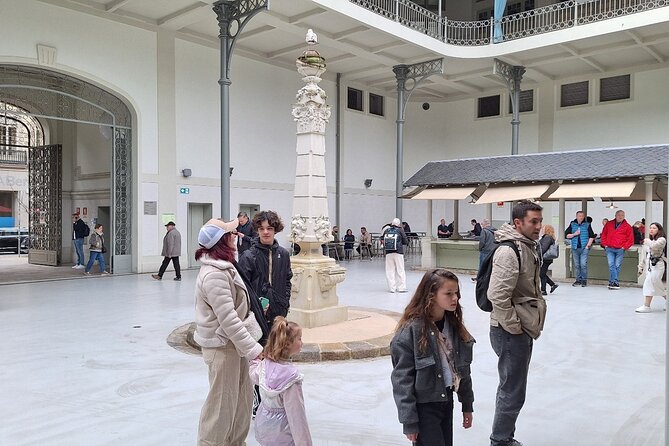
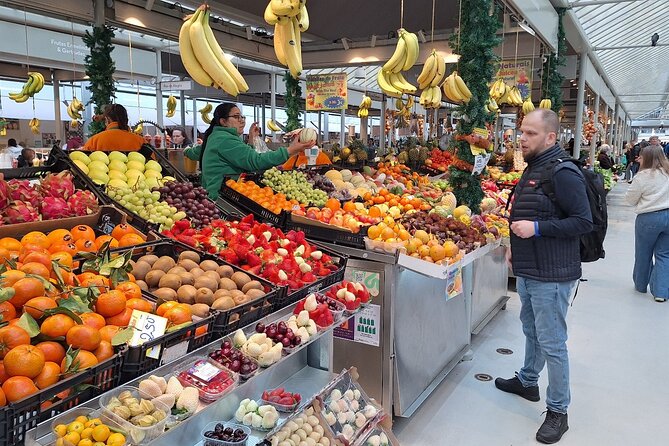
At Mercado do Bolhão, you have about 20 minutes to see one of Porto’s traditional food markets. The market dates to 1850 and is arranged around sections for fish, meat, produce, and flowers. It is not a long food tour, so you should treat this stop as a quick look at local shopping life rather than a full meal.
The short time is both useful and limiting. You get a taste of the market without losing half the morning, but anyone who enjoys food stalls and conversations with vendors may want to ask for extra time here. Since the market is free to enter, it is an easy stop to keep even if you are watching your budget.
Nearby Praça da Batalha brings you into Porto’s older urban story. The square is linked to an early medieval defeat by the forces of Almançor and later became a major public space. Teatro São João, one of the city’s important performance venues, is here, though the tour is primarily an exterior sightseeing stop.
Porto’s walls, cathedral, and blue-and-white tiles
The remaining sections of the Muralhas de D. Fernando offer a quick look at Porto’s medieval defenses. The walls were built between 1368 and 1437 after older fortifications became too small for the expanding city. Only parts remain, so this stop works best when your guide explains how the walls once shaped the city.
I would give special attention to Igreja de Santa Clara. Its exterior is easy to miss, but the interior is known for gilded woodcarving and azulejos, the painted ceramic tiles that appear throughout northern Portugal. Church visits are short on this tour, so ask your guide whether the interior is open at that moment.
Porto Cathedral usually receives about 15 minutes. Its Romanesque core dates to the 12th and 13th centuries, while later chapels and additions show how the building changed over time. The Gothic cloister and São João Evangelista Chapel are important highlights, but admission is not included.
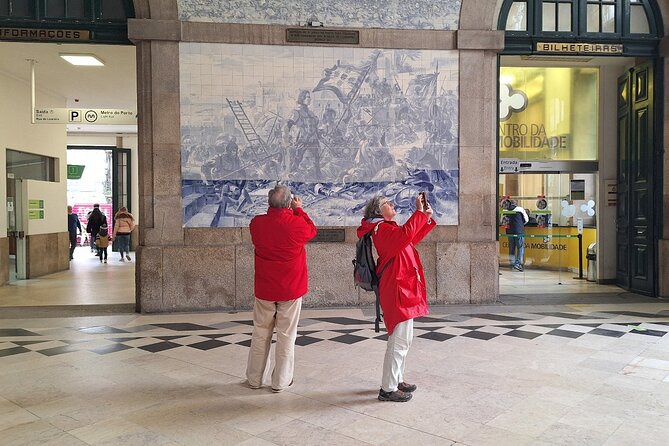
São Bento Railway Station is one of the easiest stops to recommend to almost anyone. You do not need a train ticket to enter the grand vestibule, where about 20,000 hand-painted tiles by Jorge Colaço depict Portuguese history, rural life, and transport. The visit is brief, yet the tiles make it one of the most rewarding free stops on the route.
Cafés, churches, and Porto’s famous paid sights
Café Majestic brings a change of mood. Opened in 1921, it preserves the ornate Belle Époque style of Rua Santa Catarina, with marble, mirrors, and detailed woodwork. You can pause for coffee or a pastry, but purchases are your responsibility and the visit is listed as a short stop.
The nearby Palladium clock, with its carillon and four statues, adds another small detail to the walk. Teatro Rivoli and the University of Porto’s historic rectory broaden the view beyond churches and monuments. They show Porto as a living university and cultural city, not just an old center.
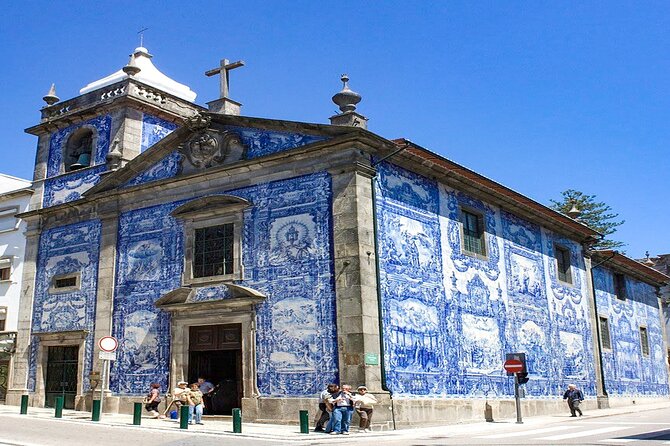
Igreja do Carmo is one of Porto’s most recognizable tile-covered churches. Across the street, Igreja das Carmelitas creates the famous pair, separated by the narrow Casa Escondida, or Hidden House. You may spend about 10 minutes here, enough to see the exterior and the unusual little building squeezed between the churches.
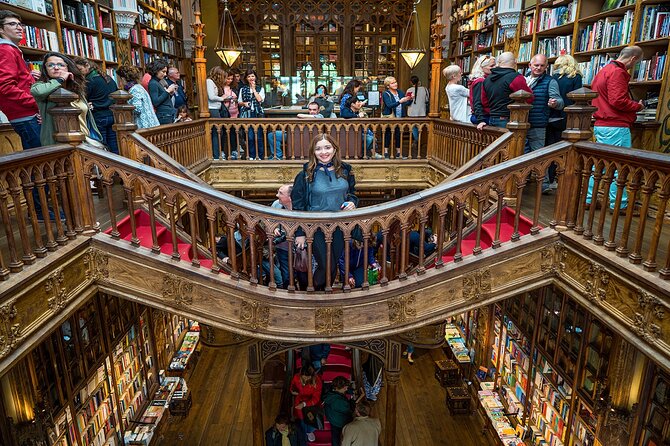
Several headline sights require a budget decision. Clérigos Tower has 240 steps leading to a 75-meter bell tower and wide city views, but the ticket is extra. Livraria Lello also costs extra, and its striking staircase and stained-glass ceiling draw many people. A priority ticket is listed at €16 per person, while a skip-the-line Clérigos ticket is listed at €10.
Those add-ons can make sense if you have limited time. They can also change the rhythm of the day, since fixed entry times may leave less room for the coastal portion. Tell the operator before booking which paid stops matter most to you.
Same city, a completely different kind of day out:
- The Unvanquished Tour in Porto City Center
★ 5.0 · 26,497 reviews - From Porto: Douro Valley w/ Boat Tour, Wine Tasting & Lunch
★ 4.7 · 19,061 reviews - Complete Douro Valley Wine Tour with Lunch, Wine Tastings and River Cruise
★ 5.0 · 12,920 reviews - Porto: Six Bridges Cruise
★ 4.2 · 11,680 reviews
Art, gardens, and Porto’s tram story
Museu Soares dos Reis is Portugal’s first public art museum. It occupies Palácio dos Carrancas and holds ceramics, sculpture, paintings, furniture, jewelry, textiles, and other objects. The tour includes the museum area in the wider route, but the schedule does not promise a long interior visit. If art is your main interest, ask for more time here and accept that another stop may need to go.
The Romantic Gardens of Palácio de Cristal are better suited to a short pause outdoors. The eight-hectare gardens include tree-lined paths, the Jardim Émille David, and viewpoints over the Douro. You can use this stop to slow down after the city’s busy streets.
At the Tram Museum, housed in the old Massarelos power station, you can see historic electric trams and older transport equipment. One unusual exhibit is a horse-drawn American trolleybus introduced in Porto in 1872. Admission is free, making this a good value stop for anyone interested in engineering or city transport.
The route also includes Casa da Música, Rem Koolhaas’s bold concert hall opened in 2005. It is a sharp contrast to Porto’s Baroque churches and tiled facades. Praça de Mouzinho de Albuquerque, known as Boavista Square, adds the 45-meter monument to the Heroes of the Peninsular War, depicting Portuguese and British forces against Napoleon’s army.
São Francisco, Bolsa, and the Douro crossing
São Francisco Church is among the most dramatic interiors in Porto. The Gothic church was later covered with elaborate gilded woodwork from the 17th and 18th centuries. The Chapel of the Tree of Jesse, catacombs, and museum add detail, but entry is extra, listed at €10 per person.
Nearby Igreja de São Nicolau is smaller and quieter, with a late 17th-century design and a notable St. Eligius retable. It is a useful contrast with São Francisco, especially if you enjoy seeing how Porto’s religious buildings differ in scale and decoration.
Palácio da Bolsa is another paid interior worth considering. Built from 1842 for Porto’s Commercial Association, it includes the Hall of Nations and the Arab Room, inspired by Moorish palaces. Guided visits are available in Portuguese, English, Spanish, and French, with the tour add-on listed at €14.
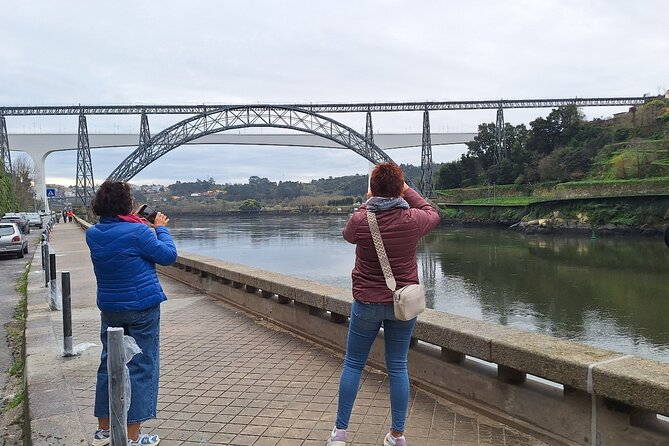
The route then shifts toward the Douro and Gaia. You may see the D. Luís I Bridge, Ponte do Infante, and the historic D. Maria Pia Bridge, designed by Gustave Eiffel with Théophile Seyrig. The bridges are not just photo stops. Together they show changing methods of railway, road, and urban bridge construction.
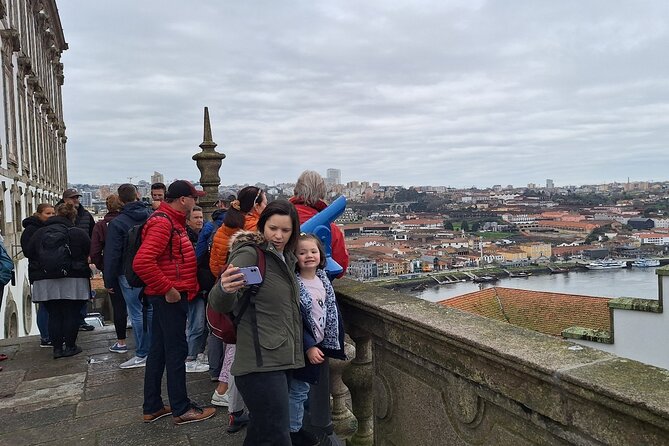
Jardim do Morro gives you a broad view over Porto and the river. The nearby Monastery of Serra do Pilar has a rare circular church and cloister, along with a military past tied to the Peninsular War. Entry to the monastery is extra, but the hilltop setting alone makes this part of the route worthwhile.
Lunch in Afurada or Matosinhos
The 90-minute lunch break is not included in the price, and you choose between two very different settings.
Afurada is a fishing village at the mouth of the Douro. Pick it if you want grilled sardines, simple seafood, marina views, and a slower local feel. The stop is especially appealing after the city-center monuments because it gives you a view of Porto’s working coastal traditions.
Matosinhos is a larger seafood center with more restaurants and a busier, more modern feel. You may find dishes such as octopus in olive oil, clams, lobster, and other fresh seafood. Pick Matosinhos if food choice matters more than village atmosphere.
Do not expect lunch to be a quick included break. You pay for your own meal, and seafood prices can vary. The choice is one of the tour’s better customization features, so tell the operator what kind of setting you prefer.
Atlantic forts, beaches, and modern Porto
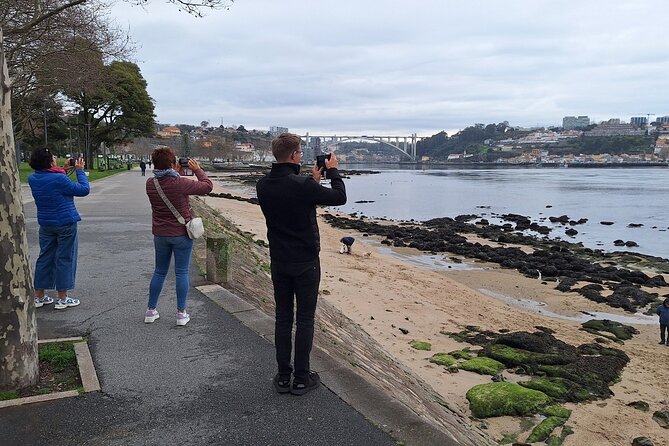
After lunch, the coastal route may include the Arrábida Bridge, once the world’s longest reinforced concrete arch bridge, and the Fortress of São João Baptista near the Douro entrance. Castelo do Queijo, or the Cheese Castle, is a 16th-century coastal fort with views toward the Atlantic.
These stops are valuable on a clear day, but weather matters. The experience requires good weather, and the open coastal portions are less rewarding in rain or strong wind. The itinerary also includes the Porto Cruise Terminal in Matosinhos, with its long pier, ocean views, museum gallery, aquarium, and amphitheater.
Casa de Serralves offers another modern contrast. The 1930s Art Deco house sits within an 18-hectare park and forms part of a cultural complex with contemporary art exhibitions. The schedule does not guarantee time for a full museum or park visit, so treat this as a possible outside view unless you arrange otherwise.
Port wine and evening add-ons
Port wine is not automatically part of the $207 tour. The optional Dona Antónia cellar visit costs about €32 to €41 and lasts 90 minutes, ending with a tasting of five Port wines. It focuses on Dona Antónia Adelaide Ferreira, a major figure in the Douro wine trade.
If wine is central to your Porto visit, I would add this before adding every other paid sight. It gives context to the cellars across the river and turns a quick viewpoint over Gaia into a more complete experience.
You can also add a private two-hour sunset cruise on the Douro for €360 to €460. The boat trip is designed around the six bridges, Porto and Gaia at golden hour, and the riverfront districts. It extends the tour by about an hour according to the extra options, so confirm the exact schedule before paying.
A Fado show with Port wine costs about €20 to €26 and lasts one hour. A dinner with Fado, folklore, and transfers costs about €80 to €90, depending on the quoted option, and runs for roughly two and a half to three hours. These extras are best for people who want the day to become an evening program, not for anyone seeking a short, low-cost sightseeing day.
What the $207 price really buys
At $207 per person, this tour is not cheap if you are traveling alone or as a couple and plan to visit only free sights. The value improves for a family or small group that would otherwise need several taxis, private transfers, and separate guides.
You are paying for a private vehicle, a certified tourism driver, a regional interpreter guide, bottled water, refreshments, Wi-Fi, insurance, pickup, and itinerary flexibility. Attraction tickets, lunch, gratuities, and optional activities remain separate, so count those costs before booking.
The private format is particularly useful for cruise passengers. One pickup brought a group directly from the port, with a return timed before the ship’s limit. That kind of schedule control is difficult to arrange with public transport and removes a real source of stress.
Free cancellation is available until 24 hours before the start time. Changes or cancellations inside that window are not accepted for a refund, and poor weather may lead to a new date or full refund.
Who should book this Porto day
I would recommend this tour to first-time visitors who want Porto’s main sights plus the coast, families who value door-to-door transport, and cruise passengers with one firm day in port. It also suits returning visitors because the guide can adjust the route instead of repeating every standard stop.
The tour is less suitable if you want long museum visits, slow meals, or several hours on foot in one neighborhood. The schedule covers a lot, and many stops last only 5 to 15 minutes. You should also be ready to pay extra for the interiors that matter most to you.
Should you book it?
Book this experience if your ideal Porto day includes a private car, major landmarks, bridge views, seafood by the coast, and the freedom to change priorities. Ask for Delfina or Carlos if available, especially if you need careful cruise timing or want a route built around places you have not seen.
Before confirming, choose your paid entries. A smart plan might be São Bento, São Francisco, Clérigos Tower, and the Port cellar, with the rest viewed from outside. If you prefer a broad introduction rather than a slow museum day, this is a strong use of 10 hours.
FAQ
How long does the Porto private tour last?
The tour lasts approximately 10 hours.
Is hotel or port pickup available?
Pickup is offered, and the experience can work for cruise passengers. The information provided also describes port pickup and return arrangements.
Is this a private tour?
Yes. Only your group participates.
What is included in the tour price?
The price includes a certified tourism driver and official regional interpreter guide, transport in a luxury vehicle, Wi-Fi, bottled water, refreshments, personal accident insurance, and liability insurance.
Is lunch included?
No. Lunch is not included. You choose between Afurada and Matosinhos and pay for your own meal.
Are attraction entrance fees included?
No. Guided visits and entry fees are not included. Extra charges apply for places such as Livraria Lello, Clérigos Tower, Palácio da Bolsa, São Francisco Church, and the Port wine cellar.
Can I add a Port wine tasting?
Yes. The optional Dona Antónia Port cellar experience lasts about 90 minutes, includes five Port wines, and costs approximately €32 to €41 per person.
What is the cancellation policy?
You can cancel up to 24 hours before the start time for a full refund. Cancellations or changes made less than 24 hours in advance are not accepted for a refund.
Newest Porto reviews on the site
- Douro Valley Premium Tours – Private Driver & Guide★ 5.0 · 93 reviews
- Douro Valley Delights Wine Tasting and Scenic Vistas★ 5.0 · 3 reviews
- Douro valley Majestic★ 5.0 · 12 reviews
- Private off the beaten Douro Valley Wine Tour★ 5.0 · 100 reviews
- Tour the Douro wine region, and discover the fantastic landscape★ 4.5 · 4 reviews
- Douro Valley Private Full–Day Tour from Porto★ 5.0 · 23 reviews
- Private Tour to stunning Douro Valley and most renowned wineries★ 5.0 · 39 reviews
- Douro Tour on a Private Yacht in Porto★ 4.5 · 10 reviews
Full-Day, compared.
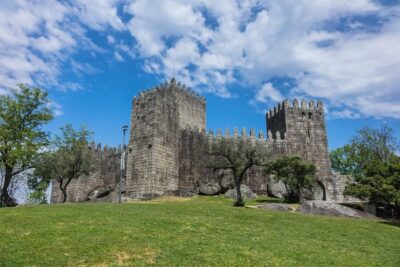

Small Group Geres National Park Full Day with picnic from Porto
Read our review →
Douro Valley Full-Day Boat, Train, and Lunch Tour
Read our review →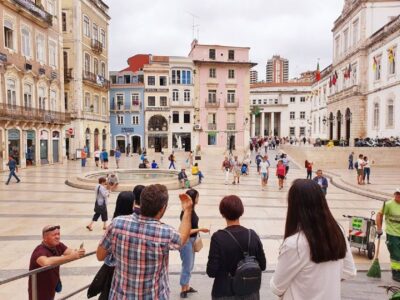
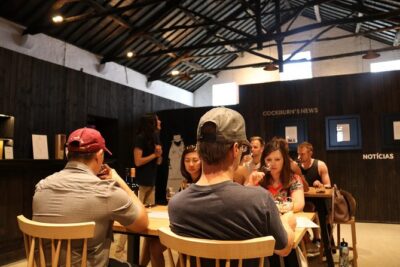
Porto Full Day City Tour Wine Tasting and Six Bridges Cruise
Read our review →
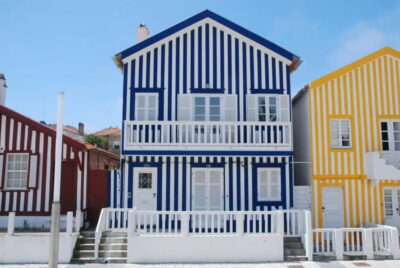
Aveiro, Cruise, Costa Nova & Capelha da Pedra Full Day
Read our review →