
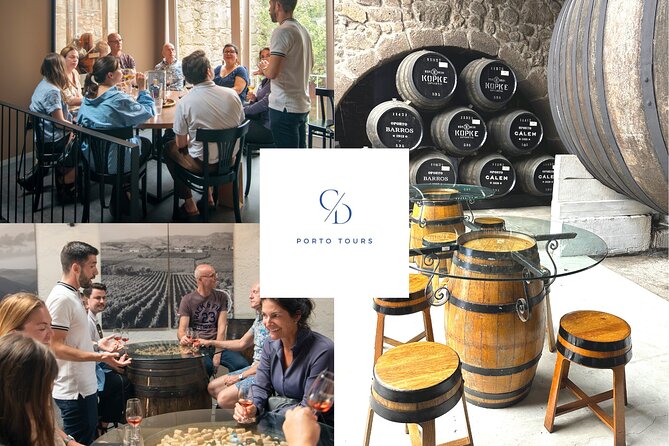
Reviewed · PORTO PORT WINE CELLAR TOURS
Port Wine Tour | 3 Cellars | 7 Tastings | 12 Participants Maximum
Port’s great trick is range: one drink can be pale, dry, and crisp, while the next is sweet, nutty, or packed with dark fruit. This small-group tasting visits three Port producers beside Cais de Gaia, giving you seven samples and plenty of explanation without turning the afternoon into a rushed bar crawl.
I like the variety of the tasting, especially the chance to compare a Tawny Reserva with a 10-year Tawny and two Ruby Late Bottled Vintages. I also like the guides’ style. Nuno is repeatedly praised for his humor and clear storytelling, while David brings the same warm, practical approach.
The main thing to consider is the alcohol. Seven pours over two and a half hours can amount to more than a token sample, and food is not included. Eat before you go, and remember that everyone needs a reservation, including anyone who does not plan to drink.
Key points to know before booking
- Seven Port styles in one sitting: Taste rosé, dry white, White Reserva, Tawny Reserva, 10-year Tawny, and two Ruby Late Bottled Vintages.
- Three producers near Cais de Gaia: The cellars are close to the meeting point, so the tour spends its time on wine rather than long transfers.
- A maximum of 12 people: The group size leaves room for questions and conversation.
- Guides who make the history lively: Nuno is often singled out for his humor and energy, while David is praised for his clear explanations.
- No food or appetizers included: Have something to eat before arriving, especially if you are not used to fortified wine.
- A useful first Port experience: You taste across several styles instead of committing to one house or one sweet red profile.
Three Gaia cellars, seven very different Ports
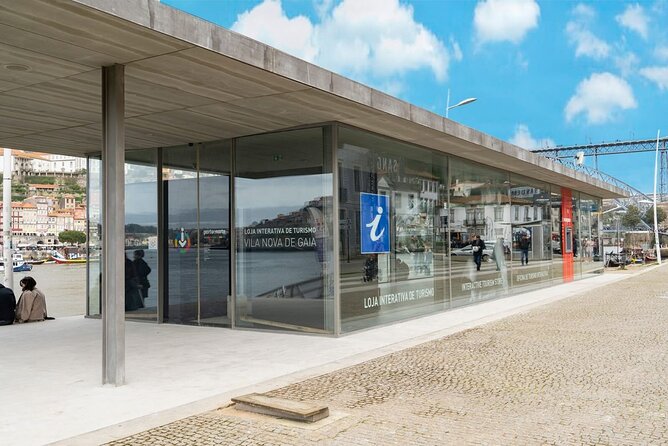
The tour begins at Avenida de Diogo Leite 135 in Vila Nova de Gaia, across the Douro from Porto’s central riverfront. This is the right side of the river for a Port tasting because Gaia is home to the traditional Port lodges and producers.
You meet your English-speaking guide near Cais de Gaia, then visit three different producers close to that starting point. The short distances matter. You are not losing half the session to transport, and the walk between tastings gives your palate and your head a little breathing room.
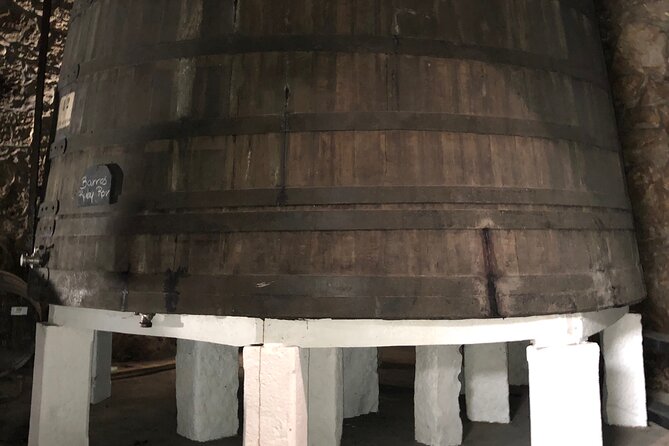
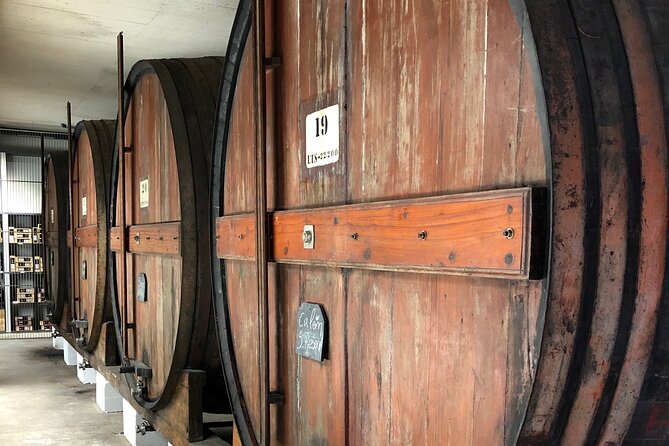
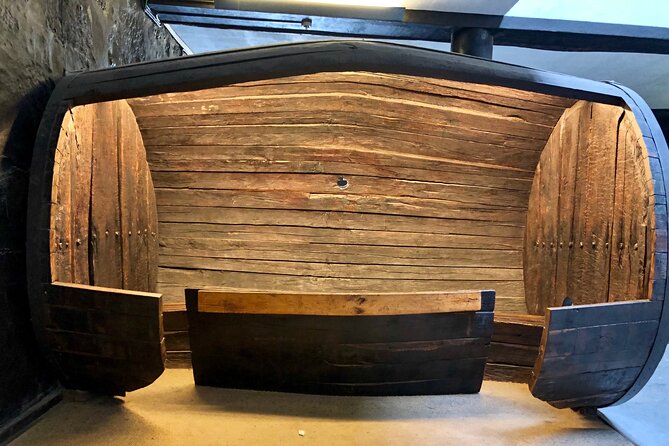
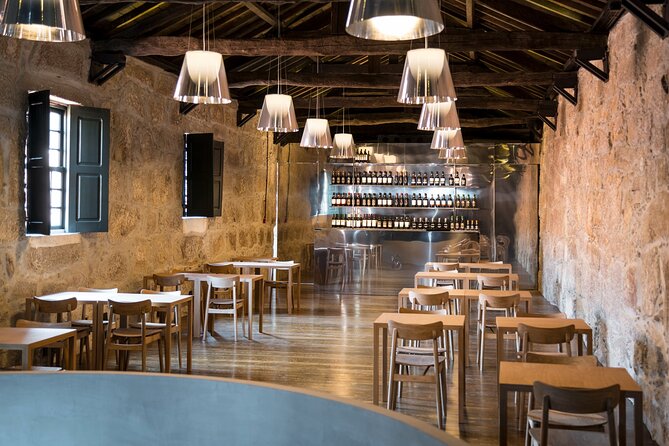
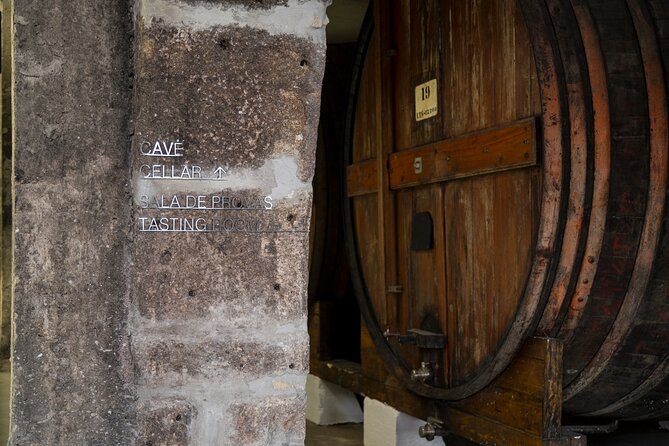
The cellars themselves are described as cozy and clean rather than grand or theatrical. That may suit you if you want a closer look at Port without a large commercial tour. It also means the atmosphere can feel more personal, particularly when the group is smaller than the 12-person limit.
The tour lasts about two hours and 30 minutes. That is enough time for an introduction to Port, visits to three producers, seven tastings, and questions along the way. You should still expect a steady pace. This is a tasting tour with context, not a long food-and-wine afternoon.
More port cellar tours in Porto:
- Porto: Cálem Cellar Tour, Fado Show & Wine Tasting
★ 4.4 · 3,530 reviews - Porto: Taylor’s Port Cellars & Tasting
★ 4.6 · 3,374 reviews - Porto: Cockburn’s Port Lodge Tour and Tasting
★ 4.8 · 3,360 reviews
How the seven tastings build your Port vocabulary
The tasting list is the strongest part of the experience. Instead of giving you seven similar ruby Ports, the guide moves through several categories so you can work out what you actually like.
You begin with a rosé Port, which gives you a lighter and more approachable starting point. It helps show that Port is not limited to dark, sweet after-dinner wine. The dry white follows with a different profile, making the contrast clear even if you know little about fortified wine.
The White Reserva adds another point of comparison. Reserva generally signals a more developed style than a basic bottling, and tasting it after a dry white lets you notice how sweetness, body, and time can alter the experience.
The two tawny pours take the tasting in a warmer direction. You try a Tawny Reserva and then a 10-year Tawny. This is a useful pair because both belong to the tawny family, yet the older wine gives you a chance to consider how barrel aging changes the character of Port.
Finally, you taste two Ruby Late Bottled Vintages. Ruby Ports tend to emphasize deep color and fruit, and the two LBVs allow you to compare examples within the same broad style. The tasting does not promise a single perfect bottle for everyone. Its real value is helping you identify whether you prefer white or red Port, fruit-driven ruby or more developed tawny, and lighter or sweeter styles.
The guide explains what to notice as you go. Several visitors particularly valued learning how to read Port labels and how to judge what they were tasting. That makes the session more useful than simply receiving seven glasses and a list of names.
Why the guide matters more than the cellar décor
A Port tasting can become a string of dates, labels, and production facts. The guide has to connect those facts to what is in your glass. Nuno appears to be especially good at that job, using humor and questions to keep the group involved.
His approach is described as energetic, personable, and easy to follow. That combination matters for younger adults and for anyone who finds formal wine talks dull. You get information about Port production, Porto, local culture, and the Douro region, but the tone stays relaxed.
David receives similar praise for explaining Port with passion and patience. Since guide assignments can vary, you should not book on the assumption that one named person is guaranteed. Still, the repeated mention of Nuno and David gives you a useful sense of the company’s guiding style: conversational, well prepared, and focused on making the tasting understandable.
The 12-person limit helps. A group this size can stop for questions without bringing the whole session to a halt. Some departures may be smaller, especially outside the busiest season. One small-season departure became almost private, which shows how different the experience can feel when demand is low.
A private-feeling group is a bonus, not something you should count on. The published maximum is 12, and that is the number to use when deciding if the format suits you.
What you learn about making and choosing Port
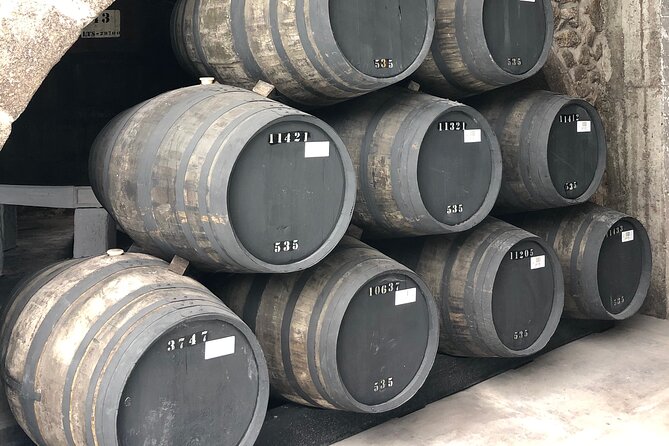
The tour covers the Port-making process, labeling, and the role of the Douro region. The exact depth can depend on the guide and the questions in your group, but the experience is designed to explain how Port is made and how the different styles relate to one another.
That context gives the tasting a purpose. You are not simply told that one glass is a Tawny and another is a Ruby. You learn why they look and taste different, and you get a framework for choosing a bottle later.
I particularly value the label discussion. Port labels can seem confusing when you first encounter terms such as Reserva, 10 years, and Late Bottled Vintage. A clear explanation turns those terms into practical shopping information rather than decoration on a bottle.
The setting also adds local context. You are tasting in Vila Nova de Gaia, where Port producers have long operated close to the river. The experience connects the wine to Porto itself instead of treating it as an abstract product in a generic tasting room.
Do not expect a full lesson in every technical detail of viticulture and aging. Two and a half hours, three cellars, and seven samples require a sensible limit. You get a strong introduction and a basis for further tasting, not a professional qualification.
More Porto wine and port tastings:
- From Porto: Douro Valley w/ Boat Tour, Wine Tasting & Lunch
★ 4.7 · 19,061 reviews - Complete Douro Valley Wine Tour with Lunch, Wine Tastings and River Cruise
★ 5.0 · 12,920 reviews - Porto: Live Fado Show with Glass of Port Wine
★ 4.8 · 6,498 reviews - Douro Valley: Historical Sites, Wine Experience, Lunch & Cruise
★ 5.0 · 5,133 reviews
The food question: eat before you arrive
Food and appetizers are not included. That is easy to overlook because wine tastings often come with bread, cheese, or small snacks, but you should plan as if you will receive none.
This matters because the seven pours are more substantial than a quick sip. One person specifically found the amount of wine worth planning around and advised eating first. That is sound advice even if you usually handle wine well.
Have a proper meal or snack before the meeting time. You can then focus on the aromas, textures, and differences between styles instead of drinking on an empty stomach. The tour is also a poor fit if you are looking for a Port-and-tapas experience.
The absence of food keeps the price focused on the three cellar visits, the guide, and the seven alcoholic tastings. If you want lunch or dinner with wine, book a separate meal and treat this as the educational part of your day.
Is $60.46 a fair price?
At $60.46 per person, this is not the cheapest way to sample one glass of Port. It is a reasonable price if you value comparison, explanation, and access to three producers in one compact session.
You are paying for seven pours, an English-speaking local guide, entry into three Port producers, and a maximum group size of 12. The price becomes more attractive if you would otherwise visit several cellars on your own and pay separate admission fees without knowing which styles to select.
The value is strongest for a first visit to Porto. You leave with a better idea of what you like, which is more useful than buying a full bottle based on a label you do not understand. It is also good value for people who want local history and production details along with the drink.
It is less compelling if you already know Port well, have a short list of specific producers you want to visit, or mainly want a large quantity of wine. The tour offers variety and guidance, not a leisurely afternoon at one estate.
Timing, meeting point, and practical details
The tour starts and ends at Avenida de Diogo Leite 135 in Vila Nova de Gaia. The meeting point is near public transport, and the three producers are next to the starting area. You should allow time to reach Gaia before the start rather than cutting it close.
The activity is offered in English. Most people can take part, but it is adult-oriented. Children under 16 cannot participate, and every person needs a reservation even if they do not drink the wine.
Animals are not allowed, including service animals. That is an important point for anyone planning a day out with a pet.
The cellars provide cover on a rainy day, and the short route between them keeps the walking manageable. At the same time, the activity requires suitable weather and may be canceled if conditions are poor. If that happens, you are offered another date or a full refund.
You receive confirmation at booking in normal circumstances. If you book within 12 hours of departure, confirmation arrives as soon as possible and depends on availability.
The cancellation rule is simple but firm: cancel at least 24 hours before the local start time for a full refund. Changes or cancellations inside that window are not accepted for a refund.
Who will enjoy this Port tasting most
This tour suits you if you are new to Port and want help sorting out the styles. The tasting moves from rosé and white through tawny and ruby, so you can find a preference instead of assuming all Port tastes alike.
It is also a good pick for couples, friends, and solo visitors who prefer a social but controlled format. A group capped at 12 gives you company without the scale of a large coach excursion.
Younger adults may appreciate the lively guiding style, especially if traditional wine tours sound too formal. The humor and group discussion help keep the technical material moving.
It may not suit you if you need food included, avoid alcohol, or want a family activity with children under 16. Non-drinkers still need to reserve a place, and the core of the experience remains the seven wine samples.
You should also think about your schedule. After seven tastings, you may prefer a quiet riverfront walk rather than another alcohol-focused activity. Do not stack this immediately before a major museum visit if you know wine affects your energy.
My verdict on the three-cellar format
I like this experience because it treats Port as a family of wines rather than one sweet red drink. The seven samples give you a real comparison, and the three nearby producers keep the afternoon efficient.
The guide is the deciding factor. Nuno’s humor, energy, and local knowledge receive especially strong praise, and David is also described as warm and clear. The tour succeeds when the guide links the glass in front of you to Porto, the Douro, and the choices you will face when buying Port later.
The trade-offs are plain: no food, a meaningful amount of alcohol, and no guarantee of a private group or a particular guide. The price is fair for the access and instruction, but less useful to an experienced Port drinker seeking a specialized producer visit.
Should you book this tour?
Book it if you want a friendly, practical introduction to Port in Porto, with seven distinct samples and enough explanation to understand what you are drinking. Eat first, keep the rest of your day flexible, and arrive ready to compare rather than simply collect glasses.
Skip it if food is essential, you are traveling with children under 16, or you already have strong Port knowledge and a specific cellar in mind. For most first-time visitors who want to make sense of Porto’s wine culture without spending all day on a formal excursion, the three-cellar format offers a smart balance of variety, local setting, and personal guidance.
FAQ
Where does the Port wine tour begin and end?
It begins at Av. de Diogo Leite 135 in Vila Nova de Gaia, near Cais de Gaia, and ends back at the same meeting point.
How long does the experience last?
The tour lasts approximately two hours and 30 minutes.
How many Port wines are included?
Seven Port wines are included: one rosé, one dry white, one White Reserva, one Tawny Reserva, one 10-year Tawny, and two Ruby Late Bottled Vintages.
How many producers will I visit?
You will visit three Port wine producers near the meeting point in Cais de Gaia.
Is food included with the tastings?
No. Food and appetizers are not included, so you should eat before the tour.
Can children or non-drinkers join?
Children under 16 cannot participate. All participants need a reservation, including anyone who does not plan to drink the provided wines.
Newest Porto reviews on the site
- Douro Valley Premium Tours – Private Driver & Guide★ 5.0 · 93 reviews
- Douro Valley Delights Wine Tasting and Scenic Vistas★ 5.0 · 3 reviews
- Douro valley Majestic★ 5.0 · 12 reviews
- Private off the beaten Douro Valley Wine Tour★ 5.0 · 100 reviews
- Tour the Douro wine region, and discover the fantastic landscape★ 4.5 · 4 reviews
- Douro Valley Private Full–Day Tour from Porto★ 5.0 · 23 reviews
- Private Tour to stunning Douro Valley and most renowned wineries★ 5.0 · 39 reviews
- Douro Tour on a Private Yacht in Porto★ 4.5 · 10 reviews
Porto Port Wine Cellar Tours, compared.

Bridges Cruise with Wine Cellar Tour or Sunset Option
Read our review →
Port Wine Lodges Tour Including 7 Port Wine Tastings (English)
Read our review →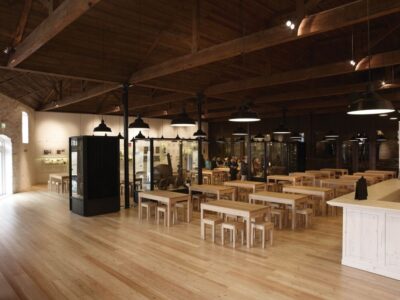
Graham’s Port Lodge Tour with Premium Wine Tastings
Read our review →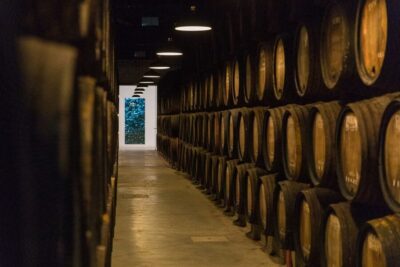
Guided Tour and Tasting of 3 Port Wines at Poças
Read our review →Browse the lists this tour appears in