
Reviewed · PORTO FOOD TOURS
Porto: 3-Hour Food Tour
Porto’s food culture is best understood one small plate at a time, and this tour gives you a generous helping in only three hours. You begin with a traditional Portuguese breakfast, move through old shops and Mercado do Bolhão, then finish with a proper local lunch. The food is substantial, not a token nibble, and the drink pairings keep coming.
I like the mix of ordinary neighborhood businesses and famous Porto tastes. I also like that the guides, including Gabriel, Alice, João, and Affonso, bring in stories about architecture, city life, and simple Portuguese phrases instead of treating the tour as a string of restaurant visits.
The main caution is the pace and amount of food and alcohol. You visit five places, often with wine, beer, coffee, port, or other drinks, so arrive hungry but pace yourself. This is not a suitable tour for vegans, vegetarians, or people with gluten intolerance.
Key points to know before booking
- Five local stops in three hours: The route combines cafés, old shops, a market, and a bar or restaurant.
- A full food schedule: Breakfast, market tastings, and lunch are included, with roughly 10 to 12 tasting portions.
- Porto classics on the table: Expect items such as bifana, pastel de nata, cured meats, cheeses, sardines, canned fish, and regional drinks.
- A city walk with useful context: The route passes Liberdade Square and Mercado do Bolhão while covering food, architecture, and Portuguese history.
- Small groups make a difference: Groups are limited to 10 people, giving you a better chance to speak with the guide and ask questions.
- Come prepared for weather and drink: The tour runs rain or shine, and comfortable shoes plus an umbrella are sensible.
Starting with breakfast near Aliados
The tour meets near the Aliados subway exit, a practical central location in Porto. Arrive 10 minutes early because the group leaves on time. That matters here: a three-hour food route has little room for late arrivals.
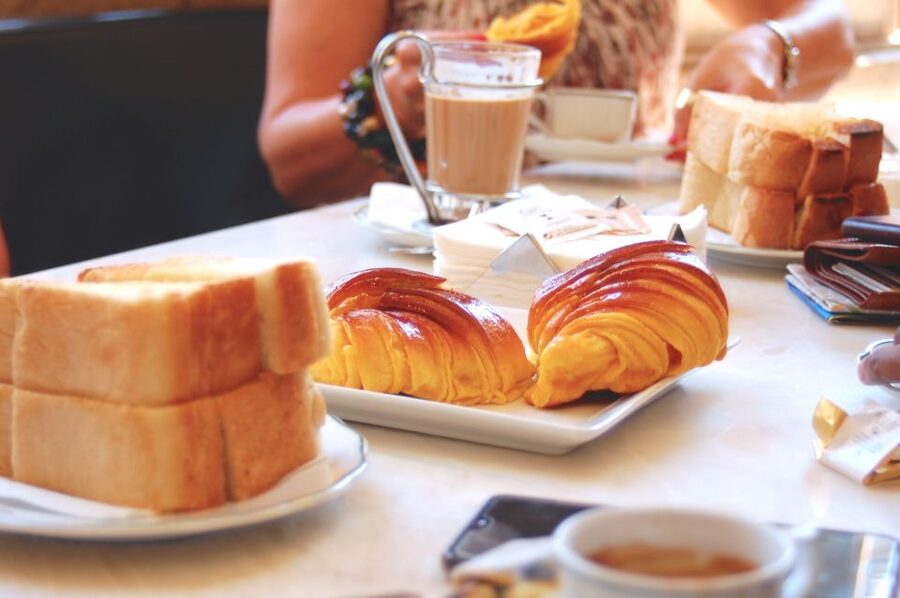
The first stop introduces you to breakfast as it is commonly enjoyed in Portugal. Rather than beginning with a grand pastry display, you go to a traditional café and get a sense of the everyday rhythm of the city. Coffee and pastries may feel familiar, but the setting and local habits are part of the lesson.
I like this opening because it gives the tour a clear starting point. You are not simply told what Portuguese people eat. You see the role of the neighborhood café and begin with something locals might actually order.
The morning timing also works in your favor. Porto’s food schedule can be filling, and starting with breakfast gives your appetite time to catch up before the heavier tastings and lunch. Still, do not eat a large meal before arriving. The portions add up quickly.
More food tours in Porto:
- Porto Food & Wine Tasting Tour with Lunch or Dinner Option
★ 5.0 · 2,303 reviews - Porto Craft Beer Tour: 7 Beers + 3 Food Pairings in a Small Group
★ 5.0 · 1,725 reviews - Porto: Wine Tasting with Tapas Walking Tour
★ 4.4 · 1,541 reviews
Walking through Liberdade Square and central Porto
Between tastings, the guide connects the food to the streets around you. Liberdade Square is one of the landmarks included along the way, and the route also brings in Porto’s architecture and city history.
This is where a strong guide changes the day. Affonso is frequently praised for combining humor with stories about Porto, Portugal, and the food on the table. Alice is described as warm and energetic, while João is known for explaining the city and giving practical suggestions. Gabriel has also been praised for staying helpful after the tour with restaurant recommendations.
The guide’s role is not just to lead you from door to door. You get explanations of why a food matters, how drinks fit into Portuguese meals, and what you are looking at as you walk. Some guides also add a few simple Portuguese phrases, a small touch that can help you feel less like you are simply passing through.
There is not a great deal of walking compared with a dedicated walking tour, and one account describes the route as having few hills. Even so, Porto is a city of slopes and uneven paving in general. Wear comfortable shoes, especially if the weather is wet.
Old shops and the market stop
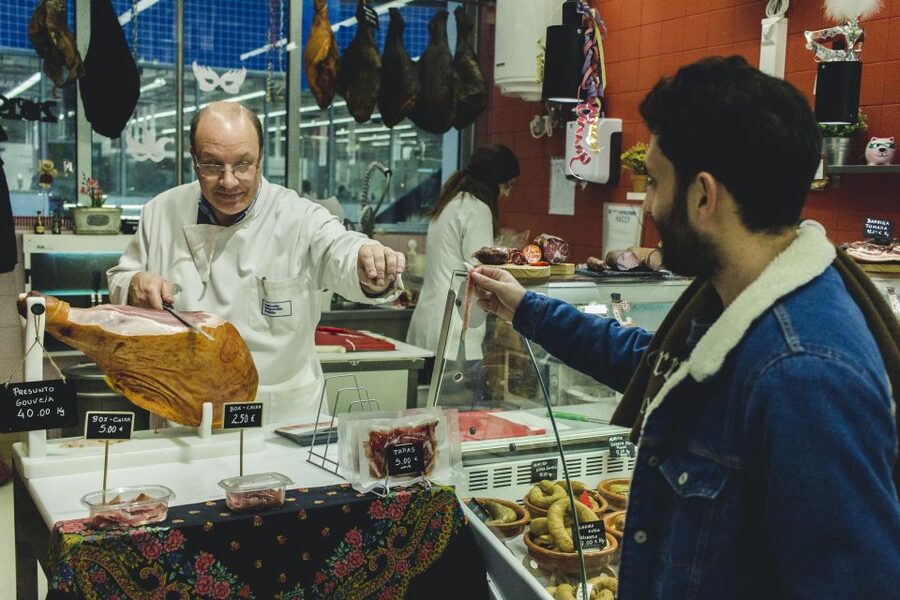
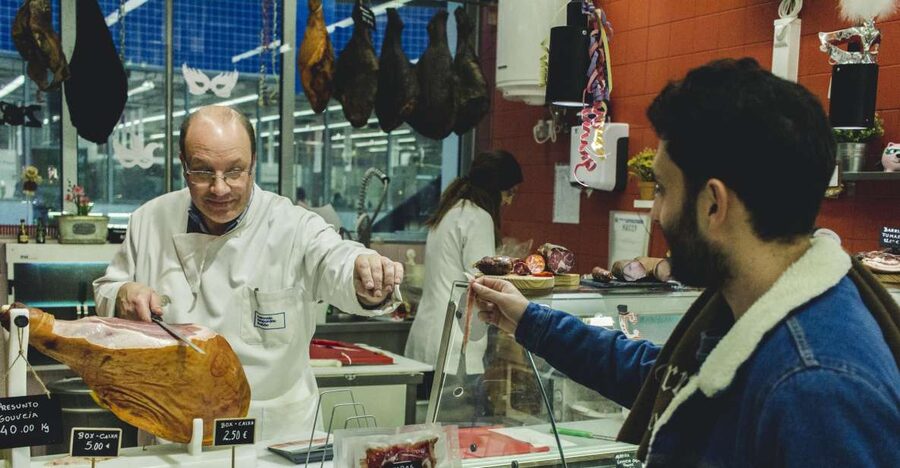
The middle part of the route focuses on old shops and fresh products before moving into Mercado do Bolhão. This is one of the most useful parts of the tour for a first visit because markets show you what people buy, not just what restaurants serve visitors.
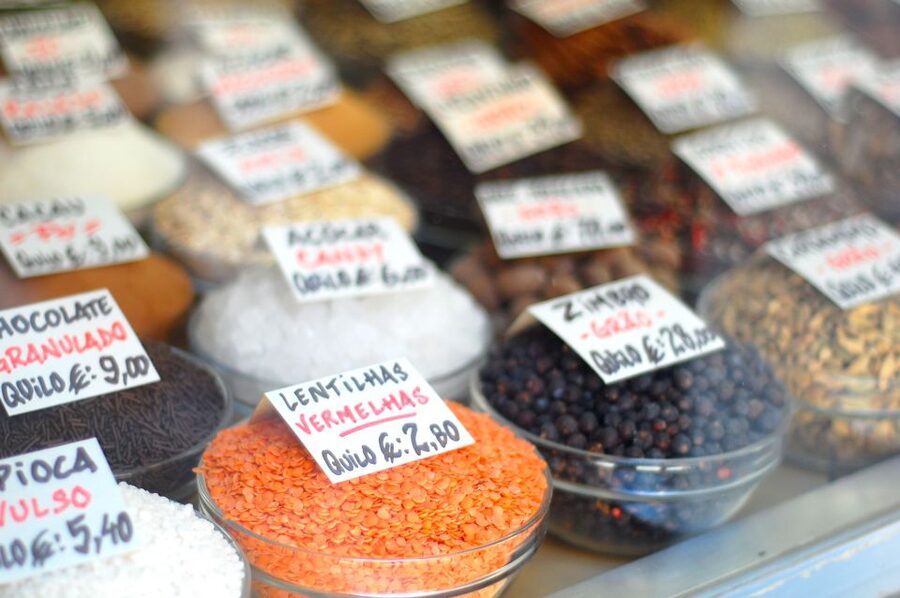
At the market, you may taste Iberian ham, sardines, cheeses, and products from northern Portugal. Canned fish is part of the fun here. Portugal has a long tradition of preserving fish, and the tins can be far more varied than the basic supermarket version many people know.
The market visit also gives you a chance to see different vendors and local products in one place. One account describes tasting at three separate market booths. That variety helps you compare flavors rather than treating the market as a quick photo stop.
There is one practical limitation: market tasting can mean standing. If you prefer to sit for every course, this will not feel like a leisurely restaurant lunch. One person specifically wished for seating during the market portion. I would treat that as a fair warning, especially if you have mobility concerns or simply prefer a slower meal.
The upside is that the market feels more connected to daily Porto than a polished tasting room. You can also return later to buy products you enjoyed. The tour does not include extra orders or shopping, so save purchases for after the scheduled tastings.
From bifana to pastel de nata
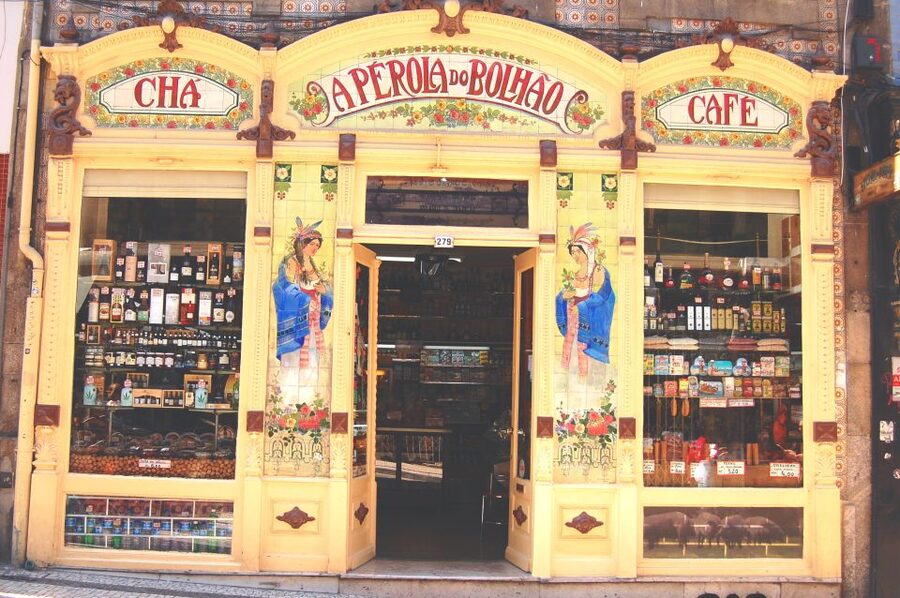
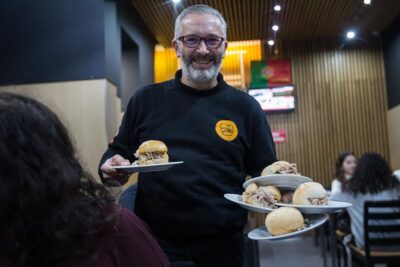
The food lineup varies by stop and guide, but the tasting pattern is clear: sweet and savory items, traditional snacks, local products, and a full lunch. Bifana, a pork sandwich served in a bread roll, is one of the dishes singled out in the feedback. It is simple, filling, and exactly the kind of food that can be missed if you only eat at formal restaurants.
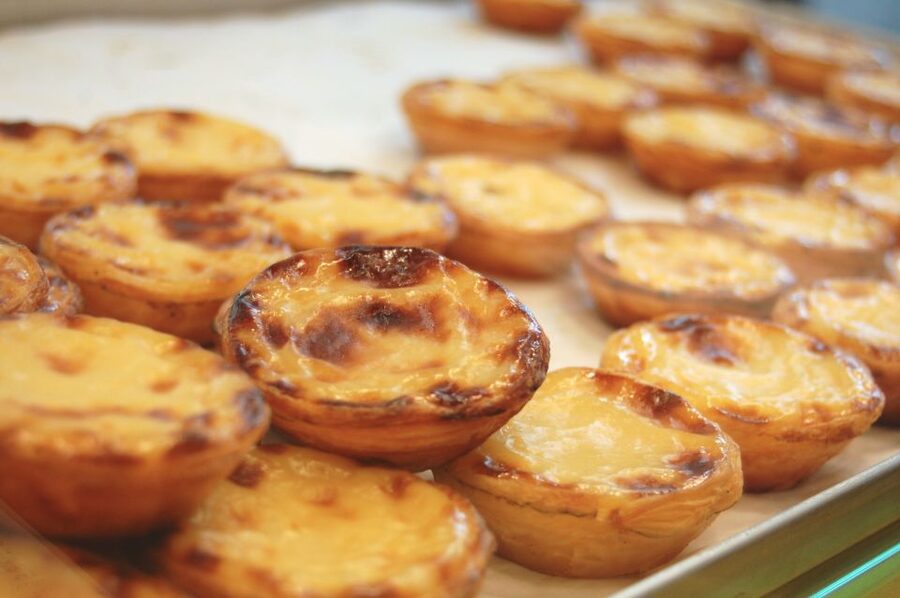
Pastel de nata also appears, giving the tour a sweet finish at one of the stops. You may encounter cured meats, cheeses, sardines, canned fish, pastries, and other traditional bites. Because the tour includes breakfast and lunch, these are not isolated samples that leave you searching for food afterward.
The stated amount is 10 to 12 serving portions. That does not mean you receive 10 to 12 full restaurant meals. It means the overall spread is generous, and the portions vary from stop to stop. Some are small tastes, while others are substantial enough to count as part of lunch.
That variation is normal for a food walk, but it is worth understanding before you book. If you prefer one large, quiet meal, choose a restaurant reservation instead. If you like trying many foods and learning how they fit together, the changing portion sizes are part of the appeal.
More three-hour outings in Porto:
- Porto: City Highlights 3-Hour Guided Electric Bike Tour
★ 4.8 · 3,092 reviews - Experience Porto’s Charm: 3-Hour Guided Walking Tour
★ 5.0 · 2,432 reviews - Porto: 3-Hour Guided City Highlights Walking Tour
★ 4.8 · 2,050 reviews - Porto: 3-Hour Old Town & Riverside Bike Tour – Guided Experience
★ 5.0 · 481 reviews
Vinho Verde, port, and a generous drinks schedule
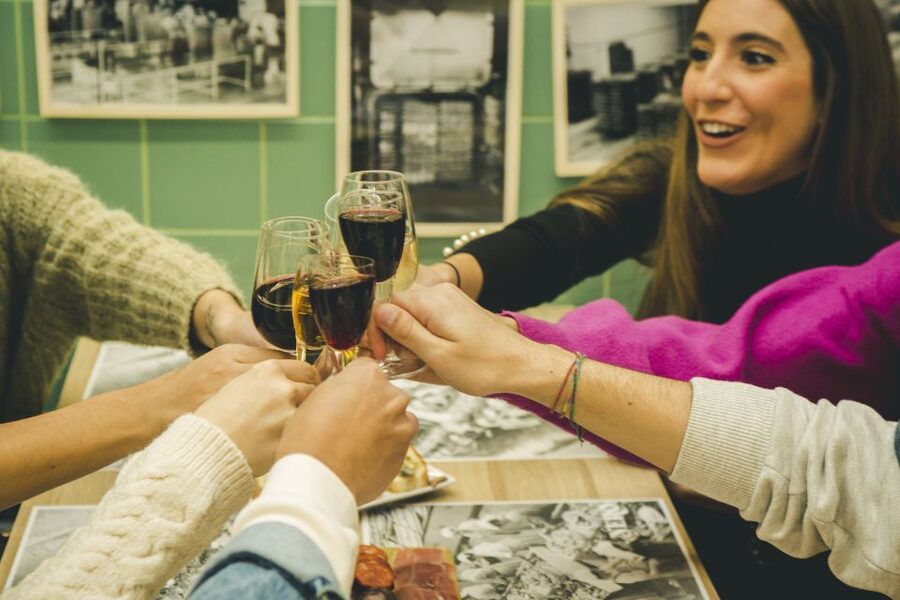
Drinks are included and paired with the food. The route includes a chance to try vinho verde, the light, fresh wine associated with northern Portugal. You may also taste port, and the drinks mentioned by participants include coffee, beer, and ginjinha.
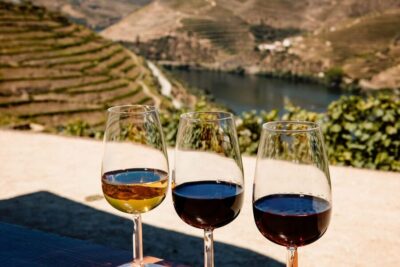
This is particularly useful for someone who wants more than a standard port tasting. The tour connects wine from the Douro Valley with port, while also showing how drinks appear alongside breakfast, snacks, and lunch. You get a broader picture of Portuguese drinking habits instead of focusing on a single famous product.
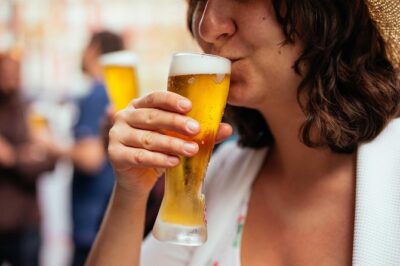
You should also take the alcohol seriously. Several descriptions emphasize that drinks are plentiful, and one calls the tour very boozy. The schedule may include several pairings in a relatively short period. Eat steadily, tell the guide if you need to slow down, and do not plan a demanding activity immediately afterward.
Coffee helps balance the drinks, but it does not cancel them out. If you do not drink alcohol, check the arrangements before booking because the included pairings are a meaningful part of the tour.
Why the small group matters
The group limit is 10 people, and groups of around seven to nine have been reported. That is a useful size for this kind of route. You can hear the guide in a café or market, ask questions without holding up a large crowd, and get a better chance to speak with the shop staff.
A small group also changes the social side of the morning. Food tours work best when the guide helps people talk to each other, and several of the named guides are praised for drawing strangers together. Granado, for example, is described as creating a friendly group atmosphere while explaining the food and local businesses.
The experience is social, not private. You share tables or standing spaces with people you have just met, and the mood depends partly on the group. If that sounds appealing, the limited size is a plus. If you want a private guide focused only on your party, this is not the right format.
The guide can make or break the route
The stops matter, but the guide is the person who turns them into a coherent tour. The strongest guides on this route do three things well: explain the food, connect it to Porto, and keep the group moving without making the morning feel rushed.
Affonso is repeatedly singled out for humor, warmth, and broad knowledge of food, wine, culture, and history. Alice is praised for enthusiasm and careful attention to the group. João is noted for his city stories and recommendations, while Gabriel is described as both well informed and helpful after the tour.
Guide assignments can change, so you should not book on the promise of one particular person. Still, the range of comments suggests that the company has several guides who understand how to host rather than simply recite facts.
That distinction matters. A guide who knows every ingredient but cannot manage timing will leave you waiting or feeling hurried. A guide who knows Porto but ignores dietary needs is equally unhelpful. Here, the strongest descriptions point to guides who watch the group, answer questions, and maintain good relationships with the businesses on the route.
Is the $75 price fair?
At $75 per person, this is not the cheapest way to eat in Porto, but the comparison should include everything provided. You receive a guide, a small-group route, breakfast, lunch, around 10 to 12 tasting portions, and drink pairings at five local stops.
If you tried to recreate the same morning independently, you could probably spend less on individual snacks. You would not easily reproduce the guide’s explanations, the organized progression from café to market to lunch, or the chance to enter several traditional businesses without guessing where to go.
The value is strongest if you are new to Porto and want a quick introduction to food and neighborhoods. It is also useful early in a trip because the guide can point you toward foods and places to revisit. Several guides give extra restaurant recommendations, which can help you plan the rest of your stay.
The value is weaker if you do not drink, cannot eat the listed foods, or already have a carefully planned food itinerary. The price also assumes you want a generous amount of food. You are paying for variety and guidance, not a formal fine-dining meal.
Weather, timing, and practical details
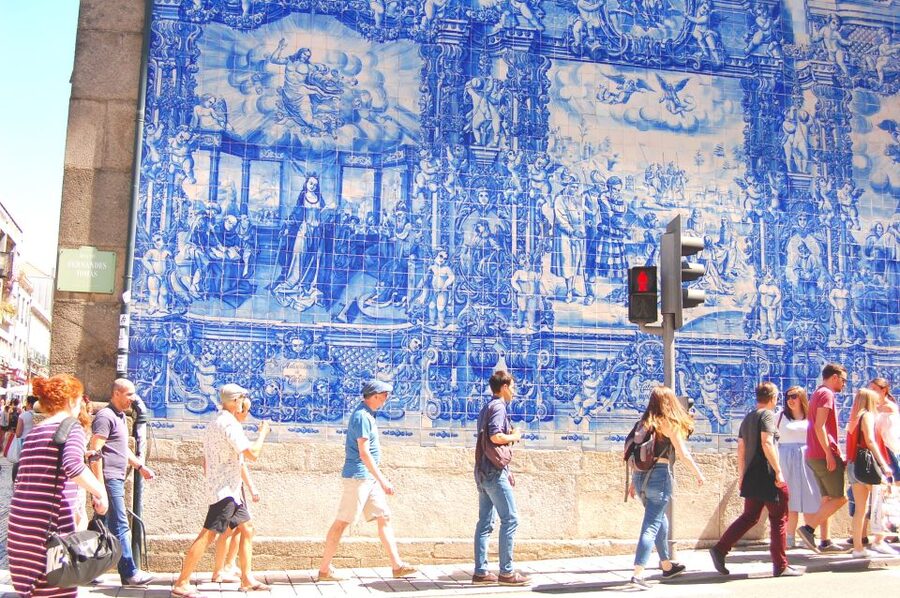
The tour takes about three hours and starts at an assigned time shown during booking. It runs rain or shine, so bring an umbrella and wear shoes that can handle wet pavement. Porto’s weather can change quickly, and the outdoor sections do not disappear because of rain.
The tour needs at least four attendees to operate. That is worth knowing if you are booking well ahead or have a tight schedule. Free cancellation is available up to 24 hours before the start for a full refund, and you can reserve now and pay later.
Dietary restrictions need careful attention. The stated rules say the tour is not suitable for vegans, vegetarians, or people with gluten intolerance. One individual account describes a group that included people with different dietary needs and says options were found, but I would not rely on that as a guarantee. Contact the operator before booking if your diet is restricted.
Who will enjoy this Porto food tour?
I would recommend it most strongly to first-time visitors who want a fast, tasty introduction to Porto. You get food, drinks, neighborhood context, and basic cultural background in one morning. It is also a good choice if you are unsure what to order during the rest of your stay.
Food lovers who enjoy small portions and variety will have plenty to explore. The route covers sweet and savory items, seafood, cured products, sandwiches, pastries, wine, and spirits. You should arrive hungry and avoid planning another large lunch immediately afterward.
It also suits solo visitors and couples who like meeting people. The small group gives you company without the feel of a large bus tour. Families may find the food and city stories appealing, though the alcohol schedule and standing tastings may not suit every child.
I would skip it if you need a fully seated meal, avoid alcohol, require strict gluten-free preparation, or want a quiet private outing. I would also skip it if your main goal is a long, detailed architectural tour. Architecture and history are included, but food remains the reason for the route.
Should you book it?
Book this tour if you want to eat your way through central Porto while someone else handles the planning. The mix of breakfast, market products, bifana, pastries, lunch, wine, and local stories gives you a useful first look at the city for $75.
My best advice is to book it near the start of your stay, arrive hungry, wear practical shoes, and keep the rest of the day light. If you pace the drinks and accept that some market tastings may be standing-room only, this is a strong-value introduction to Porto’s food culture.
FAQ
How long does the Porto food tour last?
The tour lasts approximately three hours.
Where does the tour meet?
The meeting point is near the Aliados subway exit. You should arrive 10 minutes before the start because the tour begins on time.
What food is included?
Breakfast and lunch are included, along with about 10 to 12 serving portions. Foods mentioned for the route include Iberian ham, sardines, cheeses, cured meats, bifana, pastel de nata, and other local products.
Are drinks included?
Yes. Drinks pairings are included. The route may include coffee, wine, vinho verde, port, beer, or ginjinha.
Is the tour suitable for vegetarians or people with gluten intolerance?
The stated information says it is not suitable for vegans, vegetarians, or people with gluten intolerance.
How many people can join the tour?
The tour is limited to 10 participants. It requires a minimum of four attendees to run.
What should I bring?
Bring comfortable shoes and an umbrella. The tour operates rain or shine.
Newest Porto reviews on the site
- Douro Valley Premium Tours – Private Driver & Guide★ 5.0 · 93 reviews
- Douro Valley Delights Wine Tasting and Scenic Vistas★ 5.0 · 3 reviews
- Douro valley Majestic★ 5.0 · 12 reviews
- Private off the beaten Douro Valley Wine Tour★ 5.0 · 100 reviews
- Tour the Douro wine region, and discover the fantastic landscape★ 4.5 · 4 reviews
- Douro Valley Private Full–Day Tour from Porto★ 5.0 · 23 reviews
- Private Tour to stunning Douro Valley and most renowned wineries★ 5.0 · 39 reviews
- Douro Tour on a Private Yacht in Porto★ 4.5 · 10 reviews
Porto Food Tours, compared.
Porto Food & Wine Tasting Tour with Lunch or Dinner Option
Read our review →
Porto Craft Beer Tour: 7 Beers + 3 Food Pairings in a Small Group
Read our review →
Douro Valley & Amarante Wine, Food & River Tour
Read our review →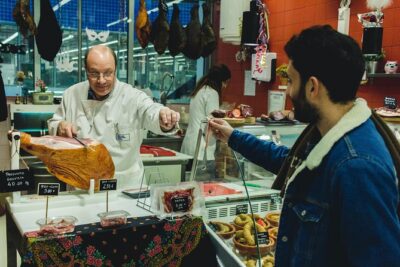
Authentic Food and Wine Tour in Porto by Food Lover Tour
Read our review →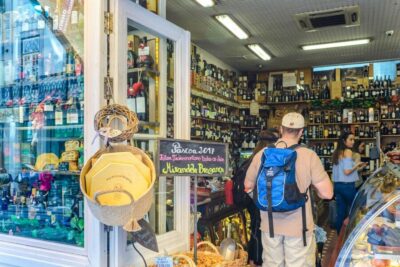
Porto Private Food and Drink Tasting Tour with Local
Read our review →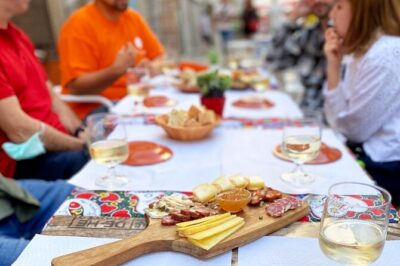
Browse the lists this tour appears in