
Reviewed · PORTO WALKING TOURS
Small-group Porto’s Roots Walking Tour
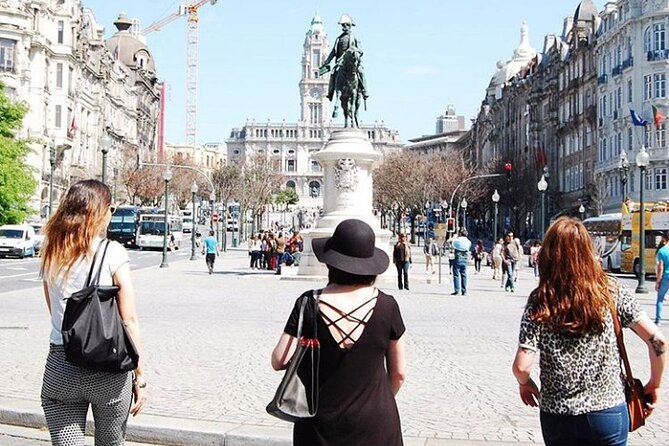
Porto’s past comes into focus on this compact walk through the city center. You move from the medieval cathedral to the riverfront, then climb through old streets toward viewpoints, churches, and São Bento’s famous tiled hall. The guide’s local point of view is a major reason to book, especially if Carlota leads your group. She is from Porto, studied history, and is praised for clear explanations and thoughtful answers.
I like two things right away: the group size is capped at 10, so questions do not get lost, and the route connects major sights with the stories behind them. You also get more than pretty façades, with time devoted to Porto’s Jewish community, the 19th-century civil war, trade, wine, and the meaning of São Bento’s tiles.
The main consideration is the walking itself. This is a three-hour city tour with a moderate fitness requirement, and Porto’s old center includes slopes and uneven streets. Clerigos Tower admission is not included, so plan to admire it from outside unless you choose to visit on your own.
Key points at a glance
- A five-stop route through Porto’s old center: Begin at Porto Cathedral and finish at São Bento Railway Station.
- A small group of up to 10 people: This gives you a better chance to ask questions and hear the guide clearly.
- Local history beyond the postcard view: Topics include medieval society, Jewish heritage, the 19th-century civil war, commerce, and port wine.
- An English-speaking guide such as Carlota: Her local background and history studies add useful context to the buildings and streets.
- Three hours for $23.83: That is a fair price for a focused introduction to central Porto, especially for a first visit.
- Free cancellation up to 24 hours ahead: Poor-weather cancellation brings the choice of another date or a full refund.
Starting at Porto Cathedral with medieval Porto
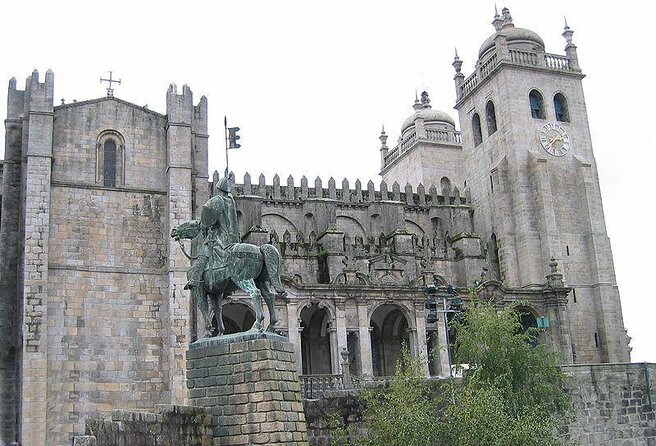
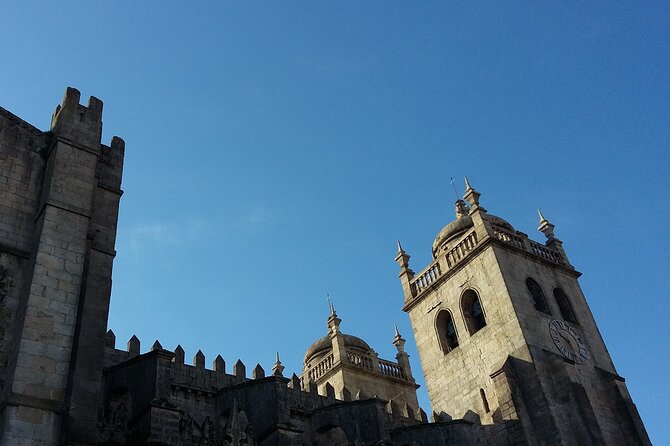
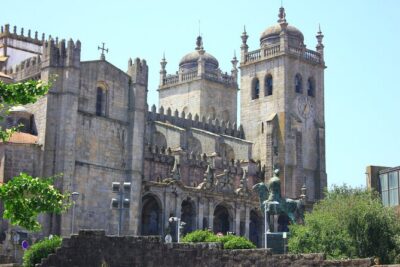
Meet at R. de Dom Hugo 3 at 10:00 a.m., near Catedral do Porto. This is a strong starting point because the cathedral gives the walk a clear historical anchor. Rather than beginning with a general city overview, you start with medieval Porto and learn how the city grew, where it expanded, and how people lived within its social structure.
The stop lasts about 15 minutes. Admission is free, so there is no extra ticket to arrange at the start. The value here is not a long interior visit. It is the setting and the explanation. The cathedral area helps you understand Porto as a fortified medieval settlement before the walk moves into its commercial and residential districts.
I find this kind of opening useful because it gives you a framework for the rest of the morning. Streets that might look like a jumble of stone and tiled walls begin to make more sense. You can listen for the link between geography, trade, religion, and social life as the guide leads you downhill toward the river.
Do not expect a full cathedral tour or a long architectural lecture. Fifteen minutes is enough for orientation, not an exhaustive visit. If the cathedral is high on your personal list, you may want to return later with more time.
More walking tours in Porto:
- Porto Walking Tour, Lello Bookshop, River Cruise and Cable Car
★ 5.0 · 3,354 reviews - Experience Porto’s Charm: 3-Hour Guided Walking Tour
★ 5.0 · 2,432 reviews - Porto: 3-Hour Guided City Highlights Walking Tour
★ 4.8 · 2,050 reviews
Cais da Ribeira and Porto’s trading life
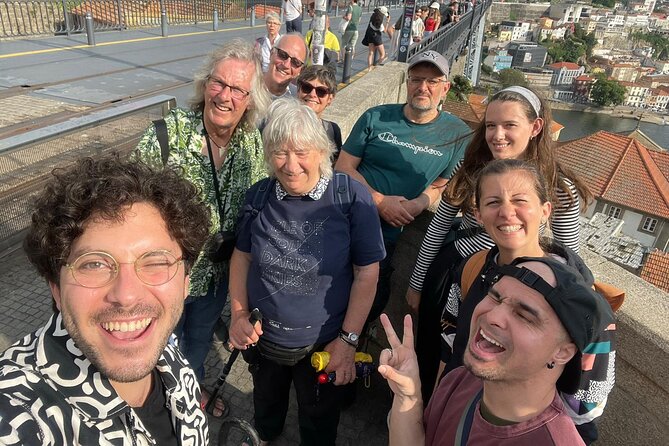
The next stop is Cais da Ribeira, the riverside district that gives Porto much of its visual identity. You spend about 20 minutes here, looking at old medieval streets and discussing the city’s role as an important commercial center and wine hub.
This is where the tour shifts from medieval society to the movement of goods and people. Porto’s riverfront was not simply a scenic place for photographs. Its position helped connect the city to trade, and wine became central to the area’s economic story. The guide also discusses Porto’s bridges, adding another layer to the view across and along the Douro.
The stop is free, but the setting is busy with visual distractions. You will want to look at the river, the tightly packed buildings, the bridges, and the slope rising behind you. A good guide helps turn that view into a readable scene instead of a collection of attractive details.
I like that the route does not treat Ribeira as a quick photo stop. The commercial story gives the waterfront purpose. You begin to see why the river matters and why Porto’s identity is tied to both trade and wine.
The time is still limited. Twenty minutes will not cover every corner of Ribeira, nor does it include a wine-cellar visit or tasting. If port wine is your main interest, you will need a separate activity. This walk provides the background, not a full tasting experience.
Miradouro da Vitória, Jewish heritage, and civil conflict
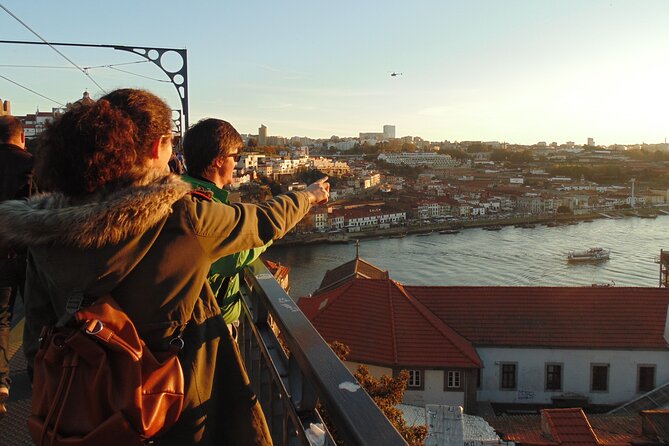
At Miradouro da Vitória, the tour takes a more unusual turn. The viewpoint offers a place to understand Porto’s Jewish community across the centuries, as well as Portugal’s civil war during the 19th century. The stop lasts around 20 minutes.
This is one of the tour’s most distinctive elements. Many introductory city walks stay with famous churches, bridges, and rulers. Here, you also examine communities and conflicts that shaped the city but are less obvious when you are simply sightseeing.
The Jewish history discussion helps broaden your view of Porto’s past. It points you toward the people who lived and worked in the city, not only the grand buildings they left behind. The 19th-century civil war topic adds political context and shows that Porto’s story did not end with the medieval period.
The viewpoint itself also helps you connect the route. You have come from the cathedral and riverfront, and now you can use the elevated position to understand the city’s steep form. I would pay close attention here, because this is the part most likely to give you background you would not pick up from a quick walk alone.
As with the other stops, the timing keeps the tour moving. Twenty minutes allows for a focused talk and questions, but not a long study of every historical period. If you enjoy political or religious history, write down the names and subjects that catch your interest so you can explore them later.
Clerigos Tower and Porto’s best-known landmark
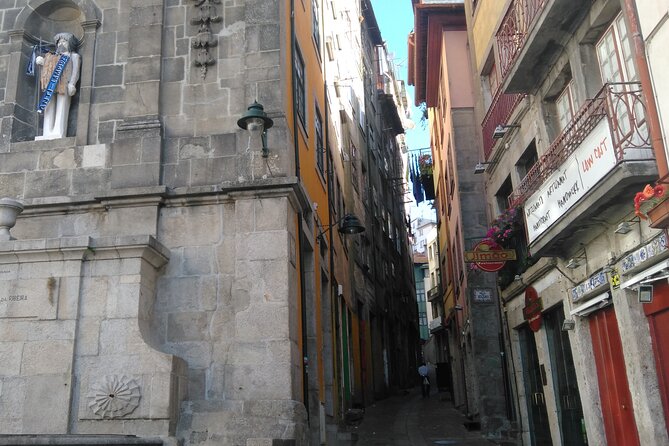
The stop at Torre dos Clérigos is brief, about 10 minutes, but it covers one of Porto’s most recognizable buildings. The guide explains the tower’s history and why it became such an important part of the city’s identity.
Admission is not included. That detail matters. The tour takes you to the tower and explains it, but the price does not cover climbing or entering. If you want to visit inside, check the ticket arrangements separately and allow extra time beyond the three-hour walk.
This setup can be a benefit if you are trying to keep costs down. You get the historical context without being required to pay for an attraction you may not want to enter. It also lets you decide later if a tower visit fits your schedule.
The drawback is that 10 minutes is not enough for a full stop inside the building. Think of this as an orientation to Clerigos, not a complete visit. You may prefer to return after the walk, when you can explore at your own pace.
Same city, a completely different kind of day out:
- The Unvanquished Tour in Porto City Center
★ 5.0 · 26,497 reviews - From Porto: Douro Valley w/ Boat Tour, Wine Tasting & Lunch
★ 4.7 · 19,061 reviews - Complete Douro Valley Wine Tour with Lunch, Wine Tastings and River Cruise
★ 5.0 · 12,920 reviews - Porto: Six Bridges Cruise
★ 4.2 · 11,680 reviews
São Bento Station and the story in the tiles
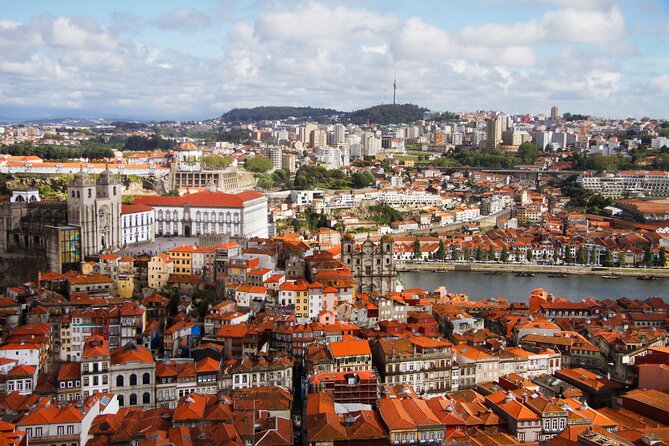
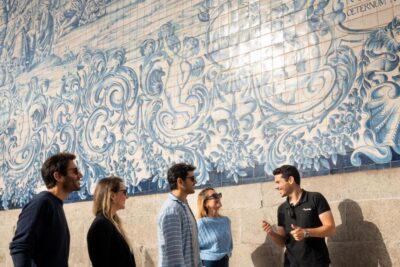
The route ends at Estação de São Bento, at Praça de Almeida Garrett. The station is known for the tiles covering its main hall, and the guide explains what they represent along with other details about the building.
This is a particularly satisfying ending because the final stop is both practical and visually striking. São Bento is an active railway station, yet its main hall is also one of Porto’s most famous interiors. You finish with a clear lesson in how art, public buildings, and national history can meet in one place.
The stop lasts about 10 minutes. Admission is free, and the tour usually ends in the station’s main hall. That makes the finish easy to understand: you are not being dropped in an unfamiliar neighborhood. You end at a major transport point in the center, surrounded by a sight worth pausing for.
The tiles reward close attention, so do not rush through the hall once the explanation ends. The guide gives you a starting point for reading the scenes, but you can stay longer afterward if your schedule allows. Since the tour ends here, you can continue by train, walk onward, or use the nearby public transport.
Why the small group changes the experience
A maximum of 10 people is one of the strongest practical features. Porto’s older streets can be tight, and a small group is easier to keep together than a large crowd. More important, you have a better chance to ask about a detail that catches your eye.
The guide Carlota receives especially strong praise for being friendly, clear, and generous with questions. She is described as a Porto native who studied history, which is useful in a city where local knowledge and formal study can work well together. The best moments on a history walk often come from a follow-up question, not from the planned speech, so this group size matters.
The experience is offered in English. The confirmed schedule begins at 10:00 a.m., and the walk lasts about three hours. Morning timing can work well if you want to reserve the afternoon for a museum, a meal, or a separate visit to Clerigos Tower.
There is no indication that the route includes food, wine tasting, or interior admission beyond the free-access stops. You should book it for interpretation and orientation, not as a tasting tour or attraction pass.
Walking conditions and useful planning notes
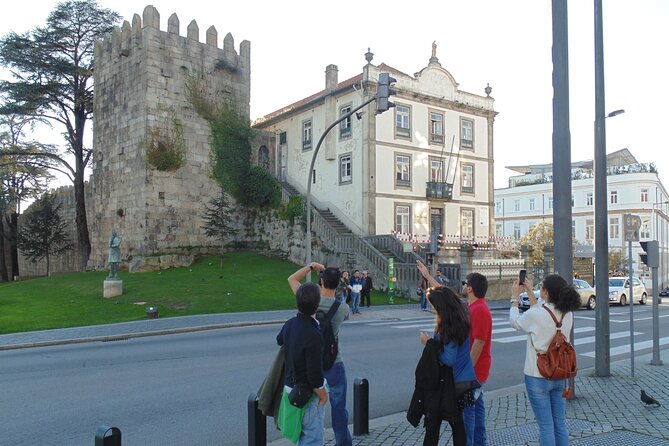
You need a moderate level of physical fitness. That is a practical warning, not a reason to avoid the walk. Porto’s historic center is hilly, and the route moves between the cathedral, riverfront, viewpoint, tower, and railway station. Wear shoes that feel secure on slopes and old paving.
The tour operates outdoors and requires good weather. If poor weather forces cancellation, you are offered another date or a full refund. You can also cancel for a full refund if you do so at least 24 hours before the local start time. Changes or cancellations made inside that window are not refunded.
The tour allows service animals and is near public transportation. It begins at R. de Dom Hugo 3 and ends at São Bento Station, so the start and finish are in central Porto locations. The mobile ticket is convenient, especially if you are already using your phone for maps and transport.
Because the route ends at a railway station, you may be tempted to schedule a train immediately afterward. I would leave a little breathing room. The official tour time is approximately three hours, and a question-filled small-group walk may use the full period.
Is $23.83 a fair price?
At $23.83 per person, the value is strongest if you want a first look at Porto’s central sights with historical explanation. You visit five important locations, spend three hours with an English-speaking guide, and keep the group to no more than 10 people.
The price does not include Clerigos Tower admission, and there is no listed meal, tasting, or paid attraction. That keeps the comparison simple. You are paying for the guide, route, and interpretation rather than bundled tickets.
I consider that a fair arrangement for someone who wants context without committing to a full-day program. The route includes major names, but it also includes less obvious subjects such as Jewish heritage and the 19th-century civil war. That mix gives the tour more substance than a simple landmark checklist.
The value drops if you already know central Porto well or prefer to explore entirely alone. You can see the cathedral area, Ribeira, viewpoint, Clerigos, and São Bento without a guide. What you cannot easily reproduce is the organized sequence and the chance to ask a local historian about how the pieces fit together.
Who should book this Porto walk?
I would recommend it to a first-time visitor who wants a clear introduction before exploring Porto independently. It also suits people who prefer history and local context over a long list of dates and monuments.
It is a good fit if you enjoy asking questions. The small group and the guide’s praised communication style make that part of the experience important. If Carlota is your guide, her Porto background and history studies should add useful depth to the walk.
You should think twice if you dislike hills, have trouble walking for three hours, or want a tour built around food and wine. You should also know that a 10-minute Clerigos stop is not a substitute for visiting the tower inside.
Should you book the Small-group Porto’s Roots Walking Tour?
Book it if you want an affordable, focused introduction to Porto that connects famous places with medieval society, commerce, wine, Jewish heritage, civil conflict, and tile art. The small group is a real advantage, and the route ends at São Bento, one of the easiest places in the city to continue sightseeing.
Skip it if you want extensive time inside each monument or a dedicated port wine experience. For most first visits, though, $23.83 buys a useful framework for the city. After three hours, you should know what you are looking at, what deserves a return visit, and which parts of Porto’s past you want to explore next.
FAQ
How long does the Porto’s Roots Walking Tour last?
The tour lasts approximately three hours.
What time does the tour begin?
The scheduled start time is 10:00 a.m.
Where does the tour begin?
It begins at R. de Dom Hugo 3, 4000 Porto, Portugal.
Where does the tour end?
The tour usually ends at São Bento Railway Station, at Praça de Almeida Garrett, 4000-069 Porto, Portugal.
Is the tour offered in English?
Yes. The experience is offered in English.
How many people can join the tour?
The group has a maximum of 10 people.
Is Clerigos Tower admission included?
No. Admission to Torre dos Clérigos is not included, although the tour stops there and covers its history.
Newest Porto reviews on the site
- Porto – Old Town Tour with an official guide★ 5.0 · 6 reviews
- Yacht Douro Tour★ 4.8 · 11 reviews
- Vila Nova de Gaia: Porto Discovery Tasting★ 4.8 · 17 reviews
- Visit to a Port Wine Cellar★ 4.8 · 5 reviews
- Vila Nova de Gaia: Winery Tour with 2 DOC Douro & 1 Port★ 4.8 · 101 reviews
- Vila Nova de Gaia: Douro Discovery★ 5.0 · 4 reviews
- WOW Porto: The Wine School Workshops and Tastings★ 4.7 · 20 reviews
- Private Portuguese Cooking and Wine Experience in Porto★ 5.0 · 30 reviews
Porto Walking Tours, compared.
Porto Walking Tour, Lello Bookshop, River Cruise and Cable Car
Read our review →
Experience Porto’s Charm: 3-Hour Guided Walking Tour
Read our review →
Walking Tour, Lello Bookshop, Boat and Cable Car
Read our review →Browse the lists this tour appears in