
Reviewed · FOOD & DRINK
Unveiled Secrets of Porto + Olive Oil Tasting
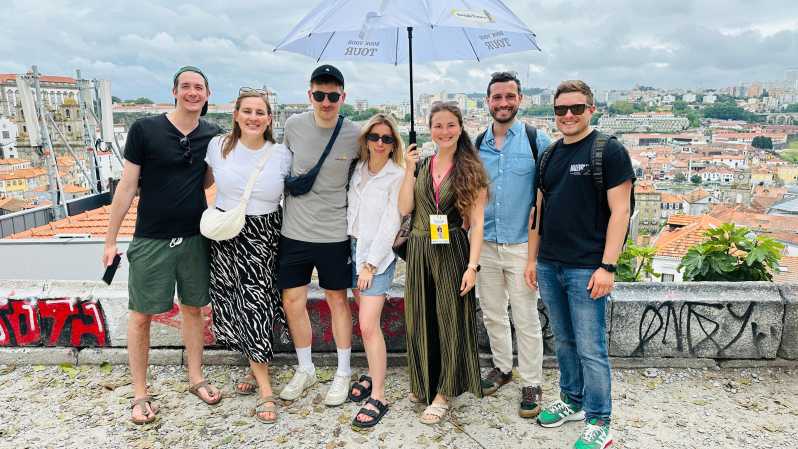
Porto’s secrets are not all tucked behind grand façades. Some sit in a cemetery filled with cryptic symbols, some hide in the stories behind São Bento’s famous tiles, and others arrive in a small glass of olive oil. This tour links those less obvious details with major city sights.
I like the mix of mystery and art: Lapa’s cemetery and brotherhood give the morning an unusual start, while MMIPO and Trindade add serious cultural weight. I also like the olive oil tasting, a simple but useful way to understand a flavor Portugal takes seriously.
The main caution is time. The advertised duration is three hours, yet the listed stops include several guided visits and an optional Palacio da Bolsa visit. You will need to keep moving, and you should confirm whether the Stock Exchange Palace is part of your exact booking.
Key points to know before you book
- Lapa Cemetery offers a different side of Porto: Expect ornate tombs, dramatic stories, symbols, and local legends rather than a standard church visit.
- The tour connects major sights with their backstories: Trindade, Aliados Avenue, São Bento Station, Rua das Flores, and MMIPO fit into one walking route.
- MMIPO is a strong art stop: The museum occupies Porto’s oldest charity institution and is often called the Portuguese Louvre.
- Olive oil tasting gives the tour a practical finish: You learn how to recognize quality and compare real flavors with help from a local expert.
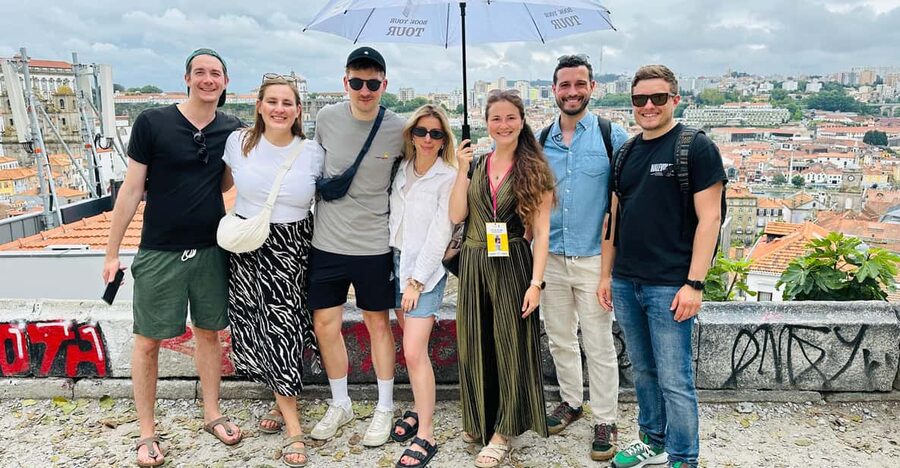
- Rui and Oleksandra are named guide options: Rui led a history and art-focused visit, while Oleksandra adapted well to a family traveling with a seven-year-old child in poor weather.
- The route is best for walkers who enjoy context: You will see a lot in a short time, with no sightseeing bus to slow the pace.
Why this Porto walk feels different
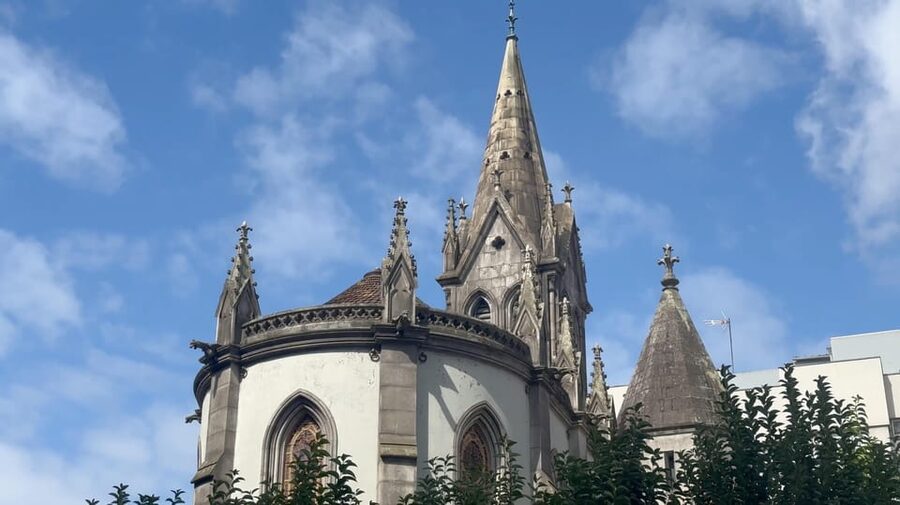
Many first visits to Porto focus on the riverfront, port wine lodges, and the colorful streets around Ribeira. This experience takes a different route through the city center. It begins at Igreja da Lapa, moves through places tied to religion, civic life, art, and local food, then finishes near Praça do Infante D. Henrique.
I like that range. You are not spending three hours looking at one type of sight. Instead, you move from a cemetery to a church, from grand avenues to a railway station, then into a museum and a tasting. Each stop gives you a different way to read Porto.
The tour also suits you if you want stories rather than only photo stops. The guide explains construction details, hidden meanings, local drama, and the role of brotherhoods and charitable institutions. Rui’s approach, in particular, focused strongly on Porto and Portugal’s history and art, which is useful if you want more than a quick city orientation.
The walk does require attention. You may cover a good deal of central Porto on foot, and the program has many stops packed into three hours. Comfortable shoes are sensible. If you prefer a slow pace with long time inside each museum, this may feel hurried.
More food tours in Porto:
- From Porto: Douro Valley w/ Boat Tour, Wine Tasting & Lunch
★ 4.7 · 19,061 reviews - Douro Valley Small-Group Tour with Wine Tasting, Lunch and Boat
★ 5.0 · 3,642 reviews - Porto: Cálem Cellar Tour, Fado Show & Wine Tasting
★ 4.4 · 3,530 reviews
Starting among the tombs at Igreja da Lapa
Meet your guide in front of Igreja da Lapa. The church is the starting point, and the first guided visit lasts about 40 minutes. This opening gives the tour a serious tone at once.
The Lapa Brotherhood and its cemetery are the unusual draw. Cemitério da Lapa is presented through ornate tombs, cryptic symbols, ghostly tales, and dramatic love stories. That makes it more than a quick walk past gravestones. You get a look at how Porto remembered its dead and how personal stories became part of the city’s memory.
I enjoy starting here because it avoids the usual postcard version of Porto. A cemetery can tell you about faith, family, status, and public memory without needing a long lecture. The half-hour cemetery visit should give your guide enough time to point out details you would likely miss alone.
Still, this stop may not suit everyone. The atmosphere is intentionally mysterious, and the stories can be somber. If your ideal morning begins with cafés and bright viewpoints, Lapa may feel like a strong first course.
Trindade Church and Porto’s civic center
After Lapa, the route passes through Praça da República and Capela dos Pestanas before reaching the Trindade experience. The listed schedule allows about 40 minutes for the Trindade visit, which gives it more weight than a simple look inside a church.
Trindade is important because it brings together Porto’s spiritual and civic character. The tour aims to show you the building itself along with the surprises and stories connected to it. This is the kind of stop where a guide matters. You can look at the structure alone, but you may not understand why certain spaces, details, or symbols matter.
The short stop at Praça da República helps connect the enclosed church setting with the wider city. Capela dos Pestanas is another brief point along the way, listed as a 15-minute pass-by. You should not expect a long standalone visit there. Think of it as part of the route’s chain of small discoveries.
Aliados Avenue and São Bento’s untold stories
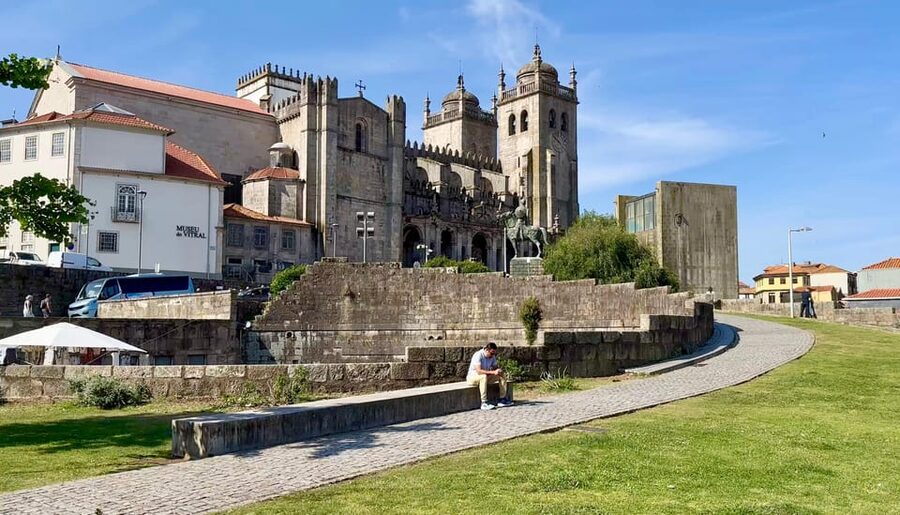
The walk continues along Avenida dos Aliados for about 20 minutes. This is one of Porto’s grand civic spaces, and the route uses it as a bridge between religious buildings and the city center’s public face.
The São Bento Railway Station stop is especially valuable for first-time visitors. The station is famous for its blue and white tile panels, but the tour promises to go beyond simply pointing at the murals. You hear about their construction, hidden meanings, and the real-life drama connected to the station.
That extra context is worth paying for. São Bento is easy to visit independently, but it is also easy to glance at the tile hall, take a photo, and leave without understanding what you saw. A guide can turn a familiar attraction into a more focused art and history lesson.
The limitation is the pace. The route includes Aliados, São Bento, and later Rua das Flores, while the whole experience lasts only three hours. You will get interpretation, but you may not have unlimited time for photographs or quiet browsing.
Same city, a completely different kind of day out:
- The Unvanquished Tour in Porto City Center
★ 5.0 · 26,497 reviews - Complete Douro Valley Wine Tour with Lunch, Wine Tastings and River Cruise
★ 5.0 · 12,920 reviews - Porto: Six Bridges Cruise
★ 4.2 · 11,680 reviews - Porto: Live Fado Show with Glass of Port Wine
★ 4.8 · 6,498 reviews
Rua das Flores and the walk through the old center
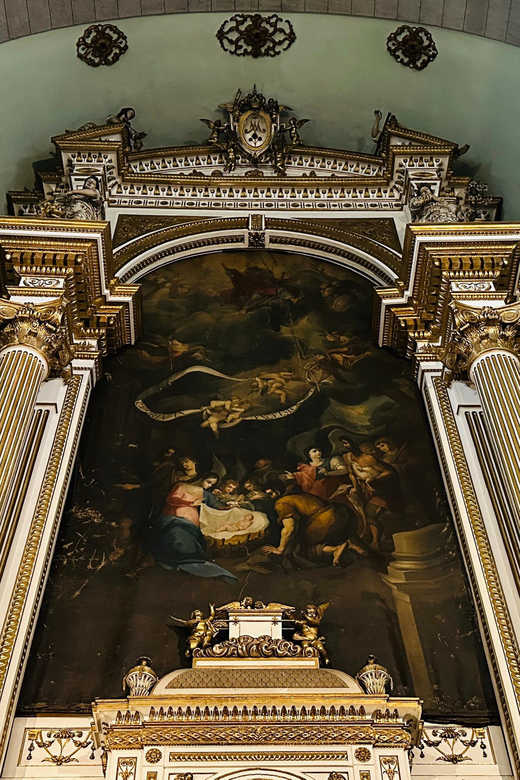
Rua das Flores provides a change of mood. The itinerary lists about ten minutes here, so this is a short walking segment rather than a full street-by-street exploration.
I like the inclusion because it helps you feel the shape of Porto’s center. After the broad space of Aliados and the formal railway station, a narrower historic street gives the walk a more intimate urban rhythm. The guide can help you connect the street with the larger route instead of treating each sight as an isolated stop.
Do not book this tour expecting a leisurely shopping walk on Rua das Flores. The listed timing is brief, and the main purpose is to move you toward MMIPO. If you want to browse shops or stop for coffee, you will likely need to return later on your own.
MMIPO, Porto’s art stop in a former charity institution
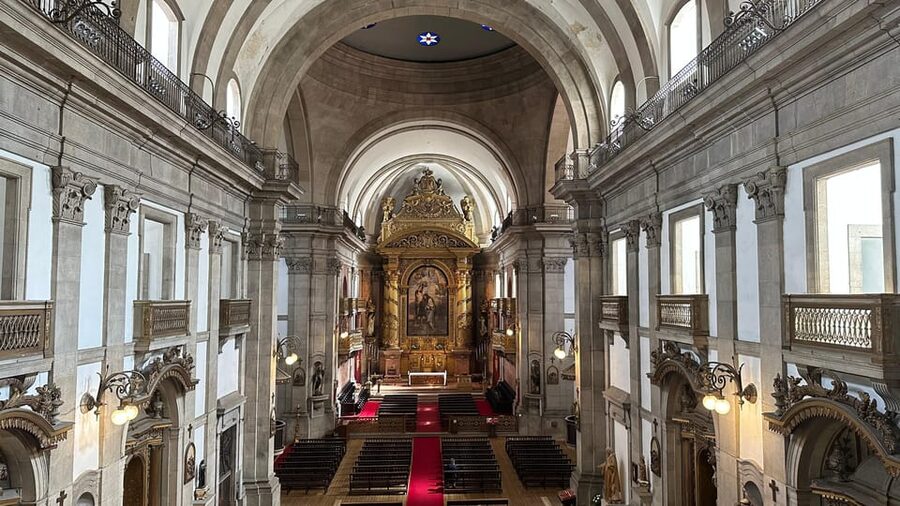
MMIPO Museu da Misericórdia do Porto is one of the strongest parts of the experience. It occupies the city’s oldest charity institution and is described as Porto’s Portuguese Louvre. The guided visit lasts about 30 minutes.
The attraction here is not only the art. The building’s former charitable role gives the collection a social and religious setting. You see sacred relics and art while learning how the institution fits into Porto’s civic life.
Thirty minutes is enough for a pointed introduction, but not a full museum visit. I would treat this as a well-chosen sample rather than a complete survey. If MMIPO catches your attention, plan another visit when you can explore at your own speed.
This stop also strengthens the tour’s balance. Lapa and Trindade show religious spaces in use, while MMIPO adds art and institutional history. Together, they offer more substance than a city walk built only around famous façades.
The optional Palacio da Bolsa visit
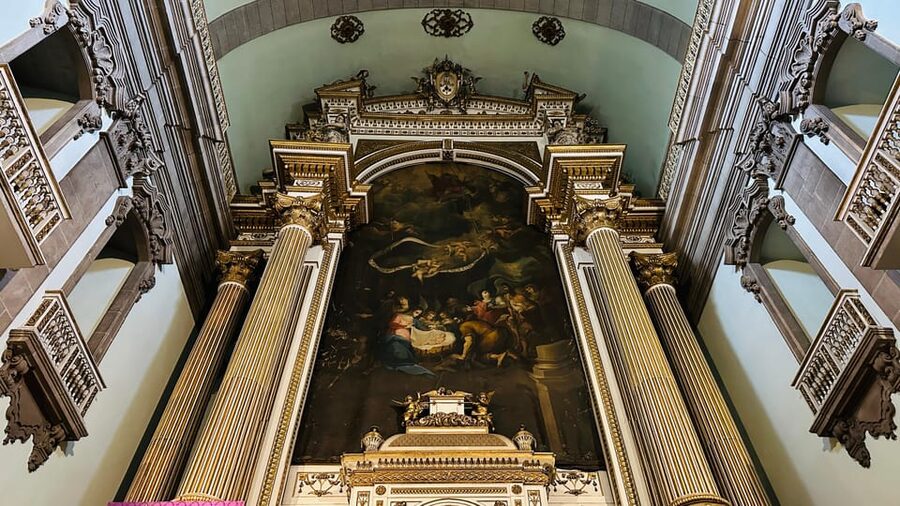
The former Stock Exchange, Palacio da Bolsa, appears as an optional part of the experience. When included, the guided visit is listed at about 40 minutes and ends near Praça do Infante D. Henrique.
The palace is known for lavish rooms, gold-leaf details, and the Arab Room. It represents another side of Porto: commercial ambition, civic power, and formal display. After the cemetery, churches, station, and charity museum, the palace gives the route a grand final interior.
Because the information describes this visit as optional while also listing it among the stops and included features, check the exact arrangement before booking. The price and schedule may depend on whether you select it. Do not assume that every three-hour departure follows precisely the same version of the route.
If the palace is included, it adds real value for visitors who want architecture and decorated interiors. If it is not, you can still finish with the city walk and tasting, but you may want to visit the building separately.
What happens at the olive oil tasting

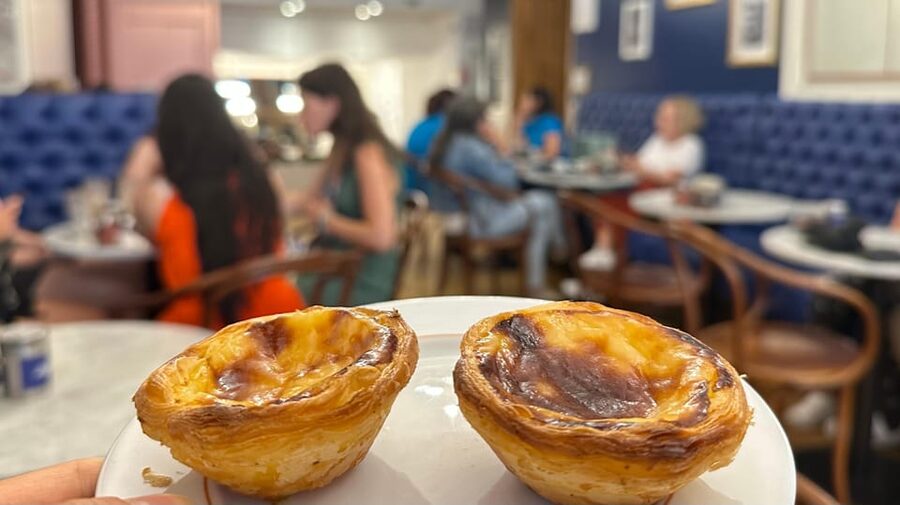
The local olive oil session is the tour’s most practical feature. At a local restaurant, you finish with regional food and a tasting, listed at about 30 minutes.
You learn how to spot better olive oil, identify bold flavors, and understand what local producers and experts look for. That makes the tasting more useful than simply pouring oil onto bread and calling it a day. It gives you a way to compare oils when you shop or eat elsewhere in Portugal.
The tasting also works well after the history-heavy route. You have spent the morning looking at churches, tombs, tiles, and art. The food stop brings the experience back to everyday Portugal, where ingredients matter as much as monuments.
The available information does not specify the exact food served, the number of oils, or whether the meal is a full brunch. I would treat the regional food stop as a tasting and light refreshment rather than planning it as your main meal of the day.
Price, pace, and overall value at $63
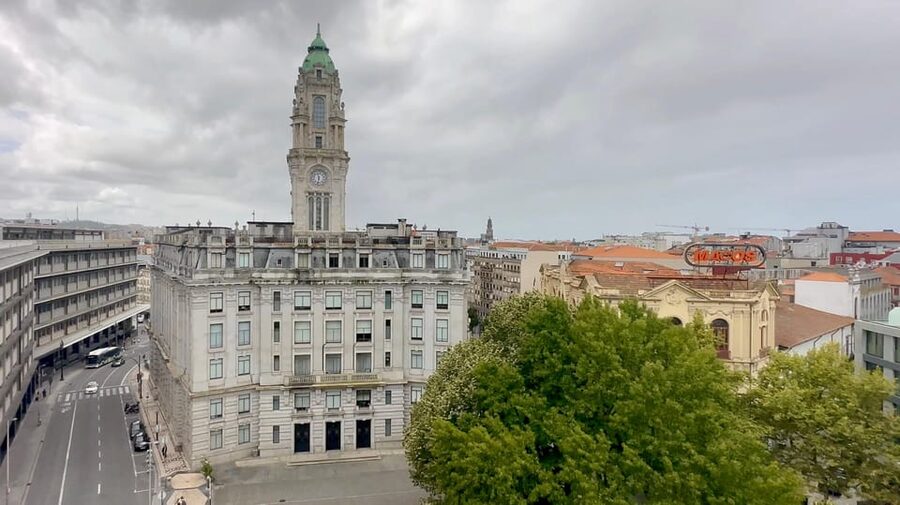
At $63 per person, this is not the cheapest way to stroll through central Porto. You can see Aliados Avenue, São Bento Station, Rua das Flores, and some churches independently. The value comes from the paid entrances, the guide’s interpretation, the museum visit, and the olive oil session.
The price looks stronger if the Lapa Brotherhood, Trindade, MMIPO, and Palacio da Bolsa admissions are all included in your chosen version. The Stock Exchange Palace needs special attention because it is also described as optional. Confirm exactly what your $63 covers before paying.
I would also compare the price with your interests. If you care about art, religious architecture, local stories, and food, the mix is efficient. If you mainly want views, shopping, or port wine, another Porto experience may suit you better.
The three-hour length is both an advantage and a warning. It works well as a compact orientation on your first day. You get a guided introduction, then can return to the places that deserve more time. But the route may feel brisk, especially if you want photos, detailed museum viewing, or long pauses.
Free cancellation up to 24 hours before the start gives you some flexibility, and the reserve-now-pay-later option helps if your plans are still shifting. Personal expenses, souvenirs, and gratuity are not included.
Which guide and language should you choose?
Guiding is available in English, Portuguese, Spanish, Russian, and Ukrainian. Rui is specifically associated with a history and art-centered tour, making him a good fit if you want context about Porto and Portugal rather than only a list of sights.
Oleksandra is another named guide. She adapted the pace for a family with a seven-year-old child, even in very poor weather. That suggests you can explain your needs in advance, especially if you are traveling with children or prefer a gentler rhythm.
The guide’s role matters here because several stops depend on explanation. A cemetery, tile hall, charity museum, and palace can all be visited without help, but the tour’s purpose is to reveal stories and meanings that are easy to miss.
Who should book this Porto experience?
I would choose this tour if you want:
- A history and art-focused introduction to Porto
- A walking route beyond the usual Ribeira circuit
- A cemetery visit with legends and personal stories
- A guided look at São Bento’s tiles
- A short but meaningful museum visit
- A local olive oil tasting
- A multilingual guide who can adapt to a family group
I would hesitate if you dislike walking, need long breaks, or prefer to explore one museum in depth. I would also think twice if the palace is your main reason for booking until you confirm that it is included in your departure.
Should you book Unveiled Secrets of Porto?
Book it if you want Porto explained through its lesser-known corners, not just photographed from the riverfront. The strongest combination is the Lapa cemetery, São Bento’s behind-the-scenes stories, MMIPO, and the olive oil tasting.
The tour is a good match for curious first-time visitors, families who can maintain a steady pace, and anyone drawn to art, architecture, local food, and unusual city stories. Confirm the Palacio da Bolsa option and the exact timing before you reserve. If you are happy with a brisk three-hour walk, the $63 price offers a varied introduction to central Porto.
FAQ
Where does the tour begin?
Meet the guide in front of the entrance to Igreja da Lapa, also called Lapa Church.
Where does the tour finish?
The listed finishing point is Praça do Infante D. Henrique.
How long does the experience last?
The advertised duration is three hours. The route includes several guided visits and walking sections, so the pace can be fairly active.
What languages are available?
The tour is offered in English, Portuguese, Spanish, Russian, and Ukrainian.
Is the Palacio da Bolsa included?
The Palacio da Bolsa is described as optional. Confirm the exact booking details to learn whether its entrance and guided visit are included in your selected version.
Is olive oil tasting included?
Yes. A local olive oil tasting is included, with guidance on recognizing quality and identifying flavors.
What is not included in the price?
Personal expenses, souvenirs, and gratuity are not included.
Can I cancel or pay later?
You can cancel up to 24 hours in advance for a full refund. The reserve-now-pay-later option lets you hold a place without paying immediately.
Newest Porto reviews on the site
- Porto – Old Town Tour with an official guide★ 5.0 · 6 reviews
- Yacht Douro Tour★ 4.8 · 11 reviews
- Vila Nova de Gaia: Porto Discovery Tasting★ 4.8 · 17 reviews
- Visit to a Port Wine Cellar★ 4.8 · 5 reviews
- Vila Nova de Gaia: Winery Tour with 2 DOC Douro & 1 Port★ 4.8 · 101 reviews
- Vila Nova de Gaia: Douro Discovery★ 5.0 · 4 reviews
- WOW Porto: The Wine School Workshops and Tastings★ 4.7 · 20 reviews
- Private Portuguese Cooking and Wine Experience in Porto★ 5.0 · 30 reviews
Food & Drink, compared.

Douro Valley w/ Boat Tour, Wine Tasting & Lunch
Read our review →
Douro Valley Small-Group Tour with Wine Tasting, Lunch and Boat
Read our review →



Douro Valley Tour with Wine Tasting, Cruise and Lunch
Read our review →
Douro Valley Tour: Wine Tasting, Cruise and Lunch from Porto
Read our review →
Porto Food & Wine Tasting Tour with Lunch or Dinner Option
Read our review →Browse the lists this tour appears in