
Reviewed · VILA NOVA DE GAIA TOURS
Exclusive visit to the Astronomical Observatory of Gaia
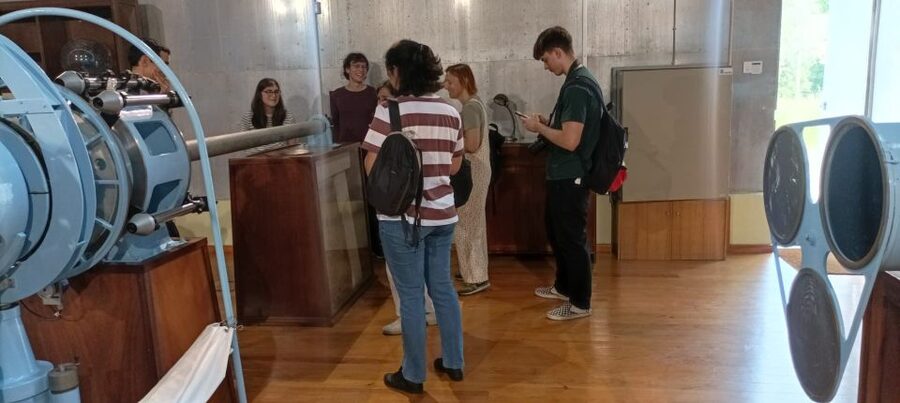
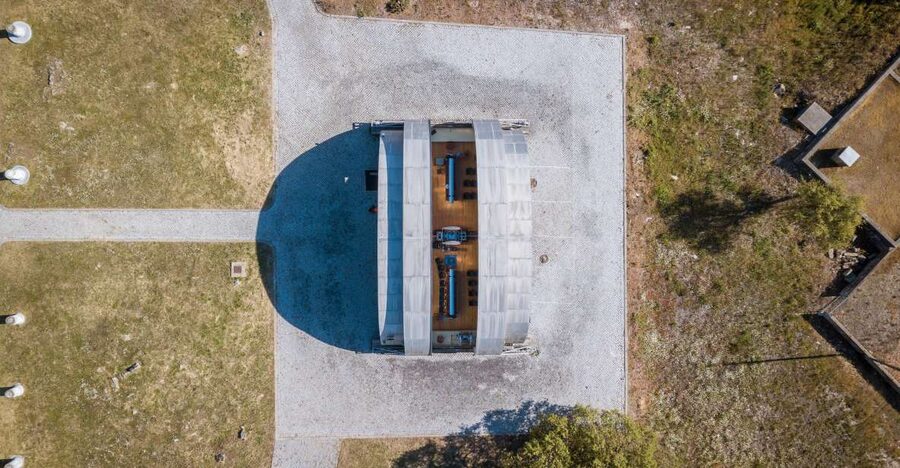
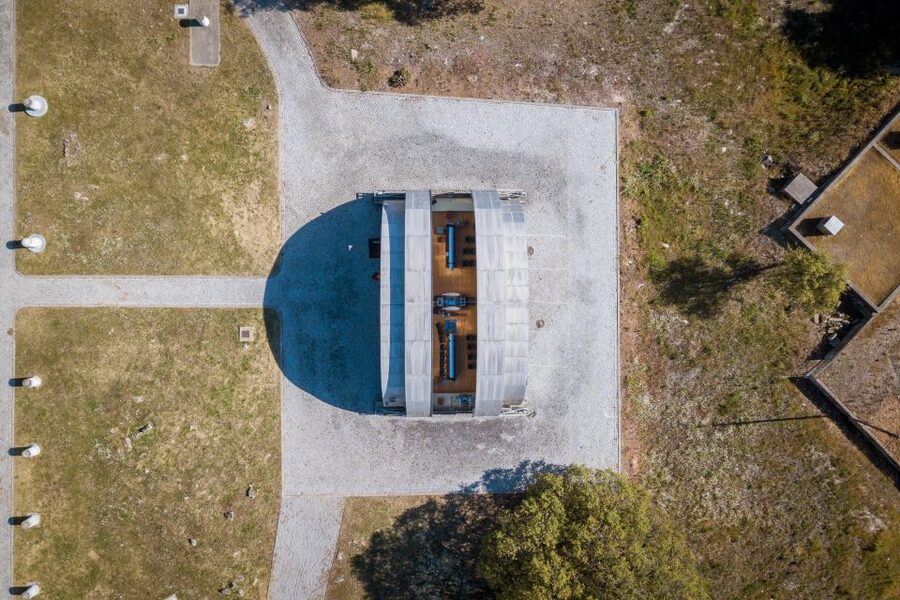
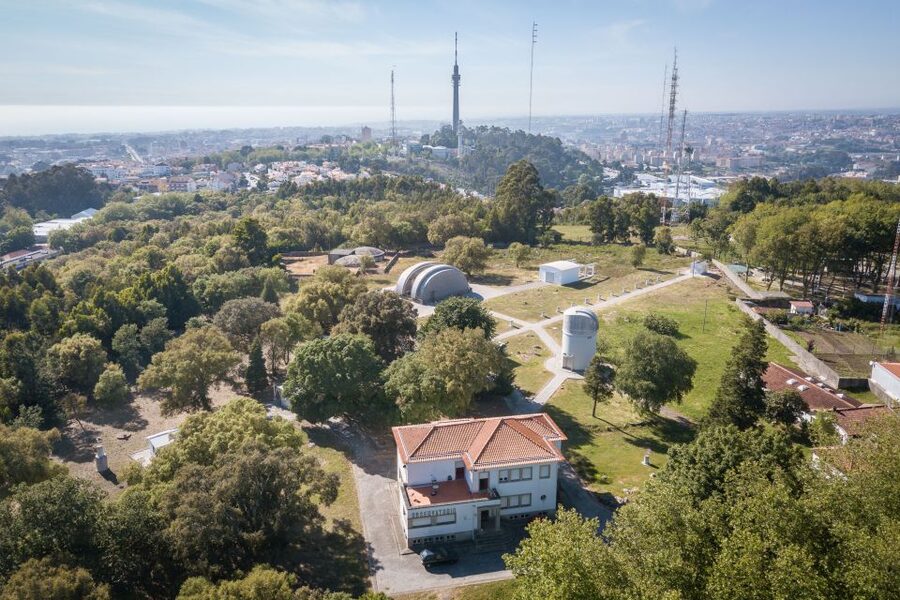
The most unusual feature here is the building itself: a semi-cylindrical observatory whose roof slides open so stars can be watched as they cross the local meridian. Inside is the Mirror Meridian Circle, a rare instrument with only two others like it anywhere in the world.
I like the visit for two reasons. First, it connects astronomy to something ordinary and useful: telling time. Second, the guides are physics students from the Faculty of Sciences, so you get a young, eager explanation rather than a dry museum talk. The main drawback is clear: this is a daytime historical and educational visit, not a night of telescope viewing.
Key points
- A rare instrument: See the Mirror Meridian Circle, one of only three such devices in the world.
- A roof that opens: The observatory was built so its roof could slide aside for precise star observations.
- Time told by stars: Learn how astronomers measured time by tracking stars crossing the local meridian.
- A short guided visit: Plan on about 60 minutes, including two five-minute walks and roughly 30 minutes inside.
- English guidance: Physics students from the Faculty of Sciences lead the visit in English.
- Best for older children and adults: The experience is not suitable for children under 12.
A Small Observatory With a Remarkable Roof
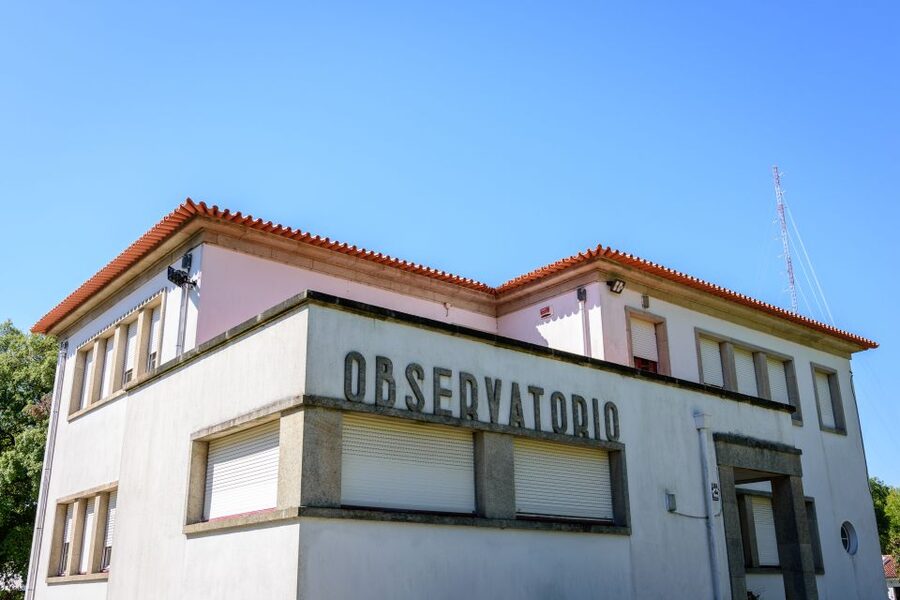
At the top of Monte da Virgem in Gaia, you find an observatory that is easy to overlook. It is not presented as a grand public attraction. Its appeal comes from the odd design, the unusual equipment, and the story of how astronomers once used the stars to keep time.
The building was made for a very specific job. Its semi-cylindrical form allows the roof to slide open, exposing the sky above the instrument. That design is not decorative. It lets astronomers observe stars at the moment they pass across the local meridian, an imaginary line running from north to south through the sky.
That idea may sound technical at first. The guide helps turn it into something you can picture. A star crosses the same line in the sky at a precise moment, and that moment can be used to calculate time. The observatory was built around this task.
I like this kind of visit because the building and the science are hard to separate. You are not simply looking at an old telescope behind glass. The room was shaped around the work, and the roof was made to move for it.
More things to do in Vila Nova de Gaia:
- Porto: Six Bridges Cruise
★ 4.2 · 11,680 reviews - Porto: Taylor’s Port Cellars & Tasting
★ 4.6 · 3,374 reviews - Porto: Charming Sailboat Cruise with Port Wine,Sunset Option
★ 5.0 · 1,978 reviews
The 1948 Observatory and Its 1957 Instrument
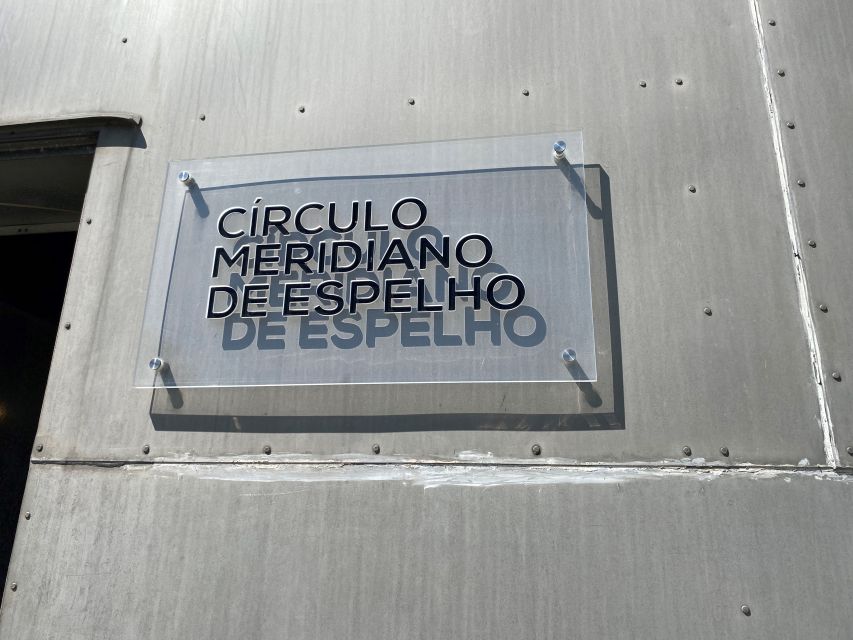
The observatory was created in 1948 to support astronomy studies at the Faculty of Sciences. Nine years later, in 1957, it opened its most notable instrument, the Mirror Meridian Circle.
That timeline gives the visit useful context. This was not an ancient observatory or a royal monument. It belongs to the period when precise astronomical instruments still played an important role in scientific work, even as newer technology was changing the field.
The Mirror Meridian Circle is especially interesting because it is so rare. Only two more examples are installed elsewhere in the world. That makes this a worthwhile stop for anyone interested in scientific instruments, even if you do not normally plan trips around astronomy.
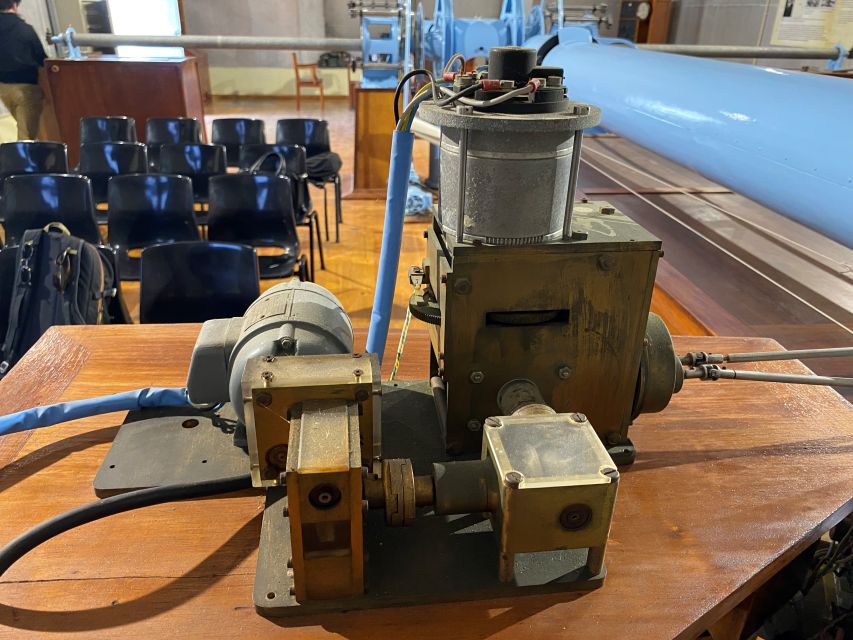
The instrument had two telescopes. The tour explains what they were used for at the time and what role they have now. The supplied information does not give the current technical use in detail, so expect the guide to provide the key explanation on site rather than arriving with a full working manual.
The Five-Minute Walk to Monte da Virgem
The meeting point is in the 4430-146 area of Gaia. From there, the observatory is listed as a five-minute walk away. That is a short transfer, but it is worth arriving ready to walk rather than treating the meeting point as the observatory entrance itself.
The route matters because this is a focused visit, not a large museum complex with a long list of rooms. You walk to the building, enter for the guided portion, and return by the same short route. The full activity takes about an hour.
I would allow a little extra time before the starting hour. The experience depends on a guide gathering the group and taking everyone to a site that may not be obvious at first glance. The available details do not state the group size, so do not assume this is a private visit.
Inside the Observatory: What the Guided Tour Covers
The guided portion lasts about 30 minutes. That may sound brief, but the subject is narrow and the main instrument gives the visit a clear focus.
You can expect the guide to explain:
- Why the observatory was created in 1948
- Why the Mirror Meridian Circle was installed in 1957
- How the sliding roof supports observation
- How stars crossing the local meridian helped astronomers measure time
- What the two telescopes were used for in the past
- What purpose they serve now
The strongest part of the visit is the link between the machinery and the passage of time. Most of us use clocks without thinking about how a precise time standard was established. Here, you see one earlier method in a place designed specifically for that work.
The guides are physics students from the Faculty of Sciences. That detail shapes the tone of the tour. You are likely to get an explanation from someone actively studying the subject, with enthusiasm for the equipment and the science. No individual guide names are provided, so you should not book expecting a particular person.
The available rating is perfect, based on four recorded ratings. That is a small sample, but it fits the most consistent praise: the guides explain the subject with clear passion. The visit works best when you are willing to ask questions and follow the connection between astronomy and timekeeping.
Same city, a completely different kind of day out:
- Vila Nova de Gaia: Port Wine Tasting with Cheese Pairing
★ 4.8 · 1,074 reviews - Porto: 6 Bridges Port Wine River Cruise with 4 Tastings
★ 4.9 · 586 reviews - Porto: Luxury Yacht Tour of the 6 Bridges and Douro Estuary
★ 4.9 · 521 reviews - Porto: Pastel de Nata Cooking Class from Scratch
★ 4.9 · 468 reviews
Why the Mirror Meridian Circle Matters
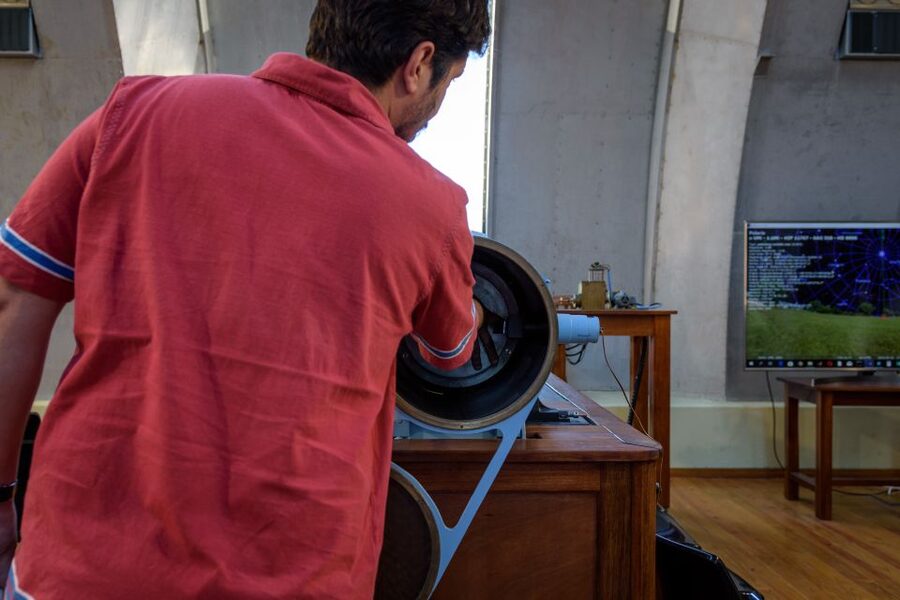
A standard telescope points toward objects in the sky. A meridian instrument has a narrower job. It observes objects as they cross a fixed north-south line, creating a dependable reference point for timing and position.
The Mirror Meridian Circle is an unusual version of that idea. Its two telescopes and the open-roof design make the whole room part of the instrument. The observatory is not merely shelter around a telescope. The architecture supports exact observation.
That is the detail I would pay attention to during the tour. Look up at the roof and think about why it moves. Then look at the equipment and consider the patience required to record a star’s passage with enough precision to help set a clock.
The phrase history of time can sound grand, but the subject is practical. Before modern timing systems became standard, astronomers used predictable movements in the sky as a reference. The observatory lets you see the tools behind that process.
A Day Visit, Not an Evening Under the Stars
The main limitation is that you should not book this expecting nighttime observing. The information supplied for the experience does not promise a night session or live views through the telescope.
That point matters because the setting and subject may suggest an evening astronomy program. They are not the same thing. This is a guided visit about the observatory, its instruments, and the way time was measured.
Two recorded comments specifically wished the equipment were available for nighttime observations. That tells you exactly how to set your expectations. If you want to see stars through a telescope after dark, this short visit may leave you wanting more.
If you enjoy the history of science, unusual buildings, or the practical side of astronomy, the daytime format is still a strength. You can focus on the mechanism without depending on weather, darkness, or a particular celestial target.
Is $17 a Fair Price?
At $17 per person, I consider this a reasonable small attraction for the right audience. You are paying for a one-hour guided experience, access to a rare scientific instrument, and an English explanation from a physics student.
The value is not in the number of rooms or the length of the visit. This is not an all-day museum ticket. Its value comes from the fact that the Mirror Meridian Circle is exceptionally uncommon and that the building was designed around its use.
For a casual visitor who only wants a general astronomy display, $17 may feel high for a 30-minute guided tour. There is no promise of nighttime telescope viewing, and the visit is short. For someone interested in how science was practiced before modern timing tools, the cost is easier to justify.
I would pair it with other plans in Gaia rather than travel across the region for this visit alone. The observatory makes sense as a compact stop during a day spent exploring the area.
Who Will Enjoy This Experience Most?
This visit suits adults and children aged 12 or older who enjoy astronomy, clocks, engineering, or the history of scientific work. You do not need to be a physics expert, but you should have some interest in learning how an instrument works.
It is also a good choice for travelers who prefer small, specialist attractions over major sights. The observatory offers a subject you are unlikely to encounter in a standard city tour.
The visit may not suit you if you want a hands-on telescope session, a long astronomy lecture, or a night sky program. It is also not suitable for children under 12, according to the activity information.
Because the tour is in English, you should be comfortable following a science-focused explanation in that language. The visit lasts only about an hour, so it does not require a major time commitment.
Practical Details Before You Go
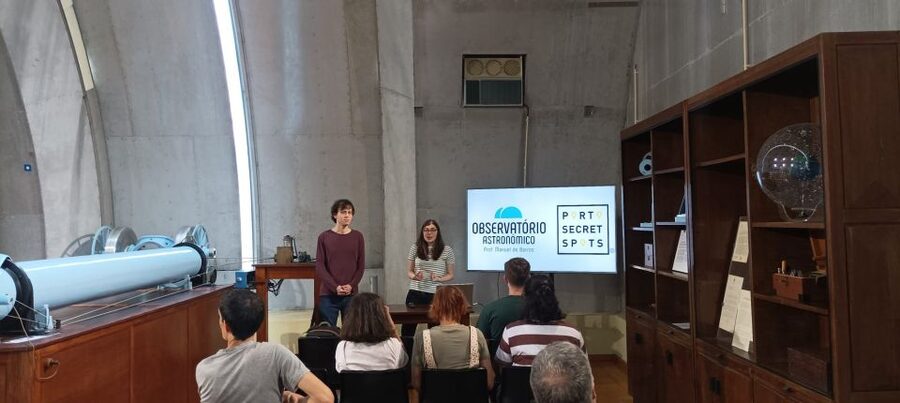
The full visit lasts about 60 minutes. It includes a five-minute walk to the observatory, about 30 minutes of guided touring, and a five-minute walk back. The timing leaves room for the guide to explain the instrument, but not for an extended workshop.
Flash photography is not allowed. Video recording is also not allowed. Bring your attention instead of planning to document the entire visit, since the value is in seeing the instrument while the guide explains its purpose.
The tour is offered in English and includes a live guide. The booking terms allow free cancellation up to 24 hours before the start for a full refund. You can also reserve now and pay later, which is useful if your Gaia plans are still changing.
Starting times vary, so check availability for the day you want. The supplied information does not give a fixed daily schedule.
My Recommendation: Book It If You Like Science With a Human Scale
I would book this visit if the idea of a rare instrument, an opening observatory roof, and the old link between stars and clocks sounds appealing. The enthusiastic physics-student guides are a major part of the experience, and the short format makes it easy to fit into a day in Gaia.
I would skip it if your main goal is nighttime stargazing. The equipment is not presented as available for evening observations, and that was the one clear wish left unmet in the feedback.
For $17, this is a specialized stop rather than a broad sightseeing tour. Go for the unusual building, the Mirror Meridian Circle, and the chance to understand how astronomers used the sky to measure time. If that subject catches your interest, the hour should feel well spent.
FAQ
Where does the observatory visit take place?
The visit takes place at the Astronomical Observatory of Gaia, in the Norte Region of Portugal, at the top of Monte da Virgem. The meeting point is in the 4430-146 area, followed by a walk of about five minutes.
How long does the experience last?
The complete activity lasts about 60 minutes. This includes two five-minute walks and a guided tour of about 30 minutes.
Is the tour offered in English?
Yes. The visit includes a live English-speaking guide.
Can I observe stars through the telescopes at night?
Nighttime telescope observation is not included in the stated activity. The visit focuses on the observatory, its instruments, and the history of measuring time.
Are children allowed to join?
The experience is not suitable for children under 12 years old.
Can I take photographs or record video?
Flash photography and video recording are not allowed during the visit.
Newest Vila Nova De Gaia reviews on the site
- Private Boat Tour 6 Bridges 1h30, group price up to 6px★ 5.0 · 3 reviews
- Porto: The Best Douro Boat Tour★ 5.0 · 14 reviews
- Porto: Taylor’s Port Cellar Tour & WOW Museum Pack★ 4.7 · 24 reviews
- Porto: Private Sailboat Trip with Wine Tasting & Charcuterie★ 5.0 · 9 reviews
- Porto: Porto Bike Atlantic Route★ 5.0 · 4 reviews
- Porto: Museum of the Oldest Appellation in the World Ticket★ 4.5 · 11 reviews
- Porto: Best Exclusive Charming Sailboat Sunset★ 5.0 · 4 reviews
- Port Wine Experience★ 4.9 · 7 reviews
Vila Nova de Gaia Tours, compared.


Charming Sailboat Cruise with Port Wine,Sunset Option
Read our review →

6 Bridges Port Wine River Cruise with 4 Tastings
Read our review →
Luxury Yacht Tour of the 6 Bridges and Douro Estuary
Read our review →

Fonseca Cellar Tour & Fado Show with Optional Dinner
Read our review →Browse the lists this tour appears in