
Reviewed · PORTO PASTEL DE NATA WORKSHOPS
Porto: Pastel de Nata Cooking Class from Scratch
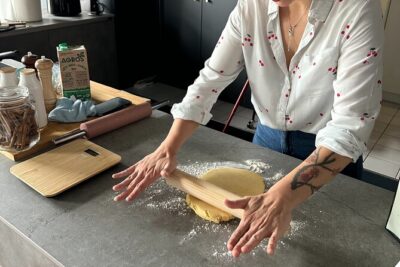
The best thing about this Porto cooking class is that you make the pastry dough from scratch, not just spoon custard into ready-made shells. That extra step takes this beyond a quick baking demonstration and gives you a real chance to understand why pastel de nata has its flaky, layered texture.
I like the friendly, social format, and I like that the class breaks the work into manageable jobs. Instructors such as Clara, Ana, Mariah, Vanessa, and Maria keep the group involved, with two to four people handling each stage while everyone else watches and learns. The main drawback is that it is a shared group workshop, so you may not personally handle every step.
Key points to know before booking
- The dough is made from scratch: This is the feature to choose if you want a recipe you can repeat at home.
- The class lasts 2.5 hours: The pace allows time for preparation, baking, food talk, wine, and warm pastries.
- You work in rotation: The group shares the jobs rather than each person making a separate batch.
- The format is social: Groups can reach 12 people, with a live English-speaking instructor and small-group availability.
- Wine is part of the class: You receive a glass of regional wine, with some sessions offering more than one glass.
- Children under 15 cannot join group workshops: Families with younger children must arrange a private class.
Why the dough matters more than the custard
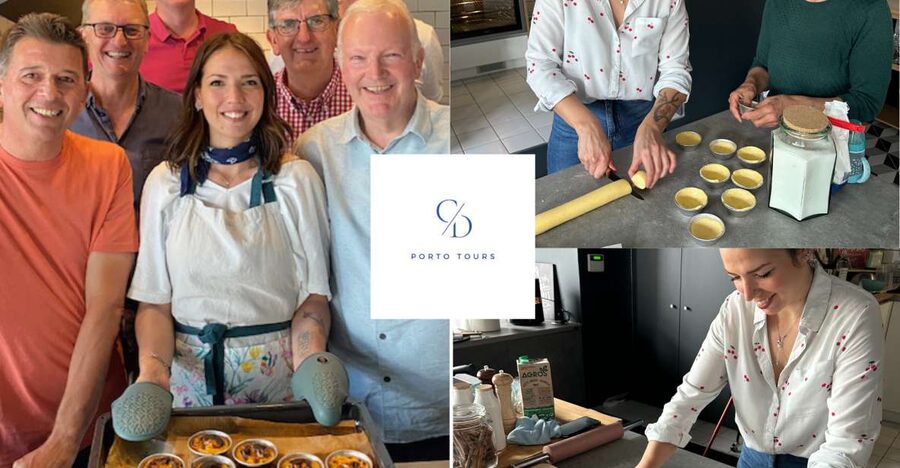
Pastel de nata looks simple in a bakery case: a crisp shell, pale custard, and dark spots from the hot oven. The hard part is the shell. A class that starts with pre-made pastry can teach you the filling, but it leaves out the technique that gives the pastry its character.
Here, you learn the dough as well as the custard. That makes the class more useful if you hope to bake at home. You will not simply leave with a pleasant memory and a full stomach. You will have seen how the pastry is prepared and will receive the recipe digitally afterward through a QR code.
The dough work also gives the class its most satisfying learning moment. You begin to see that a pastel de nata is not just a tiny custard tart. It depends on careful handling, thin pastry, and a process that is easier to understand when you watch it happen in front of you.
You should keep your expectations realistic. A 2.5-hour class cannot turn you into a Portuguese pastry chef. Technique matters, and one participant specifically noted that the recipe is useful but that the instructor’s method is the part you may wish to see again. Still, the class gives you a strong starting point and the confidence to try.
More cooking classes in Vila Nova De Gaia:
- Porto: Pastel de Nata Cooking Class with Port Wine – Sé
★ 4.8 · 888 reviews - Porto: Pastel de Nata Cooking Class with Porto Wine (Sé do Porto)
★ 5.0 · 340 reviews - Porto Local Market Visit & Cooking Class / Showcooking
★ 5.0 · 206 reviews
How the 2.5-hour workshop unfolds
The class begins at the scheduled time, so arrive early. The door closes when the workshop starts, and late entry is not allowed. This rule is unusually strict, but it makes sense in a hands-on kitchen where the instructor has to keep the group together.
Once inside, the instructor introduces the pastry and puts it into a wider Portuguese food and culture setting. You learn about the background of pastel de nata while the group gets ready to cook. The conversation is part of the appeal, especially if you want more than a silent demonstration.
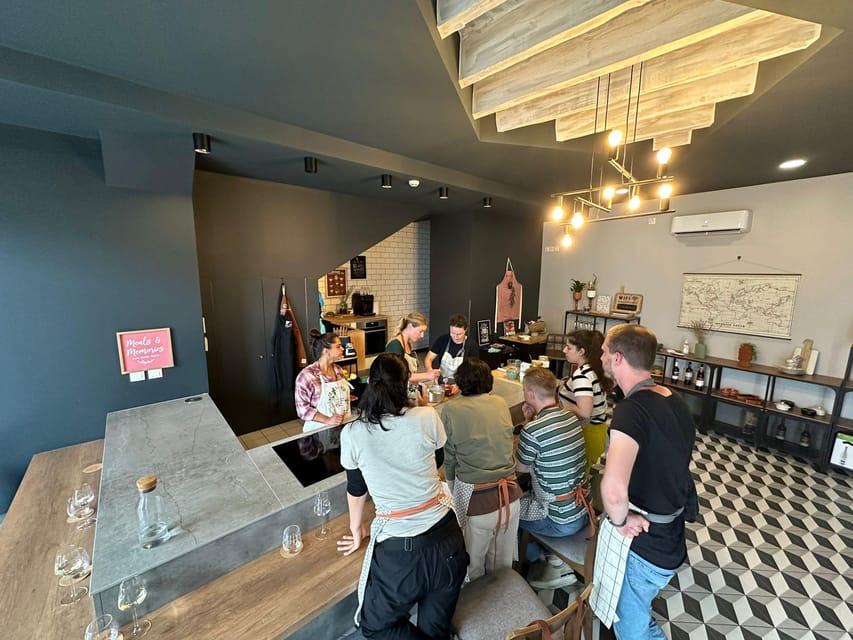
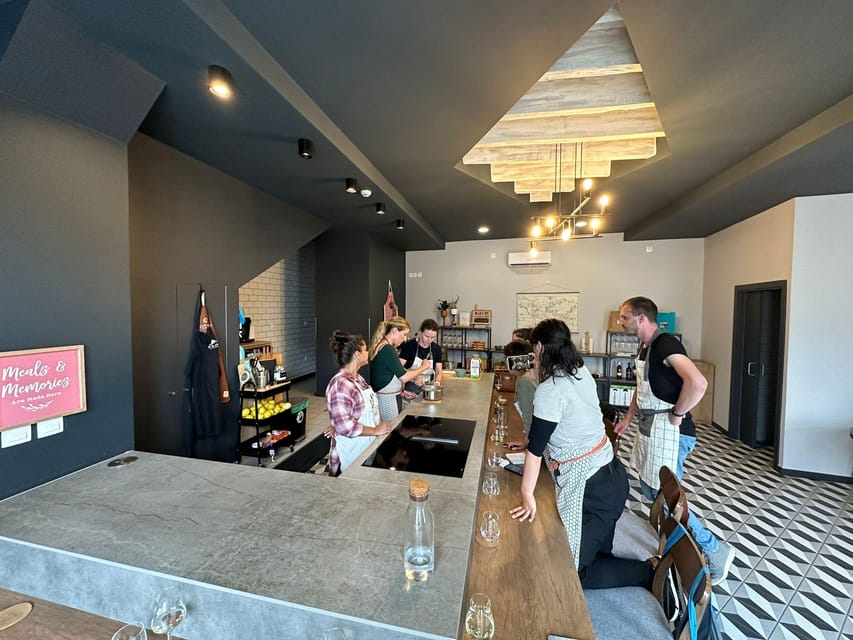
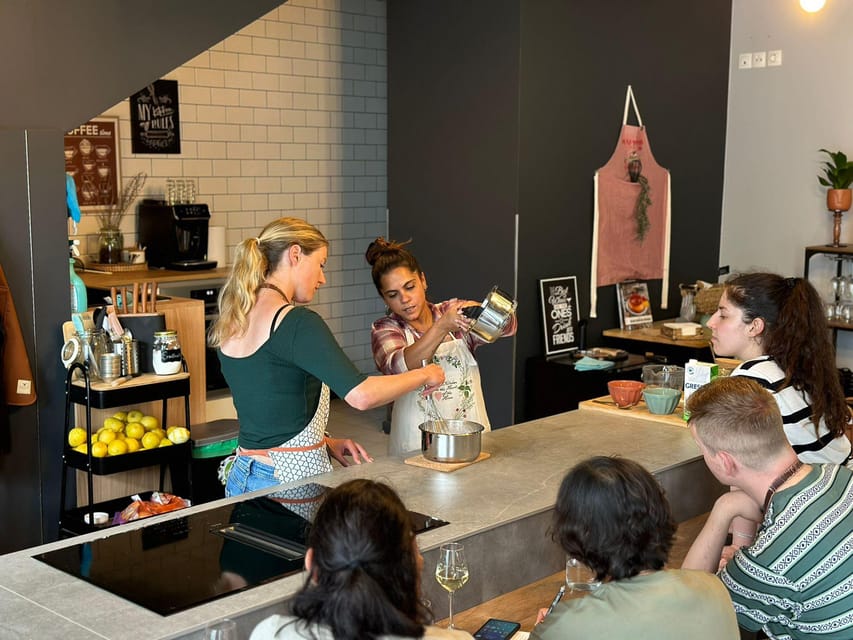
The kitchen is described as modern, with a large table where the group works and sits together. That setup helps the class feel like a shared meal rather than a school lesson. It also gives you a place to talk with other people from different countries while the pastry goes through its stages.
The class is taught in English. The instructors named in the sessions include Clara, Ana, Mariah, Vanessa, Maria, Anna, and Claudia, so your teacher depends on the date and booking option. The strongest common thread is an upbeat teaching style, with clear explanations, jokes, and repeated efforts to include the whole room.
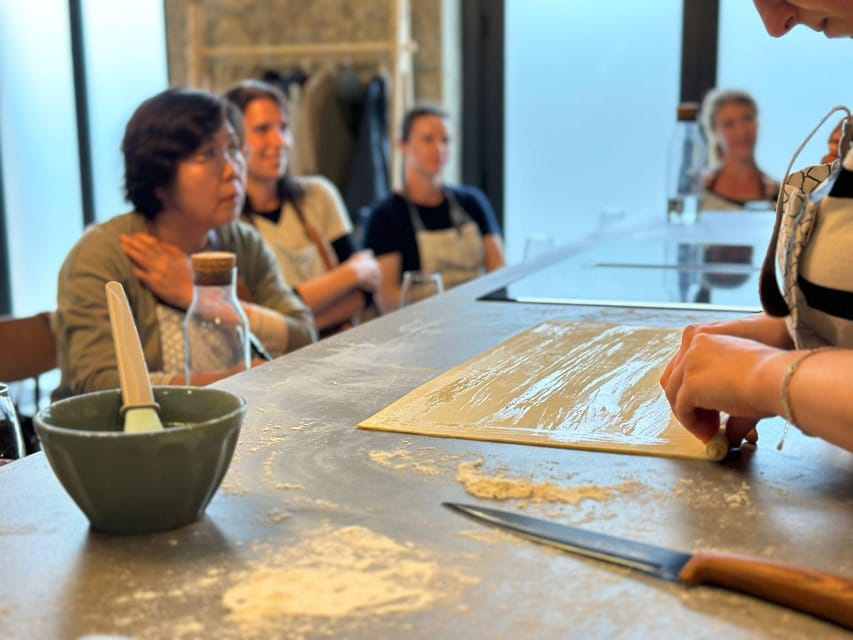
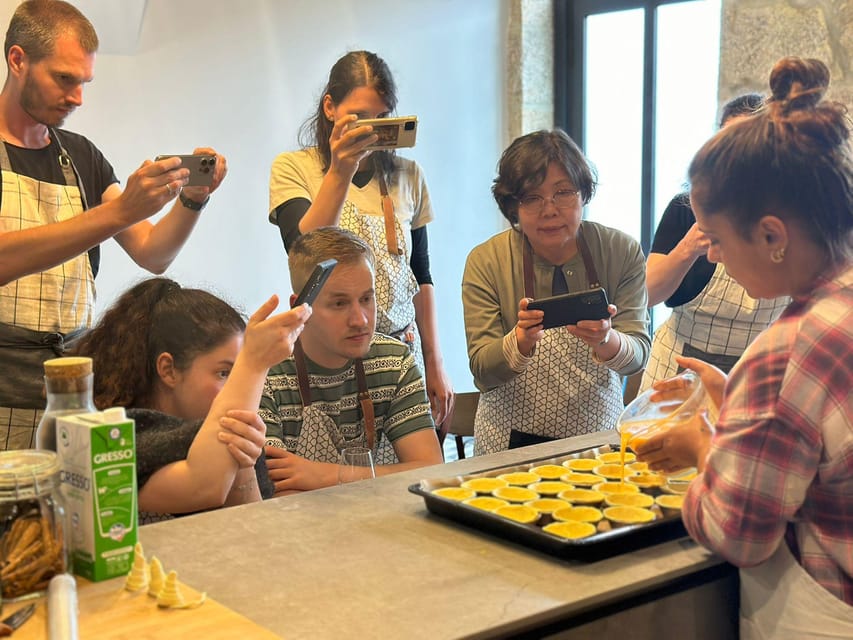
You do not each produce an entirely separate batch. Instead, the group works together. At different points, one or two people, or sometimes two to four people, come forward to complete a task. Then the group watches the next part and changes roles.
That arrangement has two benefits. First, you can learn without the pressure of producing perfect pastry on your own. Second, the class becomes social very quickly. The tradeoff is simple: if you want every participant to make every stage personally, a private lesson would suit you better.
The pastry stage is the hands-on heart of the class
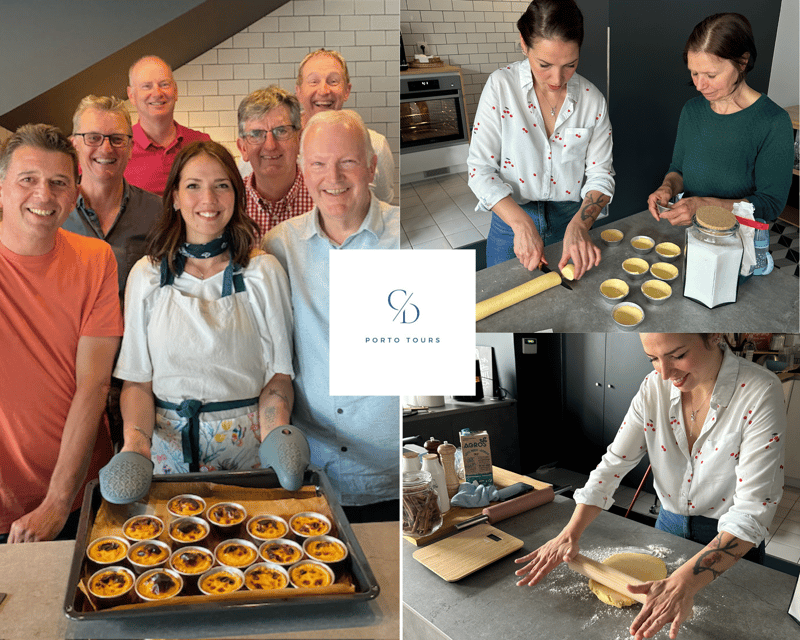
The pastry preparation is the most valuable part for anyone who already buys pastel de nata and wants to understand it. You learn how the dough is handled before it becomes the shell, rather than treating the pastry as an invisible base.
The instructor breaks the work into straightforward steps. This is good news if you are not a confident baker. You do not need advanced cooking skills, and the process is presented as a group of manageable jobs rather than one long technical lecture.
You will have chances to take part, but the amount of hands-on work can vary. In a smaller session, the class may feel more personal. One class had only four participants, which made it easier to interact directly with the host and ask questions.
With a fuller group of up to 12, you should expect more watching between turns. I would not call that a flaw, but it is an important booking detail. The experience is best understood as a collaborative cooking workshop, not a private kitchen lesson.
The instructors also share practical tips along the way. That matters because pastry recipes are often short on paper but full of small techniques. The digital recipe helps you remember ingredients and stages, while the demonstrations show how the work should look and feel.
Making the custard and waiting for the oven
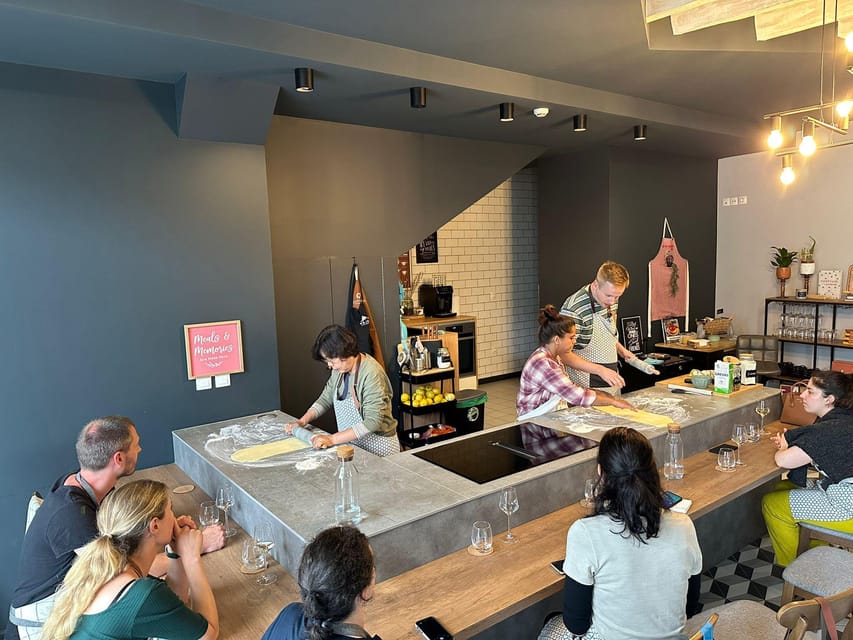
After the dough, the class moves to the filling and assembly. You learn how the custard is prepared and how the pastry and filling come together before baking.
This part is less demanding than the dough, but it completes the picture. You see how the crisp shell and soft filling depend on each other. The class does not leave you with only a recipe for custard or only a pastry trick.
The oven wait becomes part of the social hour. You can talk with the instructor, hear more about Portuguese food customs, and drink the included regional wine. Some participants received two glasses, and one session described the wine as an all-you-can-drink part of the gathering. The formal inclusion is one glass, so you should treat anything more as dependent on the session rather than guaranteed.
There may also be coffee or iced tea, but these extras are not listed as standard inclusions. The dependable drink is the included glass of wine. You must be at least 18 to consume alcohol in Portugal, and anyone who does not drink can still take part in the cooking and pastry tasting.
This oven wait is also where the class feels most like a Porto food experience instead of a technical lesson. You are not only learning measurements. You are talking about food, local customs, and the place pastel de nata holds in Portuguese life.
More pastel de nata workshops in Vila Nova De Gaia:
- Porto: Pastel de Nata Pastry-Making Workshop
★ 4.9 · 1,542 reviews - Workshops Pasteis de Nata in Porto, Portugal
★ 4.9 · 520 reviews - Pastel de Nata | Workshop from scratch | Porto’s city center
★ 5.0 · 449 reviews - Pastel de Nata Workshop in Porto
★ 5.0 · 127 reviews
Warm pastries are the payoff
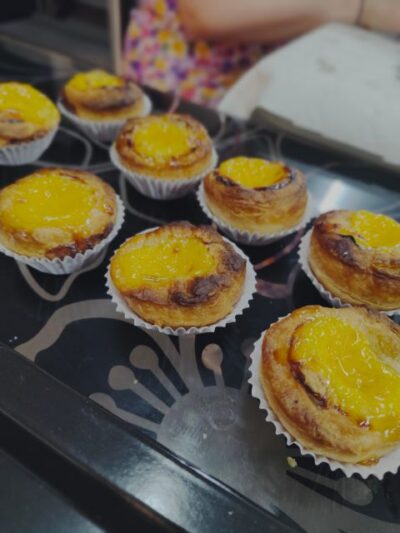
When the pastries are ready, you eat them warm. That timing matters. Pastel de nata is at its most appealing when the shell is fresh and crisp and the custard is still soft.
The exact amount can vary, but participants described eating several pastries each, with one account mentioning three per person and extra pastries to take home. Another session provided one or two to bring away. The listed inclusion is pastries, so you should expect a generous tasting, but not rely on a fixed number.
Taking a few home adds value. You can share them later, though the best ones will be the warm pastries you eat at the workshop. The home portion is a nice bonus, especially if you are fitting this class into a busy Porto visit and want a snack for later.
You also leave with the recipe by QR code. That makes the class more useful than a one-time tasting. You can try the pastry again after returning home, though your first batch may take some practice.
A friendly class, with a few limits
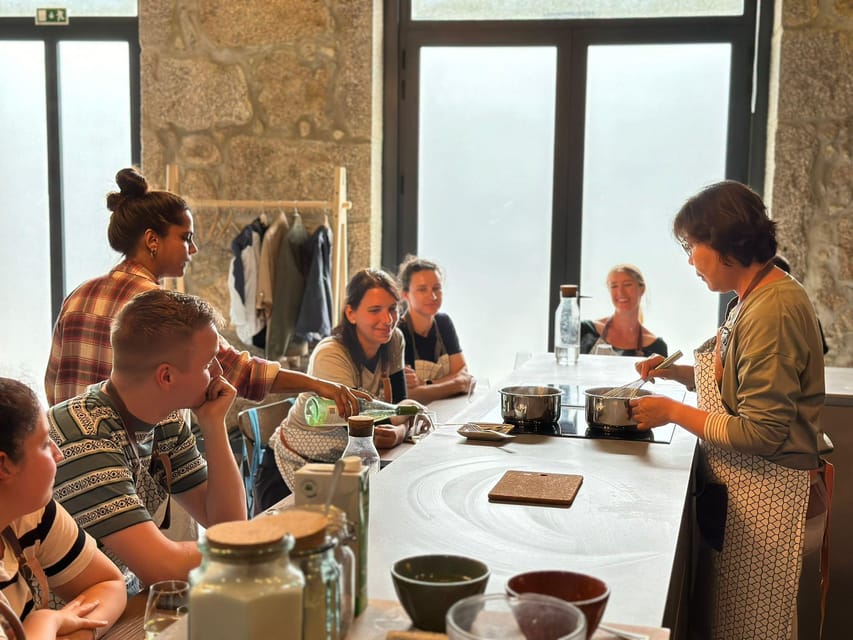
The instructor has a major effect on the experience. Clara, Ana, Mariah, Vanessa, Maria, and the other named teachers are repeatedly described as funny, patient, welcoming, and good at explaining each step. Mariah is especially associated with learning names and helping solo participants feel comfortable. Clara is often praised for clear instructions and a relaxed sense of humor.
That warmth matters because group cooking can feel awkward at first. Nobody wants to be the person who makes a mistake in front of strangers. The shared format lowers that pressure. You can watch someone else complete a stage, then take your turn with the instructor nearby.
The class also works well for solo visitors. You have a natural reason to talk to everyone, and the long table creates easy conversation. Couples and friends will enjoy it too, though you may find yourselves sharing jobs rather than working only with one another.
The limits are clear. Children under 15 cannot join a standard group workshop, and minors cannot attend unaccompanied. Families with younger children need to request a private workshop. Companions who do not have reservations cannot enter the space, even if they are only waiting nearby.
The class is not suitable for people with gluten intolerance or lactose intolerance. Pets, smoking indoors, and arriving intoxicated are not allowed. These are practical restrictions, not small-print trivia, so check them before you book.
Is $50 a fair price?
At $50 per person, this is not the cheapest way to eat pastel de nata in Porto. You can buy the pastry for very little at a bakery. The price is paying for the instructor, the kitchen time, the ingredients, the teaching, the wine, the food conversation, and the chance to make the dough yourself.
I think the value is good if you enjoy food classes or want a hands-on memory from Porto. The recipe and technique make it more useful than a simple tasting, and the 2.5-hour duration gives the session enough time to feel like an activity rather than a quick stop.
The value is less clear if you only want to sample the dessert. In that case, spend a few dollars at a bakery and use the rest of your time elsewhere. You should book this class because you want to learn and socialize, not simply because you want to eat a pastel de nata.
The group size also affects the value. A small group can provide more direct attention. A full group of 12 can still be fun, but you may spend more time watching. If personal practice matters most, ask about a private option.
When this fits best in a Porto trip
This is a useful activity for a rainy day because much of the time is spent indoors in the kitchen. It also works well as a break from walking and sightseeing. The 2.5-hour length is substantial, so do not place it between two tightly timed tours.
A morning session can function as a playful breakfast activity, especially since wine may be served. An afternoon or evening class gives you a social stop after sightseeing. The class also suits your final day if you want an experience that leaves you with a practical souvenir, though remember that the pastry will not travel as well as a packaged food item.
You need to check the meeting point for the option you choose because it can vary. Hotel pickup and drop-off are not included, so plan your own way to the workshop and allow extra time. The no-late-entry rule makes an early arrival worth the effort.
Who should book this pastel de nata class?
I would book it if you meet most of these points:
- You want to learn the dough, not just watch a demonstration.
- You enjoy meeting other people during a trip.
- You can spend 2.5 hours indoors without rushing.
- You are comfortable sharing tasks in a group.
- You want to try the recipe at home later.
- You are at least 15, and at least 18 if you plan to drink wine.
I would skip it if you have gluten or lactose restrictions, dislike group activities, or want each person to make a complete batch alone. I would also avoid booking it as a last-minute add-on if you are likely to arrive late.
Should you book it?
Yes, if you want a friendly, practical food activity rather than a bakery visit. The strongest reason to choose it is the dough-from-scratch format. The warm pastries, regional wine, digital recipe, and cultural conversation round out the class without taking attention away from the cooking.
Book with the group format in mind. You will share the work, and your personal hands-on time may be limited in a full class. For most people, that is a fair trade for a relaxed social experience with a finished pastry to eat and a recipe to try at home.
FAQ
How long does the Porto pastel de nata class last?
The workshop lasts 2.5 hours.
What language is the class taught in?
The live tour guide teaches the class in English.
Do I make the pastel de nata dough from scratch?
Yes. The class includes making the dough, as well as preparing the filling and finished pastries.
Is wine included?
Yes. A glass of regional wine is included. Alcohol may only be served to participants aged 18 or older in Portugal.
How many people can join the group?
Groups can have up to 12 participants. Small-group availability is also offered.
Can children join the group workshop?
Children under 15 cannot join the standard group workshop. Families with younger children need to request a private workshop.
Can someone come along without booking the class?
No. Only participants with reservations can enter the workshop space. Companions are not allowed.
Is hotel pickup included?
No. Hotel pickup and drop-off are not included, and the meeting point may vary according to the option booked.
Can I cancel for a full refund?
You can cancel up to 24 hours in advance for a full refund. You can also reserve now and pay later, subject to the booking terms.
More hands-on workshops in Vila Nova De Gaia
- Matosinhos: Surfing Lesson with Equipment
★ 4.8 · 704 reviews - Porto: Small Group Surf Lesson with Transportation
★ 4.9 · 594 reviews - Porto: Tile-Painting Workshop with Porto Wine – Bainharia
★ 4.9 · 526 reviews - Port Wine class with 3 or 5 Port tasting and pairings
★ 4.9 · 441 reviews
Newest Vila Nova De Gaia reviews on the site
- Private Boat Tour 6 Bridges 1h30, group price up to 6px★ 5.0 · 3 reviews
- Porto: The Best Douro Boat Tour★ 5.0 · 14 reviews
- Porto: Taylor’s Port Cellar Tour & WOW Museum Pack★ 4.7 · 24 reviews
- Porto: Private Sailboat Trip with Wine Tasting & Charcuterie★ 5.0 · 9 reviews
- Porto: Porto Bike Atlantic Route★ 5.0 · 4 reviews
- Porto: Museum of the Oldest Appellation in the World Ticket★ 4.5 · 11 reviews
- Porto: Best Exclusive Charming Sailboat Sunset★ 5.0 · 4 reviews
- Port Wine Experience★ 4.9 · 7 reviews
Porto Pastel de Nata Workshops, compared.
Pastel de Nata Cooking Class with Port Wine – Sé
Read our review →
Pastel de Nata | Workshop from scratch | Porto’s city center
Read our review →
Pastel de Nata Cooking Class with Porto Wine (Sé do Porto)
Read our review →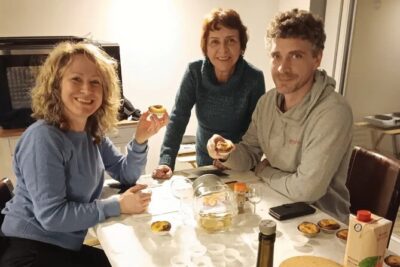
Porto center- Workshop “A nata do BJ” making pasteis de nata
Read our review →
Poças: Guided Tour & Port Wine Tasting with Pastel de Nata
Read our review →Browse the lists this tour appears in