
Reviewed · VILA NOVA DE GAIA TOURS
Exclusive visit to the Geophysical Institute of Porto
The most surprising part of this Porto visit is the story beneath the old building: a 1962 seismic station built by the United States during the Cold War. It was presented as scientific research, but it also helped monitor nuclear testing by the Soviet Union. I like the clear link between local history and global politics, and I like that the tour explains real seismology rather than stopping at a dramatic Cold War tale.
The other strong point is the setting. From Serra do Pilar, you can see all six bridges connecting Porto and Gaia, a view described as unique in the world. The main consideration is the short length: the guided portion lasts about 35 minutes, with the full visit taking roughly one hour, so this suits a focused outing rather than a large museum visit.
Key points to know before you book
- A Cold War seismic station: Explore equipment and ideas connected to the worldwide network created in the 1960s.
- Six bridges from one viewpoint: Finish with an open-air view across Porto and Gaia.
- Science explained in plain terms: Learn how earthquake waves differ from waves caused by nuclear tests.
- Young geology guides: The tour is led in English by geology students from the University of Porto’s Faculty of Sciences.
- A compact one-hour visit: Expect short walks, around 35 minutes inside, and time outdoors for the view.
- Best for adults and older children: The experience is not suitable for children under 12.
The quiet building behind Serra do Pilar
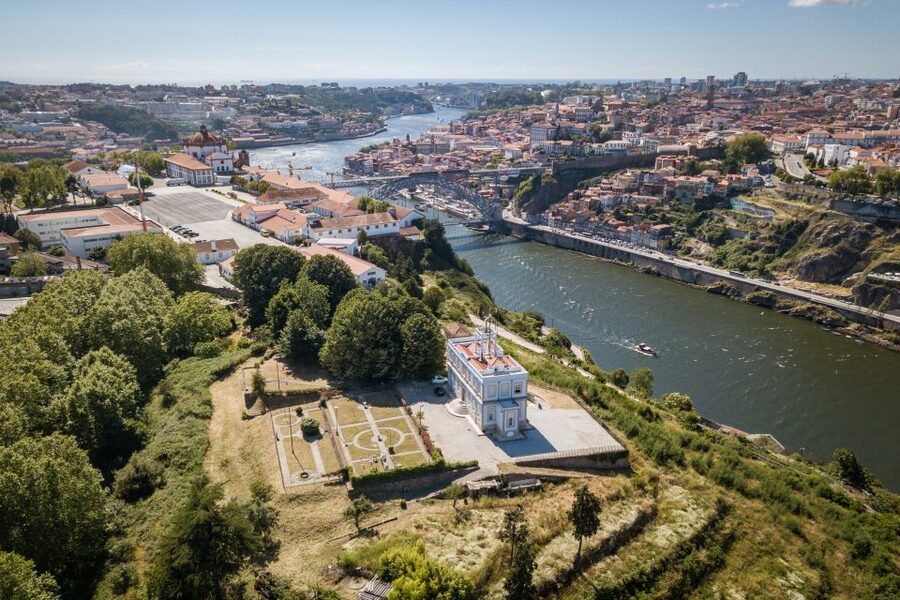
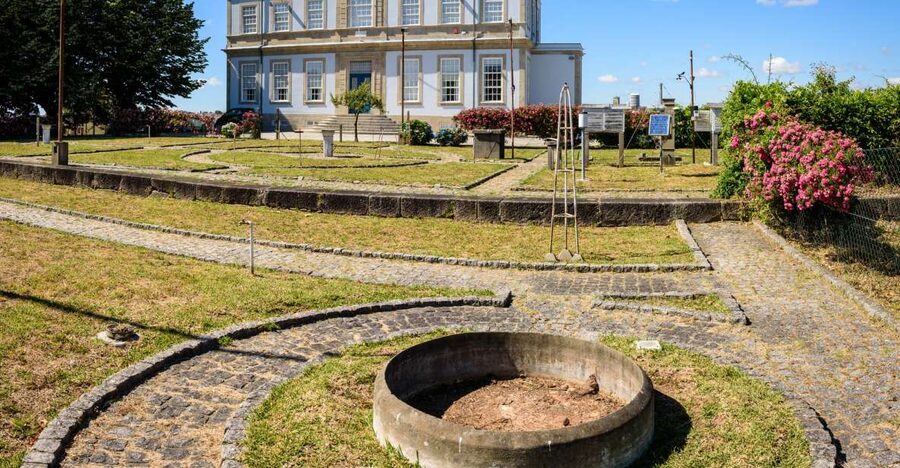
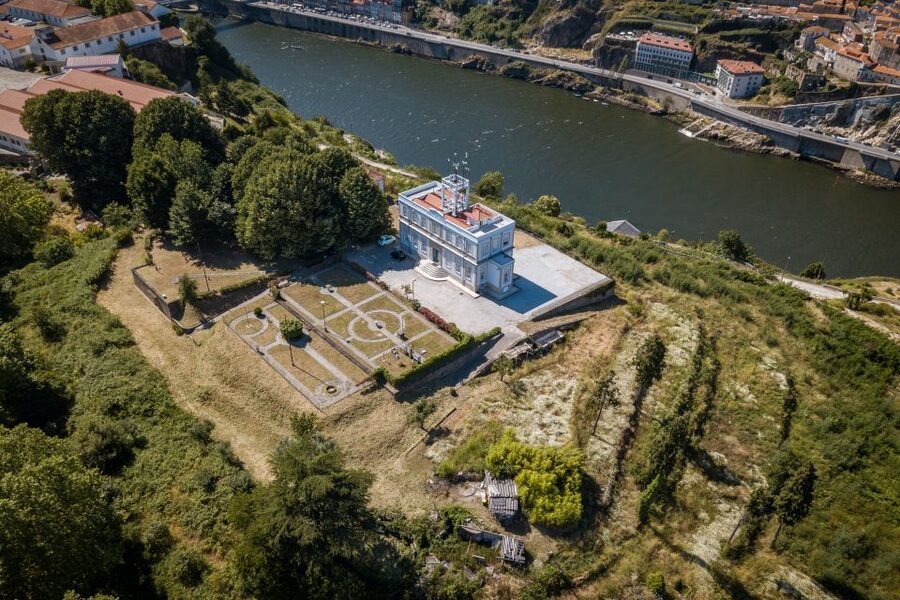
In Gaia, behind the Monastery of Serra do Pilar, a century-old building sits quietly in the middle of Serra do Pilar. It is easy to miss if you are focused on Porto’s churches, riverfront, and port lodges. That is part of the appeal. This is not a grand attraction with a large entrance or a crowded exhibition hall. You are visiting a working scientific site with a story that reached far beyond northern Portugal.
The Geophysical Institute of the University of Porto was created in 1885. Decades later, a seismic station was built there in 1962 with American support. Its official purpose was scientific research, but the station also belonged to a worldwide network of 127 seismic stations created during the Cold War.
That history gives the visit its hook. The instruments could detect earthquakes, but they could also register underground disturbances caused by nuclear tests. At a time when the United States and the Soviet Union were competing to build and monitor nuclear weapons, seismology became part of international security.
I find this local connection especially useful for understanding the Cold War. You do not need to be an expert in military history, physics, or geology. The guide links the global arms race to one modest station in Porto, showing how world events could be observed through movement in the ground.
More things to do in Vila Nova de Gaia:
- Porto: Six Bridges Cruise
★ 4.2 · 11,680 reviews - Porto: Taylor’s Port Cellars & Tasting
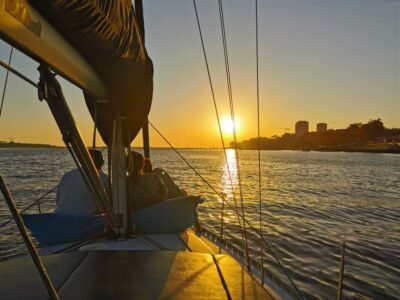
★ 4.6 · 3,374 reviews - Porto: Charming Sailboat Cruise with Port Wine,Sunset Option
★ 5.0 · 1,978 reviews
A five-minute walk to a major story
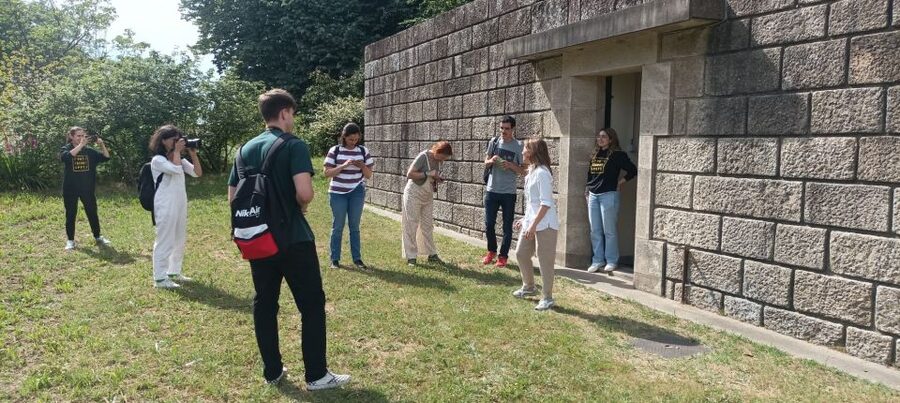
The experience begins at R. 2 23, followed by a walk of about five minutes to the Geophysical Institute. That short walk matters because it keeps the visit connected to the actual setting. You are not being shown a reconstructed display in a distant museum. You are heading to the building where the science took place.
The route is brief, but you should still allow enough time to arrive without rushing. The available information does not give a detailed accessibility description, so anyone concerned about walking conditions should check before booking. The visit is also in English, which is important if you want to follow the technical parts of the explanation.
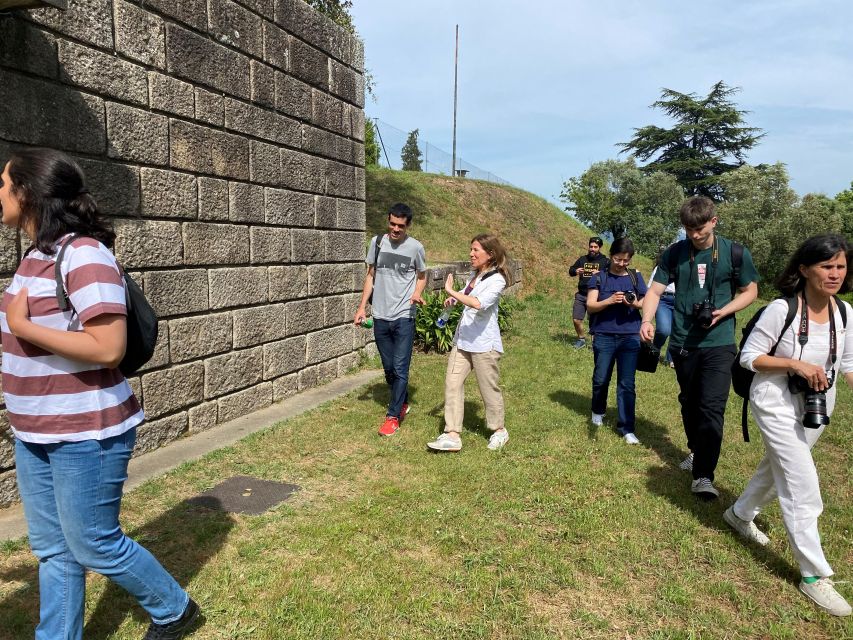
At the building, the guides introduce the station and its place in the University of Porto. They are young geology students from the Faculty of Sciences. Their background gives the tour a direct connection to current scientific study, and the format should appeal to you if you prefer an enthusiastic specialist to a standard scripted sightseeing guide.
No individual guide names are provided, so you should not expect to request a particular person. What is clear is that the tour is led by students who can explain both the science and the Cold War setting.
Inside the 1962 seismic station
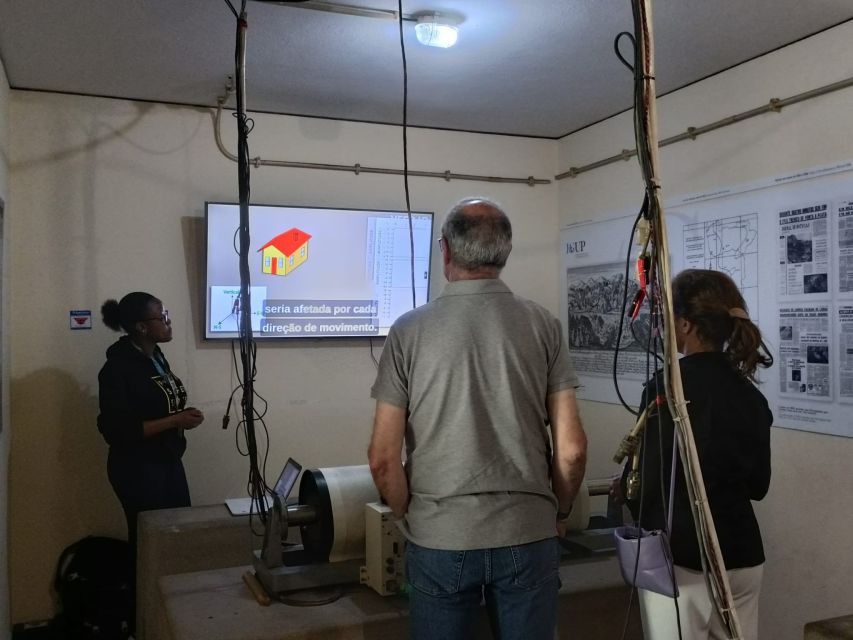
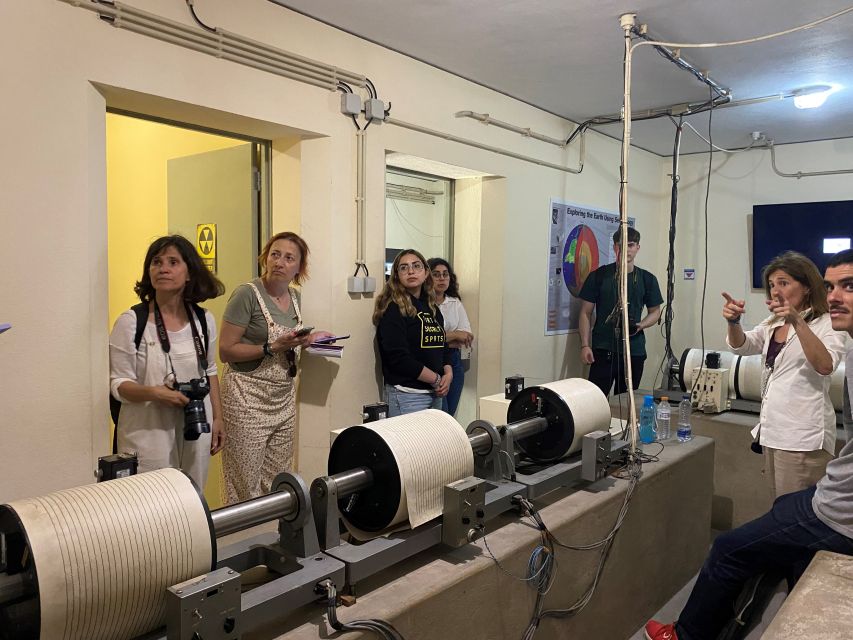
The central guided visit lasts around 35 minutes. That is enough time to cover the main ideas, but not enough for a slow, large-scale museum tour. You will spend the session learning how a seismic station works and why the location mattered.
The most useful part is the comparison between earthquakes and nuclear tests. Both can create seismic waves, but their patterns and effects differ. The guides explain how scientists study those differences, allowing you to see why a station built for scientific monitoring also had military and political importance.
You will also learn how to calculate the epicenter of an earthquake. This is a practical lesson rather than a vague explanation. Several seismic stations can record the same event, and the differences in their readings help scientists locate where the earthquake began. The tour uses the Porto station to introduce that wider process.
The station also helps explain how much information can come from ground movement. An earthquake is a natural event, while a nuclear test is a deliberate explosion. By reading the waves, scientists can work toward identifying the source and type of disturbance.
I like this balance between the human story and the technical side. The Cold War material draws you in, but the seismology gives the visit lasting value. You leave with more than a story about secretive superpowers. You understand, at a basic level, how the ground itself can record events.
Photography has limits. Flash photography and video recording are not allowed. You can still focus on the explanation and the setting, but this is not the place to plan a full video shoot or rely on flash photography for documentation.
Why the Cold War angle works so well
Many Cold War attractions focus on bunkers, weapons, leaders, or espionage. This one takes a quieter route. The subject is a scientific station that helped detect signals from below the ground.
The station’s stated scientific purpose was not the whole story. Its position in the international network made Porto part of a system used to observe seismic activity around the world. The experience explains the official story, the hidden military interest, and the technical problem of telling a nuclear explosion from an earthquake.
That combination makes the visit a good choice if you have already seen Porto’s main monuments and want something less familiar. It also adds a different layer to a trip through Gaia. The city is often associated with port wine cellars and river views, but this tour shows how the area was tied to international scientific and political events.
You should not book this expecting a dramatic spy museum. The appeal is more thoughtful. The building and station are the setting, while the guide provides most of the interpretation. If you enjoy history but dislike long displays of text, the live explanation will likely suit you.
Same city, a completely different kind of day out:
- Vila Nova de Gaia: Port Wine Tasting with Cheese Pairing
★ 4.8 · 1,074 reviews - Porto: 6 Bridges Port Wine River Cruise with 4 Tastings
★ 4.9 · 586 reviews - Porto: Luxury Yacht Tour of the 6 Bridges and Douro Estuary
★ 4.9 · 521 reviews - Porto: Pastel de Nata Cooking Class from Scratch
★ 4.9 · 468 reviews
The final walk and Porto’s six bridges
After the indoor visit, the route returns outdoors. The walk takes about five minutes, and scenic views are part of the final portion of the experience.
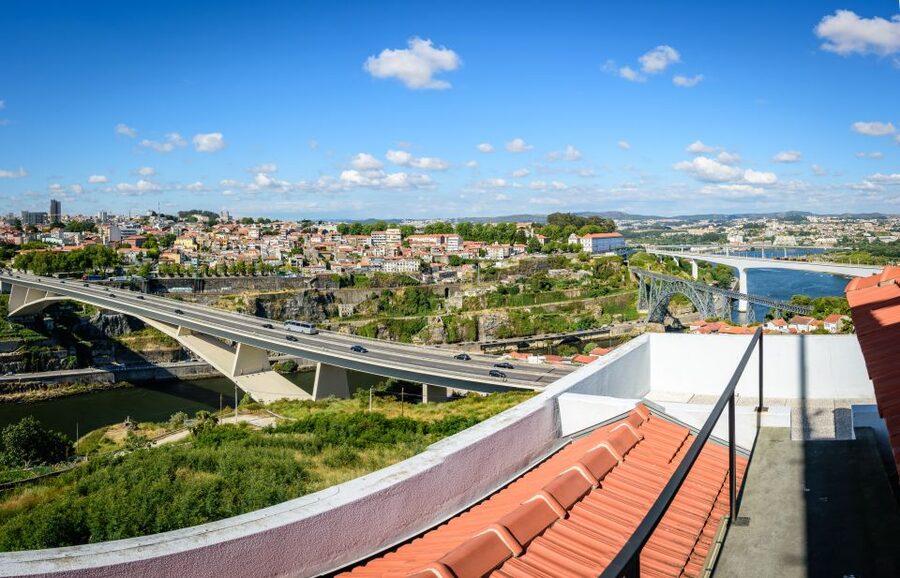
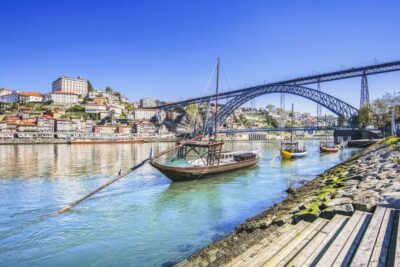
From Serra do Pilar, you can look across the Douro toward Porto and see the six bridges that connect Porto and Gaia. The view is the visual reward at the end of the visit, but it also gives the tour a useful second subject. Inside, you are looking at the hidden forces beneath the ground. Outside, you see the city shaped by the river and its crossings.
The view is described as the only place on earth where all six bridges can be seen together. That is a strong claim, but the practical point is simple: this is an unusually complete vantage point for understanding the relationship between Porto and Gaia.
A small edible surprise is included to mark the view. The details of that treat are not specified, so you should think of it as a modest finishing touch rather than a meal or tasting session.
The outdoor section is brief, listed at around five minutes, so do not treat this as a dedicated viewpoint tour. If you want time for careful bridge photography, city orientation, or a long pause, plan to linger after the official visit if your schedule allows.
What the $17 price gets you
At $17 per person, this is a good-value experience if you care about history, science, or unusual city viewpoints. The price covers a guided visit lasting about an hour, with English instruction and access to a place that is not part of a standard Porto sightseeing route.
The value comes from the combination. A short science talk alone might feel limited, and a viewpoint alone would not justify much time. Together, the Cold War story, seismology lesson, historic building, and six-bridge view make the hour feel purposeful.
Still, keep the scale in mind. You are not paying for a full-day excursion, a large museum, or several attractions. The interior tour is only about 35 minutes, and the walks and scenic portion make up the rest. If you want extensive exhibits or a long guided lecture, you may find the experience too brief.
For many visitors, the modest price makes it easy to add between larger plans. It works particularly well on a day when you are already in Gaia or near Serra do Pilar. The reserve-now-and-pay-later option also helps if you want to keep your schedule flexible, and cancellation is free up to 24 hours before the start time.
Who will enjoy this visit most
I would recommend this tour to you if you enjoy:
- Science explained without requiring advanced technical knowledge
- Cold War history with a local connection
- Smaller, specialist experiences
- Porto viewpoints beyond the usual riverfront scenes
- Short activities that fit around a larger sightseeing day
- Walking tours led by people studying the subject
The experience is not suitable for children under 12. Older children with an interest in science or history might follow it well, but the subject matter and short lecture format may not hold the attention of every young visitor.
It is also a better match for adults who enjoy listening. The station itself is important, but the guide’s explanation gives the place meaning. If you prefer a hands-on attraction with many objects to touch or interactive displays, this may feel restrained.
The English-language format makes the tour straightforward for international visitors. Since the guide explains both the history and the science, you should be comfortable following a spoken presentation in English.
Timing, rules, and useful planning advice
The full activity lasts about one hour. The listed route includes a five-minute walk to the institute, around 35 minutes inside, another five-minute walk, and about five minutes of scenic views.
I would place it before or after another Gaia activity rather than build an entire day around it. The compact timing is one of its strengths. You can learn something unusual without giving up half a day.
Remember that flash photography and video recording are not allowed. Bring your attention rather than planning to record the whole guide talk. You should also check the available start times before booking, since the tour runs at scheduled times and the duration is fixed.
There is currently a 5 out of 5 score from three ratings, with praise focused on the guide’s strong subject knowledge and the view over Porto. That matches the main strengths of the experience: the explanation carries the indoor visit, and the viewpoint gives you a memorable finish.
Should you book the Geophysical Institute visit?
Book it if you want a short, unusual Porto experience that joins Cold War history, seismology, and a six-bridge view. At $17, it offers more substance than a simple lookout stop and gives you a story you are unlikely to hear on a standard city tour.
Skip it if you want a long museum visit, a family activity for children under 12, or a major attraction filled with displays and objects. The station is quiet and the tour is compact. Its success depends on your interest in the subject and the quality of the live explanation.
For curious adults, science fans, history-minded visitors, and anyone who has already seen Porto’s standard sights, I think it is a smart one-hour addition. The unusual setting is the reason to book. The six bridges are the bonus.
FAQ
Where does the experience start?
The starting location is R. 2 23. From there, you walk for about five minutes to the Geophysical Institute.
How long does the visit last?
The complete activity lasts about one hour. The guided visit inside the institute lasts around 35 minutes.
What language is the tour in?
The tour is conducted in English by a live guide.
Who leads the visit?
Young geology students from the Faculty of Sciences of the University of Porto lead the visit. Individual guide names are not provided.
What will I learn inside the institute?
You will learn about the Cold War, the worldwide seismic station network created in the 1960s, the difference between seismic waves from nuclear tests and earthquakes, and how to calculate an earthquake’s epicenter.
Can I see Porto’s bridges during the experience?
Yes. The final outdoor section includes a view of the six bridges connecting Porto and Gaia.
Are children allowed on the tour?
The experience is not suitable for children under 12.
Can I take photographs or record video?
Flash photography and video recording are not allowed.
Can I cancel my booking?
You can cancel up to 24 hours in advance for a full refund. A reserve-now-and-pay-later option is also available.
Newest Vila Nova De Gaia reviews on the site
- Private Boat Tour 6 Bridges 1h30, group price up to 6px★ 5.0 · 3 reviews
- Porto: The Best Douro Boat Tour★ 5.0 · 14 reviews
- Porto: Taylor’s Port Cellar Tour & WOW Museum Pack★ 4.7 · 24 reviews
- Porto: Private Sailboat Trip with Wine Tasting & Charcuterie★ 5.0 · 9 reviews
- Porto: Porto Bike Atlantic Route★ 5.0 · 4 reviews
- Porto: Museum of the Oldest Appellation in the World Ticket★ 4.5 · 11 reviews
- Porto: Best Exclusive Charming Sailboat Sunset★ 5.0 · 4 reviews
- Port Wine Experience★ 4.9 · 7 reviews
Vila Nova de Gaia Tours, compared.
Charming Sailboat Cruise with Port Wine,Sunset Option
Read our review →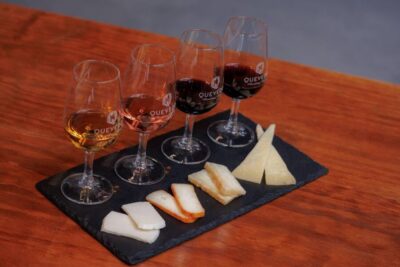
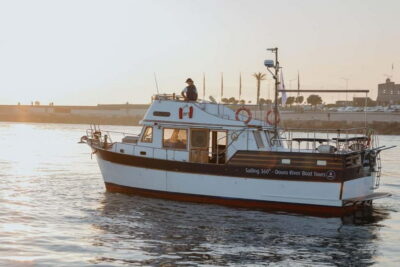
6 Bridges Port Wine River Cruise with 4 Tastings
Read our review →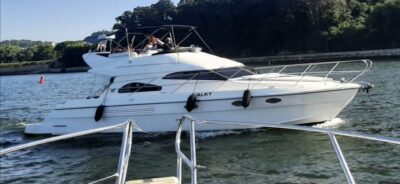
Luxury Yacht Tour of the 6 Bridges and Douro Estuary
Read our review →

Fonseca Cellar Tour & Fado Show with Optional Dinner
Read our review →Browse the lists this tour appears in