
Reviewed · VILA NOVA DE GAIA TOURS
Vila Nova de Gaia: Douro Discovery
The appeal here is simple: in 30 minutes, you taste three Douro D.O. wines while hearing how a five-generation family business built its own Port brand. It is a compact way to add Portuguese wine to your Porto plans without giving up half a day.
I like the small group of eight and the generous 100ml pour for each still wine. I also like the family connection, with vineyards and organic olive groves spread across several Douro properties. The main drawback is the short running time, so this is a tasting introduction, not a full winery visit.
Key points at a glance
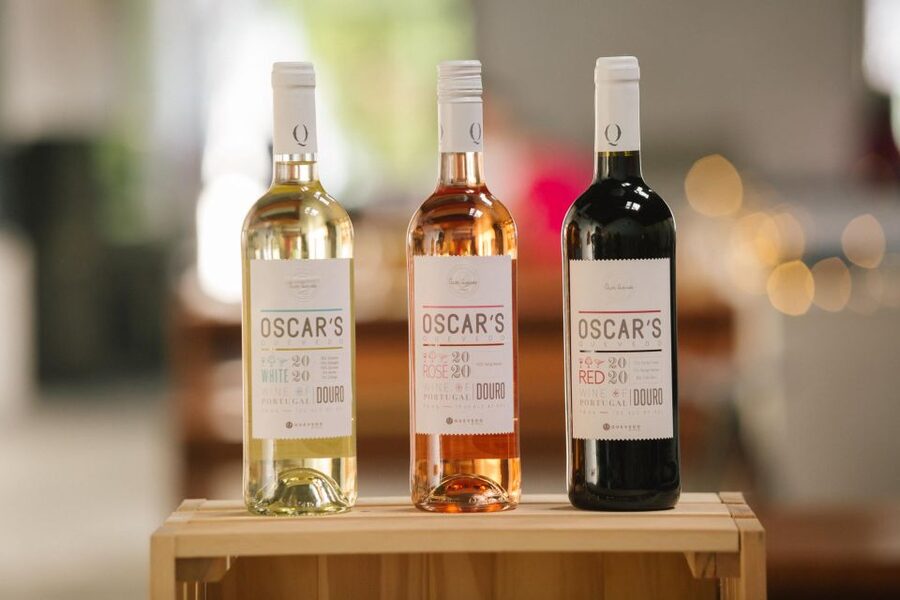
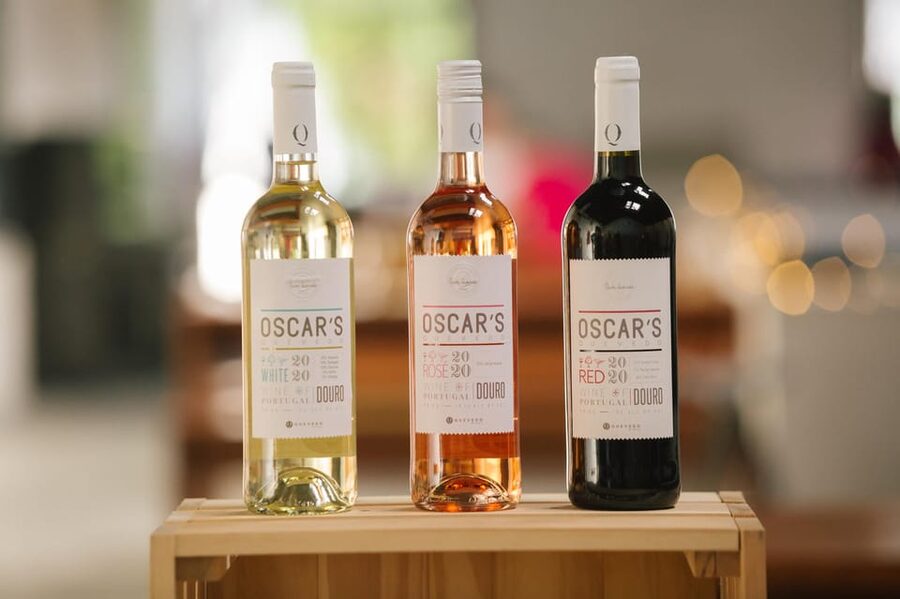
- Three full 100ml pours: Taste Oscar’s Rosé, Oscar’s White, and Claudia’s Reserve Red.
- A five-generation family story: Learn how the Quevedo family began bottling under its own Port brand in 1993.
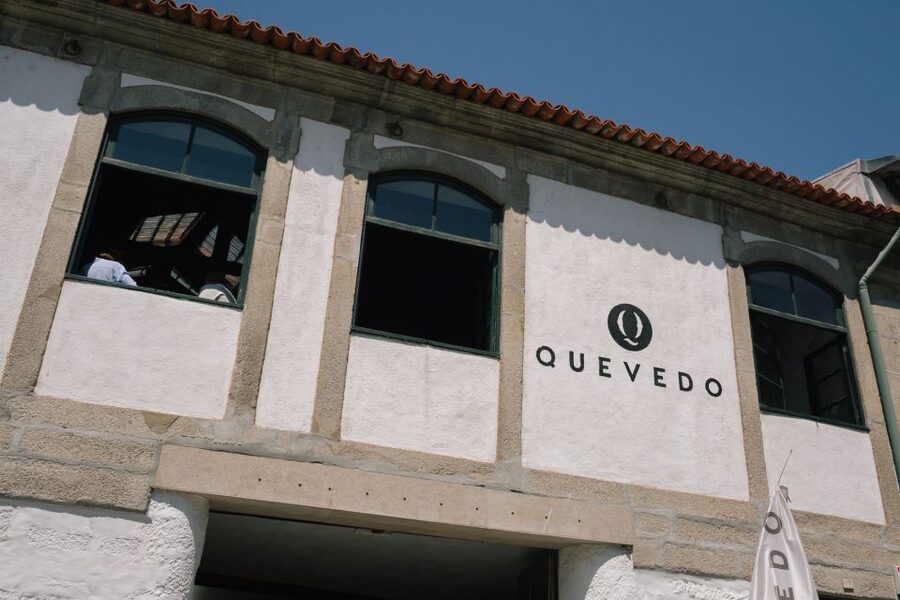
- A central Vila Nova de Gaia setting: Meet the staff at Quevedo Port Wine.
- Small and personal: The group is limited to eight people, with English and Russian support.
- Good value for a short stop: At $20 per person, you get 300ml of wine and guided explanation.
- Adults only: The experience is not suitable for children under 18 or pregnant women.
Three Douro wines in 30 minutes
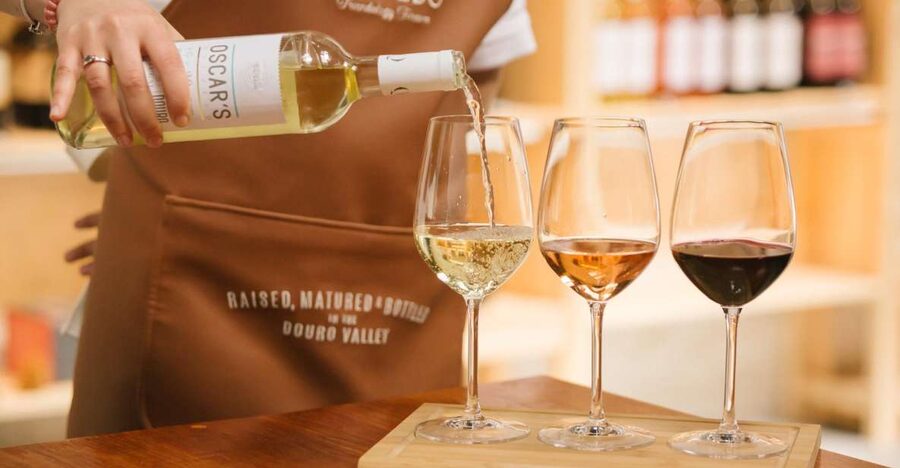
This tasting gives you three different ways to meet Douro wine: a rosé, a white, and a reserve red. Each glass is served at 100ml unless otherwise noted, so the total comes to 300ml per person. That is enough to compare the wines properly, rather than receiving a token sip of each.
You begin with Oscar’s Rosé, followed by Oscar’s White and Claudia’s Reserve Red. The provided details do not specify the exact tasting order beyond this presentation, but the three-wine lineup gives you a clear progression across styles and colors.
I see this as a useful first taste of the Douro rather than a specialist tasting course. You are not promised barrel samples, vineyard transport, or a cellar tour. Instead, the value comes from tasting three wines in one sitting and having the staff explain what you are drinking.
For a visitor who knows little about Portuguese wine, that focused format can work well. You get enough variety to notice differences, while the session remains short enough for a busy day in Porto or Vila Nova de Gaia.
More things to do in Vila Nova de Gaia:
- Porto: Six Bridges Cruise
★ 4.2 · 11,680 reviews - Porto: Taylor’s Port Cellars & Tasting
★ 4.6 · 3,374 reviews - Porto: Charming Sailboat Cruise with Port Wine,Sunset Option
★ 5.0 · 1,978 reviews
Meeting at Quevedo in Vila Nova de Gaia
Your meeting point is Quevedo Port Wine in Vila Nova de Gaia. You should go inside and speak with one of the local staff members. This is worth knowing because the activity does not involve a separate coach pickup or a rural vineyard transfer.
Vila Nova de Gaia is the traditional wine quarter across the Douro from Porto, and a tasting here fits neatly into a day spent exploring the riverfront and Port houses. The activity details describe a cozy lodge, giving the tasting an indoor setting where you can sit, listen, and drink at a measured pace.
The location also keeps the practical side easy. You do not need to plan a trip into the Douro Valley to sample wine made there. You meet the producer’s team in Gaia and hear about the source of the grapes while staying close to Porto’s main sights.
I would allow a little extra time to find Quevedo and identify the right staff member. The formal activity lasts 30 minutes, and late arrival could make a short tasting feel rushed.
A five-generation family wine story
Quevedo presents itself as a small family-owned business with five generations of wine-making experience. That detail gives the tasting a useful human scale. You are not simply sampling anonymous bottles. You are hearing how one family moved from a long tradition of making wine to selling it under its own name.
Portugal joined the European Union in 1986, and Quevedo began bottling its Port wines under its own brand in 1993. That makes the company one of the newer Port houses in the Douro region, despite the family’s older wine background.
This distinction matters. A newer brand does not mean a young wine-making family. The family had generations of experience before it could bottle and market its own Port label. During the tasting, I would listen for how the staff connect that family story with the wines in your glass.
Fernando has been praised for his enthusiasm and ability to explain a lot during the session. Dima has also received especially warm recognition as a guide. Guide assignments can change, but the company lists English and Russian as the available languages.
From five Douro properties to your glass
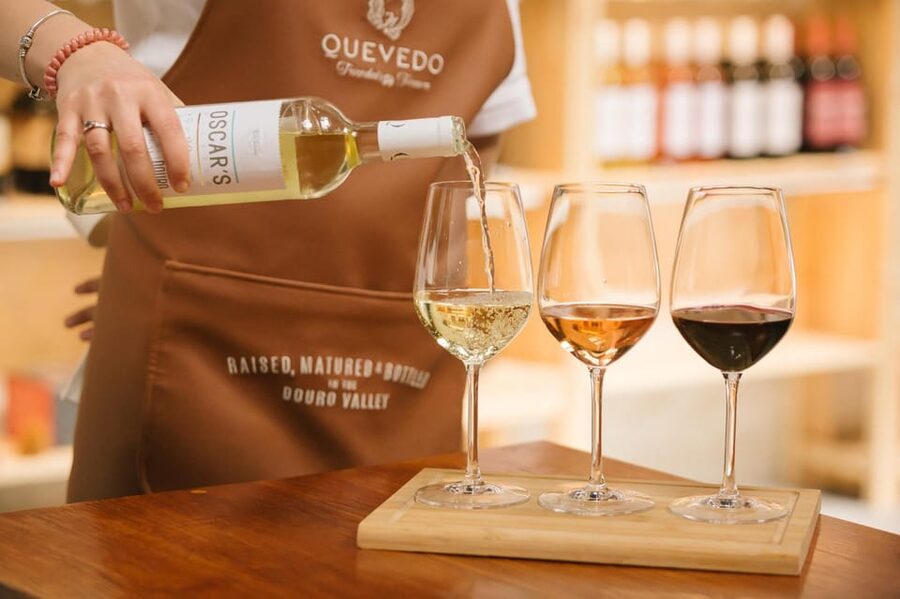
The wines are raised, matured, and bottled in the Douro Valley. The producer places strong importance on where the grapes come from, and it farms 100 hectares of vineyards across five properties in the valley.
That spread of land is more than a farming statistic. Different properties can offer different conditions, grape qualities, aromas, and flavors. The company says this variety helps it make wines with distinct character.
Quevedo also farms 25 hectares of organic olive groves. You will not be tasting olive oil as part of this activity, and the olive groves are not listed as a separate stop. Still, the detail helps you understand the wider family operation and its connection to Douro agriculture.
The staff’s central point is that good wine begins in the vineyard. That is a worthwhile idea to take away from a short tasting. It shifts attention from the bottle alone to the grapes, the properties where they grow, and the choices made before the wine reaches Vila Nova de Gaia.
You should not expect a technical lecture on every vineyard parcel. The session is only half an hour. But you can expect the family’s farming approach to give the three wines a clear sense of place.
Same city, a completely different kind of day out:
- Vila Nova de Gaia: Port Wine Tasting with Cheese Pairing
★ 4.8 · 1,074 reviews - Porto: 6 Bridges Port Wine River Cruise with 4 Tastings
★ 4.9 · 586 reviews - Porto: Luxury Yacht Tour of the 6 Bridges and Douro Estuary
★ 4.9 · 521 reviews - Porto: Pastel de Nata Cooking Class from Scratch
★ 4.9 · 468 reviews
What each glass adds
Oscar’s Rosé
The rosé gives you a light-colored starting point and an easy comparison with the white and red to come. The available information does not describe its grape varieties, sweetness, acidity, or serving temperature, so you should ask the host if you want those details.
A 100ml pour is large enough to assess the wine rather than simply wet your lips. You can look at the color, smell the wine, and take your time before moving to the next glass.
Oscar’s White
Oscar’s White lets you compare a second still wine from the Douro with the rosé. Again, the format is designed for tasting and explanation, not a full technical class. Ask the staff what aromas they notice and how the wine reflects its Douro origin.
The white may appeal most to visitors who prefer lighter wines, but the activity does not provide enough technical detail to predict your personal favorite. The useful part is the side-by-side comparison.
Claudia’s Reserve Red
Claudia’s Reserve Red completes the tasting with a fuller red wine. The word reserve suggests a more developed style, but the supplied information does not state how long it was aged or what grapes it contains. Your host is the right person to ask.
Ending with the red gives the tasting a natural finish. You can compare its aroma, body, and finish with the first two wines, then decide which bottle or style you would like to explore further.
Why the small group matters
The maximum group size is eight people. That is a strong feature for a tasting that depends on conversation. You have a better chance of asking about Portuguese wine, Douro vineyards, or the family business without competing with a large crowd.
A small group also suits first-time wine drinkers. You can ask basic questions without feeling out of place, while more experienced drinkers can request specific information about the wines.
The experience is wheelchair accessible, which makes the indoor setting more practical for many visitors. The activity is limited to adults, and it is not suitable for children under 18 or pregnant women.
The host or greeter language is Russian or English. If you need another language, this experience may not be the right fit. Confirming your preferred language before booking is sensible, especially if the explanation is an important part of the visit.
Is $20 good value?
At $20 per person, the price is reasonable for three 100ml pours and a guided introduction in central Vila Nova de Gaia. You receive about two standard glasses of wine in total, split across three bottles. That is a meaningful tasting rather than a tiny sample flight.
The value depends on what you want. If you want to understand the difference between several Douro wines and hear a producer’s story, the price works well. If you want a long cellar visit, vineyard scenery, food pairings, or a full meal, this will feel too limited.
Additional wines and snacks are not included. That keeps the base cost clear, but you should budget extra if you want to continue tasting after the included three glasses. The provided details do not list snack choices or prices, so ask the staff before ordering more.
The reserve-now-and-pay-later option can help if your Porto schedule is still shifting. You can hold a place without paying immediately, and free cancellation is available up to 24 hours before the activity for a full refund.
The 30-minute timing: useful or too short?
I see the short duration as the main feature and the main limitation. Thirty minutes fits neatly between sightseeing stops. You can add it before lunch, after a walk along the river, or during an afternoon of visiting Gaia’s wine houses.
The same short format means the conversation must stay focused. You will taste three wines and receive an introduction to the family, the Douro Valley, and the producer’s farming approach. You will not have much time for a broad lesson on Portuguese wine regions or a detailed look at production methods.
If you are new to Portuguese wine, the session can give you a starting point for further tasting. If you already know Douro wine well, you may wish for more depth. In that case, use the host’s time for specific questions about the three bottles and the vineyard properties.
Do not plan the tasting as an all-day event. It is best treated as a compact stop with a clear beginning and end.
The hosting makes the difference
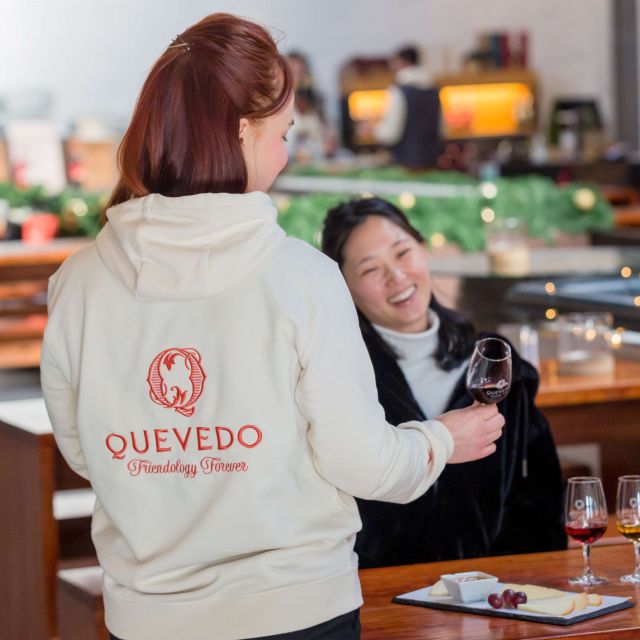
Wine tastings are only as good as the person guiding them. Fernando has been praised for his enthusiasm and for explaining a lot during the tasting. That matters here because the activity is short. A warm, focused host can turn 30 minutes into a useful introduction rather than a quick pour-and-go stop.
Dima has also been singled out as an excellent guide. Staff assignments are not guaranteed, so you should not book on the assumption that either person will lead your session. Still, their recognition points to the kind of personal hosting the company aims to provide.
The best approach is to arrive ready with one or two questions. Ask about the grapes, the Douro properties, the difference between the reserve red and the other wines, or how the family began bottling under its own name. That gives the host a chance to tailor the explanation to your interests.
A tasting room can feel formal if you simply sit back and wait. A few questions make the experience more useful, especially when the group is limited to eight.
A note about the mixed feedback
One piece of feedback praised a lights show and raised a concern about waiting outside in heavy rain. A lights show is not included in the stated three-wine Douro Discovery program, so you should not book this activity expecting one.
The rain complaint also appears to relate to entry rather than the wine tasting itself. Still, it offers a practical lesson: if the weather is poor, be prepared for the possibility of a short wait before entry. The provided information does not promise a covered waiting area or specify an arrival procedure beyond speaking with Quevedo staff.
Once inside, the tasting is described as taking place in a cozy lodge. For a rainy day in Gaia, an indoor wine stop may be welcome, but you should avoid arriving at the last second.
Who should book this tasting?
I would choose this for an adult who wants a low-cost introduction to Douro wine and has only a short gap in the schedule. It also suits couples or small groups who prefer a calm tasting with room for questions.
It is especially useful if you are already visiting Vila Nova de Gaia for Port houses and want to compare another producer’s wines without committing to a long tour. The family story and vineyard details give the tasting more substance than a simple flight served without context.
I would look elsewhere if you want transportation into the Douro Valley, vineyard walks, a meal, snacks included in the price, or a longer lesson. None of those features is part of this 30-minute experience.
Should you book Douro Discovery?
Book it if you want three substantial tastings for $20, a central Gaia location, and a short explanation of how one family farms and makes wine in the Douro Valley. The limited group and warm hosting from staff such as Fernando and Dima add to its appeal.
Skip it if you need a full winery day or dislike tasting experiences that move at a quick pace. For most adults building a Porto itinerary, though, this is an easy, practical introduction to Portuguese wine, with enough variety to help you decide what to try next.
FAQ
How long does the Douro Discovery tasting last?
The tasting lasts 30 minutes.
How many wines are included?
Three Douro D.O. wines are included: Oscar’s Rosé, Oscar’s White, and Claudia’s Reserve Red.
How much wine is served?
Each still wine tasting is 100ml unless otherwise noted, for a total of 300ml across the three included glasses.
Where do I meet the host?
Go to Quevedo Port Wine in Vila Nova de Gaia and speak with one of the local staff members.
What languages are available?
The listed languages are English and Russian.
Can children attend the tasting?
No. The activity is not suitable for children under 18. It is also not suitable for pregnant women.
Newest Vila Nova De Gaia reviews on the site
- Vila Nova de Gaia: Porto Discovery Tasting★ 4.8 · 17 reviews
- Visit to a Port Wine Cellar★ 4.8 · 5 reviews
- WOW Porto: The Wine School Workshops and Tastings★ 4.7 · 20 reviews
- Private Boat Tour 6 Bridges 1h30, group price up to 6px★ 5.0 · 3 reviews
- Porto: The Best Douro Boat Tour★ 5.0 · 14 reviews
- Porto: Taylor’s Port Cellar Tour & WOW Museum Pack★ 4.7 · 24 reviews
- Porto: Private Sailboat Trip with Wine Tasting & Charcuterie★ 5.0 · 9 reviews
- Porto: Porto Bike Atlantic Route★ 5.0 · 4 reviews
Vila Nova de Gaia Tours, compared.



Charming Sailboat Cruise with Port Wine,Sunset Option
Read our review →
6 Bridges Port Wine River Cruise with 4 Tastings
Read our review →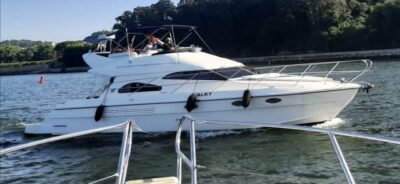
Luxury Yacht Tour of the 6 Bridges and Douro Estuary
Read our review →
Fonseca Cellar Tour & Fado Show with Optional Dinner
Read our review →Browse the lists this tour appears in