
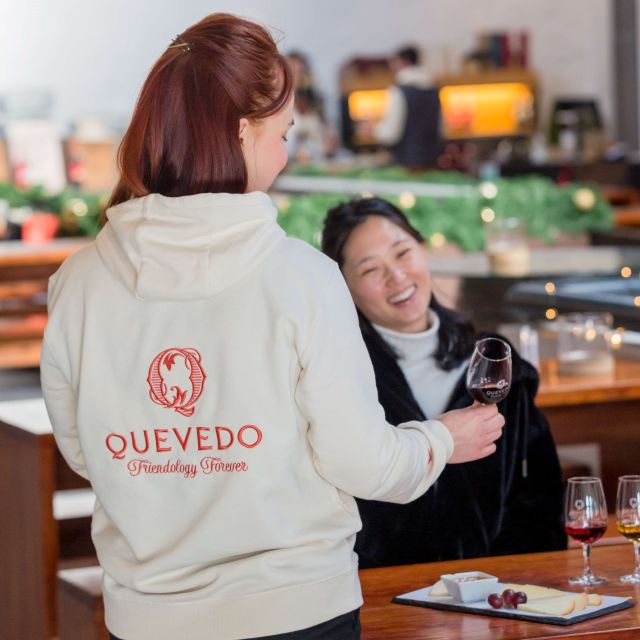
Reviewed · VILA NOVA DE GAIA TOURS
Vila Nova de Gaia: Porto Discovery Tasting
The most appealing part of this tasting is its compact tour through four very different Ports, from bright Rosé to a mature 10 Year Old White. You meet the Quevedo team at its lodge in Vila Nova de Gaia, where the focus is on the wine rather than a long formal tour.
I like the small group of up to eight, which gives the tasting a more personal feel. I also like the family connection: Quevedo has five generations of Port-making experience and farms vineyards and organic olive groves in the Douro Valley. The main drawback is simple: no snacks are included, so you get four wines and the explanations, but nothing to eat alongside them.
Key points at a glance
- Four distinct Ports: Rosé, Reserve Ruby, Special Reserve Tawny, and 10 Year Old White
- A five-generation family business: Quevedo began bottling under its own name in 1993
- Douro Valley origins: The wines are raised, matured, and bottled where the grapes are grown
- A personal guide-led tasting: Ines has been praised for her warmth, humor, and clear explanations
- Thirty minutes well spent: A useful introduction before exploring more of Gaia’s wine lodges
- Small and accessible: Groups are limited to eight, and the space is wheelchair accessible
Four Ports in Thirty Minutes
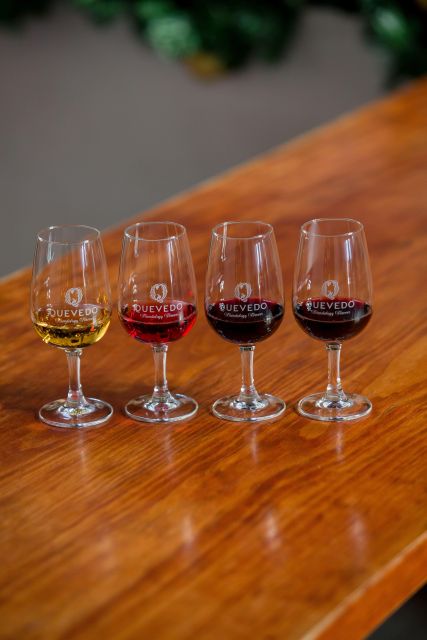
This is a short tasting, but it covers a useful range. You receive four glasses: Rosé, Reserve Ruby, Special Reserve Tawny, and 10 Year Old White.
That line-up lets you compare color, sweetness, age, and style without committing half a day to a formal wine course. I like this approach for a first introduction to Port. You are not given four versions of nearly the same thing. Instead, each pour helps show how broad the category can be.
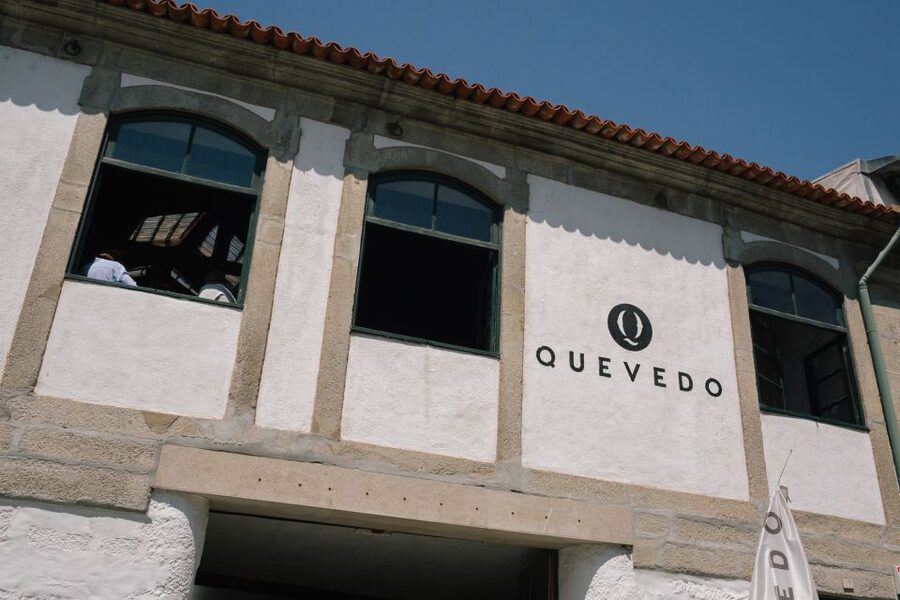
The tasting begins at Quevedo Port Wine in Vila Nova de Gaia. You simply go to the lodge and speak with a local staff member. From there, the staff guide you through the wines and explain how each one is made.
The order of the pours may be set by the host, but the important point is the contrast between them. The Rosé offers a lighter entry into Port. Reserve Ruby gives you the familiar deep color and fruit-driven character associated with young Ruby Port. Special Reserve Tawny introduces a more aged style, while the 10 Year Old White shows a side of Port that many first-time tasters overlook.
You do not need prior wine knowledge to follow the session. The staff explain what is in the glass and how it reached you, from the vineyard through production and maturation to the table. If you already know Port, the value comes from comparing four styles in one sitting and asking questions in a small group.
More things to do in Vila Nova de Gaia:
- Porto: Six Bridges Cruise
★ 4.2 · 11,680 reviews - Porto: Taylor’s Port Cellars & Tasting
★ 4.6 · 3,374 reviews - Porto: Charming Sailboat Cruise with Port Wine,Sunset Option
★ 5.0 · 1,978 reviews
Why the Quevedo Family Story Matters
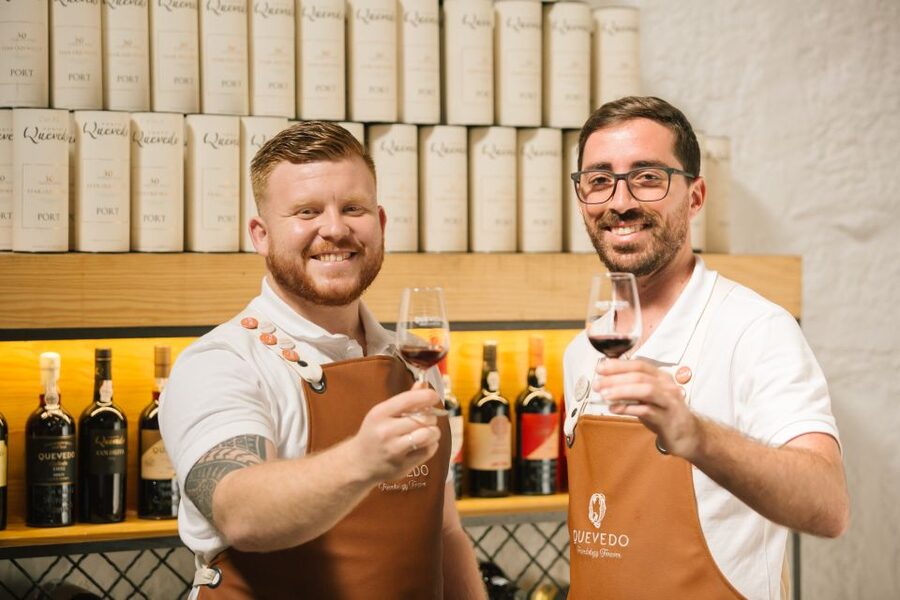
Quevedo is a small family-owned Port house with five generations of experience. That does not mean the brand has been selling under its own name for five generations. The family heritage is older, while the Quevedo brand began bottling under its own label in 1993 after Portugal joined the European Union.
That distinction is interesting. You get a family business with long experience, but also a relatively young producer building its own identity in the Port trade. The staff can connect the wines to family practice and to the company’s newer chapter as an independent brand.
Quevedo’s vineyards are in the Douro Valley, the area tied to the origin of the grapes. The company manages 100 hectares of vineyards and 25 hectares of organic olive groves spread across five properties. The varied sites provide grapes with different aromas and flavors, which helps explain why the tasting includes several distinct Port styles.
I find that background useful because it gives the tasting a clear point of view. You are not only sampling finished products. You are also hearing why the producer values vineyard conditions and different growing sites. The company’s basic belief is that good wine begins in the vineyard, and the tasting uses the four glasses to show how that starting point develops into different wines.
What Each Glass Adds
Rosé Port
The Rosé is a good opening wine because it offers a less traditional first step into Port. If you think of Port only as a dark, sweet drink after dinner, this glass widens the picture.
The staff explain the character of the wine as you taste it. You can use this first pour to notice the lighter color and different feel before moving into the deeper Ruby style. It also gives you an easy comparison point for the wines that follow.
More food tours in Vila Nova De Gaia:
- Vila Nova de Gaia: Port Wine Tasting with Cheese Pairing
★ 4.8 · 1,074 reviews - Porto: Port Cellar Visit and Wine Tasting at Fonseca
★ 4.2 · 232 reviews - Porto: Graham’s Port Lodge Tour and Port Essentials Tasting
★ 4.9 · 39 reviews - Porto: Private Sailboat Trip with Wine Tasting & Charcuterie
★ 5.0 · 9 reviews
Reserve Ruby Port
Reserve Ruby brings you closer to the classic Port profile many people expect. It is fruit-forward and richly colored, and it provides a useful contrast with the Rosé.
The explanation matters here. You can ask how the wine differs from the other Ports in the flight, rather than simply tasting it as an isolated glass. That comparison is one of the best reasons to choose a four-wine tasting instead of ordering a single pour at a bar.
Special Reserve Tawny Port
The Special Reserve Tawny gives the tasting a more mature direction. Tawny Port has a different style from Ruby, and the staff use the glass to explain the effects of aging and the character of the wine.
This is often the point where the tasting becomes more educational. You can compare the Tawny with the Ruby and notice how two Port styles can offer different aromas, colors, and textures. The precise tasting notes depend on your palate, but the guided explanation helps you know what to look for.
10 Year Old White Port
The 10 Year Old White is perhaps the most useful surprise in the flight. White Port receives less attention from people who are new to Porto’s wine culture, yet an aged White Port can be a distinctive style in its own right.
Here, you get an older white wine alongside younger and darker Ports. That makes the final glass a strong way to finish the tasting. It also gives you something specific to remember if you want to explore more Portuguese wine after this experience.
A Guide Makes the Difference
The quality of a short tasting depends heavily on the person holding the room together. Thirty minutes leaves little space for a dull or confusing presentation.
Ines has received especially warm praise for explaining the full journey of the wine, from harvest to glass. Her approach is described as passionate, friendly, and clear, with enough humor to keep the session relaxed. That matters because Port can seem technical at first. Terms about aging, styles, and production are easier to follow when the host connects them to the four wines in front of you.
The staff speak Portuguese, English, Russian, and Spanish. You should select the language that lets you ask the most questions. The multilingual setup is especially useful for an international group, and the small size means you have a better chance to interact directly with the host.
The best way to get more from the experience is to ask practical questions. You might ask how the Rosé differs from the Ruby, why Tawny changes with age, or what makes the 10 Year Old White distinct. You can also ask about the Douro vineyards and the role of the family’s five properties.
The Setting in Vila Nova de Gaia
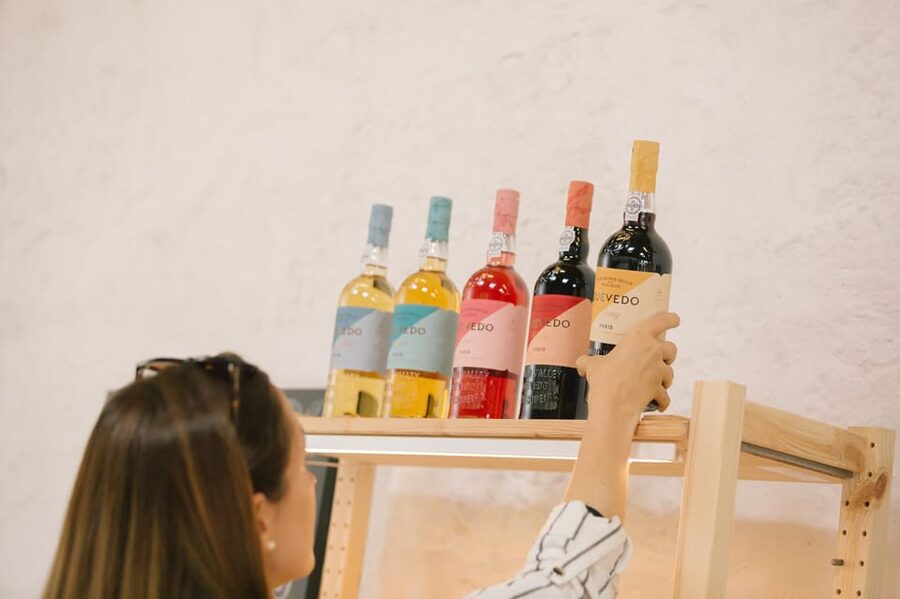
The tasting takes place at Quevedo’s cozy lodge in Vila Nova de Gaia. Gaia is the Porto-area district closely associated with Port wine lodges, so the location fits the subject well.
You do not need a long transfer or a separate excursion to reach the experience if you are already exploring Gaia. The meeting point is specific: go to Quevedo Port Wine and speak with a local staff member. Since the tasting lasts only 30 minutes, it is easy to place before or after another activity in the area.
The short format is helpful, but it also sets a limit. You should not expect a full vineyard visit, a long cellar tour, or a detailed production walk. The information centers on the wines and the family business, with the lodge serving as the setting for the tasting.
That is not a flaw if you choose the experience for what it is. You get a guided introduction to four Ports, not a full-day trip to the Douro Valley. If you want to see vineyards in person, you will need a separate excursion.
Is Four Glasses for $22 Good Value?
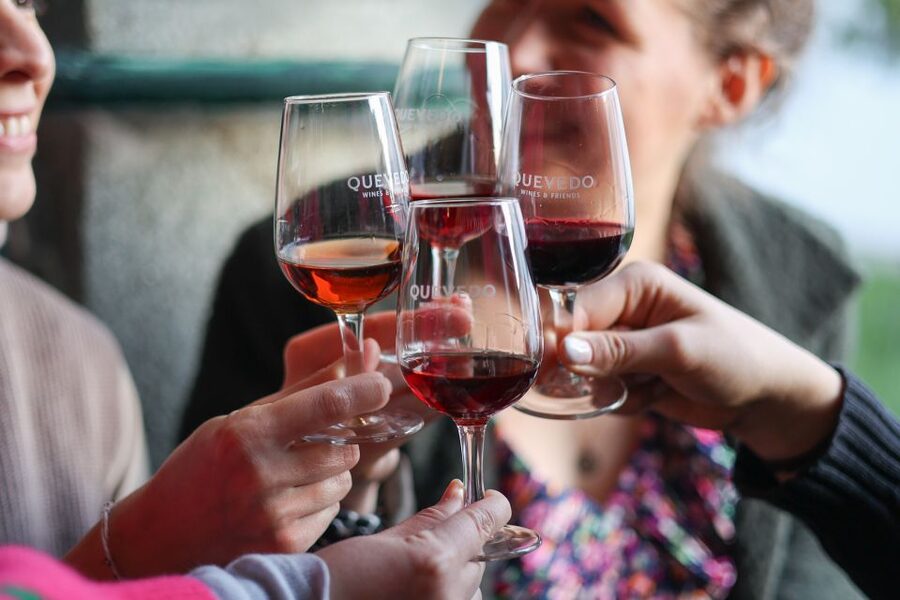
At $22 per person, this tasting offers solid value for a short introduction. You are paying for four glasses plus explanations from the staff, and the wines cover several important Port styles.
The value is strongest if you are new to Port or want a clear comparison before buying a bottle. A single drink tells you something about one wine. Four guided pours let you see how Rosé, Ruby, Tawny, and White Port differ, while the host supplies the background that connects them.
The price also works well for a group with mixed interests. A serious wine enthusiast can ask detailed questions, while a casual drinker can simply enjoy the tasting and learn the basic differences. The 30-minute duration keeps the cost and time commitment manageable.
There is one clear limitation. Additional wines and snacks cost extra and are not part of the experience. One person specifically wished for bread, biscuits, or another pairing, and that is a fair point. Wine can be easier to assess with food, especially if you are tasting several sweet styles.
I would plan to eat before or after the tasting rather than expect a small meal here. If you want extra wine or something to pair with it, ask the staff about available additions, but do not assume they are included in the $22 price.
Who Should Book This Tasting?
I would recommend this for several types of visitors:
- First-time Port drinkers who want to understand the main styles
- Short-stay visitors who need a focused activity in Gaia
- Couples and small groups who prefer personal guidance over a large presentation
- Wine enthusiasts who want to compare four different Quevedo Ports
- English-, Portuguese-, Russian-, or Spanish-speaking visitors who want a tasting in one of those languages
- Wheelchair users who need an accessible activity
It also suits you if you want a relaxed introduction rather than a formal lesson. The staff’s friendly style, especially the approach associated with Ines, keeps the session approachable.
I would be less likely to recommend it if you want a substantial food pairing, a visit to the actual Douro vineyards, or a long cellar tour. The experience is intentionally brief. Its strength is focus, not scale.
Timing, Group Size, and Practical Details
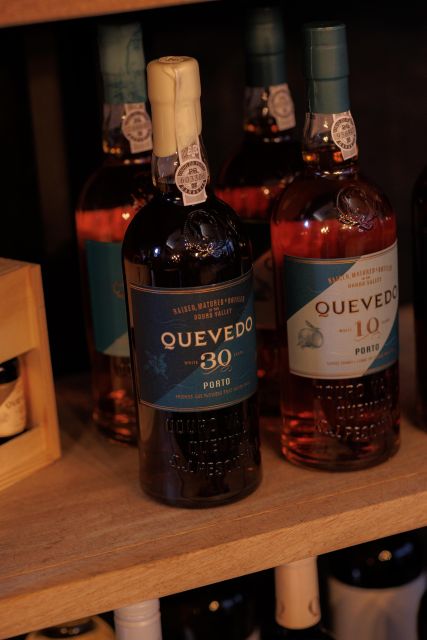
The tasting lasts 30 minutes, so arrive ready to begin at the Quevedo lodge. Starting times vary, and you need to check availability when booking.
The group is limited to eight people. That is a useful size for a wine tasting because you can hear the explanations without the room feeling crowded. It also gives you a better chance to ask a question about a particular glass.
The activity is wheelchair accessible. Staff can host the tasting in Portuguese, English, Russian, or Spanish.
You can cancel up to 24 hours ahead for a full refund. The reserve-now, pay-later option lets you hold a place without paying immediately, which is handy when you are still arranging your Porto schedule.
Should You Book the Quevedo Discovery Tasting?
Book it if you want a well-priced, compact Port lesson with four contrasting wines and a personal host. The family background, Douro-grown grapes, and small group add substance to what could otherwise be a quick sampling session.
The strongest reason to choose it is the chance to compare Rosé, Reserve Ruby, Special Reserve Tawny, and 10 Year Old White in one sitting. Add the warm, clear guidance associated with Ines, and you have a useful introduction that should leave you better prepared to order Port elsewhere.
Just keep your expectations precise. This is a 30-minute tasting, not a vineyard day trip. Snacks are not included, and extra wines cost more. If those limits suit your plan, $22 is a sensible price for a friendly first look at Quevedo and the wider world of Port.
FAQ

Where does the Port tasting take place?
It takes place at Quevedo Port Wine in Vila Nova de Gaia. Go to the lodge and speak with one of the local staff members.
How long does the experience last?
The tasting lasts 30 minutes.
Which wines are included?
You receive four glasses: Rosé, Reserve Ruby, Special Reserve Tawny, and 10 Year Old White.
Are snacks included?
No. Additional wines and snacks are not included.
How large is the group?
The experience is limited to eight participants.
What languages are available?
The staff can host the experience in Portuguese, English, Russian, and Spanish.
Newest Vila Nova De Gaia reviews on the site
- Visit to a Port Wine Cellar★ 4.8 · 5 reviews
- Vila Nova de Gaia: Douro Discovery★ 5.0 · 4 reviews
- WOW Porto: The Wine School Workshops and Tastings★ 4.7 · 20 reviews
- Private Boat Tour 6 Bridges 1h30, group price up to 6px★ 5.0 · 3 reviews
- Porto: The Best Douro Boat Tour★ 5.0 · 14 reviews
- Porto: Taylor’s Port Cellar Tour & WOW Museum Pack★ 4.7 · 24 reviews
- Porto: Private Sailboat Trip with Wine Tasting & Charcuterie★ 5.0 · 9 reviews
- Porto: Porto Bike Atlantic Route★ 5.0 · 4 reviews
Vila Nova de Gaia Tours, compared.



Charming Sailboat Cruise with Port Wine,Sunset Option
Read our review →
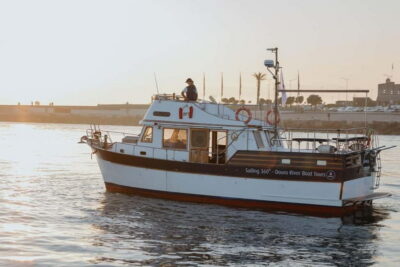
6 Bridges Port Wine River Cruise with 4 Tastings
Read our review →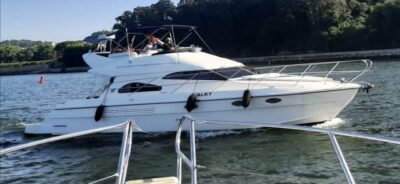
Luxury Yacht Tour of the 6 Bridges and Douro Estuary
Read our review →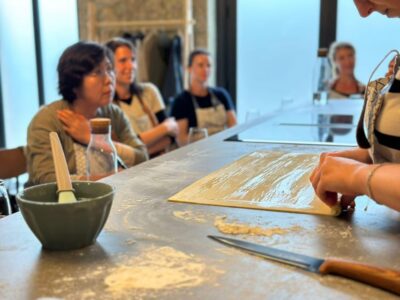
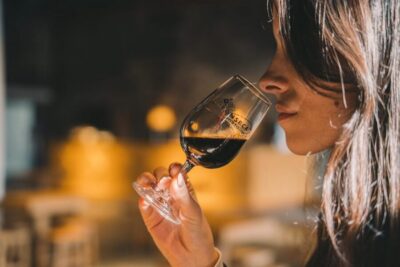
Fonseca Cellar Tour & Fado Show with Optional Dinner
Read our review →Browse the lists this tour appears in