Reviewed · HALF-DAY
Porto: Half-Day Street Art Tour
Porto’s street art is not just a backdrop for holiday photos. It tells the story of local artists, city politics, tourism, and the line between public art and illegal graffiti. This three-hour walking tour gives you that context while leading you through both celebrated murals and quieter corners that are easy to miss.
I like two things especially: the small group, limited to 10 people, keeps the walk conversational, and guides such as Luigi and Andre bring real energy to the subject. You also leave with a useful new habit: looking for signatures, styles, and small works above doorways instead of only stopping for the biggest mural.
The main consideration is the walking. The route covers a moderate amount of ground, operates in all weather, and includes streets where comfortable shoes matter. The exact finish also deserves a quick check, since the route information names Luís I Bridge while the meeting details say the activity ends back at the meeting point.
Key points at a glance
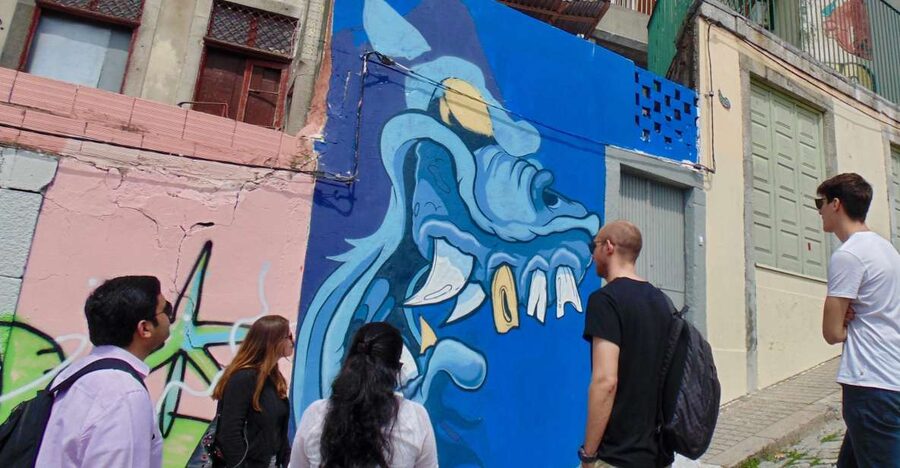
- Porto artists in context: Learn about Vhils, Hazul, Costah, Lara Luís, Miguel Januário, Chei Krew, and others.
- A small English-speaking group: With no more than 10 participants, the guide can answer questions and keep the outing personal.
- More than famous murals: The walk includes lesser-known pieces and alternative locations away from the obvious sightseeing trail.
- A look at city politics: Hear about the complicated relationship between Porto’s street artists and City Hall.
- Useful early in your stay: The route and artist names can help you notice more work across Porto afterward.
- Good value at $25: Three hours of guiding and local interpretation costs less than many standard sightseeing activities.
Why Porto’s street art deserves three hours
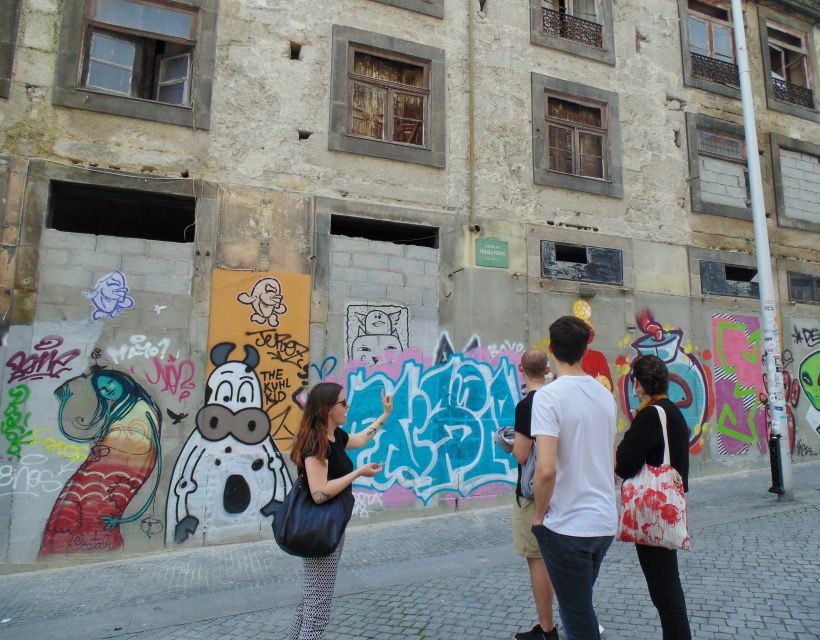
Porto has plenty of formal attractions, from tiled churches to grand river views. Street art gives you another way to read the city. It appears on walls, shutters, side streets, and overlooked surfaces, often in places you would pass without a second glance.
This tour is useful because it explains what you are seeing. A large image may be easy to photograph, but the guide can place it within Porto’s wider art scene. You learn about artists who began locally and gained wider attention, along with the differences between public art, street art, and urban art.
That distinction matters. The experience is not simply a hunt for colorful walls. It looks at who gets permission, who does not, how the city responds, and how tourism changes the meaning of work created for local streets. The discussion includes the conflict between mainstream and underground scenes, as well as the complicated relationship between artists and City Hall.
I would book this for the first or second day of a Porto visit if you have an interest in art. The walk can sharpen your eye for the rest of your stay. Instead of seeing only a painted wall, you may start recognizing an artist’s style or spotting a small piece tucked into an alley.
Other Porto trips people book alongside this one:
- The Unvanquished Tour in Porto City Center
★ 5.0 · 26,497 reviews - From Porto: Douro Valley w/ Boat Tour, Wine Tasting & Lunch
★ 4.7 · 19,061 reviews - Complete Douro Valley Wine Tour with Lunch, Wine Tastings and River Cruise
★ 5.0 · 12,920 reviews
Starting at Praça de Carlos Alberto
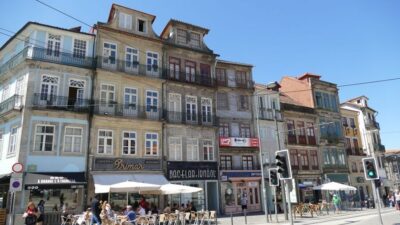
The tour begins at Praça de Carlos Alberto, by the Soldier Statue. This is a central and practical place to start a walking route through Porto, but you should allow enough time to find the exact statue rather than simply arriving at the square and waiting.
The opening section lasts about 90 minutes and combines guided commentary, sightseeing, and walking. That format suits the subject. Street art makes more sense when you see it in relation to the buildings, streets, and daily life around it.
You are not being taken from one isolated artwork to another by vehicle. The route lets the city change around you. That is part of the value, though it also means you should expect uneven pacing and regular time on your feet.
The guide’s role is central. Luigi receives especially strong praise for his humor, warmth, energy, and ability to explain difficult ideas in clear English. Andre is also singled out for making the subject interesting and easy to follow. The exact guide depends on the date, but the experience is built around a local art guide rather than a recorded commentary.
Meeting Vhils, Hazul, and Porto’s local artists
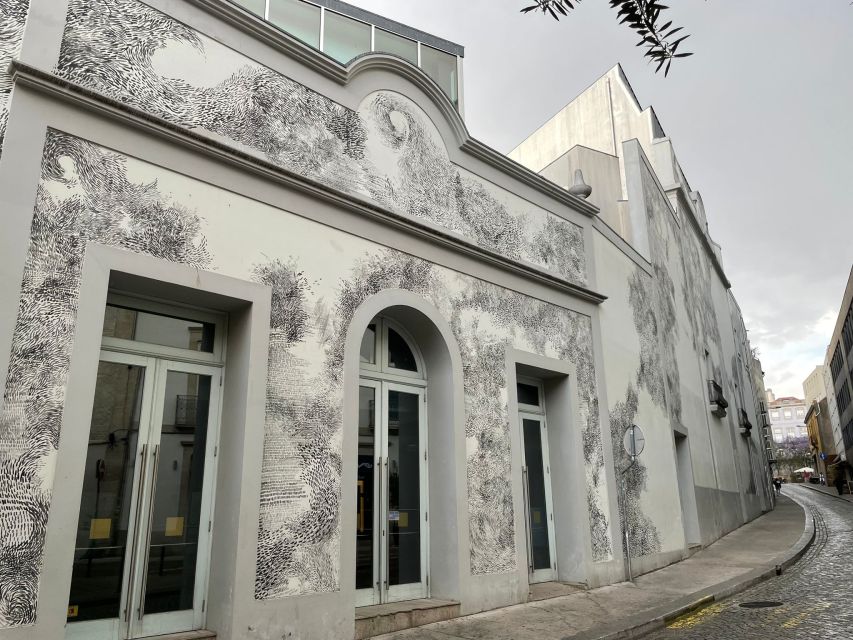
One of the tour’s main strengths is the range of artists covered. You may see work connected with Vhils, Hazul, Costah, Lara Luís, Miguel Januário, and Chei Krew, among others.
Vhils is one of the names most likely to interest people who already follow international street art. Hazul and the other local artists help broaden the picture. The tour does not treat Porto as a city with only one famous name. Instead, it introduces different approaches and explains how individual artists fit into the local scene.
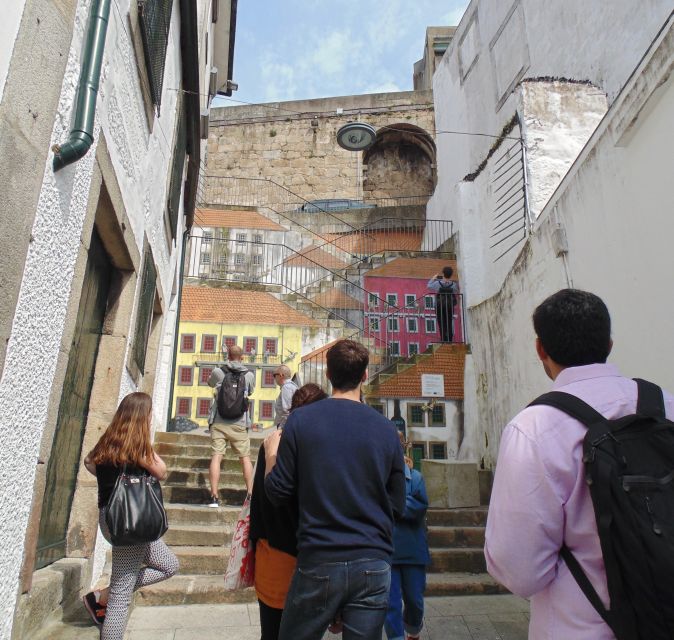
The guide also helps you read smaller works. A huge mural catches your eye from across the street, but a modest stencil, pasted image, or painted detail may tell you just as much about the city’s creative life. Several visitors found that their attention changed during the walk, and that they kept noticing the same artists around Porto afterward.
That is a practical benefit. You can use the tour as a short course in visual clues. Once you know a few names and styles, you do not need a formal tour every time you see a new piece.
The secret stop and Porto’s alternative streets
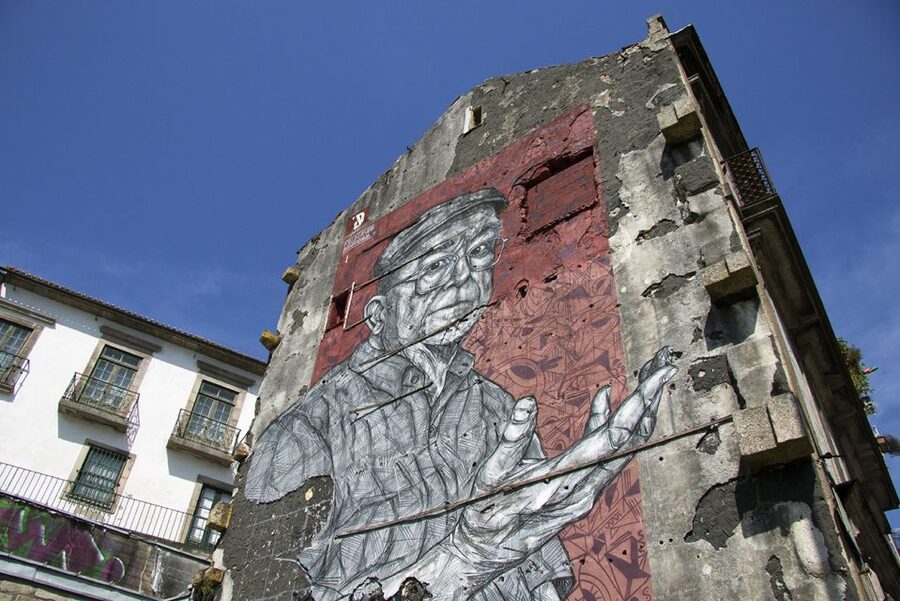
The route includes a 15-minute secret stop. The exact place is not given in advance, which is part of the appeal. It provides a break from the best-known works and sends you into a less obvious part of the city.
Do not expect every piece to be permanent. Street art changes. Paint fades, buildings are renovated, new work appears, and some pieces vanish. That uncertainty is part of the medium, and it explains why a local guide adds value. A guide can point out what has changed and direct your attention to work you might otherwise walk past.
The secret stop is also a useful test of what you want from the tour. If your goal is a fixed list of major murals and plenty of time for posed photographs, a more formal art tour may suit you better. If you like the surprise of turning into an unfamiliar street and finding something unexpected, this part should be a highlight.
The route later continues for about 75 minutes through Porto, with more guided sightseeing and walking. In total, the itinerary gives you about two hours and 45 minutes of active route time, plus the short visit stop. The three-hour length is long enough to build a proper story without taking your entire day.
More half-day trips in Porto:
- Aveiro: Half-Day Tour from Porto with Cruise
★ 4.4 · 963 reviews - Porto Half-Day Guided Historical Tour with Port Cellar Visit and Tasting
★ 5.0 · 217 reviews - From Porto: Aveiro Half-Day Tour with 1-Hour Cruise
★ 4.2 · 214 reviews - Half-day Hike & Picnic with Dog Love in Porto’s Mountains
★ 5.0 · 136 reviews
City Hall, tourism, and the street art debate
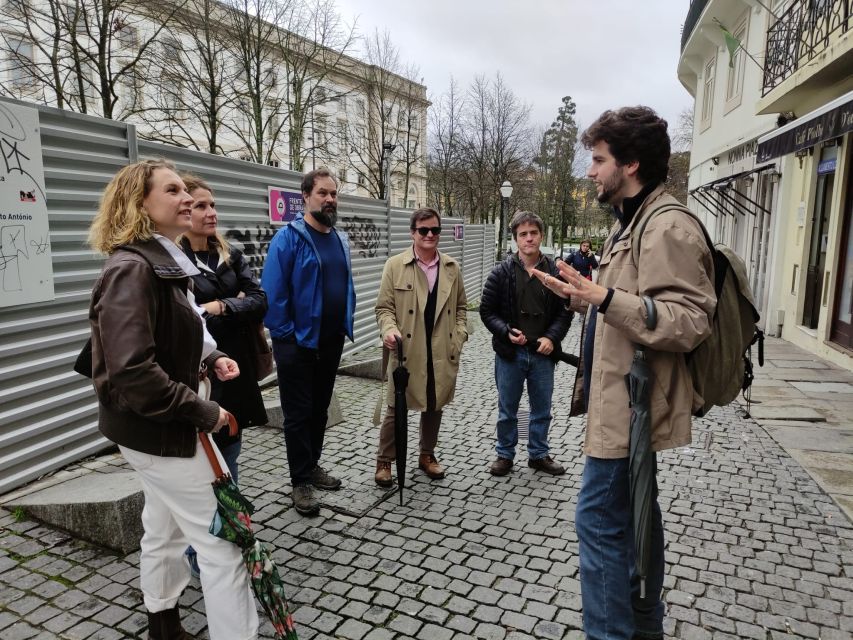
The most valuable part of this experience may be the discussion around permission and control. Porto’s street art scene has a complex relationship with City Hall, and the tour does not treat the subject as a simple celebration of anything painted on a wall.
You hear about the tension between sanctioned public art and work made outside official channels. You also learn about disagreements within the scene, including the split between mainstream and underground approaches. Tourism adds another layer. Once a neighborhood’s art becomes a reason to visit, the work can be appreciated, photographed, promoted, or regulated in ways the artist did not intend.
That conversation gives the walk substance. You are not asked to admire every piece. Instead, you are encouraged to think about location, scale, ownership, and audience. The guide may also explain why a work matters to local people, not just why it looks good in a photograph.
I value this kind of explanation because it avoids turning street art into decoration. Porto’s walls become part of a living argument about public space. The tone remains accessible, with humor and plenty of room for questions, rather than sounding like an academic lecture.
What the guides add to the experience
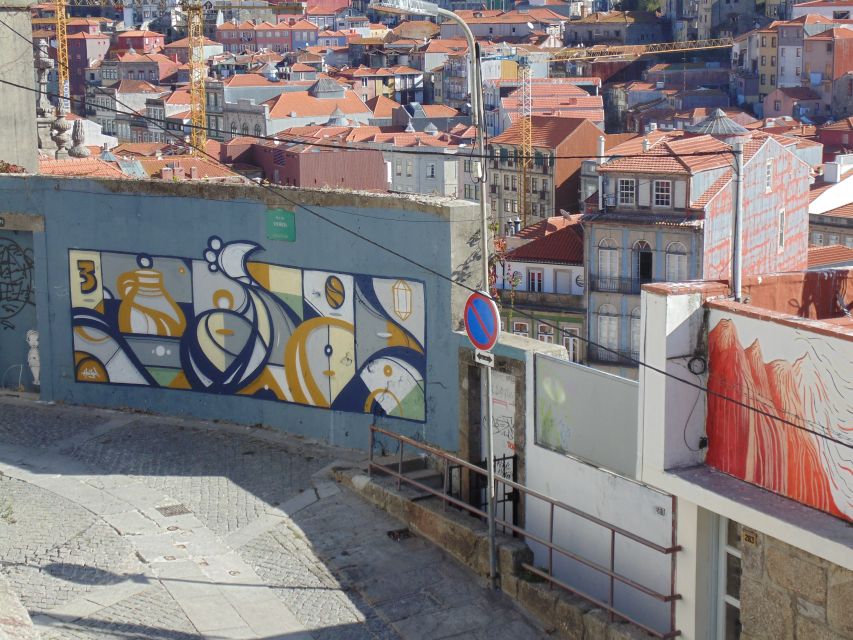
The guide makes or breaks a street art walk. Here, the strongest feedback centers on people rather than just the route. Luigi is repeatedly described as energetic, funny, patient, and passionate about the subject. He also gives practical suggestions for bars, cafés, and restaurants, which can be helpful if you are new to Porto.
That does not mean you should expect a private consultation about your whole trip. The useful point is that the guide knows how to connect art with the city you are actually walking through. The commentary is conversational, and the group can ask questions instead of listening to a fixed script from beginning to end.
English is the tour language. The guide is also described as easy to understand for people whose first language is not English. Still, street art vocabulary and city history can involve unfamiliar names, so ask questions if you need a point repeated.
A small group of up to 10 is a strong feature. It is large enough for a social atmosphere but small enough for the guide to notice individual interests. If one person wants to ask about technique and another wants to know where to find more work, the format can handle both better than a large coach group.
A realistic look at the pace and weather
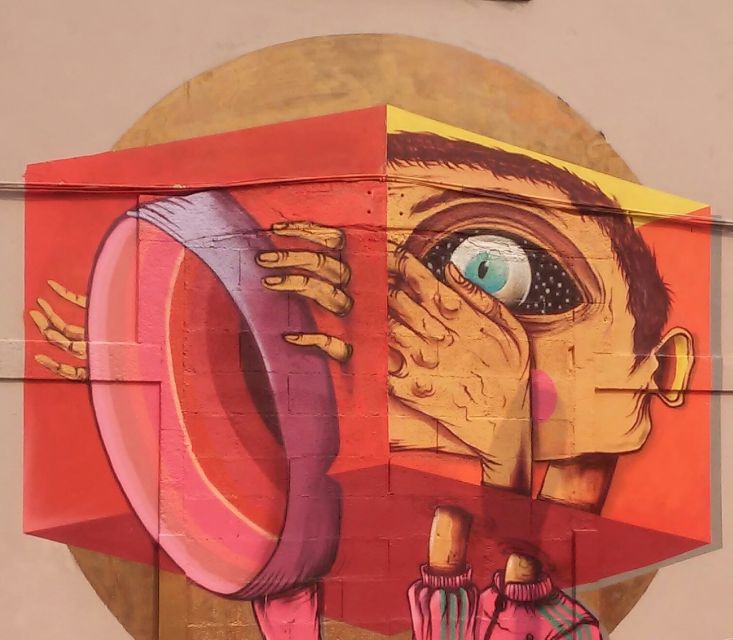
This is a walking tour, not a gentle viewpoint stroll. You should bring comfortable shoes and be ready for a moderate amount of walking. The route passes through streets and alternative locations, so the surface and pace may vary.
The experience runs in all weather. Porto can be wet, and one account describes enjoying the tour even during heavy rain. That is encouraging, but it is not a reason to ignore the forecast. Wear suitable clothing, protect your phone, and bring rain gear when needed.
Bad weather may affect photographs and the comfort of the walk. On the other hand, it does not remove the central value, which is the guide’s explanation of the work and the city. If you dislike walking in rain or strong sun, choose a suitable start time when availability allows.
The three-hour duration also affects planning. I would avoid placing another tightly timed attraction immediately afterward. Give yourself room for a café stop, a slow walk to your next sight, or the chance to follow up on an artist you have just learned about.
Is $25 a fair price?
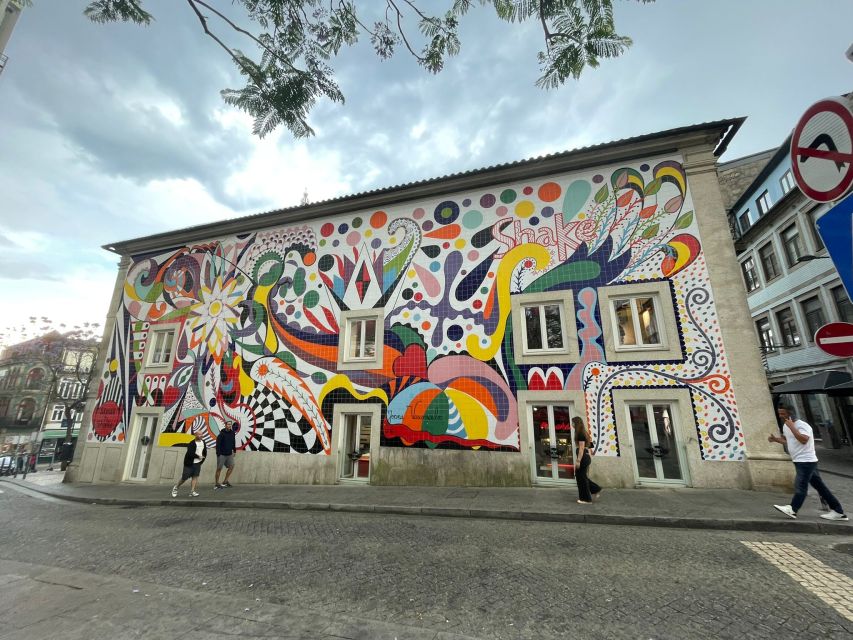
At $25 per person, this is a good-value activity if you want interpretation rather than a self-guided list of locations. You receive a professional guide with an art background, a small-group walking experience, and a souvenir. The real value, though, is the local knowledge that helps you understand work you could not easily research on the spot.
A free street art map or a self-guided walk will cost less. You can also find many murals by simply exploring Porto. What you will not get as easily is the explanation of how the scene developed, the background of individual artists, or the debate around City Hall and tourism.
The price makes the most sense for visitors who would otherwise spend part of a day looking at street art without knowing what they were seeing. It is less essential if you already follow Porto’s artists closely or prefer wandering with no planned route.
The included souvenir is a pleasant extra, but I would not choose the tour for that alone. Pay for the guide’s time, the route, and the conversation. Those are the parts that continue to be useful after the three hours end.
Who should book this Porto walk?
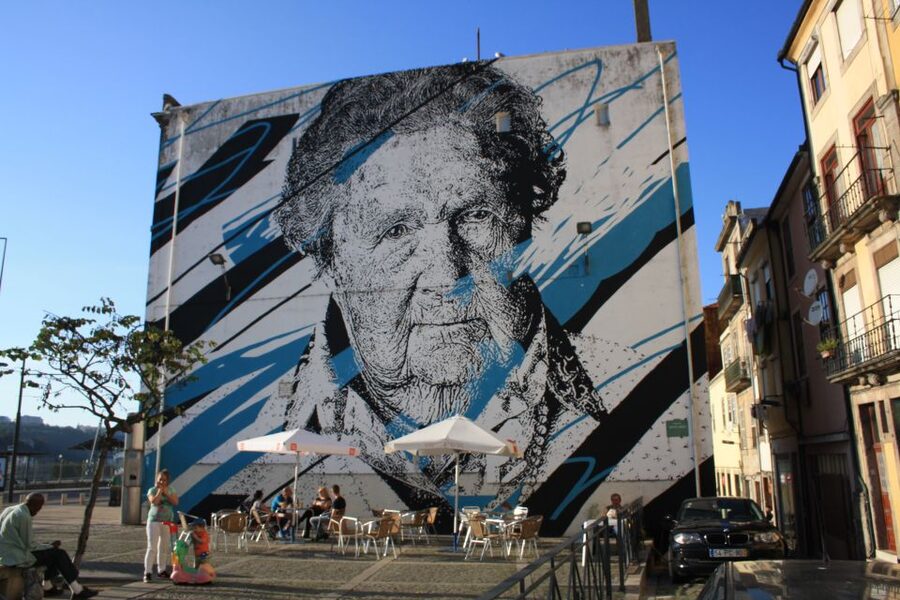
I recommend it most strongly to people who like contemporary art, photography, urban culture, or seeing a city outside its standard sights. It also suits repeat visitors who have already covered the churches, viewpoints, and riverfront.
Families with older children may enjoy it if everyone is comfortable walking and listening in English. The tour is conversational, but it still asks for attention over three hours. It may not suit very young children who need frequent breaks or people who prefer a short, fixed sightseeing stop.
This is also a good choice for solo visitors. A group of no more than 10 gives you company without the scale of a large organized outing. Couples and friends can expect a social walk, but not a private tour.
If your main goal is to see Porto’s classic monuments, choose a conventional city tour instead. If you want a new way to read the city, this outing earns its place in your schedule.
Booking details worth checking
The tour costs $25 per person and lasts three hours. It is offered in English, with a live guide and a maximum group size of 10.
Cancellation is free up to 24 hours before the activity for a full refund. You can also reserve now and pay later, which helps if your Porto plans are still changing.
The meeting point is Praça de Carlos Alberto at the Soldier Statue. The route information names Luís I Bridge as the finish, while the meeting-point details say the activity ends back at the meeting point. I would confirm the final drop-off point when booking, especially if you have an evening reservation or need to return to your accommodation.
The tour includes a cool souvenir and the walking route. It does not list food, drinks, transport, or entrance tickets, so plan on arranging those separately.
FAQ
How long is the Porto street art tour?
The tour lasts three hours. The route includes about 1.5 hours of guided walking, a 15-minute visit at a secret stop, and another 75 minutes of guided sightseeing and walking.
Where does the tour start?
You meet at Praça de Carlos Alberto, by the Soldier Statue.
Where does the tour finish?
The route information names Luís I Bridge as the finish, while the meeting details state that the activity ends back at the meeting point. Confirm the final location when booking.
What language is the tour in?
The live tour guide speaks English.
How large is the group?
The tour is limited to 10 participants, making it a small-group experience.
What should I bring?
Bring comfortable shoes. The tour involves a moderate amount of walking and runs in all weather, so dress appropriately for the forecast.
Should you book it?
Book this tour if you want Porto’s street art explained rather than simply photographed. The strongest reasons are the small group, the mix of major and less obvious works, and the chance to discuss artists, City Hall, tourism, and the local scene with an art-focused guide.
I would especially choose it early in a Porto visit. Luigi, Andre, or another guide can give you a set of names and visual clues that make the rest of the city more interesting. Skip it only if you dislike walking, need a fully sheltered activity, or prefer to explore without a planned route. At $25, it is a sensible way to see Porto through the work on its walls.
Newest Porto reviews on the site
- Douro Valley Premium Tours – Private Driver & Guide★ 5.0 · 93 reviews
- Douro Valley Delights Wine Tasting and Scenic Vistas★ 5.0 · 3 reviews
- Douro valley Majestic★ 5.0 · 12 reviews
- Private off the beaten Douro Valley Wine Tour★ 5.0 · 100 reviews
- Tour the Douro wine region, and discover the fantastic landscape★ 4.5 · 4 reviews
- Douro Valley Private Full–Day Tour from Porto★ 5.0 · 23 reviews
- Private Tour to stunning Douro Valley and most renowned wineries★ 5.0 · 39 reviews
- Douro Tour on a Private Yacht in Porto★ 4.5 · 10 reviews
Half-Day, compared.

Porto Half-Day Guided Historical Tour with Port Cellar Visit and Tasting
Read our review →
Half-day Hike & Picnic with Dog Love in Porto’s Mountains
Read our review →