Reviewed · TICKETS
Porto: World of Discoveries Entry Ticket
Portugal’s Age of Discoveries comes alive here through 20 themed installations and a short indoor boat ride that feels part museum, part family attraction. You follow the voyages of Ferdinand Magellan, Vasco da Gama, and Bartolomeu Dias through maps, displays, figures, and multimedia scenes.
I like the clear visual storytelling, especially the interactive globe and the boat ride, which turns a history lesson into something you can see and hear. I also like the compact one-hour format, a good fit for a rainy afternoon or a family day in Porto. The main drawback is that the museum is fairly small, and school groups can create long waits and crowded rooms.
Key points to know before you go
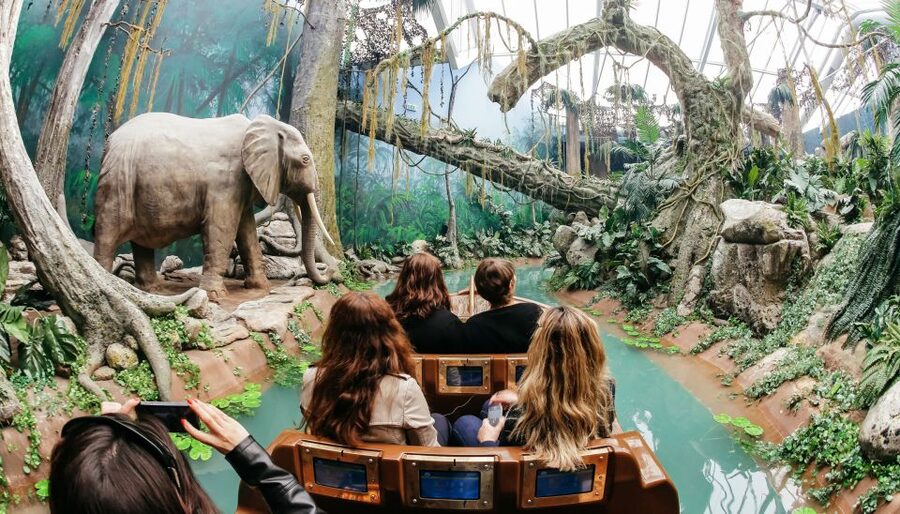
- The boat ride is the main attraction: Allow about 20 to 25 minutes for the ride, with an audioguide included.
- The interactive globe is a favorite stop: Maps from different periods help show how routes and continents became linked.
- The museum suits adults as well as children: The presentation is playful, but the subject matter has enough substance for history-minded visitors.
- Queues can change the timing: School groups may fill the rooms or lengthen the wait for the boat.
- The story is told from Portugal’s viewpoint: It explains maritime achievement well, but gives less space to the wider costs of empire and conquest.
- The visit is easy to fit into a Porto day: The attraction is in Rua de Miragaia, within walking distance of Porto’s old town.
What the World of Discoveries is really like
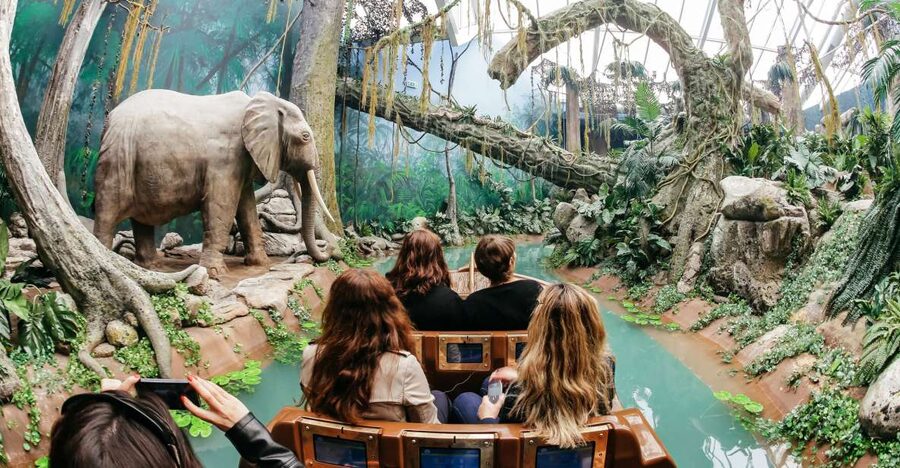
The World of Discoveries is not a traditional museum filled with glass cases and long labels. It uses scenery, sound, projected images, hands-on displays, and a boat ride to explain how Portuguese navigators opened sea routes across the world during the 15th and 16th centuries.
That makes it especially approachable if you are visiting Porto with children. You do not need to read every panel to understand the basic story. The attraction gives you a physical sense of movement, distance, and changing maps, which can be harder to grasp in a standard gallery.
I would also avoid assuming this is only for young children. The displays are accessible to them, but adults can enjoy the scale of the sets, the historical references, and the practical question at the heart of the exhibition: how did sailors travel into waters they had never mapped?
The attraction presents Portugal’s voyages as a major step toward global connections. New sea routes linked people, animals, plants, goods, and ideas across oceans. That is an important part of the story, though you should remember that the presentation is mainly about Portuguese achievement and discovery. It does not appear designed as a full examination of colonial violence, exploitation, or the experiences of the people encountered.
More Porto tickets and entries:
- Porto: Torre dos Clerigos Entrance Ticket
★ 4.6 · 6,395 reviews - Porto: Spiritus Multimedia Show Entry Ticket
★ 4.6 · 3,791 reviews - SEA LIFE Porto Full-Day Entrance Ticket
★ 4.1 · 637 reviews
Begin with the explorer story, not a long museum lecture
The visit takes you through a series of themed areas rather than one large open gallery. These installations introduce the setting for Portugal’s maritime expansion, the navigators involved, and the routes they followed.
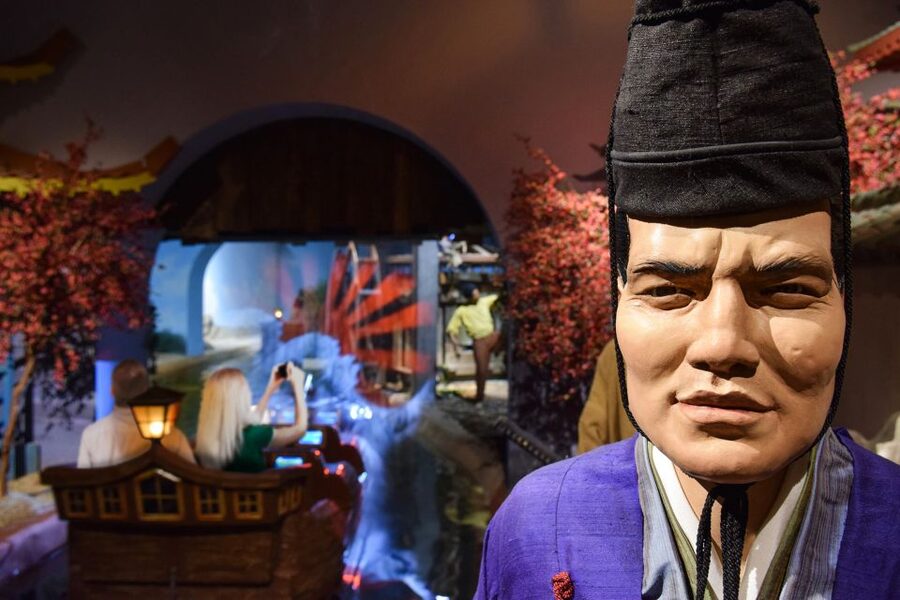
Expect displays connected with figures such as Ferdinand Magellan, Vasco da Gama, and Bartolomeu Dias. The point is not to provide a university-level account of each voyage. Instead, you get a lively introduction to the people, ambitions, and practical challenges behind the expeditions.
Multimedia screens help carry the story. English and Portuguese information is available, with additional language support noted in the attraction. French and Spanish are among the languages provided, and one visitor also found German material in the first rooms.
You will find figures, objects, weapons, armor, maps, and reconstructed scenes. These physical details help after the first wave of information, when it can be hard to remember every name and route. The displays give you something concrete to connect with each section of the story.
The attraction can feel more like an indoor theme park than a formal museum. That is part of its appeal, though it also means some areas may feel a little theatrical or dated. One display may catch your attention for its storytelling, while another may seem in need of a refresh.
The interactive globe gives the history a useful shape
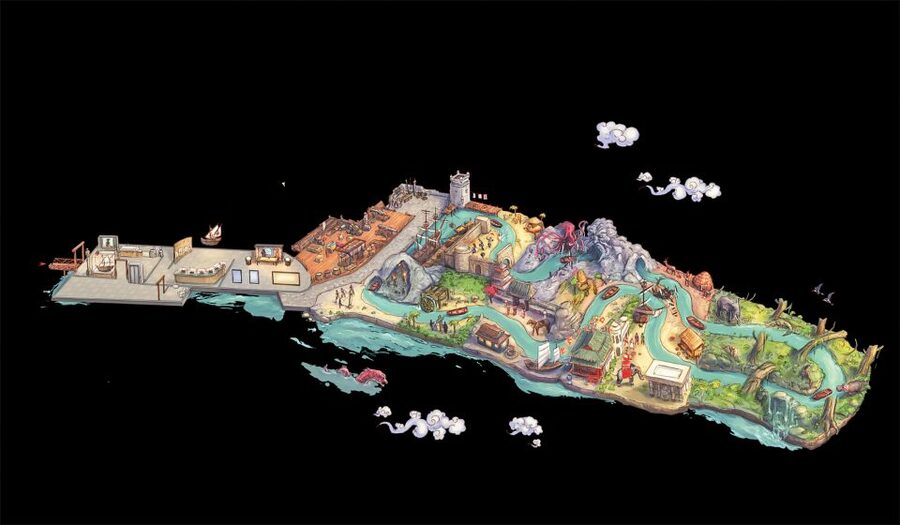
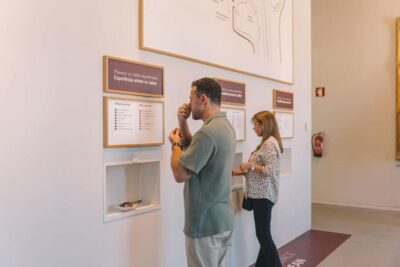
The interactive world map and globe are among the strongest parts of the visit. They show maps from different periods and help you see how European ideas about the world changed over time.
This is valuable because the phrase Age of Discoveries can sound abstract. A map gives the voyages a sense of scale. You can better understand the difference between sailing along a known coastline and heading toward places that European sailors had not charted in the same way.
For children, the globe offers an activity rather than another panel to read. For adults, it provides a quick visual reminder that maps are not fixed facts. They reflect what people know, where they have traveled, and whose information has been recorded.
The exhibits also touch on the circulation of plants, animals, people, and trade goods. That wider context helps explain why Portuguese sea routes mattered beyond the journeys themselves. The voyages altered connections between distant parts of the world, with consequences that reached far beyond the sailors on the ships.
Still, do not expect every explorer to receive a full biography. The information is spread across the installations, and the whole visit moves at a brisk pace. If you want detailed route-by-route accounts of Vasco da Gama or Magellan, you will need a more specialized museum or book afterward.
Save time for the wooden boat ride
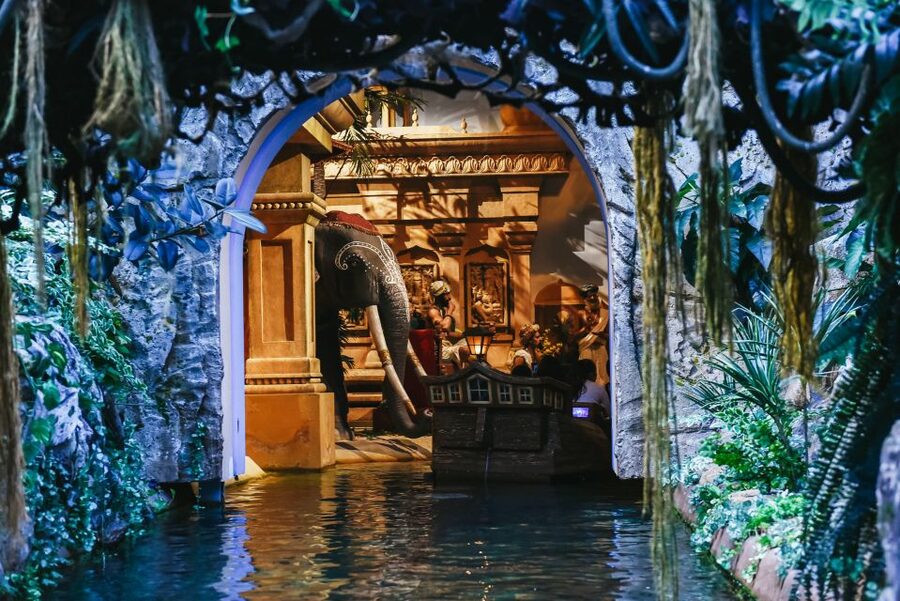
The boat ride is the part that most clearly separates this attraction from an ordinary history exhibition. You board a wooden boat and pass through scenes connected with Portuguese voyages and the places reached through them.
The ride lasts about 20 to 25 minutes, according to visitor timing, and an audioguide is included. English is available, along with Portuguese, French, and Spanish support for the attraction. The narration helps connect the scenery with the historical story, so you are not simply floating past dark rooms and painted backdrops.
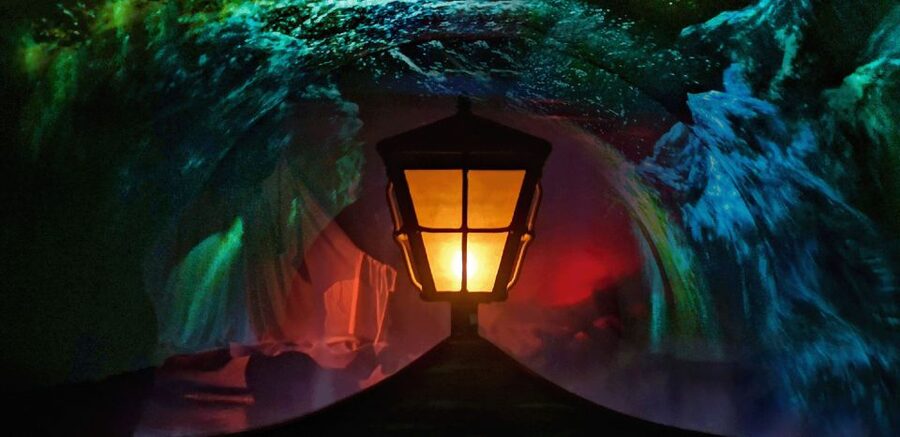
Expect a theatrical presentation with realistic-looking animals, figures, and dramatic lighting. One visitor found the darker sections unsettling when riding alone, so this is worth keeping in mind if you or a child dislikes dark attractions or lifelike displays.
The boat is calm and easy, but queues can form. In busy periods, the wait for the ride may be longer than expected, even though the total visit is advertised at about one hour. The ride itself is shorter than some people anticipate, yet it provides a welcome seat after walking through the installations.
I would treat the boat as the payoff rather than the entire experience. The scenery makes the material memorable, but the exhibits you see before and after the ride help explain what you are looking at. If possible, take your time with the museum areas instead of rushing straight to the boat.
Same city, a completely different kind of day out:
- The Unvanquished Tour in Porto City Center
★ 5.0 · 26,497 reviews - From Porto: Douro Valley w/ Boat Tour, Wine Tasting & Lunch
★ 4.7 · 19,061 reviews - Complete Douro Valley Wine Tour with Lunch, Wine Tastings and River Cruise
★ 5.0 · 12,920 reviews - Porto: Six Bridges Cruise
★ 4.2 · 11,680 reviews
The best order depends on the crowd

The boat and museum are connected, but the order may not always be fixed in practice. If the reception staff advises you to ride first because a school group is arriving, take that advice seriously.
This can save you from entering crowded rooms and may shorten the wait for the boat. Several school groups can arrive at once, turning a small attraction into a congested one. Even with a scheduled time slot, you may find that the museum is busy when you arrive.
If you have a tight schedule, allow extra time beyond the stated one hour. A delayed boat queue or crowded installation can affect your plans, especially if you are traveling with a toddler who needs a quieter break.
The attraction exchanges your voucher at the reception on the scheduled day. Bring a passport or ID card. Children must be accompanied by an adult, and unaccompanied minors are not permitted.
The site is wheelchair accessible, which is useful for visitors who need a step-free attraction. The supplied information does not detail every part of the route, so you can ask at reception about current access arrangements if your needs are specific.
Is $21 a fair price?
At $21 per person, this is not the cheapest small attraction in Porto. Its value depends on what you want from a museum.
You are paying for more than a standard entry hall. The ticket covers the themed exhibition, interactive displays, and the boat ride with an audioguide. For a family, that combination can work well because different ages get different things from the visit. Children have a moving ride and hands-on features, while adults get an introduction to Portuguese maritime history.
The price is harder to justify if you want a large museum with hours of detailed material. You can complete the attraction in roughly one hour, and some areas are compact. An adult who prefers quiet galleries and long historical explanations may find the experience too short or too playful.
I see the strongest value for families, first-time visitors to Porto, and anyone looking for an indoor activity with a clear Portuguese connection. It is also useful on a rainy day when you want something more substantial than a quick photo stop.
You may be able to buy tickets directly at the museum desk, so compare the convenience of booking ahead with the possibility of purchasing on arrival. Booking gives you a scheduled place, but a scheduled time may not prevent crowding once school groups are inside.
Who will enjoy it most?

Families with children from roughly preschool age through the early teenage years are the clearest match. The attraction gives children sights, sounds, movement, and objects to touch or inspect. The boat ride is especially effective for younger visitors who might lose interest in a conventional museum.
It can also work well for adults. The installation design has enough detail to hold your attention, and the historical subject is central to understanding Portugal’s place in world history. I would not dismiss it simply because it is family-friendly.
The attraction may suit you if:
- You want an introduction rather than a specialist history course.
- You prefer interactive exhibits to long written panels.
- You are visiting Porto with children.
- You need an indoor activity lasting about an hour.
- You enjoy theatrical sets and a gentle boat ride.
- You want to connect famous explorers with maps and routes.
You may want to skip it if you dislike dark rides, theatrical figures, or attractions aimed partly at children. You may also prefer another museum if you want a full critical account of Portuguese empire, or detailed biographies of individual navigators.
Practical timing for a Porto itinerary
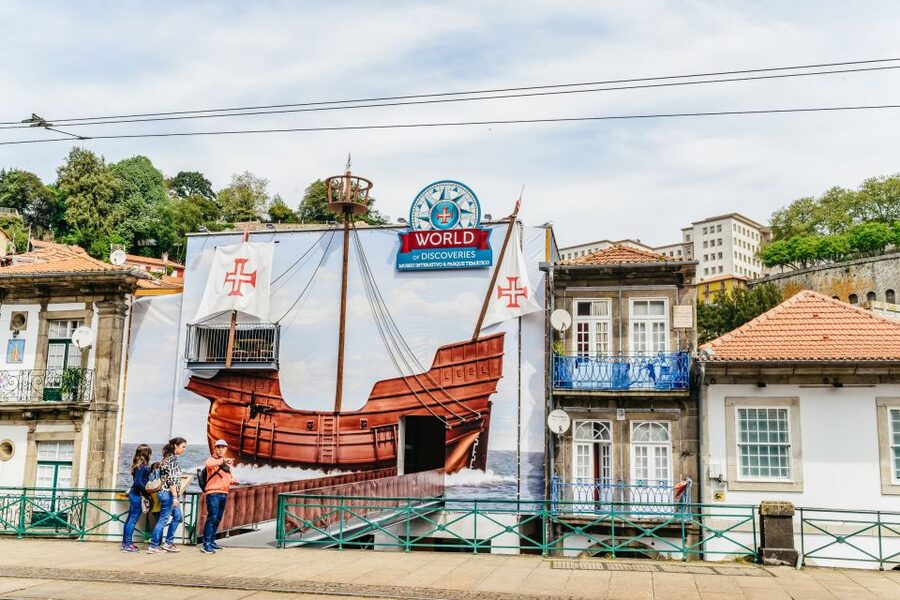
The World of Discoveries is located on Rua de Miragaia and is within walking distance of Porto’s old town. That makes it easy to pair with time in the historic center, though the walk itself should be planned around your group’s pace.
The stated duration is one hour, but I would not book a tightly timed activity immediately afterward. Crowds, school visits, and the boat queue can stretch the visit. Tuesday through Friday, the last entrance is at 5:30 p.m. On weekends and holidays, the last entry is at 6:30 p.m.
Check the available starting times before booking. The attraction has hosts or greeters who can assist in English, Portuguese, French, or Spanish, but the main experience is self-guided through exhibits and the boat audioguide.
If you are visiting with children, go early in the day when possible, or ask at reception about the least crowded order. If your schedule is flexible, that simple decision may make the difference between a relaxed visit and a packed one.
How it handles Portugal’s Age of Discoveries
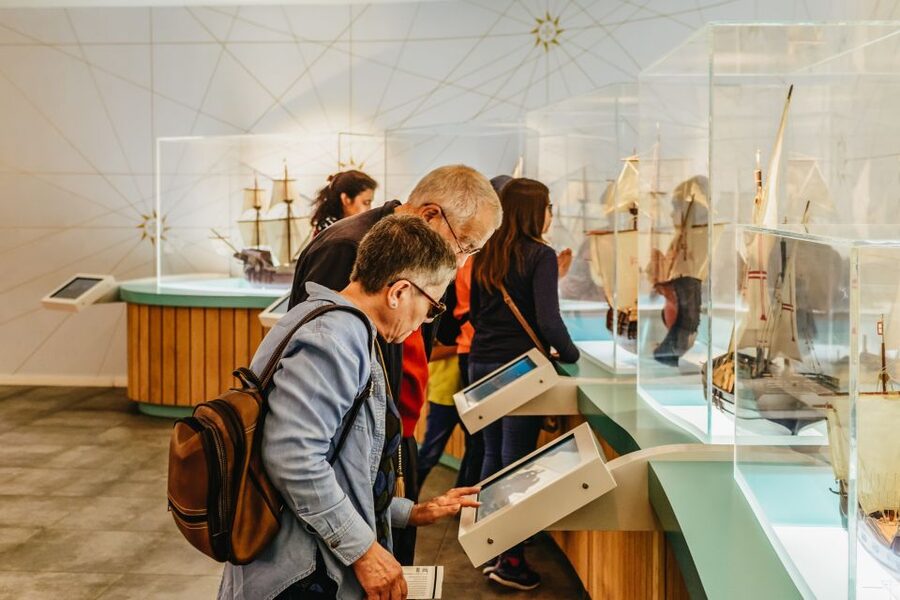
The World of Discoveries gives you a clear, attractive account of Portuguese navigation. You see how new routes connected distant regions and how maritime travel helped create early forms of global exchange.
That message is useful, but it needs context. The wording of discovery can make it sound as if the lands reached by Portuguese sailors were empty or unknown to everyone. In reality, these routes connected with societies that already had their own histories, cultures, trade networks, and political systems.
The attraction appears strongest when explaining navigation, routes, and the movement of goods and life across oceans. It is less suited to a balanced study of conquest and colonial power. I would use it as an introduction, then visit other museums or read further if you want a fuller account of the subject.
For a family visit, that limitation may be manageable. You can explain to older children that the exhibition presents one side of a larger story. The displays give you a starting point for asking better questions about who made the journeys, who benefited, and who paid the price.
Should you book the World of Discoveries?
Book it if you want a short, visual, family-friendly introduction to Portugal’s explorers, especially if the boat ride sounds appealing. The interactive globe, detailed sets, and 20 to 25-minute ride give the visit more life than a standard display of maps and objects.
I would also recommend it to adults who enjoy well-made theatrical attractions. The experience is not only for children, even though school groups and young families can shape the atmosphere.
Think twice if you are expecting a large museum, a quiet scholarly visit, or a complete history of Portuguese empire. The attraction is compact, sometimes crowded, and presented mainly from Portugal’s viewpoint.
For most visitors, the decision comes down to timing and expectations. Allow extra time for the boat queue, ask about crowd levels when you arrive, and treat the exhibition as a lively introduction rather than the final word on the Age of Discoveries. At $21, it is a reasonable Porto activity when you value the boat ride and interactive design as much as the historical content.
FAQ
How long does the World of Discoveries visit take?
The stated duration is one hour. The boat ride itself takes about 20 to 25 minutes, though queues may make the overall visit longer.
What is included with the ticket?
Admission to the World of Discoveries is included, along with an audioguide during the boat ride.
Which languages are available?
The attraction provides support in English, Portuguese, French, and Spanish. Information in the exhibition may also be available in additional languages in some areas.
Can children visit alone?
No. Children must be accompanied by an adult, and unaccompanied minors are not allowed.
Is the World of Discoveries wheelchair accessible?
Yes, the attraction is listed as wheelchair accessible.
What should I bring to the attraction?
Bring your passport or ID card. Your voucher is exchanged at the World of Discoveries reception on the scheduled day.
Newest Porto reviews on the site
- Douro Valley Premium Tours – Private Driver & Guide★ 5.0 · 93 reviews
- Douro Valley Delights Wine Tasting and Scenic Vistas★ 5.0 · 3 reviews
- Douro valley Majestic★ 5.0 · 12 reviews
- Private off the beaten Douro Valley Wine Tour★ 5.0 · 100 reviews
- Tour the Douro wine region, and discover the fantastic landscape★ 4.5 · 4 reviews
- Douro Valley Private Full–Day Tour from Porto★ 5.0 · 23 reviews
- Private Tour to stunning Douro Valley and most renowned wineries★ 5.0 · 39 reviews
- Douro Tour on a Private Yacht in Porto★ 4.5 · 10 reviews
Tickets, compared.



Guimarães & Braga Tour with Entry Tickets and Lunch
Read our review →
Braga & Guimarães Small Group Tour: Lunch & All Tickets Included
Read our review →
Guimaraes & Braga Small Group Tour with Lunch and Tickets
Read our review →