
Reviewed · MATOSINHOS TOURS
Matosinhos: Conservas Pinhais Factory Tour
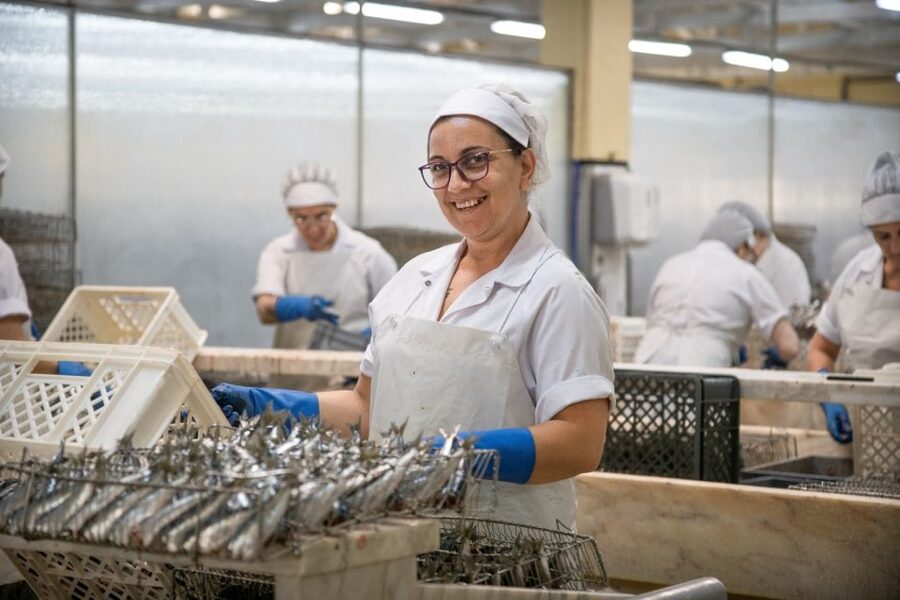
The most memorable part of this Matosinhos experience is not the finished tin on a shop shelf. It is seeing a century-old cannery still shaped by handwork, from preparing the fish to wrapping each can. You also get to try the process yourself, which turns a simple factory visit into a useful lesson in Portuguese food culture.
I like the working production floor, where you can see the real steps of the process rather than a display built only for tourists. I also like the final tasting, which pairs preserved fish with bread and a glass of wine or a soft drink. The main consideration is that Pinhais cannot promise you will see sardines being handled, since the daily activity depends on the catch and the production schedule.
Key points to know before booking
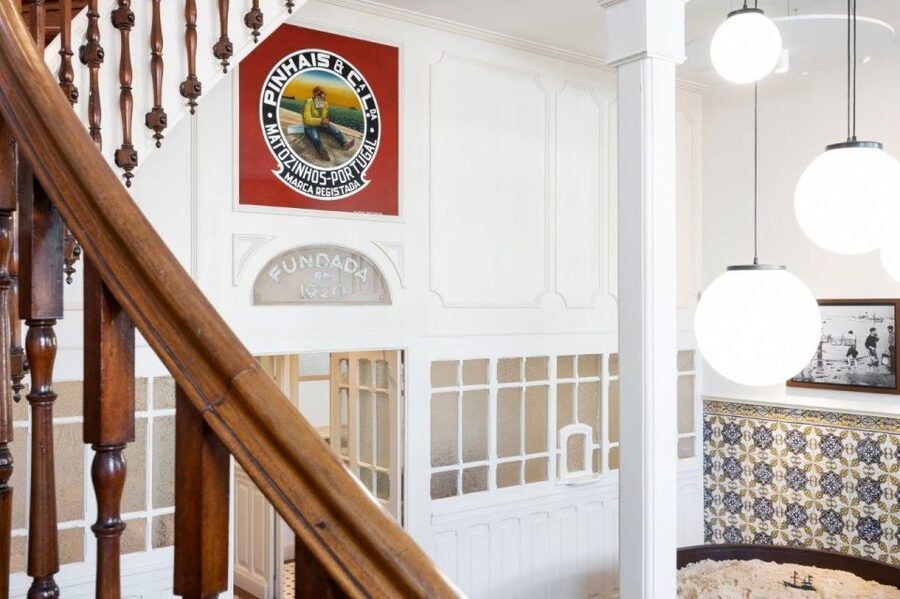
- A real centenary cannery: The tour takes place inside Pinhais’s historic factory building in Matosinhos.
- Production depends on the day: Weekday visits may see workers active on the floor, while weekend and holiday visits take place during the weekly break.
- You wrap your own tin: Every participant gets a hands-on chance to learn the traditional wrapping method.
- The tasting is part of the ticket: Try preserved fish with bread and a glass of wine or a soft drink at the Can-Tin Café.
- English support is included: You have a live English-speaking guide, English audio content, and headsets.
- Budget about 1.5 hours: The guided factory portion lasts about one hour, with time also used for the wrapping activity, tasting, and shop.
Why this cannery tells a bigger Matosinhos story
Matosinhos is closely tied to the sea, fishing, and food production. At Conservas Pinhais, those subjects come together in one small, practical visit. You are not only looking at sardine tins. You are seeing how a family company has kept an old method alive while making a product that still reaches shops and dinner tables today.
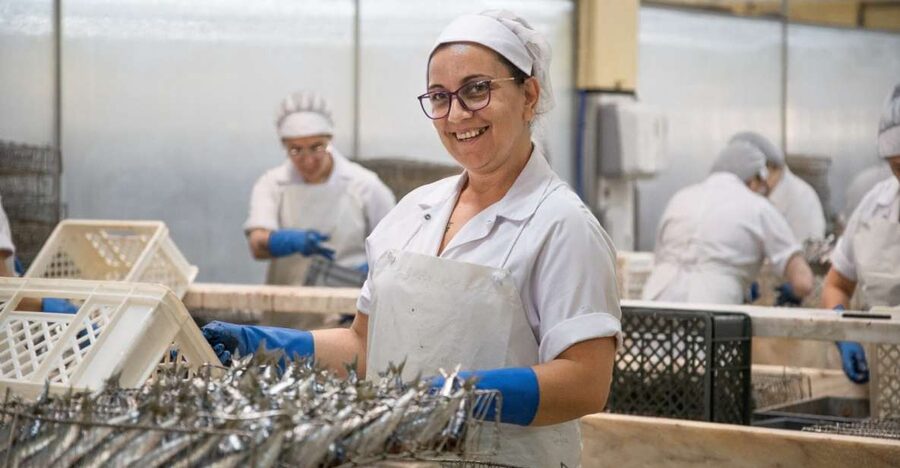
The company presents its story through commitment, resilience, and the people who have worked there over the years. That human angle matters. The factory is not treated as a silent machine. Its experienced workers are part of the explanation, and the production floor gives you a chance to see how much care goes into a product that is often treated as a cheap pantry item.
I find that especially useful if you are curious about Portuguese food beyond the usual cod, pastries, and port wine. Canned fish is an everyday product, but Pinhais shows why quality, sourcing, seasoning, and presentation can make a noticeable difference.
More Matosinhos beach and harbour trips:
- Matosinhos: Surfing Lesson with Equipment
★ 4.8 · 704 reviews - Porto: Surf Lesson with the First Surf School in Porto!
★ 4.6 · 71 reviews - From Leixões: Private Porto Historic Center Tuk Tuk Tour
★ 4.8 · 36 reviews
Starting at Avenida Menéres 700
Your visit begins at Av. Menéres 700, where you first exchange your voucher at the ticket counter. Do not head straight into the factory without doing this step. The ticket counter is the required starting point for the tour.
The overall experience lasts 1.5 hours. The guided factory visit itself is listed at about one hour, and the remaining time allows for the wrapping activity, tasting, and shop. That makes it easy to fit into a half-day around Matosinhos, though you should avoid scheduling something immediately afterward.
English is the stated tour language. You also receive headsets so you can hear the guide clearly, a useful touch when the factory is active and machinery or conversation may create background noise. The tour is wheelchair accessible.
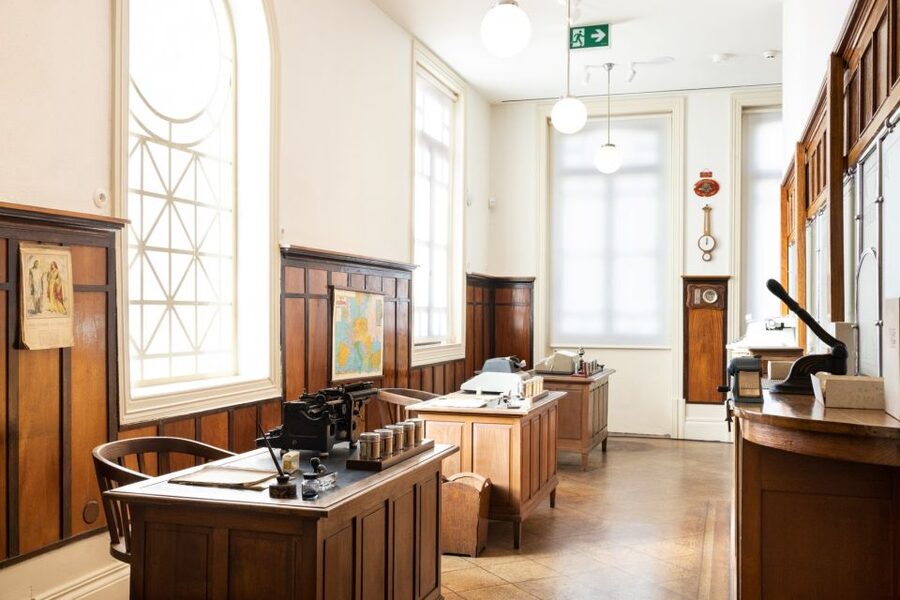
Inside the historic Pinhais building
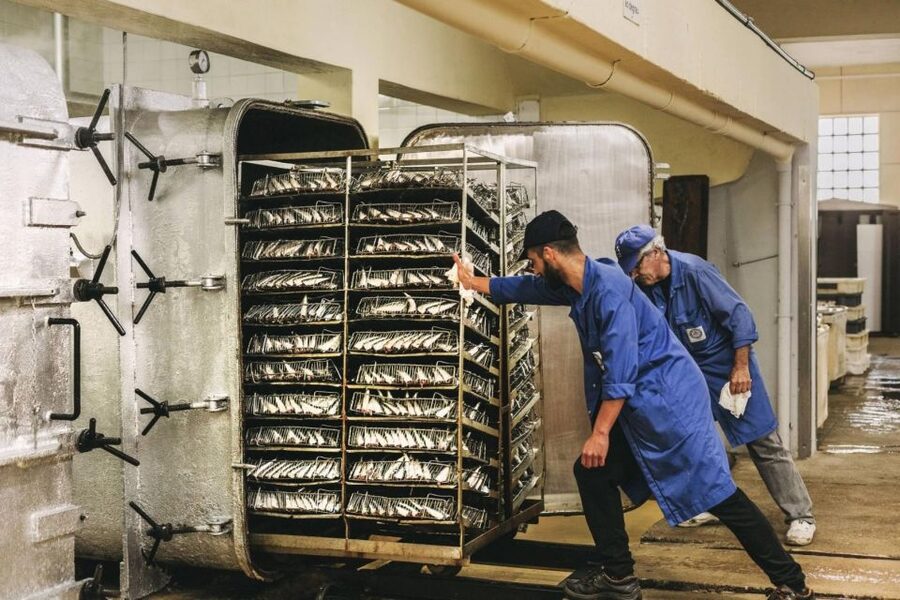
The first part of the visit takes you through the historical areas of the centenary building. You also see audiovisual material that sets out the company’s background and production story.
This opening section gives you the context needed for the factory floor. Without it, the equipment and workstations might look like a collection of old industrial objects. With it, you can connect the building to Pinhais’s long-running family business and to the place fishing has held in Portuguese life.
The old factory workshop is another important stop. It helps show how the work has changed, and how much of the traditional method is still present. The strongest part of the visit is the contrast between the polished finished product and the careful stages required before that tin reaches a shop.
Seeing the production floor in action
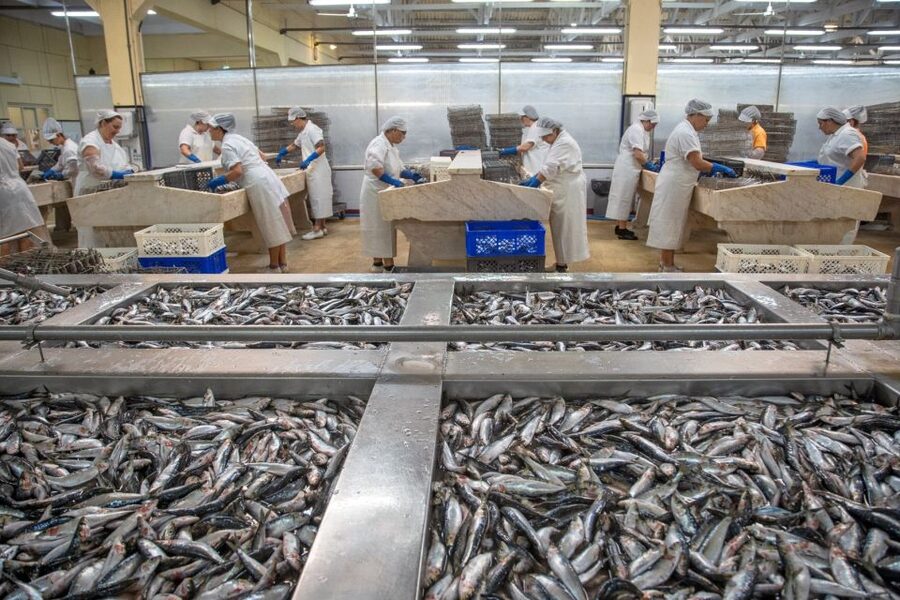
On weekday visits from Monday to Friday, the tour includes the production floor during its normal activity, when possible. You can learn about the stages of Pinhais’s artisanal process and watch experienced workers carry out their jobs.
This is where the visit earns its price. A standard food museum can explain how something is made. Here, you may see the process taking place in front of you, with real workers handling the day’s production. The focus is not on speed alone. The factory presents the work as a skill passed down through practice.
There is one important limit. Pinhais cannot guarantee that you will see fish being handled. The production team decides which activity is taking place on the day, and the available sardine catch affects the schedule. If seeing fresh sardines processed is your single reason for booking, keep that uncertainty in mind.
Still, the tour remains worthwhile if the fish-handling stage is not happening. You can learn about the full process, see other areas of the factory, visit the old workshop, and take part in the wrapping activity. The visit is about the whole method, not one guaranteed production moment.
Same city, a completely different kind of day out:
- The Unvanquished Tour in Porto City Center
★ 5.0 · 26,497 reviews - From Porto: Douro Valley w/ Boat Tour, Wine Tasting & Lunch
★ 4.7 · 19,061 reviews - Complete Douro Valley Wine Tour with Lunch, Wine Tastings and River Cruise
★ 5.0 · 12,920 reviews - Porto: Six Bridges Cruise
★ 4.2 · 11,680 reviews
Weekend visits offer a different kind of access
Saturday, Sunday, national holiday, and after-hours visits take place during the workers’ weekly break. That means you will not see the production floor operating in the same way as on a weekday.
This is not simply a weaker version of the tour. During these visits, you can explore some of the factory’s more exclusive areas and get closer to the traditional method through hands-on activities. The tour still includes the historic spaces, audiovisual material, old workshop, tin wrapping, tasting, and shop.
Choose your day based on what matters most to you. If you want to watch workers at their stations, a weekday gives you the better chance. If you prefer a quieter visit with access to areas used to explain the old method, a weekend or after-hours tour may suit you better.
Wrapping your own sardine tin
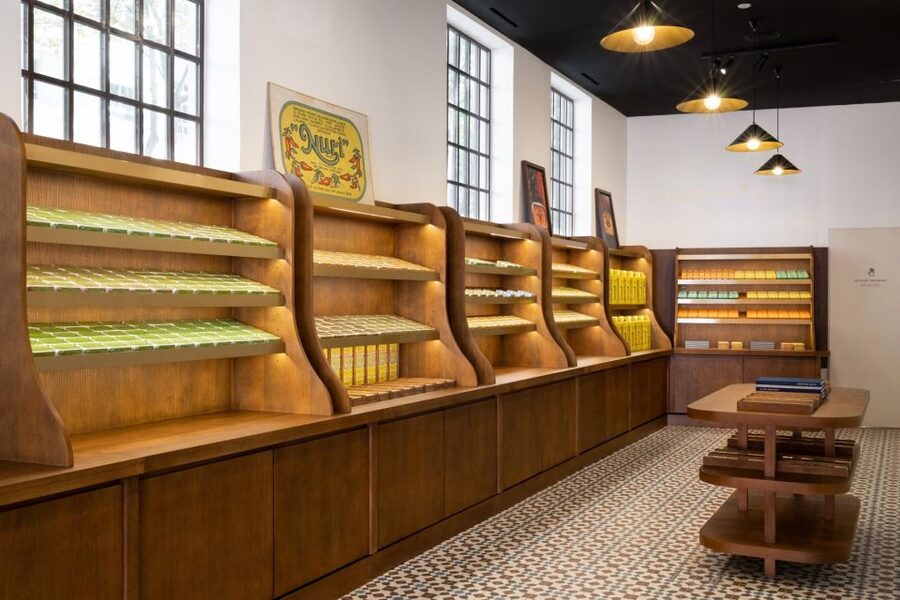
The hands-on wrapping activity is one of the best details in the program. Everyone gets the chance to wrap a tin, rather than simply watching the guide demonstrate it.
This small task changes your view of the product. A decorated can may look effortless when displayed in a shop, but wrapping it yourself helps you notice the patience and precision involved. It also gives children and adults something concrete to do during a tour that otherwise includes a fair amount of listening.
I would not treat this as a full production shift. It is a short activity designed for the tour, not a chance to perform every factory job. But it is well chosen because it links the old workshop, the company’s visual identity, and the practical work of preparing the finished product.
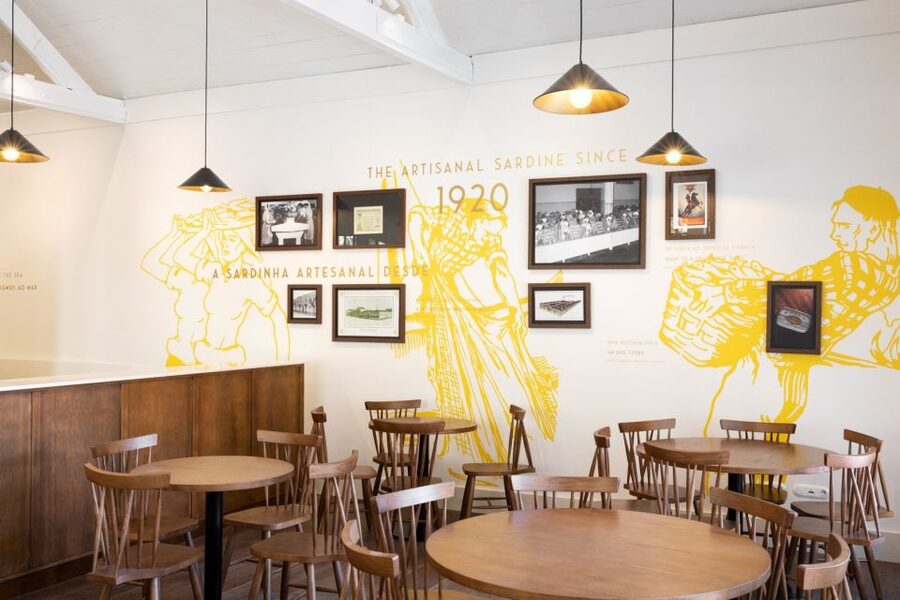
The tasting at Can-Tin Café
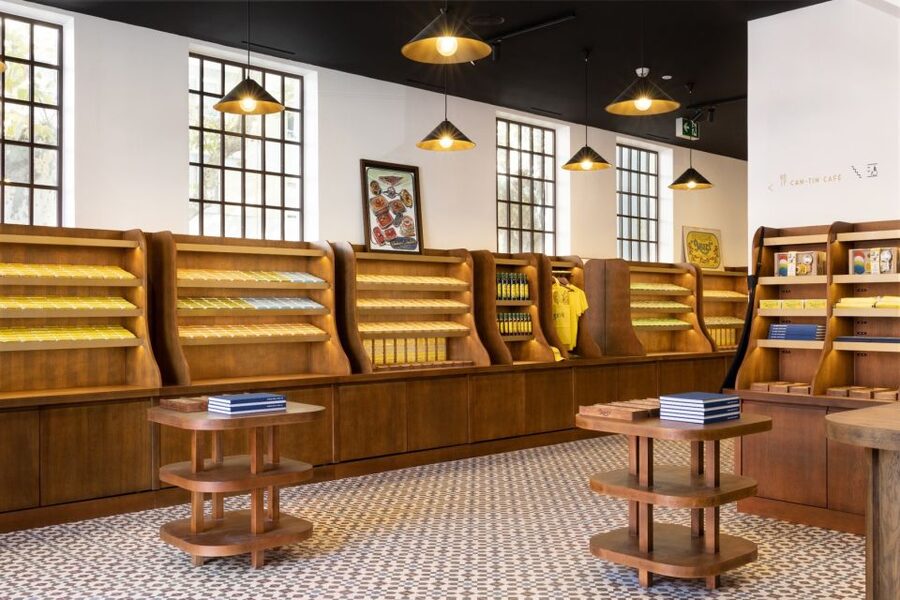
The tour ends with a tasting of Pinhais fish preserves at the Can-Tin Café. The ticket includes preserved fish, bread, and a glass of wine or a soft drink.
This is more than a quick sample. It is your chance to judge what the careful production and ingredients mean on the plate. The tasting may include sardines and other fish preserves, with spicy olive oil sardines receiving especially strong praise from people who tried them. If you already enjoy tinned fish, this is likely to be a highlight. If you are unsure about sardines, it gives you a low-pressure way to try them in a setting built around the product.
Do not plan a large lunch immediately before the tour if you want to make the most of the tasting. One useful practical point is that the food is part of the experience, not an optional purchase at the end. You can focus on the tour without wondering if you need to buy a separate snack.
The wine pairing also helps place the preserves in a Portuguese food setting. Choose the soft drink if you prefer not to drink alcohol. The included drink is a modest detail, but it makes the final stop feel complete rather than rushed.
A guide-led visit with room for questions
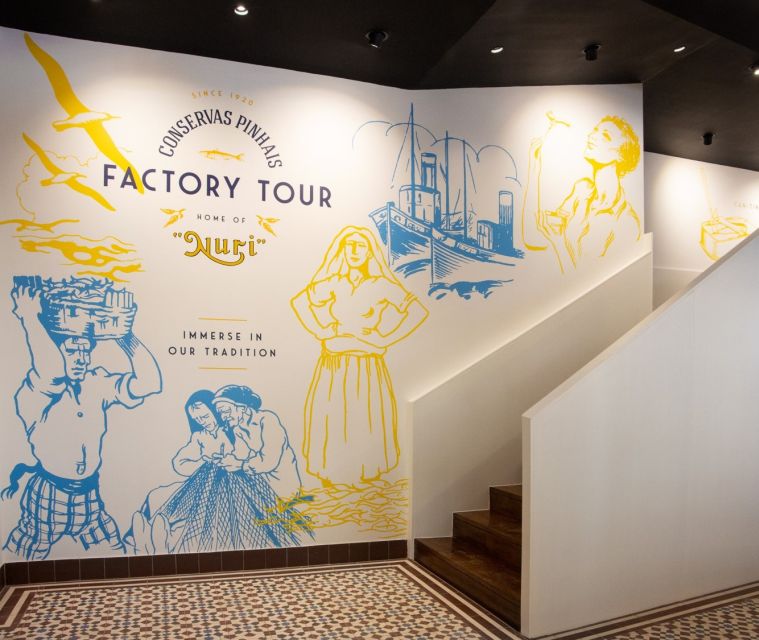
The tour includes a live English-speaking guide and English audiovisual support. Headsets are provided so the explanation stays clear while you move through the building.
Guide Roberto has received particular praise for being friendly, informative, and good at keeping the visit enjoyable. The experience is not presented as a dry technical lecture. You learn the history of the company, the relevance of the fishing industry, and the steps involved in making canned fish.
The guide’s role is especially useful during the working-floor section. Machinery and production areas can be difficult to understand without context. A clear explanation helps you see why each step matters, rather than simply watching people move around a factory.
Is $30 a fair price?
At $30 per person, this is not the cheapest food-related activity in the Porto area. But the price includes more than entry to a building. You get an English factory tour, protective clothing, headsets, the wrapping activity, a tasting of preserved fish, and a glass of wine or soft drink.
I consider that reasonable if you value access to a functioning traditional business and prefer a focused cultural activity to a general sightseeing stop. The experience also saves you from buying several tins simply to discover what Pinhais produces. You can taste first, then decide what belongs in your suitcase.
The value is lower if you dislike fish, have little interest in food production, or expect a large meal. The tasting is a sample, not a restaurant lunch, and the factory schedule can limit what you see on the production floor.
What to wear and what to leave behind
Pinhais provides protective clothing for the factory visit. Food, drinks, medicine, jewelry, backpacks, bags, and suitcases must be stored in lockers.
That rule is practical and worth planning for. Wear comfortable clothing that works with the protective layer, and leave large luggage elsewhere. Since personal items are restricted in the factory, do not arrive expecting to carry a camera bag or daypack through the production areas.
The wheelchair-accessible status is helpful for visitors who need step-free access. The supplied information does not give detailed measurements or describe every route inside the building, so contact the operator directly if you need to confirm a particular mobility requirement.
Who will enjoy this most?
I would recommend the Pinhais tour to anyone interested in Portuguese food traditions, industrial history, or small family companies. It is also a good choice for people who like hands-on visits. Wrapping a tin gives the experience a clear focus and makes it more memorable than a tour based only on photographs and displays.
Families can find something to enjoy here, especially during the wrapping activity and tasting. Sardine lovers will have plenty to look forward to, while people who are uncertain about preserved fish can use the tasting to decide how they feel about it.
The tour also suits repeat visitors to Porto who want to spend time in Matosinhos rather than tick off another major monument. It connects food, work, local industry, and the sea in a compact format.
I would be more cautious about booking it if you need a fully predictable factory show. The production schedule changes, fish handling is not guaranteed, and weekend visits happen during the workers’ break. Go for the wider story and the traditional method, not for one exact scene.
Practical booking advice for Matosinhos
The tour is available Monday through Friday, with a different format on Saturdays, Sundays, national holidays, and after-hours visits. Check the starting time when you book, since the duration is 1.5 hours but available times vary.
You can cancel up to 24 hours in advance for a full refund, and the reserve-now, pay-later option keeps your plans flexible. Even so, I would book ahead if the timing matters, since the tour has a set schedule and includes a live guide.
Remember to exchange your voucher at the ticket counter before the tour begins. Arrive with enough time to handle that step, store your belongings, and put on the protective clothing without rushing.
Should you book the Pinhais Factory Tour?
Yes, if you want a food experience with real local character and you are open to preserved fish. The strongest reasons are the historic factory, the chance to see traditional work, the personal wrapping activity, and the tasting that lets you judge the product for yourself.
Book a weekday if watching active production is your priority. Choose a weekend or holiday if you are comfortable with a quieter visit during the workers’ break and like the idea of seeing some less-accessible factory areas.
I would not book this as a replacement for lunch or if you expect every stage of sardine processing to be on display. For most people, though, the $30 cost buys a well-shaped 1.5-hour experience that explains an important Portuguese product and leaves you with a better sense of what is inside the tin.
FAQ
Where does the Conservas Pinhais Factory Tour begin?
The meeting point is Av. Menéres 700 in Matosinhos. Exchange your voucher at the ticket counter before the tour starts.
How long does the tour last?
The full activity lasts 1.5 hours. The guided factory visit is listed as approximately one hour, with additional time for the wrapping activity, tasting, and shop.
Is the tour available in English?
Yes. The experience includes a live English-speaking guide and English audiovisual support. Headsets are provided so you can hear the guide clearly.
Is a tasting included?
Yes. The tasting includes Pinhais fish preserves and a glass of wine or a soft drink. The tasting takes place at the Can-Tin Café.
Will I see sardines being handled?
Not necessarily. The activity on the production floor depends on the production team’s schedule and the available sardine catch, so Pinhais cannot guarantee that visitors will see fish being handled.
Can I wrap my own tin?
Yes. The tour includes a wrapping activity for all participants, giving you the chance to learn how to wrap a sardine tin.
What must I store in a locker?
Food, drinks, medicines, jewelry, backpacks, bags, and suitcases must be kept in the factory lockers. Protective clothing is provided for the visit.
Is the factory accessible by wheelchair?
The activity is listed as wheelchair accessible. If you have a specific access need, confirm the details with the operator before booking.
Newest Porto reviews on the site
- Douro Valley Premium Tours – Private Driver & Guide★ 5.0 · 93 reviews
- Douro Valley Delights Wine Tasting and Scenic Vistas★ 5.0 · 3 reviews
- Douro valley Majestic★ 5.0 · 12 reviews
- Private off the beaten Douro Valley Wine Tour★ 5.0 · 100 reviews
- Tour the Douro wine region, and discover the fantastic landscape★ 4.5 · 4 reviews
- Douro Valley Private Full–Day Tour from Porto★ 5.0 · 23 reviews
- Private Tour to stunning Douro Valley and most renowned wineries★ 5.0 · 39 reviews
- Douro Tour on a Private Yacht in Porto★ 4.5 · 10 reviews
Matosinhos Tours, compared.


Surf Lesson with the First Surf School in Porto!
Read our review →
From Leixões: Private Porto Historic Center Tuk Tuk Tour
Read our review →

Browse the lists this tour appears in