
Reviewed · WINE TASTINGS IN VILA NOVA DE GAIA
Port Wine Experience
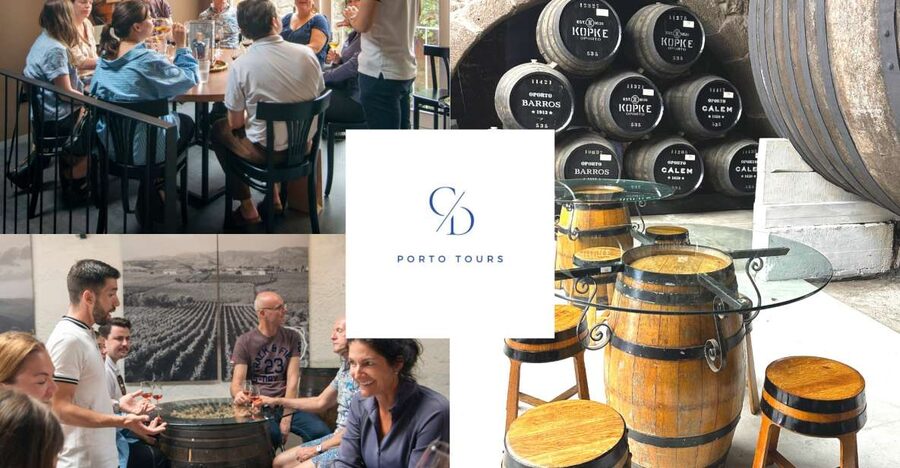
Port wine makes more sense when you see where it rests, not just when you sip it. This 2.5-hour tour visits three producers, moving from a working cellar with enormous barrels to a more polished boutique setting, while seven different Ports show you how much range sits inside one famous Portuguese drink.
I like the clear progression from production to tasting, and I like the riverfront start, where you can look toward the boats that once carried Port down from the Douro Valley. The main thing to consider is pace: seven tastings and a lot of information arrive in a short time, so eat beforehand and expect a focused adult experience rather than a leisurely meal.
Key points to know before booking
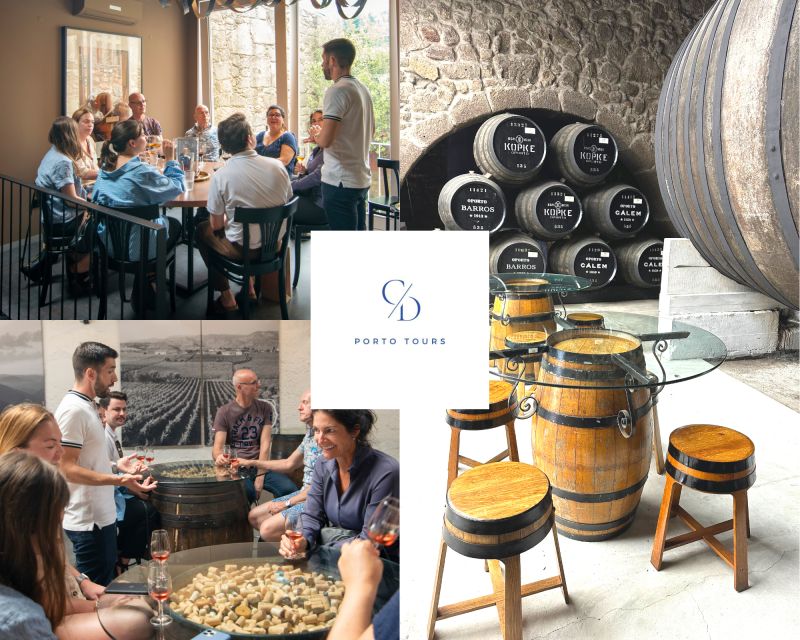
- Three different Port producers: You see a working cellar, a producer focused on cork and modern methods, and a boutique tasting room.
- Seven styles in one sitting: The lineup includes dry white, White Reserva, rosé, two Tawny Reservas, filtered LBV, and unfiltered LBV.
- Large aging vessels: The first cellar has barrels ranging from 500 to 40,000 liters, giving you a useful sense of industrial-scale aging.
- English-language guidance: The tour is led in English, with guide Nuno praised for making a large amount of information easy to follow.
- A riverfront meeting point: Look for the local partner’s sign on a blue umbrella in front of the Tourist Office.
- Adults only: The experience is not suitable for children, pregnant women, or wheelchair users.
Why this Port tour works well in Porto
Port is often treated as a final drink after dinner, but its production is tied closely to Porto’s riverfront and the Douro Valley. This tour gives you a quick way to connect those pieces. You begin near the river, where boats once carried wine from the valley toward the cellars and aging houses in Porto.
That setting matters. Before you taste anything, you get a visual clue about why Porto became the center of the Port trade. The river, the boats, and the cellars are part of the drink’s story, not just scenery around it.
The tour then takes you through three producers rather than keeping you in one tasting room. That variety is the main reason the $56 price can make sense. You are not paying only for seven small pours. You are also paying for access to different cellar styles, explanations of production, and a guided comparison of several Port categories.
Still, this is not a full-day winery visit. The experience lasts 2.5 hours, and the schedule has to fit three stops and seven tastings into that window. If you want long pauses, food pairings, or plenty of time to browse, this will feel brisk. If you want a well-organized introduction while sightseeing in Porto, the timing is useful.
More Wine Tastings in Vila Nova de Gaia
- Porto: Charming Sailboat Cruise with Port Wine,Sunset Option
★ 5.0 · 1,978 reviews - Vila Nova de Gaia: Port Wine Tasting with Cheese Pairing
★ 4.8 · 1,074 reviews - Porto: 6 Bridges Port Wine River Cruise with 4 Tastings
★ 4.9 · 586 reviews
Starting beside the river and following Port’s route
Meet in front of the Tourist Office and look for the local partner’s sign on a blue umbrella. The activity ends back at this same meeting point, which makes the tour simple to fit into a day of sightseeing.
The opening riverfront stop helps you picture the old transport route. Port came from the Douro Valley, then moved by boat toward Porto’s aging areas. You do not need to know the entire trade history to appreciate the point: the drink began inland, but the city beside the river became central to storing and selling it.
I like this start because it gives the tasting a physical setting. You are not simply handed a glass and asked to memorize wine terms. You first see the river connection, then visit places where the wine is stored and presented.
The meeting arrangement also keeps the tour independent from your hotel. Pickup and drop-off are not included, so you need to make your own way to the Tourist Office. That is a small planning detail, but it matters if you are staying outside the central area or scheduling another activity immediately afterward.
First cellar: barrels from 500 to 40,000 liters
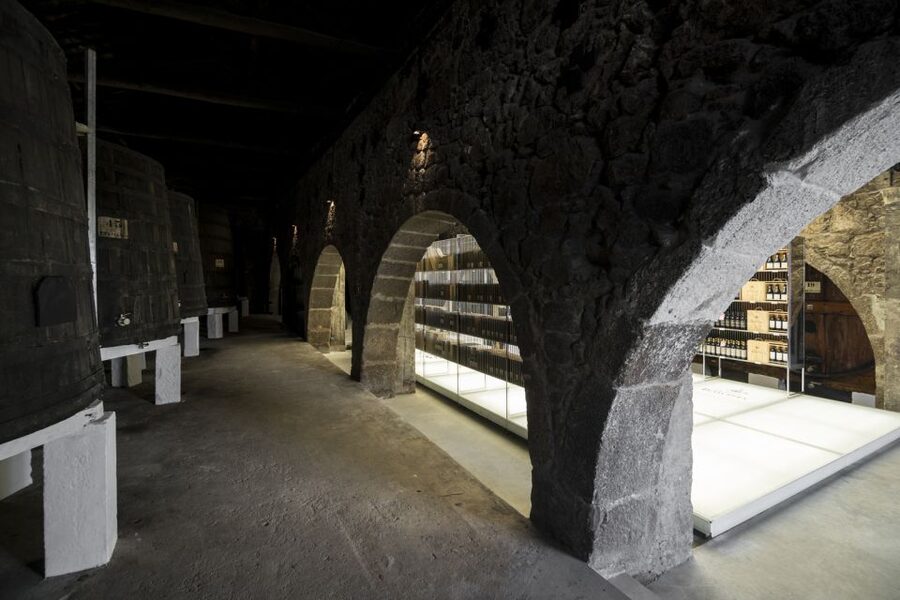
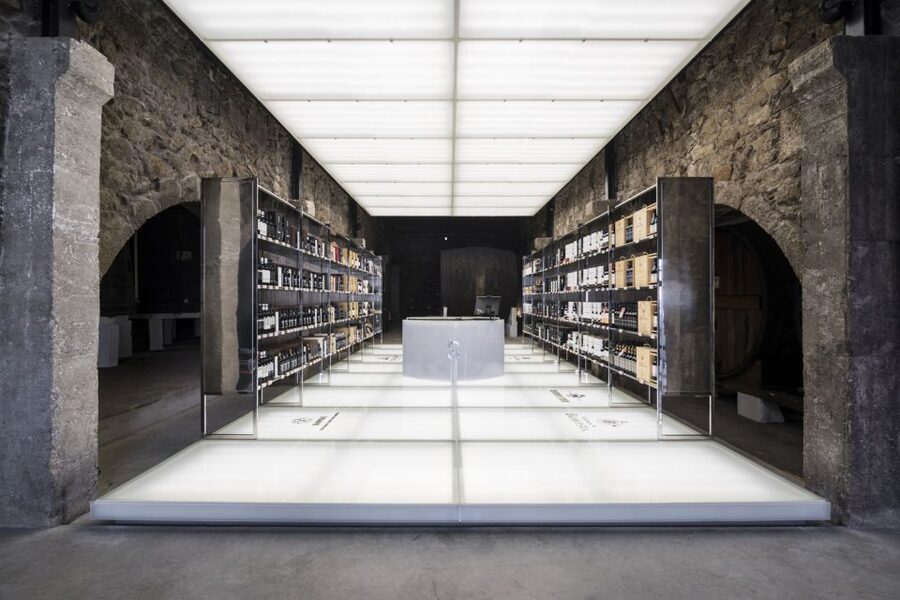
The first producer is a working cellar, and this is likely the most useful stop for understanding how Port is made and aged. You will see barrels holding anywhere from 500 to 40,000 liters. Those figures are hard to picture until you are standing beside the vessels, and the size difference gives the explanation some real scale.
This stop focuses on production and aging. You learn what happens after the wine is made, how it is stored, and why time in wood affects the finished drink. The cellar setting also helps explain why Port is not just a sweet red wine poured after dinner. It has several styles, colors, and aging paths.
You taste three Ports here. The provided lineup includes a dry white, a White Reserva, and one of the Tawny Reservas, though the exact order of the pours is not specified. This part of the tasting is useful because the white wines can challenge the assumption that Port is always dark, heavy, and sweet.
The dry white Port gives you a lighter starting point. A White Reserva then lets you compare a more developed white style. The tasting is not presented as a food tour, and food is not included, so think of these as guided samples rather than a replacement for lunch.
One practical tip is especially important: eat before you arrive. Seven pours may sound modest, but the alcohol adds up quickly when the tasting moves through fortified wines. The tour information specifically advises eating beforehand, and that is sensible advice.
Second producer: cork, a barrel photo, and rosé Port
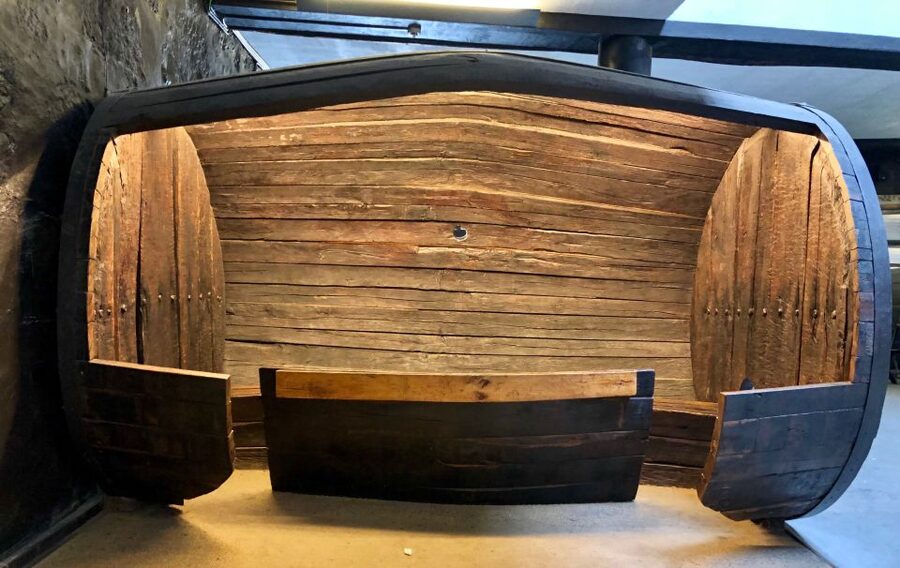
The second stop shifts from the cellar itself to the materials and modern side of the industry. You receive a short explanation about cork, an important part of wine storage and presentation. You can also take pictures inside a barrel, which adds a playful moment to a tour that otherwise involves a lot of listening and tasting.
This stop also covers modernization in Port production. That makes it a useful counterpoint to the first cellar. You are not only looking backward at old barrels and traditional aging. You also hear how the industry has changed and adapted.
The featured pour here is a rosé Port. It offers another break from the usual image of Port as a dark, sweet drink. For anyone who thinks they already know Port, this is one of the more interesting parts of the lineup because it broadens the category without requiring a technical wine background.
The main drawback is environmental rather than educational. One stop can have music or singing loud enough to make the guide difficult to hear. If that happens during your visit, it may take extra effort to catch every explanation. The experience is still manageable, but you may want to stay close to the guide when the room gets noisy.
More things to do in Vila Nova de Gaia:
- Porto: Six Bridges Cruise
★ 4.2 · 11,680 reviews - Porto: Taylor’s Port Cellars & Tasting
★ 4.6 · 3,374 reviews - Porto: Luxury Yacht Tour of the 6 Bridges and Douro Estuary
★ 4.9 · 521 reviews - Porto: Pastel de Nata Cooking Class from Scratch
★ 4.9 · 468 reviews
Third producer: boutique surroundings and three final pours
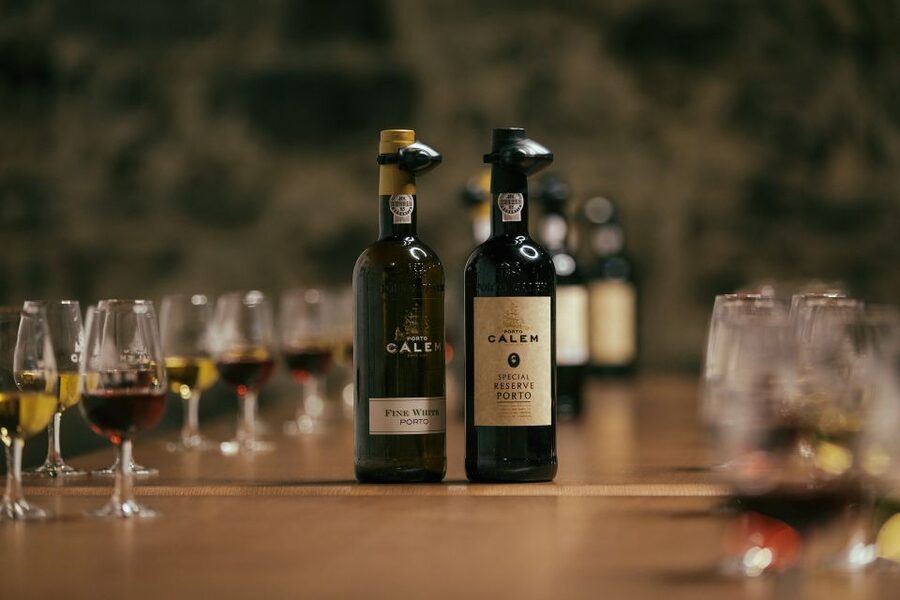
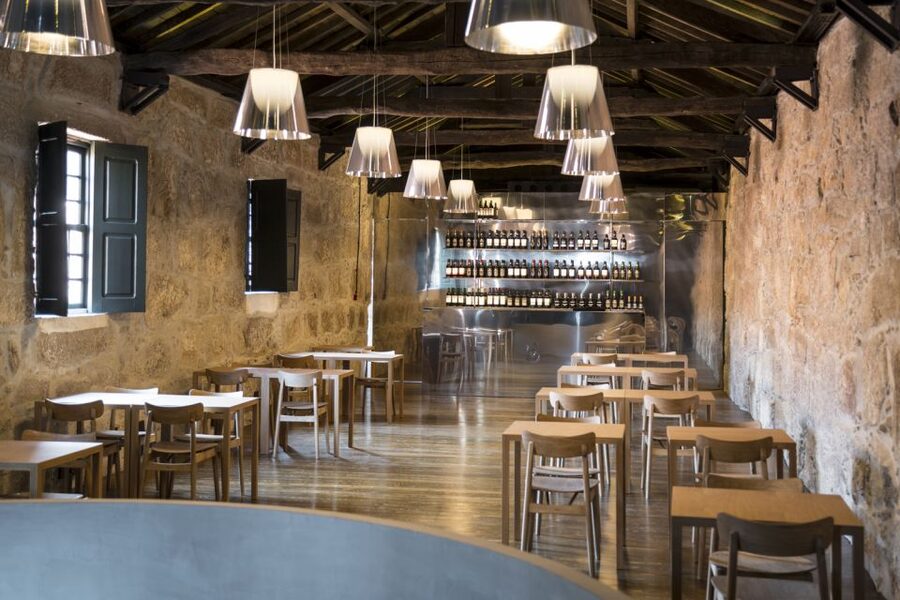
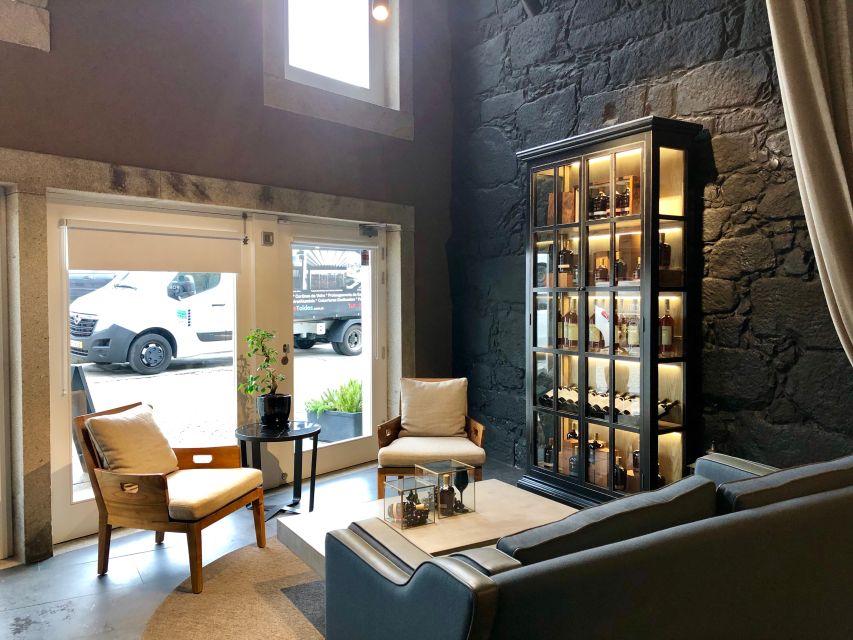
The last stop has a boutique setting and focuses on quality Ports from a producer recognized as Portugal’s best fortified wine producer in 2019. The atmosphere is more polished than the working-cellar stop, so the three visits give you three distinct ways to encounter the drink.
Here you taste the remaining three Ports: two Tawny Reservas, a filtered Late Bottled Vintage, and an unfiltered Late Bottled Vintage are included in the full seven-wine lineup. Since the first two stops account for three pours, the exact distribution of every wine by location is not specified, but the total list gives you a clear idea of the range.
The two Tawny Reservas help you compare wines shaped by longer wood aging. Tawny Port is generally associated with a lighter color and a softer, more developed character than young dark styles, though your guide will explain the specific bottles being poured.
The two LBVs let you compare filtered and unfiltered versions of Late Bottled Vintage Port. That is a particularly useful pairing because the labels sound similar, but the handling differs. The comparison gives you a reason to pay attention to clarity, texture, and the way each wine feels in the glass.
By the final stop, you have tasted white, rosé, tawny, and LBV styles. That is a lot of ground in one session. The advantage is a broad introduction. The cost is that you may not spend enough time with any one bottle to develop a detailed personal favorite.
Seven Ports, and what the lineup teaches you
The tasting list is carefully varied:
- One dry white Port
- One White Reserva
- One rosé Port
- Two Tawny Reservas
- One filtered LBV
- One unfiltered LBV
That selection gives you color and style changes rather than seven nearly identical pours. The white and rosé wines are useful for correcting the idea that Port is always a dark red drink. The Tawny Reservas and LBVs then move you toward styles shaped by different aging and production choices.
I appreciate that the tour includes both filtered and unfiltered LBV. A single bottle can tell you about Port, but a paired comparison helps you notice how production decisions affect the final drink.
The tasting is also educational without requiring you to arrive with wine vocabulary. You can simply note which wines seem lighter, sweeter, more concentrated, or more wood-influenced. A good guide can connect those impressions to the production process, and Nuno has been specifically praised for making a large amount of information fun and easy to follow.
Do not expect full glasses. Producer tastings normally use small samples, and the purpose here is comparison. Even so, seven samples are enough to affect you, especially because Port is fortified. Eat first, drink water when you can, and avoid treating every pour as a challenge to finish quickly.
The guide makes the fast schedule manageable
The tour packs a lot into 2.5 hours. That can sound rushed on paper, but the format works better if you see it as three short lessons linked by tasting rather than as three long cellar visits.
The guide’s role matters. Nuno is praised for keeping the information lively and avoiding an overloaded feeling, even with so much ground to cover. You will hear about production, aging, cork, and modernization, then put those ideas into practice with the wines in front of you.
The tour is offered in English. If you enjoy asking questions, the compact schedule may limit how long you can linger on each topic, but there is enough structure to give you a clear starting point for exploring Port on your own later.
The activity is mainly indoors. That is helpful on a wet day in Porto, though it also means you should not book it expecting a long outdoor walk through vineyards or extensive time along the river.
Is $56 a fair price?
At $56 per person, the tour sits above the cost of a single cellar tasting but includes three producers and seven wines. I consider that fair if you value explanation and variety more than simply finding the cheapest pour in town.
The price covers a guided experience, access to a working cellar, three producer visits, and seven tastings. It does not cover food, hotel transportation, or drop-off. You should budget for a meal before the tour and plan your route to the starting point independently.
The strongest value comes from comparison. You get to see how a working cellar differs from a more modern producer and a boutique tasting room. You also taste enough styles to decide what kind of Port you want to order later.
The weaker value is for someone who already knows Port well and wants rare bottles or a long technical discussion about one producer. The available information does not promise a private tour, a meal, or a bottle to take home, so do not book it expecting those extras.
Who should book this experience?
I would choose this tour if you are new to Port, short on time, or want a guided introduction before visiting more cellars independently. It also suits anyone who enjoys comparing styles instead of drinking the same type of wine throughout a tasting.
It is a good match for adults who like a clear schedule and indoor activities. The riverfront start adds context, while the barrel sizes, cork explanation, and LBV comparison keep the experience from becoming just a sequence of sweet pours.
I would be more cautious if you dislike fortified wine, prefer slow tastings, or need wheelchair access. The activity is listed as unsuitable for wheelchair users, pregnant women, and children. The age information is inconsistent, with one note referring to under 16 and another referring to under 18, so I would treat it as adults only and confirm the rule when booking.
All participants need a reservation, including anyone who does not plan to drink. That is worth knowing if one person in your group intends only to watch. Free cancellation is available up to 24 hours before the activity, and you can reserve now and pay later if you want to keep your Porto plans flexible.
Should you book the Port Wine Experience?
Book it if you want a compact, well-rounded introduction to Port with three producers and seven distinct pours. The tour gives you useful variety, a working-cellar visit, river context, and a guide who can make a dense subject easy to follow.
Skip it if you want food, hotel pickup, extensive outdoor sightseeing, or a slow tasting focused on one producer. For most adult visitors who want to understand why Porto is tied so closely to Port wine, the $56 price is reasonable, especially if you eat first and arrive ready to compare rather than simply drink.
FAQ
Where does the Port Wine Experience start?
It starts near the river, in front of the Tourist Office. Look for the local partner’s sign on a blue umbrella.
Where does the activity end?
The tour ends back at the meeting point.
How long does the experience last?
The activity lasts 2.5 hours. Starting times depend on availability.
How many Port wines will I taste?
You will taste seven Ports: one dry white, one White Reserva, one rosé, two Tawny Reservas, one filtered LBV, and one unfiltered LBV.
Is food included?
No. Food is not included, and eating before the experience is recommended.
Is the tour available in English?
Yes. The live tour guide leads the experience in English.
Can children or pregnant women participate?
No. The activity is listed as unsuitable for pregnant women and children. The age restrictions are described as under 16 in one place and under 18 in another, so it is safest to consider this an adults-only experience.
More Vila Nova De Gaia wine and port tastings
- Porto: Port Cellar Visit and Wine Tasting at Fonseca
★ 4.2 · 232 reviews - Porto: The Authentic Fado Concert with Port Wine
★ 4.9 · 188 reviews - Porto: Private Sailboat Trip with Wine Tasting & Charcuterie
★ 5.0 · 9 reviews - Port Wines & Chocolate Pairing
★ 5.0 · 3 reviews
Newest Vila Nova De Gaia reviews on the site
- Private Boat Tour 6 Bridges 1h30, group price up to 6px★ 5.0 · 3 reviews
- Porto: The Best Douro Boat Tour★ 5.0 · 14 reviews
- Porto: Taylor’s Port Cellar Tour & WOW Museum Pack★ 4.7 · 24 reviews
- Porto: Private Sailboat Trip with Wine Tasting & Charcuterie★ 5.0 · 9 reviews
- Porto: Porto Bike Atlantic Route★ 5.0 · 4 reviews
- Porto: Museum of the Oldest Appellation in the World Ticket★ 4.5 · 11 reviews
- Porto: Best Exclusive Charming Sailboat Sunset★ 5.0 · 4 reviews
- Port Wines & Chocolate Pairing★ 5.0 · 3 reviews
Wine Tastings in Vila Nova de Gaia, compared.

Charming Sailboat Cruise with Port Wine,Sunset Option
Read our review →
6 Bridges Port Wine River Cruise with 4 Tastings
Read our review →
Browse the lists this tour appears in