
Reviewed · PORTO PASTEL DE NATA WORKSHOPS
Learn How to Make Pastel de Nata!
Portugal’s famous custard tart is simple to recognize but harder to make well. In this small, hands-on class, you work from scratch with Joana, hear about the recipe passed down from her grandmother, and finish by eating the pastel de nata you helped prepare. The class is built around home cooking and family tradition, not just a quick demonstration.
I like two things right away: the group is limited to 10, so you should get useful help while shaping the pastry, and the class welcomes children and adults of all ages. The $29 price is fair for about two hours of instruction, baking, cultural stories, and food. One important catch: the stated meeting address is in Fânzeres, not central Porto, despite the description calling the studio city-center based.
- A family recipe: Joana connects the pastry to her grandmother and years of home baking.
- Hands-on work: You help make the tarts from scratch rather than watching someone else do it.
- Small group size: A maximum of 10 people allows more personal help.
- A sweet finish: Everyone sits down together to eat the pastel de nata.
- Cultural context: The class includes stories about Portuguese customs and the tart’s origins.
- A recipe concern: One past participant felt the experience was incomplete because the ingredient quantities were not provided during class.
Starting with Portugal’s most famous pastry
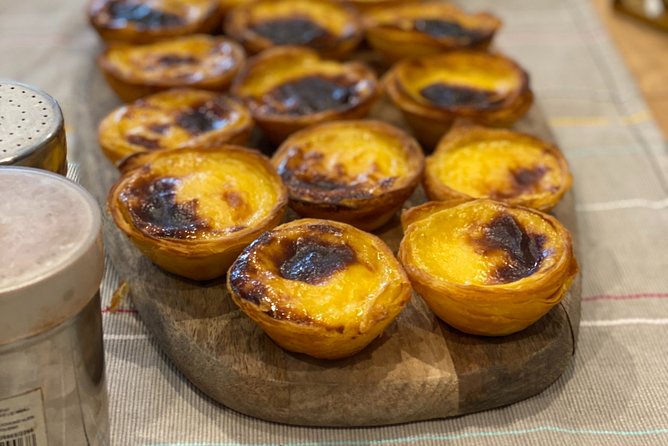
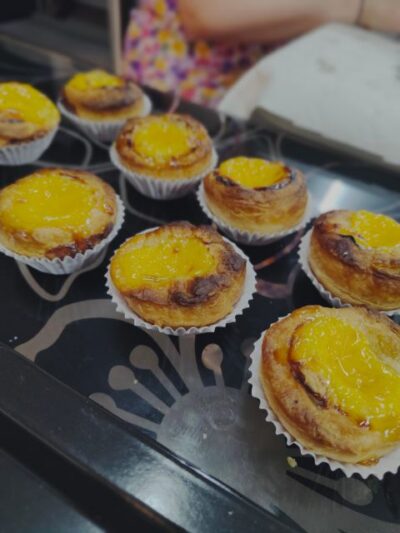
Pastel de nata is one of those foods that seems modest until you pay attention to the details. It has crisp pastry, a baked custard center, and a familiar connection to cafés across Portugal. Making it yourself gives you a better sense of why the dessert depends on care, timing, and technique.
This class begins with a personal introduction. Joana talks about herself and her family, then explains how the recipe comes from her grandmother and has been made in her family for years. That detail gives the session a more intimate feel than a standard cooking demonstration.
You are not simply handed a tart and told where it came from. You take part in the preparation, hear facts about who created the pastry, and learn about customs connected with it. If you enjoy food experiences that explain a little of daily life in Portugal, this is one of the stronger parts of the class.
Baking in Joana’s home studio
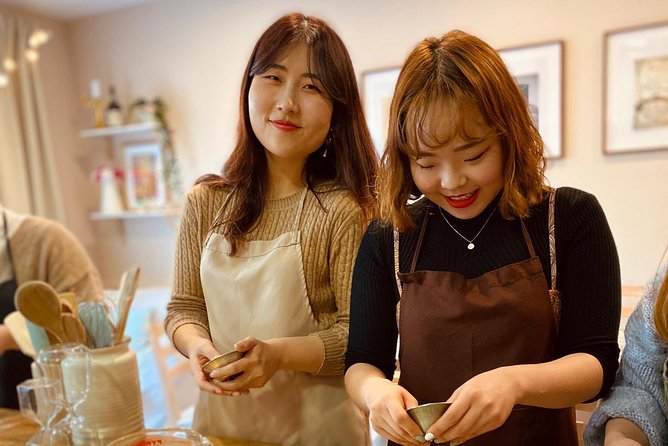
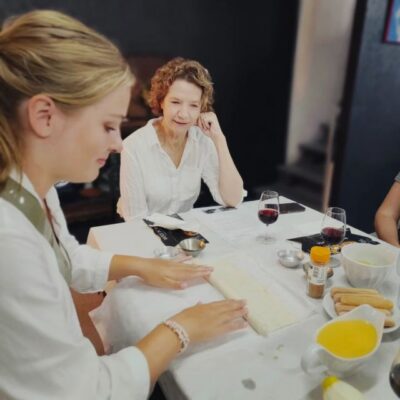
The class takes place in Joana’s home studio, described as a bright space with natural light and the equipment needed for baking. The setting matters. A home kitchen can make the class feel relaxed and personal, especially since Joana says hosting friends and family has long been part of her life.
You should expect a working kitchen rather than a formal culinary school. That can be a plus if you want a friendly setting where the focus is on making and sharing food. It may feel less polished than a professional cooking facility, but the home environment fits the family recipe and hosting style.
The experience is scheduled to begin at 9:30 a.m. and lasts about two hours. That makes it possible to place the class early in your Porto day, leaving later hours for sightseeing, though you should allow enough time to reach the meeting point.
More pastel de nata workshops in Porto:
- Porto: Pastel de Nata Pastry-Making Workshop
★ 4.9 · 1,542 reviews - Porto: Pastel de Nata Cooking Class with Port Wine – Sé
★ 4.8 · 888 reviews - Workshops Pasteis de Nata in Porto, Portugal
★ 4.9 · 520 reviews
The Fânzeres address deserves careful planning
The meeting point is listed as Rua Dr. Américo Jazelino Dias Costa 104, 4510-643 Fânzeres, Portugal. The description also says the studio is in the city center and easy to fit into a sightseeing schedule. These two details do not line up neatly, so I would check the exact route before booking.
This is the most important practical issue. Do not assume the class begins near Porto’s main sightseeing areas simply because Porto is named as the location. The supplied address is in Fânzeres, and the activity ends at that same meeting point.
The class offers a mobile ticket, and the location is near public transportation. Still, the address should guide your planning. If you are staying in central Porto, check the transport connection and allow a sensible margin before the 9:30 a.m. start. Missing the beginning would mean missing the family introduction and the first stage of the recipe.
Working together instead of watching a demonstration
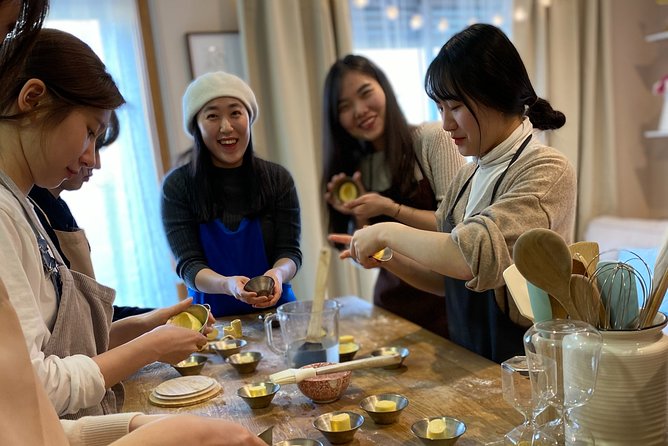
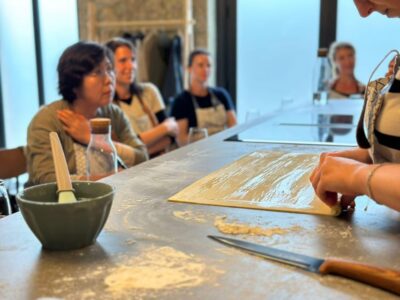
The class is described as fully hands-on. Everyone helps, takes turns, and works as a group with Joana’s guidance. This format suits beginners because you do not need advanced baking skills to take part.
The promise is reassuringly simple: you do not need to be an expert baker. Joana’s role is to help the group through the process, explain what is happening, and keep the work moving. With no more than 10 people, there should be a better chance to ask questions than in a large commercial class.
The group format also affects the final result. You may not make one private batch entirely by yourself. Instead, you work alongside the other people in the room and share the tasks. If you want a quiet, highly technical lesson focused only on your own pastry, this may not be the ideal setup. If you like cooking as a social activity, the shared work is part of the appeal.
Learning the story behind the custard tart
Joana includes fun facts about pastel de nata and explains who created the pastry. The exact historical details are not set out in the available information, so you should think of this as an informal food story rather than a full history lesson.
That distinction is useful. The experience appears designed to connect the tart with Portuguese customs and family life, not to provide a formal lecture. You will hear how one family has made the recipe over many years and how the dessert fits into local food culture.
Food stories often make a short class more memorable. After you leave, you will recognize pastel de nata not only as a café snack but also as a recipe with a place in Portuguese homes and traditions. That is a worthwhile addition to a Porto visit, particularly if you want something beyond architecture and major sights.
Same city, a completely different kind of day out:
- The Unvanquished Tour in Porto City Center
★ 5.0 · 26,497 reviews - From Porto: Douro Valley w/ Boat Tour, Wine Tasting & Lunch
★ 4.7 · 19,061 reviews - Complete Douro Valley Wine Tour with Lunch, Wine Tastings and River Cruise
★ 5.0 · 12,920 reviews - Porto: Six Bridges Cruise
★ 4.2 · 11,680 reviews
Eating the results at the end
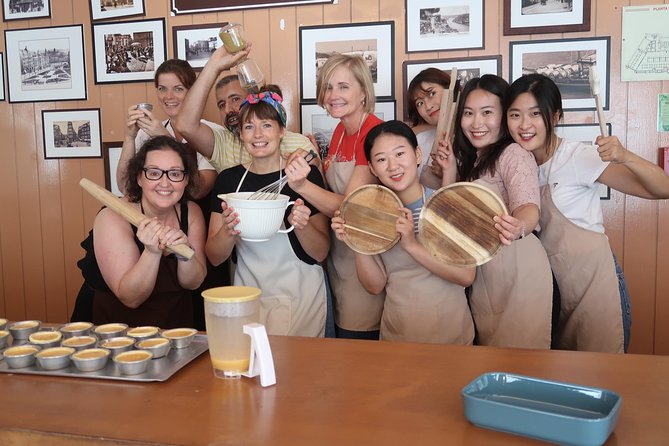
The class ends with everyone sitting down to eat the pastel de nata. This final meal is more than a convenient conclusion. It gives you a chance to see what the group has made and enjoy the food while the class is still fresh in your mind.
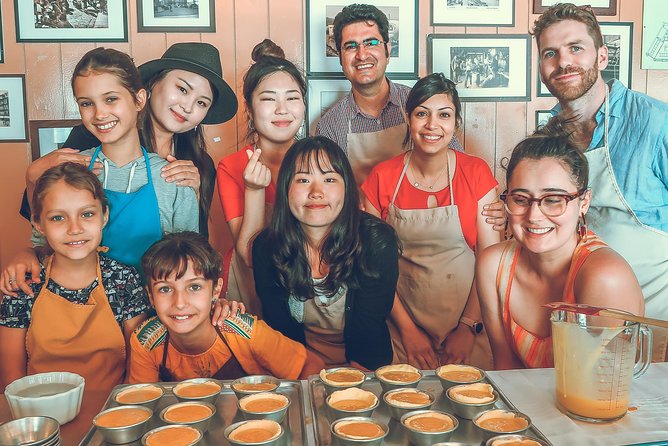
The experience description refers to making 24 pastéis with Joana and other participants during one class. That provides a useful sense of scale, though the exact amount may vary. You should expect a shared baking session rather than a private order of pastries to take away.
There is also time for conversation at the end. Joana has been described as offering recommendations about Porto, including restaurants and things to see and do. Since this advice comes from a local host, it may be useful when you are deciding where to eat or how to spend the rest of your visit. Treat it as an informal bonus rather than a separate guided tour.
What the $29 price really covers
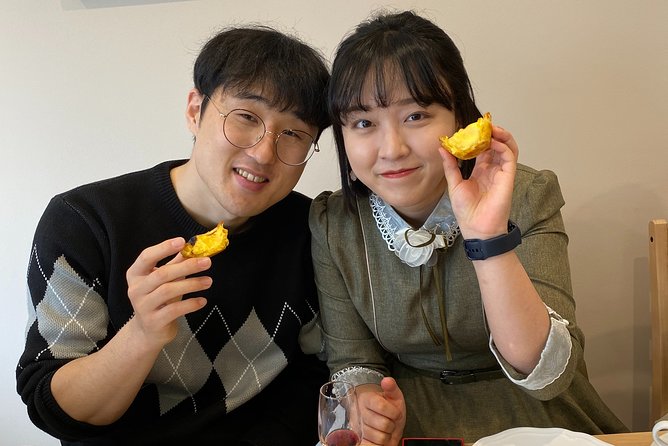
At $29, this is priced as an accessible food activity rather than a full cooking-school course. You are paying for about two hours, ingredients and equipment, hands-on instruction, cultural background, and the chance to eat the finished pastries.
The value is strongest if you want participation. A simple pastry tasting would cost less, but it would not give you the practical work or the family connection. The class also offers a social setting, which can be especially useful if you want an easy activity that does not depend on a long walking route or complicated sightseeing schedule.
The value is less clear if you mainly want a written recipe to recreate the tarts at home. One person felt disappointed because the ingredient quantities were not given during the class, with the expectation that the recipe would be sent later. Joana’s response indicates that the focus was on learning the method in the moment and that a recipe would be provided afterward, but the information supplied does not confirm the final delivery.
That point is worth clarifying before you book. Ask whether you will receive the complete recipe, including measured quantities, and when it will be sent. For some people, the class itself is enough. For others, the ability to bake the pastry again at home is a major part of the price.
Who will enjoy this class most
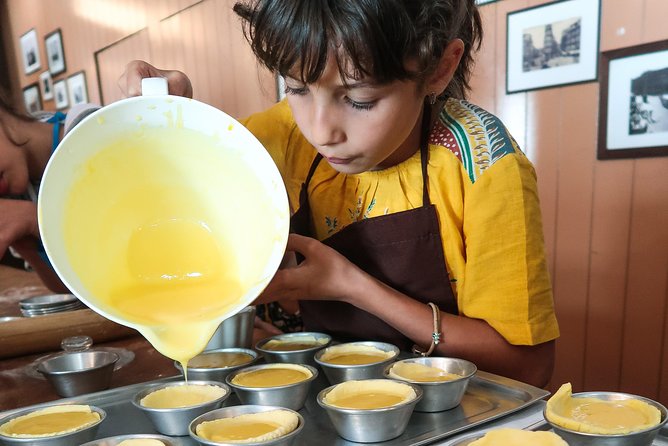
I would put this experience high on the list for several types of visitor:
- Families: Children can take part, and the class offers a break from museums and long walks.
- Beginner bakers: You can participate without advanced skills.
- Food-focused visitors: The recipe, family story, and final tasting all center on Portuguese food culture.
- Small groups of friends: A maximum of 10 keeps the activity more personal.
- Short-stay visitors: The two-hour format can fit around other plans, provided the Fânzeres location works for you.
- People who like local contact: Joana’s home setting and family connection give the session a personal tone.
I would be more cautious if you need a central Porto location, require a fully confirmed take-home recipe, or want a detailed professional pastry course. The class sounds friendly and practical, but its strongest qualities are warmth, participation, and sharing food, not formal culinary certification.
A note for families and mixed-age groups
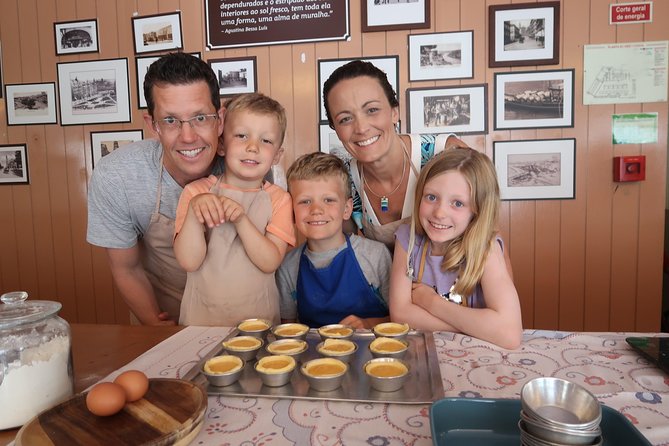
The class is suitable for kids and adults of all ages, which makes it easier to include different generations in one activity. Children can take part in the group process, while adults can pay closer attention to the pastry and custard technique.
You should still remember that this is baking in a home studio. The available details do not specify the room setup, child supervision, allergy procedures, or adaptations for dietary needs. If any of those matter to your group, contact Porto Cooking Classes before booking.
Service animals are allowed, and the location is near public transportation. Those details help, but they do not answer every access question. Ask directly if you need information about the entrance, seating, or kitchen layout.
Timing, tickets, and cancellation
The scheduled start is 9:30 a.m., and confirmation is sent at the time of booking. A mobile ticket makes it easy to keep the booking on your phone rather than print paperwork.
The activity returns to the same meeting point at the end. Because the address is in Fânzeres, plan your next activity only after allowing time to leave the studio and continue onward.
Free cancellation is available if you cancel at least 24 hours before the local start time. Within 24 hours, you receive no refund, and changes made during that period are not accepted. That is a reasonable policy for a small class involving ingredients and a fixed host schedule, but it means you should confirm your morning plans before booking.
The recipe question you should ask first
The only clear point of dissatisfaction in the supplied feedback concerned the recipe and ingredient quantities. The class itself was described as good, but the lack of quantities at the time raised the concern that the experience was incomplete.
Joana’s response explains that the aim was to keep attention on the method during the class and send the recipe afterward. She also points to the wider experience, including making 24 pastries, discussing different cultures, and sharing local suggestions.
Both points can be true. A live class can be enjoyable and still leave you wanting a precise written guide. If you hope to repeat the recipe at home, ask before the start whether the final recipe includes exact measurements and whether it will arrive by email or another method. That small check can prevent the main disappointment.
Should you book Learn How to Make Pastel de Nata?
Book it if you want a friendly, affordable food activity where you work with your hands, hear a family story, and eat the results. The small group, beginner-friendly format, and personal connection to Joana’s grandmother’s recipe give it more character than a basic pastry tasting.
Before paying, confirm two things. First, make sure the Fânzeres meeting point fits your plans and is not being confused with central Porto. Second, ask about the complete written recipe if recreating the tarts at home matters to you.
At $29, this is a good-value choice for families, casual cooks, and anyone who likes sharing food with a host. It is a less certain choice for visitors seeking a formal pastry course or a guaranteed city-center activity. Get those practical details clear, and the class offers a pleasant way to spend two hours with one of Portugal’s best-known sweets.
FAQ
Where does the pastel de nata class begin?
It begins at Rua Dr. Américo Jazelino Dias Costa 104, 4510-643 Fânzeres, Portugal.
Where does the activity end?
The activity ends back at the same meeting point.
What time does the class start?
The listed start time is 9:30 a.m.
How long does the experience last?
The class lasts approximately two hours.
How much does the experience cost?
The listed price is $29.
How many people can join the class?
The activity has a maximum of 10 travelers.
Is the class suitable for children?
Yes. The class is described as suitable for kids and adults of all ages.
Are service animals allowed?
Yes. Service animals are allowed.
Can I cancel for a full refund?
Yes, if you cancel at least 24 hours before the experience’s start time. Cancellations within 24 hours are not refunded.
Newest Porto reviews on the site
- Porto – Old Town Tour with an official guide★ 5.0 · 6 reviews
- Yacht Douro Tour★ 4.8 · 11 reviews
- Vila Nova de Gaia: Porto Discovery Tasting★ 4.8 · 17 reviews
- Visit to a Port Wine Cellar★ 4.8 · 5 reviews
- Vila Nova de Gaia: Winery Tour with 2 DOC Douro & 1 Port★ 4.8 · 101 reviews
- WOW Porto: The Wine School Workshops and Tastings★ 4.7 · 20 reviews
- Vila Nova de Gaia: Douro Discovery★ 5.0 · 4 reviews
- Private Portuguese Cooking and Wine Experience in Porto★ 5.0 · 30 reviews
Porto Pastel de Nata Workshops, compared.
Pastel de Nata Cooking Class with Port Wine – Sé
Read our review →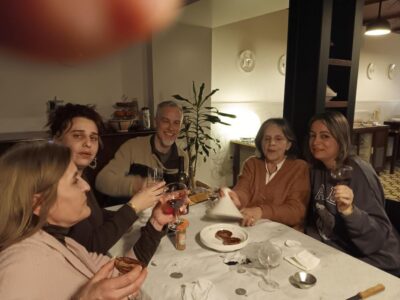
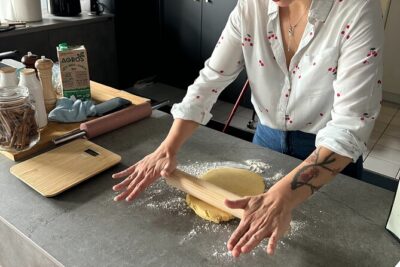
Pastel de Nata | Workshop from scratch | Porto’s city center
Read our review →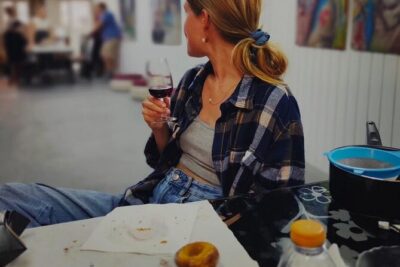
Pastel de Nata Cooking Class with Porto Wine (Sé do Porto)
Read our review →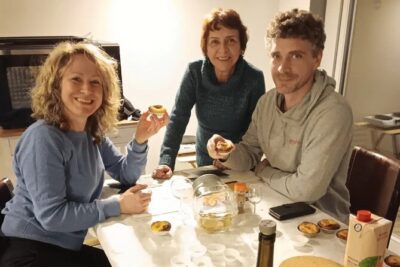
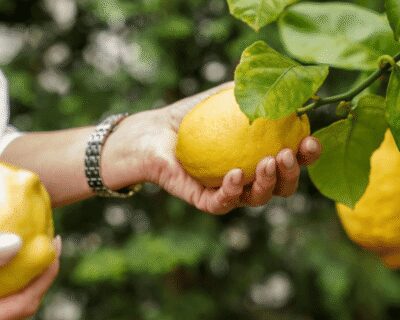
Porto center- Workshop “A nata do BJ” making pasteis de nata
Read our review →Browse the lists this tour appears in