
Reviewed · PORTO PASTEL DE NATA WORKSHOPS
Pastel de Nata | Workshop from scratch | Porto’s city center
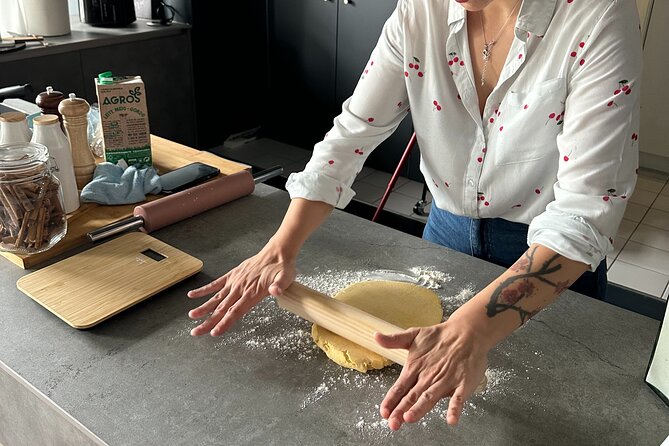
The best part of this Porto experience is that you learn the pastry from the ground up, including the dough. You are not simply filling ready-made pastry shells. You work through the pastry and custard, then eat the pastel de nata warm from the oven with a drink.
I like the small-group format, which gives the instructor time to explain tricky steps and bring people into the work. I also like the relaxed cultural side: local wine, stories about Portuguese food, and instructors such as Vanessa, Ana, Clara, Mariah, and Anna who bring humor and clear teaching to the room.
The main thing to understand is that this is a shared group class, not a private cooking lesson. You take turns during some stages, and groups may include as many as 12 people. Arrive early, too. The door closes at the scheduled start time, and late entry is not allowed.
Key points to know before booking
- You make the pastry dough from scratch, not just the custard filling.
- Warm pastel de nata is served at the end, along with coffee, tea, and local wine.
- The class can have up to 12 people, with participants taking turns at different stages.
- Vanessa, Ana, Clara, Mariah, and Anna are among the instructors praised for clear, friendly teaching.
- The central Porto meeting point is easy to reach, at R. do Souto 67.
- Children under 15 cannot enter, and anyone aged 15 to 17 must attend with an adult.
Why this pastel de nata class is worth your time in Porto
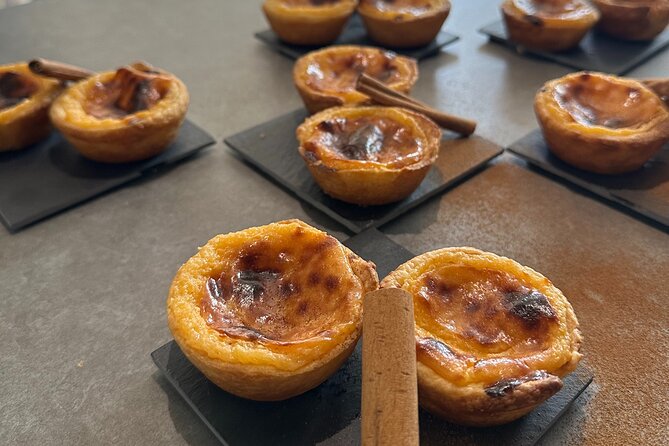
Pastel de nata is one of Portugal’s most recognizable treats, but eating one in a café tells you little about how it is made. This workshop gives you the useful part: you learn how the flaky pastry and sweet custard come together, then taste the result while it is still warm.
That makes the experience more than a dessert stop. It is a compact food lesson with a bit of Portuguese culture built in. You hear about the pastry’s place in local life while working with your hands, rather than sitting through a formal lecture.
I especially like the fact that the class includes the dough. Many pastry experiences focus on the filling and use prepared pastry to save time. Here, the process includes the pastry itself, which gives you a better chance of repeating the recipe at home.
The price is $48.36 per person. That is more than buying several pastel de nata in Porto, of course, but the comparison is not quite fair. You are paying for about two and a half hours of instruction, ingredients, drinks, kitchen space, and a social activity in the city center. If you want a practical food experience rather than another tasting stop, the price is reasonable.
More pastel de nata workshops in Porto:
- Porto: Pastel de Nata Pastry-Making Workshop
★ 4.9 · 1,542 reviews - Porto: Pastel de Nata Cooking Class with Port Wine – Sé
★ 4.8 · 888 reviews - Workshops Pasteis de Nata in Porto, Portugal
★ 4.9 · 520 reviews
Finding the workshop at R. do Souto 67
The class begins and ends at R. do Souto 67, 4050-595 Porto. It is near public transportation, and the location keeps the experience convenient if you are already exploring central Porto.
There is no hotel pickup or drop-off, so you need to make your own way there. I would plan to arrive with time to spare. The strict arrival rule matters here: the door is closed at the scheduled start, and you cannot join after the lesson has begun.
This is not a minor scheduling detail. A pastry class depends on several timed stages, and a late arrival would interrupt the group and leave you behind. Treat the start time as firm, not approximate.
The activity runs in English, which makes it a practical choice if you want to follow cooking instructions closely. Confirmation is provided at booking, and the class is generally reserved well in advance, with bookings averaging about 23 days ahead. If your Porto dates are fixed, booking early is sensible.
Starting with pastry instead of shortcuts
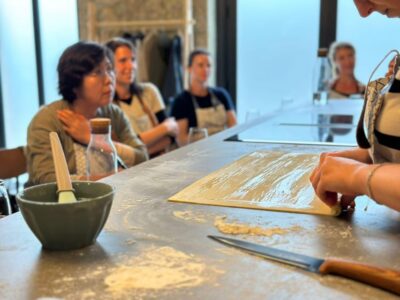
The class begins with the foundations of pastel de nata. You learn how the pastry is made, including the dough, rather than beginning with a finished shell.
One useful feature is the chance to see how pastry behaves at each stage. The dough needs careful handling, and the instructors explain the process in a way that makes it less intimidating for beginners. You do not need to arrive as a baker. One instructor, Ana, is a professionally trained pastry chef, and the teaching style described across the class emphasizes demonstrations, tips, and simple explanations.
The pastry work is one of the most valuable parts for home cooks. A number of participants particularly enjoyed learning the rough puff pastry method, which is not always familiar to people who bake casually. Vanessa has also been praised for showing techniques clearly and offering practical tips about dough.
Do not expect everyone to work on every step at the same time. The host alternates participation among the group. One person may be involved in a certain stage while others watch, listen, or prepare for their turn.
That arrangement keeps the class manageable, but it is worth knowing before you book. If you want constant hands-on work for yourself or your partner, choose a private lesson instead. This experience is specifically a group activity.
Making the custard and learning the small details
The filling is the other half of a good pastel de nata. The class covers the cream mixture and the simple syrup process, with the instructor explaining how the ingredients fit together.
This is where a strong teacher makes a difference. Vanessa, Clara, Mariah, Anna, and Ana are all named as instructors who keep the pace friendly and clear. The teaching style is not described as stiff or formal. Instead, you can expect demonstrations, turns at the work, and conversation about the pastry and Portuguese food traditions.
Some instructors also share small technique tips that are useful once you return home. That might include how to handle the pastry, how the cream comes together, or how to avoid losing the texture you worked to create. The value is not just the printed or demonstrated recipe. You leave with a better sense of what the dough and custard should look and feel like.
The cultural information adds context without taking over the cooking. You learn about Portuguese food and the place pastel de nata holds in the country’s culinary identity while doing the work yourself.
More hands-on workshops in Porto:
- Matosinhos: Surfing Lesson with Equipment
★ 4.8 · 704 reviews - Porto: Small Group Surf Lesson with Transportation
★ 4.9 · 594 reviews - Porto: Tile-Painting Workshop with Porto Wine – Bainharia
★ 4.9 · 526 reviews - Porto: Pastel de Nata Cooking Class from Scratch
★ 4.9 · 468 reviews
Local wine makes the class feel social
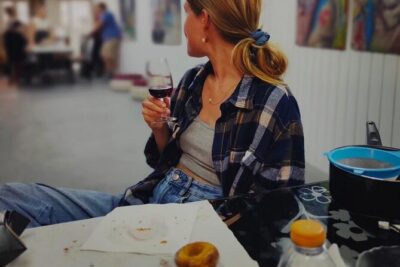
A regional wine is included during the session, along with coffee and/or tea. This changes the mood from a technical baking lesson into a relaxed social activity.
You can chat with the people at your table while waiting for the pastry or filling to reach the next stage. That works particularly well for couples, friends, and solo visitors who enjoy meeting people through food.
The wine is not the main event, and it should not be the reason you book. The central feature is the baking. Still, including a local drink makes the workshop feel more connected to Porto than a generic cooking course would.
If you do not drink alcohol, coffee and tea are included as alternatives. The available information does not specify other dietary drink options, so it is worth keeping your expectations simple.
Baking and eating the pastel de nata warm
The payoff comes when the pastel de nata is ready. You eat the pastries warm at the end of the class, with coffee or tea and the included wine available.
Freshness matters with this pastry. Warm custard and crisp pastry give you a very different impression from a cold tart that has been sitting in a display case. One useful tip from the class is to eat them quickly unless you have an oven available for reheating. That advice is practical and worth remembering if you are hoping to save some for later.
Some sessions have produced enough pastries for breakfast the next day, but the amount may vary by group and recipe. I would treat any leftovers as a bonus rather than part of the guaranteed package.
The final tasting also gives you a quick way to judge your progress. You can compare the texture of the pastry and the filling with the examples you have eaten around Porto. Even first-time bakers have managed good results in the class because the instructor demonstrates each stage and keeps the process approachable.
How much hands-on time will you get?
The answer depends partly on group size. The maximum is 12 people, but some sessions have only four participants, and a few have operated with just one booking. A smaller class gives you more time at the work surface and more direct contact with the instructor.
A full class can still work well. Ana has been praised for involving all 10 participants, and the structure is designed so people take turns rather than watch the entire process from a distance.
Still, you should book this with the right expectation. It is not a one-to-one lesson, and it is not guaranteed that you will personally perform every single stage. The group shares the work.
If active participation is your top priority, ask about a private option. If you are happy to learn by watching some steps, take your turn at others, and enjoy the social setting, the standard class should suit you.
The instructors shape the experience
The strongest part of this activity is the teaching. Vanessa is repeatedly described as funny, patient, engaging, and good at explaining the process. Clara is known for an energetic, cheerful approach and clear information about the pastry. Ana brings professional pastry training and useful technique advice.
Mariah is also described as informative and easy to follow, while Anna is praised for her friendly manner and ability to make the class entertaining. Since instructor assignments can vary, you may not get a particular teacher, but the range of names gives you a sense of the teaching team.
The humor matters more than it might seem. Pastry can become stressful when dough behaves badly or timing feels uncertain. A relaxed instructor helps beginners keep going instead of worrying about making a mistake.
You should also expect to introduce yourself and share some conversation with the group. This is a social class, not a silent demonstration.
Who should book this Porto cooking class?
I would choose this experience if you enjoy food, want an activity beyond sightseeing, or like the idea of returning home with a skill you can try again.
It is a good fit for:
- First-time bakers who want patient instruction
- Couples and friends looking for a shared Porto activity
- Solo visitors who enjoy small-group classes
- Food lovers who want to understand a famous Portuguese pastry
- Adults who prefer an activity with wine and conversation
- Anyone who wants to learn pastry rather than simply eat it
It is less suitable if you need a private lesson, dislike group participation, or want to move through every step entirely on your own.
It is also not suitable for people intolerant to gluten or lactose. Animals, including service animals, are not permitted in the workshop. Children under 15 cannot participate or accompany people with reservations, while those aged 15 to 17 must attend with an adult. Only people with reservations can enter, so an unbooked companion cannot wait inside.
Timing, cancellation, and practical planning
The activity lasts about two hours and 30 minutes. That is long enough to feel like a real class but short enough to fit into a day of sightseeing in Porto.
Because the workshop begins and ends at the same central address, you can plan another nearby activity afterward without arranging transport. Leave a little space in your schedule, though. Cooking classes are hands-on, and rushing away at the end would take some of the pleasure out of the final tasting.
You can cancel for a full refund up to 24 hours before the scheduled start. Changes or cancellations made less than 24 hours ahead are not accepted for a refund. If the minimum number of participants is not reached and the class is canceled, you are offered another date or experience, or a full refund.
That policy is fair but strict. Check your Porto plans before booking, especially if your arrival time or transport arrangements are uncertain.
Should you book the pastel de nata workshop?
Yes, if you want to understand how Portugal’s famous custard tart is made and you are comfortable sharing the work with a group.
The strongest reasons to book are the from-scratch pastry, the warm final tasting, the local wine, and the instructors’ friendly teaching style. The experience has enough structure for a beginner, but it still offers useful pastry techniques for someone who already bakes.
Skip it if you want a private lesson, cannot eat gluten or lactose, or prefer a quick pastry tasting with no fixed schedule. For everyone else, the $48.36 cost buys a useful and enjoyable two and a half hours in central Porto, with a result you can attempt again at home.
FAQ
How long does the pastel de nata workshop last?
The activity lasts approximately two hours and 30 minutes.
Where does the class start and finish?
It starts at R. do Souto 67, 4050-595 Porto, Portugal, and ends back at the same meeting point.
Is the workshop conducted in English?
Yes. The experience is offered in English.
How many people can join the class?
The group can include up to 12 participants. It is a shared group activity, and participants take turns during different stages of making the pastry.
Are drinks included?
Yes. Local wine and coffee and/or tea are included.
Can children attend the workshop?
Children under 15 are not permitted to participate or accompany people with reservations. Participants aged 15 to 17 may attend only when accompanied by an adult.
Newest Porto reviews on the site
- Douro Valley Premium Tours – Private Driver & Guide★ 5.0 · 93 reviews
- Douro Valley Delights Wine Tasting and Scenic Vistas★ 5.0 · 3 reviews
- Douro valley Majestic★ 5.0 · 12 reviews
- Private off the beaten Douro Valley Wine Tour★ 5.0 · 100 reviews
- Douro Valley Private Full–Day Tour from Porto★ 5.0 · 23 reviews
- Tour the Douro wine region, and discover the fantastic landscape★ 4.5 · 4 reviews
- Private Tour to stunning Douro Valley and most renowned wineries★ 5.0 · 39 reviews
- Douro Tour on a Private Yacht in Porto★ 4.5 · 10 reviews
Porto Pastel de Nata Workshops, compared.
Pastel de Nata Cooking Class with Port Wine – Sé
Read our review →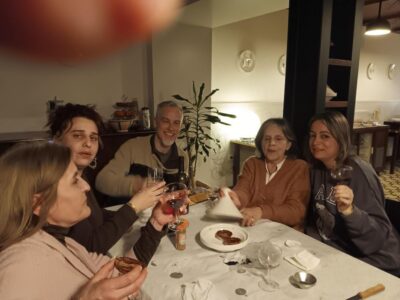
Pastel de Nata Cooking Class with Porto Wine (Sé do Porto)
Read our review →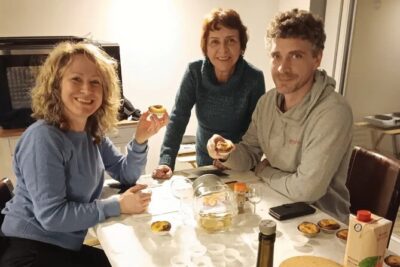
Porto center- Workshop “A nata do BJ” making pasteis de nata
Read our review →
Poças: Guided Tour & Port Wine Tasting with Pastel de Nata
Read our review →Browse the lists this tour appears in