
Reviewed · PORTO PAINTING AND TILE WORKSHOPS
Walking Tour – History of Tiles in Porto
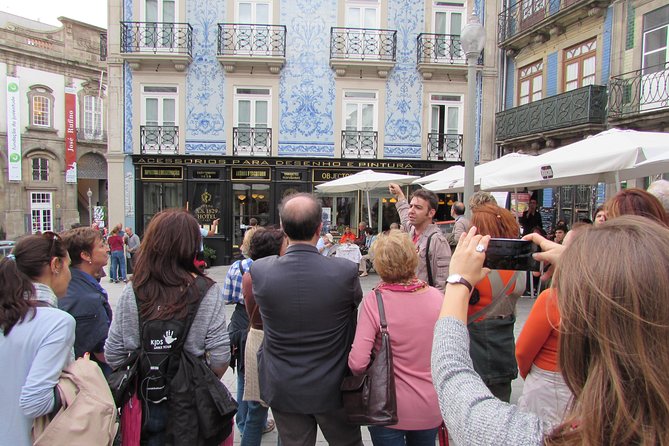
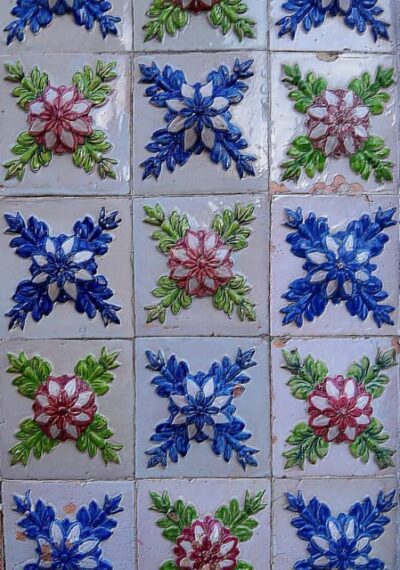
Porto’s tiles are more than pretty decoration. They record battles, beliefs, trade, fashion, and the city’s changing taste. This small-group walk teaches you how to read them, with stops at Carmo Church and São Bento Station, where Jorge Colaço’s grand blue-and-white panels turn a railway hall into a history book.
I like the limited group of 10, which gives guides such as Nuno or Susana room to explain details without shouting over a crowd. I also like that the tour goes beyond famous facades to cover manufacturing methods, street art, architecture, and Porto’s industrial past. The main consideration is the price: at $81.93, this is a specialist walking tour, not a basic orientation walk.
Key points at a glance
- Study Jorge Colaço’s panels at São Bento Station, where tile scenes show battles and major events.
- Learn to spot different tile techniques, colors, patterns, and changes in production.
- Visit the tile bank, a collection connected with Porto’s city hall and building preservation.
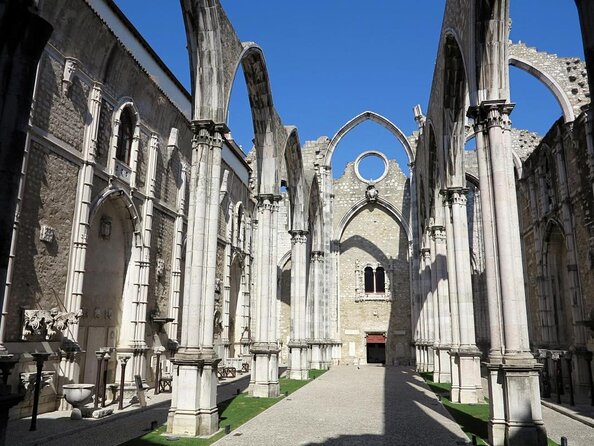
- See Carmo Church’s tile-covered exterior, including one of the city’s early church facade panels.
- Walk with a small group of no more than 10 people, a useful size for questions and close-up viewing.
- Add local context, including Porto culture, architecture, street art, and practical restaurant suggestions.
Why Porto’s tiles deserve a dedicated walk
You can see azulejos all over Porto without paying for a tour. Blue facades line streets, churches display patterned walls, and railway stations use tiles on a grand scale. The problem is that, without context, it is easy to see only a pleasing wall of blue and white.
This tour trains your eye. You learn how tiles were made, how artists painted them, how production changed, and why they became such a strong part of Portuguese design. I value that approach because it gives you something to carry through the rest of your visit. After the walk, an ordinary doorway or side street can become much more interesting.
The subject also opens the door to Porto’s wider story. The guides connect tiles with architecture, industry, religion, local culture, and modern street art. That makes this more than a lesson in ceramics. It is a way to understand how the city presents itself.
The tour lasts about 2 hours and 45 minutes, and it covers the UNESCO-listed historic center on foot. You should be ready to walk over old city streets and remain standing while the guide explains details at several stops.
More painting and tile workshops in Porto:
- Porto: Tile-Painting Workshop with Porto Wine – Bainharia
★ 4.9 · 526 reviews - Porto: Tile Painting and Cocktails in Downtown Porto
★ 4.9 · 484 reviews - Tile Painting and Cocktails in Downtown Porto
★ 5.0 · 187 reviews
Starting at Carmo Church
The meeting point is outside Igreja do Carmo, at the Fountain of Lions on Rua do Carmo. This is a practical start because the church itself provides an immediate introduction to Porto’s tile tradition.
Carmo Church is noted for its large exterior tile panel, described as the first panel to cover a church facade. The stop is short, about five minutes, so do not expect a long church visit. Its value is visual and introductory: the guide helps you notice how the tiled surface relates to the building beneath it.
This is where the tour begins to separate decoration from design. The tiles are not simply pasted onto a blank wall. Their scale, subject, color, and position work with the church’s architecture. With the right explanation, you can start asking better questions: Who made the panel? What scene is shown? Why were these colors chosen? How does the tile surface change the feel of the facade?
The location is also useful for a first day in Porto. The walk places you in the old center right away, and the guide can add orientation about nearby streets, buildings, restaurants, and places worth returning to later.
The tile bank and Porto’s working past
One of the more unusual stops is the Museu da Cidade do Porto, described here as the city hall’s bank of materials. This is not the sort of place most people would find by simply strolling through the center.
The tile bank helps explain that old tiles are not always treated as disposable building material. When historic facades are repaired or altered, surviving pieces can have value for restoration and study. Seeing this part of Porto’s tile culture adds a practical side to the tour. You learn not only how tiles were designed, but also how a city keeps track of them.
The stop lasts about 15 minutes. That is enough time for an explanation and a focused look, though it is not a full museum visit. If you are expecting a large gallery with a long independent visit, adjust your expectations. The point is to connect the city’s decorative surfaces with preservation and urban work.
I especially like this stop because it supports a useful idea: Porto’s tiles are part of the city’s physical memory. They belong to streets, houses, churches, and public buildings, and they need care when those places change.
Reading São Bento Station’s blue and white scenes
São Bento Railway Station is the tour’s major visual payoff. The station is famous for its tile panels by Jorge Colaço, and the guide uses the space to explain how tile can carry a large historical narrative.
Give yourself time to look closely. The panels are not just repetitive patterns. They depict battles and other events, with figures, movement, costumes, and dramatic scenes arranged across the walls. The railway setting makes the effect especially strong. You enter a working transport building and find yourself surrounded by a monumental account of Portugal’s past.
The listed stop is about 10 minutes, with no separate admission charge. That sounds brief, but a good explanation can make a short stop worthwhile because the station’s main hall offers a concentrated display rather than a scattered collection of small examples.
This is also a good place to apply what you have learned earlier. Notice the color range, the way figures are arranged, and how the artist uses the limits of the wall. The station gives you a clear example of tiles functioning as public art and storytelling.
The station is busy with people arriving and leaving, so the group may need to gather at the edge of the main viewing area. A group of 10 is helpful here. It is small enough for the guide to point out details without turning the visit into a loud lecture.
More walking tours in Porto:
- Porto Walking Tour, Lello Bookshop, River Cruise and Cable Car
★ 5.0 · 3,354 reviews - Experience Porto’s Charm: 3-Hour Guided Walking Tour
★ 5.0 · 2,432 reviews - Porto: 3-Hour Guided City Highlights Walking Tour
★ 4.8 · 2,050 reviews - Porto: Wine Tasting with Tapas Walking Tour
★ 4.4 · 1,541 reviews
A walk through techniques, shops, homes, and street art
Between the named stops, the tour moves through streets, shops, houses, and other buildings that show Porto’s tile-making tradition. The exact route can vary, but the purpose is consistent: you see different uses of tile in ordinary city spaces rather than only in famous monuments.
The guide explains techniques for making and painting tiles and traces how those methods changed over time. You might look at differences in color, surface, pattern, or image-making. The tour is aimed at helping you identify what you are seeing, not simply memorizing dates and names.
The additional subjects are part of the tour’s appeal. Nuno, described in the supplied information as having an architectural background and a master’s degree focused on tiles, is also praised for connecting the subject with Porto’s street art and built environment. Susana is noted for her enthusiasm and for linking tile-making with Portuguese history and culture.
Guide assignments can change, so you should not assume that Nuno or Susana will lead every departure. Still, the experience is designed around a specialist guide rather than a general city escort. That matters if you want to ask why a facade looks a certain way or how a design relates to the building around it.
The street-art element gives the tour a present-day edge. You are not asked to see Porto as a museum frozen in the past. Instead, the walk compares older tile traditions with current artistic expression and shows how the city continues to use walls as a public canvas.
Ending near Porto’s historic center
The tour is described as finishing after roughly three hours near Ribeira Square, while the meeting-point information names São Bento Station as the end point. Since those details do not match exactly, confirm the final meeting instructions before setting plans for a timed meal, cruise, or train.
Either location puts you in a useful part of central Porto. Ribeira is close to the riverfront and a natural place to continue walking. São Bento is near major central sights and public transportation. The tour does not include hotel pickup or drop-off, so you make your own way to and from the walk.
The route is near public transportation, and most people can take part. Children must be with an adult, and service animals are allowed. Food and drinks are not included, although one account of the experience describes tasting local treats during the walk. I would treat that as something that may occur, not as a guaranteed inclusion.
Is $81.93 a fair price?
At $81.93 per person, this tour costs more than a casual group walk. You are paying for a narrow subject, a small group, and a guide with art or architecture training. If tiles are central to your interest in Portugal, that focus can justify the price.
The value is strongest for visitors who want interpretation rather than a checklist of sights. São Bento Station is free to enter, and you can see Carmo Church from outside without joining a tour. What you gain is the framework: how the tiles were produced, how to compare examples, how they relate to Porto’s history, and how to notice details you would likely miss alone.
The maximum group size is 10. That is a real advantage for an art-focused walk because you can usually hear the guide and ask questions. It also keeps the experience more personal than a large city tour.
The price may feel high if you mainly want transportation between landmarks or a fast introduction to Porto. It is also less suitable if you dislike stopping often to examine surfaces, patterns, and architectural details. This is a focused walk, not a general tour with a little tile information added.
Who will get the most from this walk?
I would choose this experience if you enjoy architecture, design, photography, decorative arts, or local history. It is also a smart choice on your first day in Porto because it combines orientation with a subject that will keep helping you throughout the trip.
It suits curious visitors who want to understand why the city looks the way it does. You do not need prior knowledge of ceramics. The tour begins with basic ways to look at tiles and builds from there.
The walk also fits people who prefer a local guide’s interpretation to a museum label. The guides add Porto history, architectural observations, street art, and suggestions for restaurants and further exploring. That wider conversation is repeatedly emphasized as part of the experience.
I would think twice if your mobility makes nearly three hours of walking and standing difficult, since no special shorter route is described. I would also skip it if you want a purely general city tour or expect entry to several major museums. The itinerary includes selected stops, not a full museum program.
Practical details before you book
The tour is offered in English and requires at least two people per booking. A booking can include no more than 10 people, and confirmation is sent within 48 hours, subject to availability.
You meet at Igreja do Carmo, R. do Carmo, 4050-164 Porto. The published end information names both Ribeira Square and São Bento Station, so check the confirmed instructions before booking anything immediately afterward.
Free cancellation is available up to 24 hours before the start time for a full refund. Changes or cancellations made less than 24 hours before the start time are not accepted for a refund.
Wear shoes suited to Porto’s old streets, and leave room in your schedule after the walk. The tour finishes in the central area, but its exact endpoint should be confirmed. A small notebook or phone camera can also be useful, since the aim is to teach you what to notice later.
Should you book the History of Tiles in Porto walk?
Book it if you want Porto to make more sense, not just look attractive. The strongest parts are the expert-led explanation of tile techniques, the close reading of Carmo Church and São Bento Station, the unusual tile-bank stop, and the way the guides connect old surfaces with architecture and current street art.
At $81.93, it is a specialist purchase. I would recommend it to anyone with a serious interest in Portuguese tiles, design, or the city’s built past. If you simply want a broad introduction to Porto, a less expensive general walk may suit you better.
For the right person, this is the kind of tour that changes the rest of the visit. Afterward, you will look up at walls, doorways, churches, and stations with a sharper eye.
FAQ
How long is the Walking Tour of the History of Tiles in Porto?
The tour lasts approximately 2 hours and 45 minutes, generally described as a three-hour walking tour.
Where does the tour start?
The meeting point is Igreja do Carmo, at R. do Carmo, 4050-164 Porto, Portugal, near the Fountain of Lions.
Where does the tour finish?
The tour information gives two endpoint descriptions: near Ribeira Square and at São Bento Station. Confirm the final endpoint with the booking information before arranging onward plans.
Is admission to the stops included?
The listed stops at São Bento Railway Station, the Museu da Cidade do Porto tile bank, and Igreja do Carmo have no separate admission charge shown.
How many people can join the tour?
The tour requires at least two people per booking and allows a maximum of 10 participants.
Can I cancel for a full refund?
Yes. You can cancel at least 24 hours before the local start time for a full refund. Cancellations or changes made less than 24 hours before the start time are not accepted for a refund.
More historic Porto tours
- Douro Valley: Historical Sites, Wine Experience, Lunch & Cruise
★ 5.0 · 5,133 reviews - Porto: Historic City Center Walking Tour
★ 4.7 · 1,172 reviews - Porto: An Intimate Fado Show in a Historical Tavern
★ 4.8 · 1,093 reviews - Porto: Historical Center Walking Tour
★ 4.8 · 898 reviews
Newest Porto reviews on the site
- Porto – Old Town Tour with an official guide★ 5.0 · 6 reviews
- Yacht Douro Tour★ 4.8 · 11 reviews
- Vila Nova de Gaia: Porto Discovery Tasting★ 4.8 · 17 reviews
- Visit to a Port Wine Cellar★ 4.8 · 5 reviews
- Vila Nova de Gaia: Winery Tour with 2 DOC Douro & 1 Port★ 4.8 · 101 reviews
- Vila Nova de Gaia: Douro Discovery★ 5.0 · 4 reviews
- WOW Porto: The Wine School Workshops and Tastings★ 4.7 · 20 reviews
- Private Portuguese Cooking and Wine Experience in Porto★ 5.0 · 30 reviews
Porto Painting and Tile Workshops, compared.

Tile-Painting Workshop with Porto Wine – Bainharia
Read our review →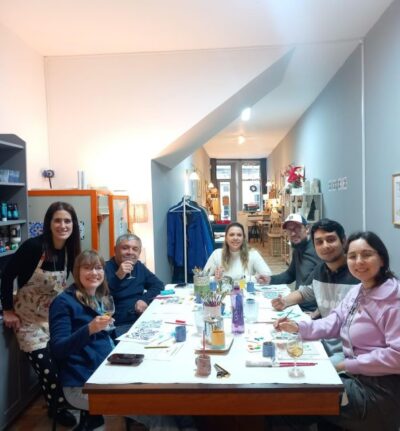
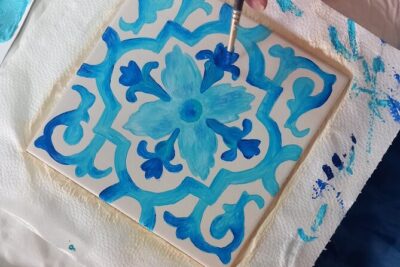
Tile Painting Workshop with Porto Wine (Sé do Porto)
Read our review →
Browse the lists this tour appears in