
Reviewed · WORKSHOPS
Workshop Nate Pastel and Cocktails in Porto
Pastel de nata is one of Portugal’s most tempting souvenirs, but it is even better when you learn how the crisp shell and soft custard come together. This 90-minute Porto workshop turns the famous tart into a shared cooking activity, with music, conversation, and a drink while the pastries bake.
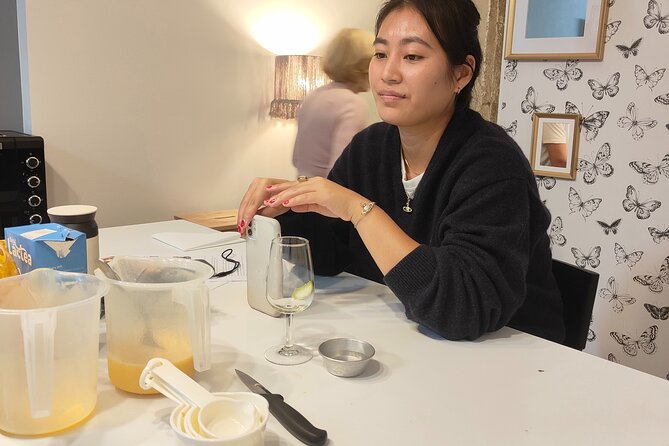
I like the small group format, which gives everyone a task, and I like the relaxed social side, especially the port and tonic or other cocktails served during the baking time. The hosts, including Patricia, Maria, and Anna, are described as warm, patient, and funny.
One point to understand before booking: you do not make the puff pastry from scratch. It needs about three hours before it is ready to use, so prepared dough is supplied. You learn the method and receive the recipe, but a private class is the better choice if you want to handle every step yourself.
Key points to know before booking
- You make the custard and shape the pastries: The group shares the recipe tasks, so you take part without needing advanced baking skills.
- The workshop is social: Music, conversation, and cocktails turn the wait for the oven into part of the activity.
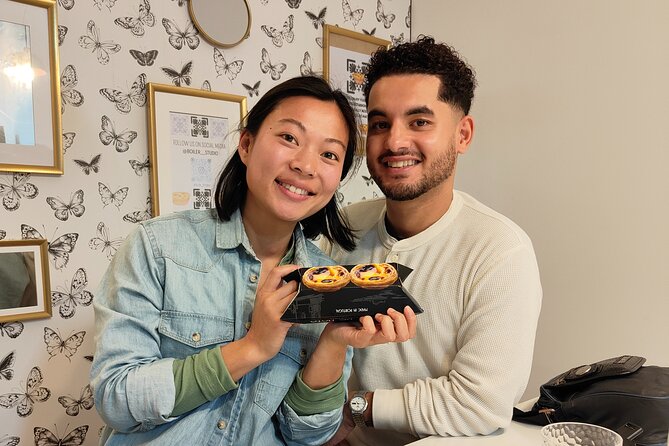
- You leave with two pastel de nata: You also receive the recipe, making it possible to try the process again at home.
- The setting is central: Meet at R. Chã 77, close to public transport and easy to find in Porto’s central area.
- The class is small: The stated maximum is eight people, though a private workshop can give you more control over the recipe.
- The price is $42.24 per person: That is fair for a compact food class with drinks, instruction, a tasting, and pastries to take away.
Starting on R. Chã 77 in central Porto
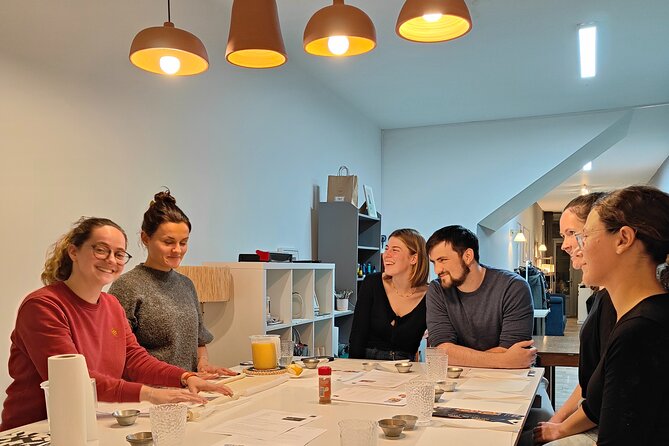
The workshop begins at R. Chã 77, 4000-165 Porto, and ends at the same place. The location is described as easy to find on a small street in the center, which helps if you are fitting this activity between sightseeing stops.
You should allow a little extra time to get there. The meeting point is near public transportation, but the available information does not give a precise walking time from Porto’s main attractions or a detailed route from the nearest station.
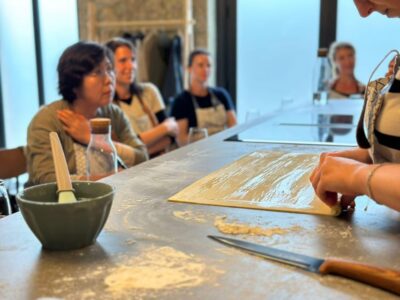
This is a useful activity for a day when you want something more personal than another church, viewpoint, or museum. You arrive at a studio, take a seat with the group, and spend the next hour and a half working around a shared table.
The setting is not presented as a formal culinary school. That is part of the appeal. The tone is friendly and informal, with the host helping people along rather than expecting professional kitchen skills.
One practical detail: the space may be shared with another class. A class of pastel de nata makers has taken place alongside a tile-painting group, and the room became noisy when both groups were active. If you need a quiet setting for every explanation, this is worth keeping in mind.
More hands-on workshops in Porto:
- Porto: Pastel de Nata Pastry-Making Workshop
★ 4.9 · 1,542 reviews - Porto: Pastel de Nata Cooking Class with Port Wine – Sé
★ 4.8 · 888 reviews - Matosinhos: Surfing Lesson with Equipment
★ 4.8 · 704 reviews
Why the pastry dough is prepared in advance
The name pastel de nata refers to Portugal’s small custard tart, with flaky pastry wrapped around a baked egg custard. It looks simple on the plate, but the pastry is the part that takes planning.
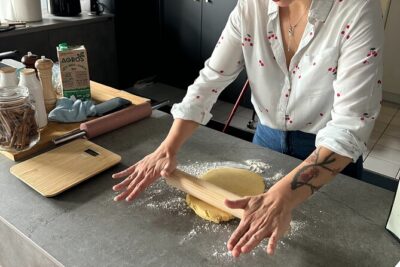
The dough needs about three hours before it is ready to use. Because the workshop lasts about 90 minutes, the host uses pastry that has already been prepared. This is not a shortcut hidden from you. The reason is explained clearly, and you receive the full recipe so you can make the dough yourself at home.
I see this as a sensible trade-off for a short Porto activity. Making the pastry from the start would take much longer and would leave less time for the tasting, conversation, and baking. You learn the important shaping and filling work, but you do not get a full start-to-finish pastry production session.
The limitation matters most to keen bakers. If you want to knead, rest, roll, and shape the dough entirely yourself, ask about a private workshop. The private option is specifically suited to people who want to perform all the recipe tasks rather than share them across the group.
Sharing the recipe around a small table
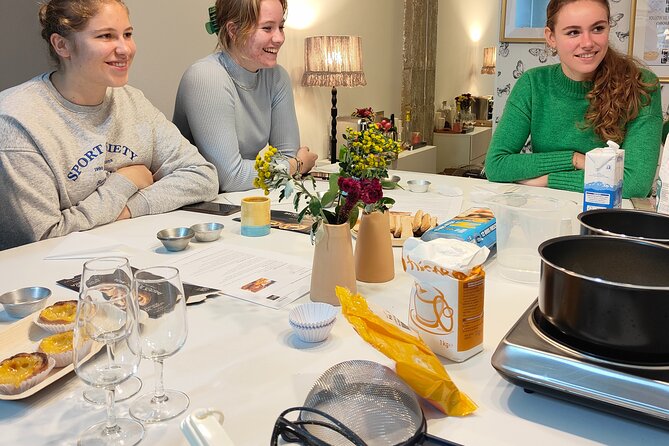
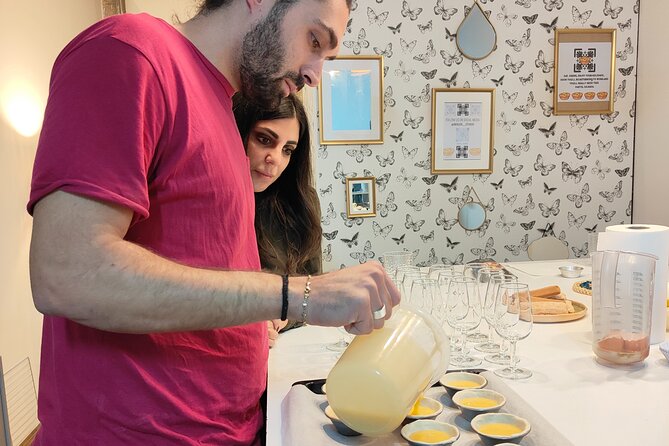
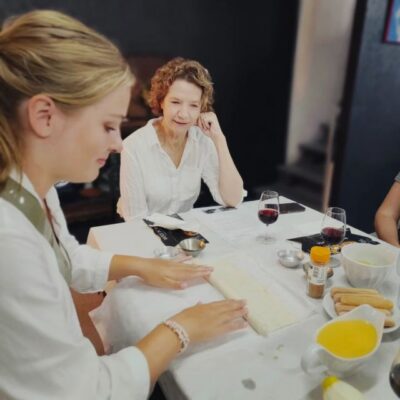
The host divides the recipe into jobs among the people present. That means you may prepare one part while another person handles a different element. The group then brings the pieces together before the tarts go into the oven.
This shared method works well for mixed groups. You do not need to be an experienced cook, and a teenager can take part. One 14-year-old participant stayed involved through the class, which gives you a good idea of the approachable level.
The workshop is taught in English. Patricia, Maria, and Anna are among the hosts associated with the class, and the available feedback repeatedly describes the teaching as patient, clear, encouraging, and lighthearted. Patricia, in particular, is praised for getting everyone involved and keeping the group comfortable.
You should expect guidance rather than a long technical lecture. The host shows you how to prepare the different parts, explains the technique, and steps in when needed. That last point is useful: you get to try the work yourself, but someone is close by to correct a mistake before it ruins the batch.
The small size makes a real difference. The maximum is listed as eight people, and the class has also run with six. A group of that size is large enough for conversation but small enough for each person to have a role.
There is one consequence to the shared format. You will not necessarily complete every stage of the recipe. If your main goal is to gain a full practical lesson in every step, the private version should be your first choice. If your goal is to learn the basic method, meet people, and eat fresh pastry, the group arrangement makes good sense.
Cocktails, music, and the wait for the oven
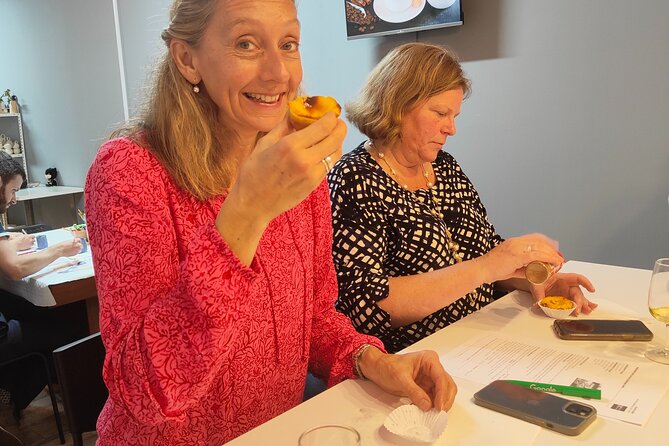
Once the pastries are baking, the class shifts from cooking lesson to relaxed Porto get-together. The host serves drinks, including port and tonic, white port and tonic, champagne, or other cocktails described as typical of the region.
The drink is more than an extra. Baking creates a natural pause, and the cocktail gives the group something to share while the oven does its work. Music plays, the host talks about the sweet, and people often compare notes about what they have seen and done in Porto.
This part makes the workshop feel less rushed. You are not simply waiting for a timer. You have time to chat with people from different countries, ask the host questions, and hear suggestions for the rest of your day.
You should remember that alcohol is part of the experience. The information provided does not specify nonalcoholic alternatives, so ask the host in advance if that matters to you. Service animals are allowed, and the activity is near public transportation.
The drink selection may vary. The supplied details refer to port, champagne, cocktails, and white port and tonic, but do not promise one exact beverage for every session. I would treat the drink as a pleasant feature rather than booking solely for a particular cocktail.
Same city, a completely different kind of day out:
- The Unvanquished Tour in Porto City Center
★ 5.0 · 26,497 reviews - From Porto: Douro Valley w/ Boat Tour, Wine Tasting & Lunch
★ 4.7 · 19,061 reviews - Complete Douro Valley Wine Tour with Lunch, Wine Tastings and River Cruise
★ 5.0 · 12,920 reviews - Porto: Six Bridges Cruise
★ 4.2 · 11,680 reviews
Tasting the natas and taking two home
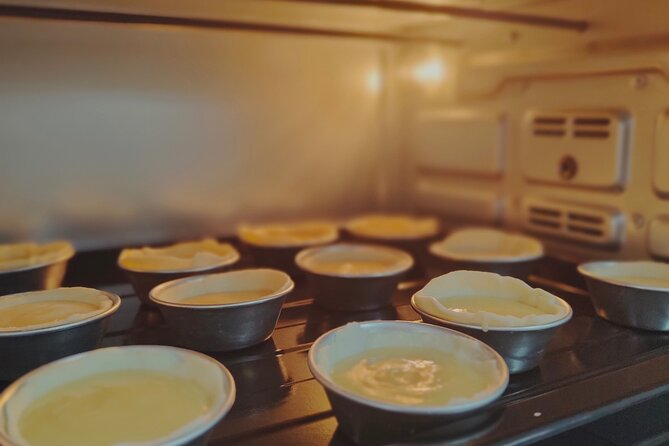
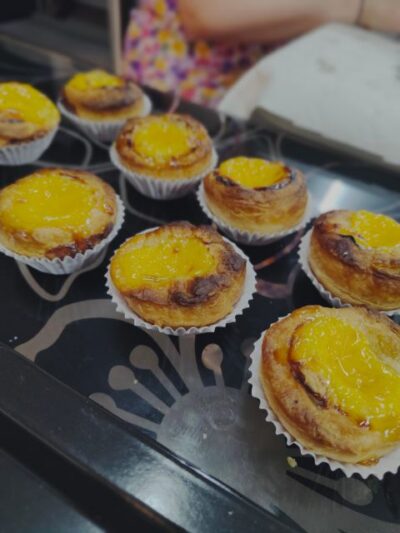
When the pastries are ready, you taste the finished pastel de nata as part of the class. The activity also includes two pastries to take away, giving you a small snack for later or a reminder of the technique once you are back home.
The tasting is the payoff, but the useful part is knowing what you have made. The recipe is supplied to every participant, and the host explains how to recreate it. Several people have planned to make the pastries again at home, which is a good sign for anyone who wants a food lesson rather than a one-time tasting.
Expect the result to be a shared batch rather than a personal tray made entirely by you. That distinction is important. You participate in the process and taste the outcome, but the class is designed around cooperation.
The food also connects the activity to Portugal in a practical way. You learn about a familiar local sweet while hearing its story, rather than simply buying another tart from a café. The historical talk is brief enough to keep the session moving, but it gives the pastry some context.
What the $42.24 price includes
At $42.24 per person, this is not the cheapest way to eat a pastel de nata in Porto. You can buy the pastry itself for far less. The price is paying for a guided activity, a small group, ingredients, drinks, the tasting, two pastries to take away, and a recipe you can use later.
I think the value is strongest if you enjoy social activities. The class creates a structured way to meet other people, and the cooking tasks give everyone an easy reason to talk. It has also worked for friends, families, couples, and a multinational work group of eight.
For a solo visitor, the group format may be especially useful. You are not sitting alone at a counter or watching a demonstration from the side. You have a small task and a natural opening for conversation.
For a private couple or family, the value is less straightforward. You may prefer full control of the recipe, particularly if you are serious about pastry. Ask about the private workshop before booking if handling every stage matters more than the social atmosphere.
The 4.9 rating from 64 ratings and the 97 percent recommendation figure suggest a strong record, but the practical details matter more than the numbers. This is a short, friendly class with prepared dough, not a professional pastry course.
Who will enjoy this Porto activity most
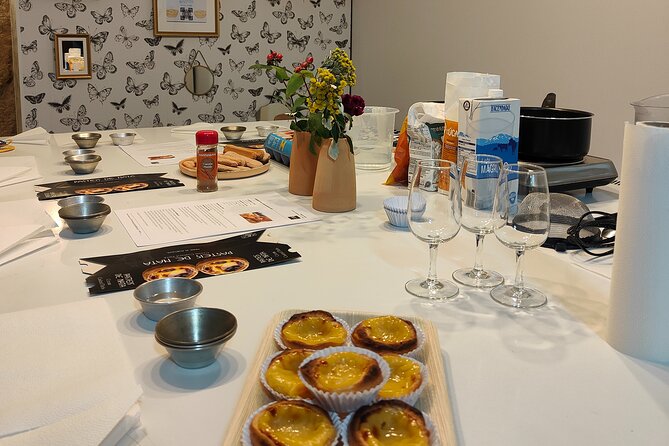
I would choose this workshop for you if you want:
- A hands-on activity that fits into a half day
- A small group and a relaxed host
- A food experience with drinks and conversation
- A way to learn a Portuguese recipe you can repeat at home
- A family activity suitable for people without cooking experience
- A social stop for meeting other English-speaking visitors
It is also a good pick for team groups. The recipe naturally divides into jobs, so people have to cooperate without the exercise feeling forced. The shared table, jokes, and final tasting do more for group spirit than a formal lesson might.
You might choose something else if you want a full pastry apprenticeship. The prepared dough is the main limitation, and the shared tasks mean you may only perform part of the recipe. A private workshop is the more suitable option for that purpose.
You should also consider the room’s shared use. Most people will likely accept some background noise, but an adjacent tile class can make conversation harder at times. The experience is social and informal, not silent or highly controlled.
Timing, cancellation, and planning tips
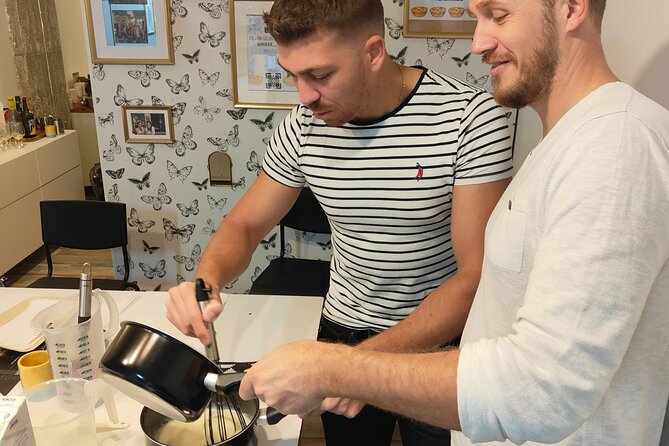
The workshop lasts about one hour and 30 minutes. It is offered in English, uses a mobile ticket, and is often booked about 16 days ahead. That advance booking pattern suggests you should reserve early if your Porto dates are fixed, especially if you want a particular day.
The activity ends back at the meeting point, so you do not need to arrange a separate return transfer. You can plan a nearby meal, walk, or attraction afterward, but leave yourself enough time if you want to linger over the final tasting.
Confirmation is provided at booking. Free cancellation is available up to 24 hours before the local start time for a full refund. Changes or cancellations inside that 24-hour window are not accepted for a refund.
The experience requires a minimum number of participants. If the operator cancels because that minimum is not met, you are offered another date or experience, or a full refund.
Should you book the pastel de nata workshop?
Book it if you want a friendly, practical Porto activity rather than a serious baking course. The small group, welcoming hosts, port-based drinks, music, and recipe to take home give the 90 minutes a good mix of learning and fun.
I would especially recommend it for first-time bakers, families with older children, couples who enjoy food activities, and solo visitors who want an easy social setting. The price is reasonable when you count the drinks, tasting, two pastries, instruction, and the chance to make the recipe again.
Skip it, or ask for the private option, if making pastry from the beginning is essential. The prepared dough is the one clear compromise. For most people, though, the shared work is exactly what makes this more enjoyable than simply buying another custard tart in Porto.
FAQ
Where does the pastel de nata workshop begin and end?
It begins and ends at R. Chã 77, 4000-165 Porto, Portugal.
How long does the workshop last?
The workshop lasts approximately one hour and 30 minutes.
Is the workshop offered in English?
Yes. The activity is offered in English.
How many people can join the group?
The maximum listed group size is eight travelers.
Do participants make the pastry dough from scratch?
No. Prepared dough is used because the dough needs about three hours before it is ready. The recipe is provided, and the host explains how to make it.
What do I receive after the workshop?
You taste the finished pastel de nata, receive the recipe, and take two pastries with you.
Can I cancel for a full refund?
Yes. You can cancel at least 24 hours before the local start time for a full refund. Cancellations or changes made less than 24 hours before the start are not refunded.
Newest Porto reviews on the site
- Porto – Old Town Tour with an official guide★ 5.0 · 6 reviews
- Yacht Douro Tour★ 4.8 · 11 reviews
- Vila Nova de Gaia: Porto Discovery Tasting★ 4.8 · 17 reviews
- Visit to a Port Wine Cellar★ 4.8 · 5 reviews
- Vila Nova de Gaia: Winery Tour with 2 DOC Douro & 1 Port★ 4.8 · 101 reviews
- Vila Nova de Gaia: Douro Discovery★ 5.0 · 4 reviews
- WOW Porto: The Wine School Workshops and Tastings★ 4.7 · 20 reviews
- Unveiled Secrets of Porto + Olive Oil Tasting★ 4.8 · 3 reviews
Workshops, compared.
Pastel de Nata Cooking Class with Port Wine – Sé
Read our review →

Tile-Painting Workshop with Porto Wine – Bainharia
Read our review →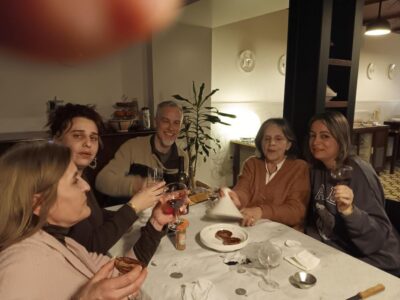
Pastel de Nata | Workshop from scratch | Porto’s city center
Read our review →Browse the lists this tour appears in