
Reviewed · PORTO PAINTING AND TILE WORKSHOPS
Porto: Acrylic and Oil Painting Class with a Local Artist
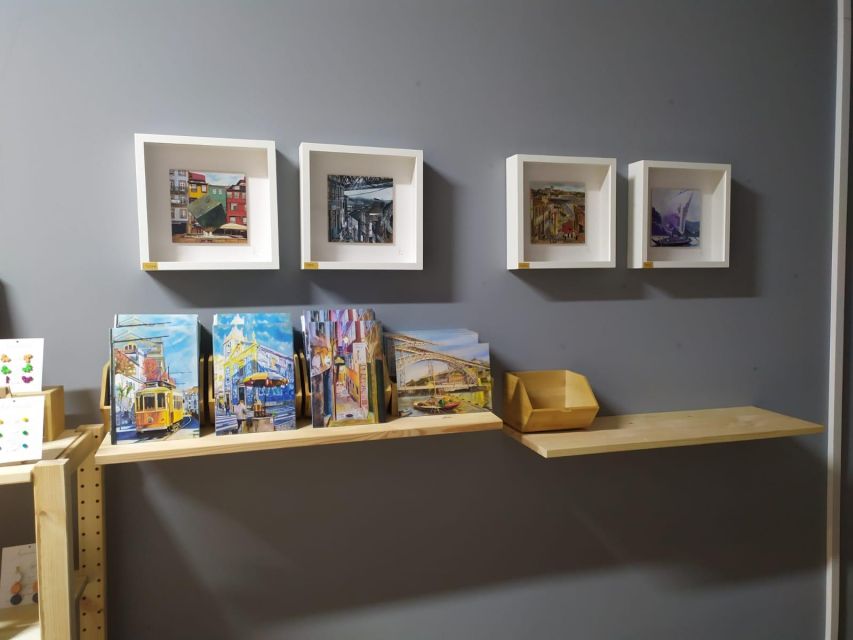
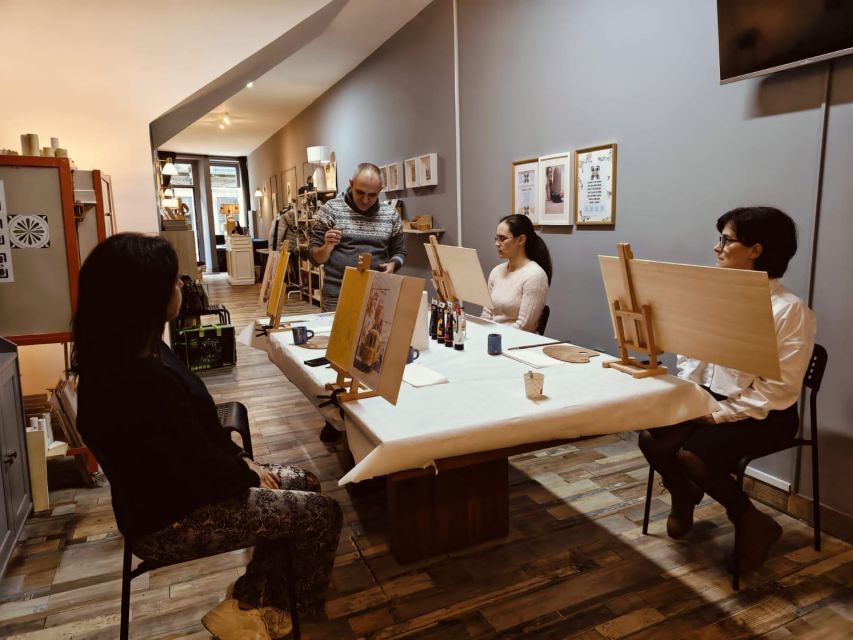
Porto’s city light and daily life become your painting lesson in this small class led by local artist Emanuel Ribeiro. You learn by doing, with an easel, brushes, paints, and other materials ready at Boiler Studio near S. Bento Station.
I like the five-person limit, which gives you room to ask questions, and I like that Emanuel teaches both practical skills and the ideas behind color. The main consideration is that this is a focused art lesson, not a sightseeing tour, so you should book it because you want to paint.
Key points
- Local artist and teacher: Emanuel Ribeiro paints Porto’s urban scenes and leads the class in English, Portuguese, or Spanish.
- Small class size: No more than five participants means plenty of direct guidance.
- Hands-on instruction: Practice brush use, color value, mixing, paint quantities, easel use, and surface preparation.
- Choose acrylics or oils: The class introduces the fundamental techniques of both painting types.
- All supplies included: Easels, paints, brushes, surfaces, and accessories are provided.
- Cocktails included: The relaxed studio session includes drinks as part of the experience.
A painting class in the middle of Porto
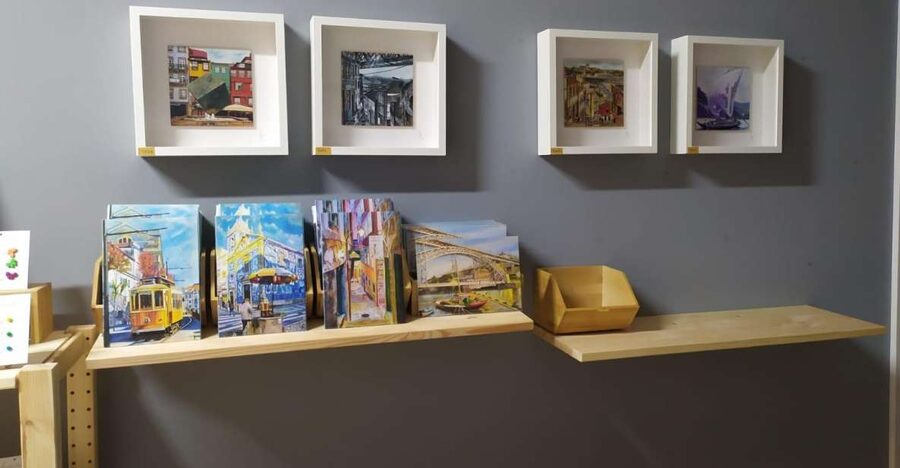
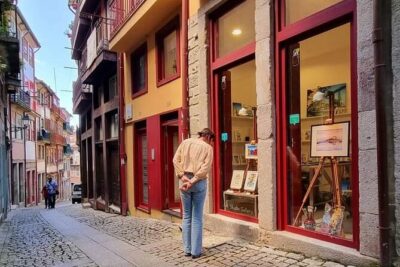
This experience takes place at Boiler Studio, a working creative space in downtown Porto, on a street near S. Bento Train Station. That location matters. You are not being sent out to a distant workshop or a suburban classroom. You can fit the lesson into a day spent exploring central Porto.
The studio is described as a place where several artists work each day. That gives the class a more genuine setting than a hotel meeting room. You are surrounded by the tools and atmosphere of an active art space, while Emanuel connects the lesson to the city outside.
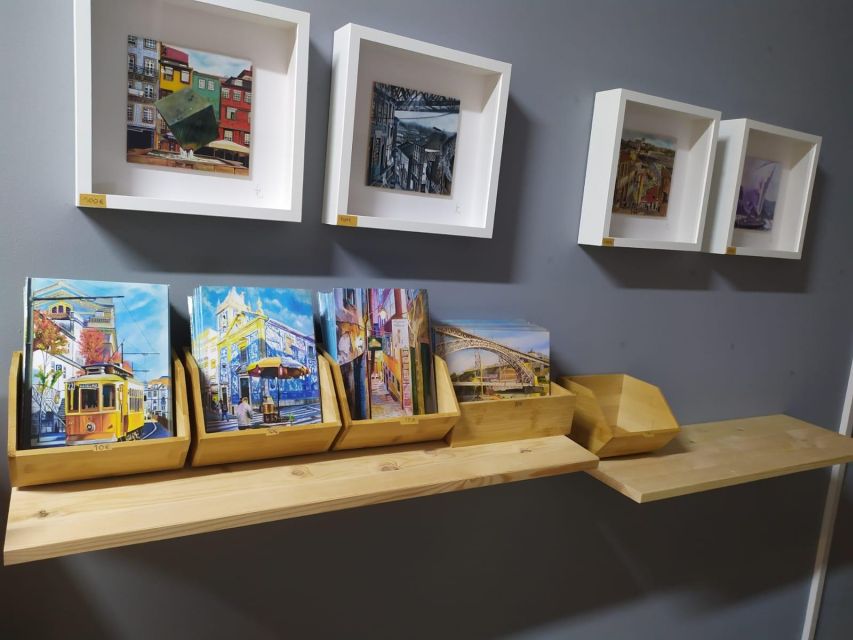
Porto supplies the subject in an indirect way. Emanuel paints the city’s urban scenes, its light, and the everyday life of local people. Your class is not presented as a formal city tour, but the city gives the session its character. You are learning painting in the place that inspires your teacher.
The meeting point is on a street near S. Bento Station, so check the exact meeting instructions before setting out. The supplied details do not name the street itself. S. Bento is a useful landmark, but you should not rely on finding the studio by sight alone.
More painting and tile workshops in Porto:
- Porto: Tile-Painting Workshop with Porto Wine – Bainharia
★ 4.9 · 526 reviews - Porto: Tile Painting and Cocktails in Downtown Porto
★ 4.9 · 484 reviews - Tile Painting and Cocktails in Downtown Porto
★ 5.0 · 187 reviews
What the 2.5 hours are really about
The session lasts two and a half hours. That is long enough to cover basic technique and give you time to work, but it is not a full art course. Think of it as a serious introduction, with a finished piece or substantial practice session as the likely goal.
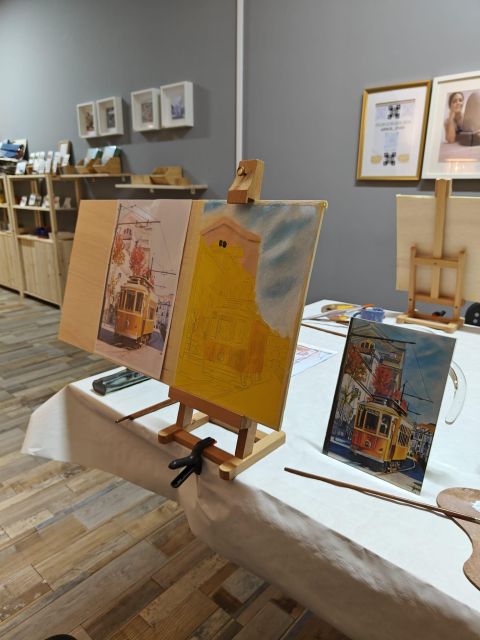
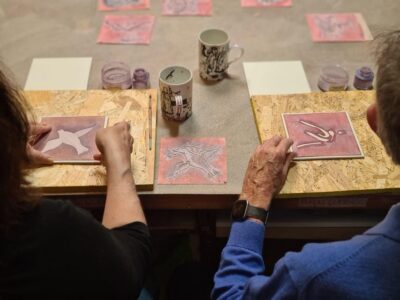
The class covers the fundamentals of acrylic and oil painting on an easel. You will learn how to hold and use brushes correctly, how color value affects an image, and how to mix colors instead of simply reaching for a tube that looks close to what you need.
Paint quantity is part of the lesson too. Beginners often use too much paint, too little paint, or the wrong amount of medium for the effect they want. Learning how much to place on the palette and how much to load onto a brush can save frustration later.
You will also be shown how to use an easel and how the various painting materials work together. That sounds basic, but it is useful. An easel changes your posture, your viewing angle, and the way you judge proportion. A first class that explains the equipment can make future painting at home far less awkward.
Surface preparation is another practical part of the session. You learn about painting surfaces and how to prepare them for better results. This is the sort of detail that is easy to skip when you are eager to begin, yet it affects how paint behaves and how long a work may last.
Meeting Emanuel Ribeiro at Boiler Studio
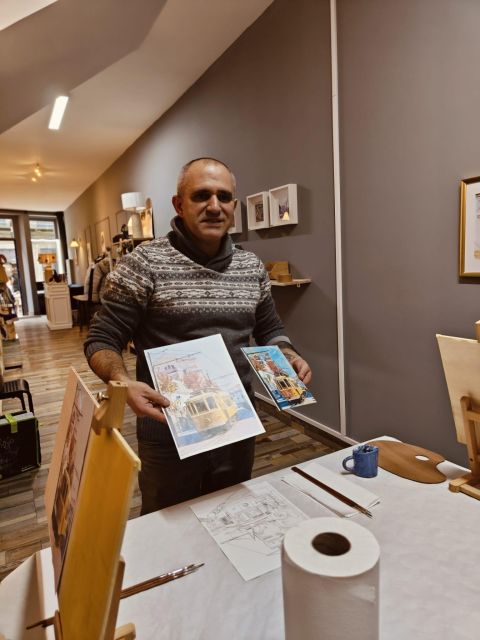
Emanuel Ribeiro is a visual artist who paints Porto’s urban scenes. He also teaches, so the focus is not only on showing you his own work. The class is built around helping you understand the choices behind a painting.
That teaching style should suit a first-time painter. You do not need prior experience, and the instruction begins with basic handling of materials. At the same time, the class has enough substance for someone who already paints but wants more confidence with color or a different medium.
One participant arrived with experience in black-and-white painting but little practice with color. Emanuel’s instruction focused on giving the right tools for working with color in a short period. That makes this class useful for a narrow goal too: you do not have to be starting from zero to gain something from it.
The conversations are part of the experience. Emanuel is described as an engaging speaker who talks about art and life as he teaches. That can make the session feel less like a technical workshop and more like an exchange with a working local artist. Still, your main benefit comes from the hands-on instruction, so do not book it if you want a silent, solitary studio session.
Brushes, color, and the value of practice
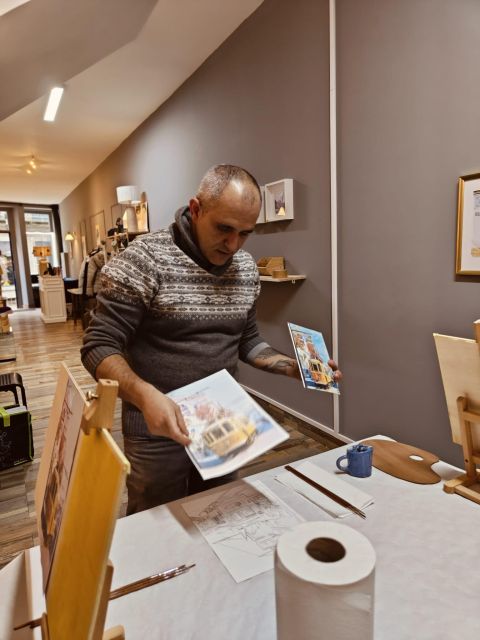
Color is the heart of the class. You learn to mix colors and understand how much of each paint is needed. This helps you move beyond copying the color straight from a tube.
The idea of color value is especially important. Value means how light or dark a color appears. A painting can use attractive colors and still feel flat if the light and dark relationships are wrong. Learning to see value gives you a tool that applies to acrylics, oils, drawing, and black-and-white work.
Brush handling is covered in the same practical way. You learn how to use brushes correctly rather than treating every brush as the same tool. The class also introduces painting accessories and explains how professional artists use them.
You should expect instruction followed by practice, not a lecture on art theory. The supplied details emphasize using the tools, mixing paint, preparing surfaces, and working at an easel. That hands-on approach is a strong fit for people who want to take home a skill, not just a pleasant memory.
For families, the age rule is important. Children under 10 cannot join, but a 10-year-old can take part. One family with children aged 10, 15, and 17 found the session held the children’s attention for about three hours. The advertised class lasts 2.5 hours, so you should use that official duration when planning your day.
More hands-on workshops in Porto:
- Porto: Pastel de Nata Pastry-Making Workshop
★ 4.9 · 1,542 reviews - Porto: Pastel de Nata Cooking Class with Port Wine – Sé
★ 4.8 · 888 reviews - Matosinhos: Surfing Lesson with Equipment
★ 4.8 · 704 reviews - Porto: Small Group Surf Lesson with Transportation
★ 4.9 · 594 reviews
Acrylic or oil painting for beginners
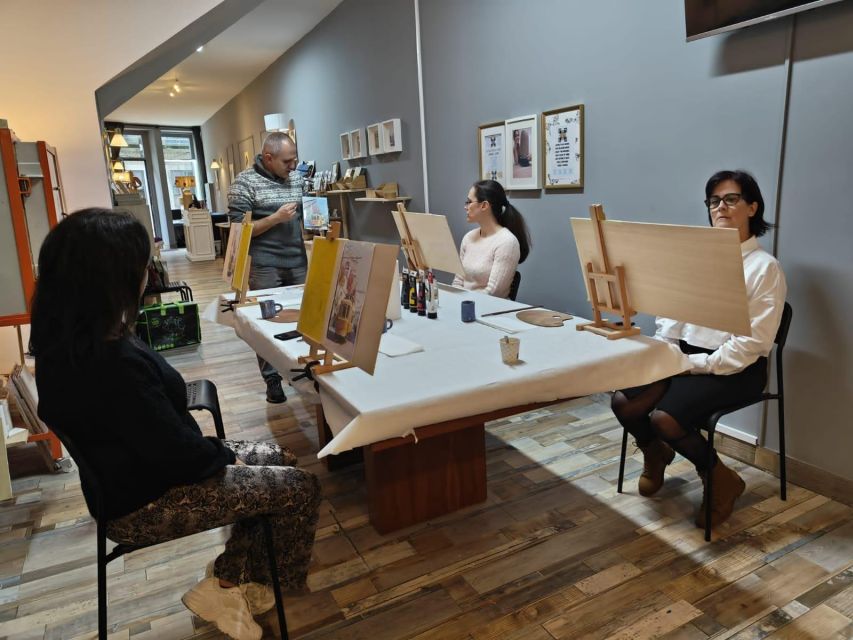
The class introduces both acrylic and oil painting. Those materials behave differently, and learning about both can help you decide what you want to use at home.
Acrylic paint is often a practical starting point because it is water-based and dries faster. Oil paint usually gives you more time to work with and blend paint, but it requires a different approach to handling and cleanup. The class does not promise advanced mastery of either medium. It gives you a foundation in the tools and methods.
You may want to ask Emanuel at the start how the class will divide time between acrylic and oil work. The published information says both are taught, but it does not specify a fixed split or a set project. This is a useful question if you have a strong preference for one medium.
The materials and accessories are included, so you do not need to bring a beginner’s art kit. Easel use is included as well. That makes the price easier to judge because you are paying for instruction and access to equipment, not just a short demonstration.
Why the five-person limit matters
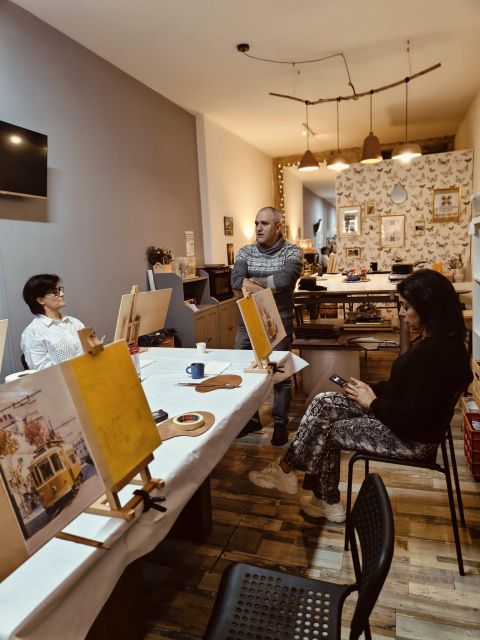
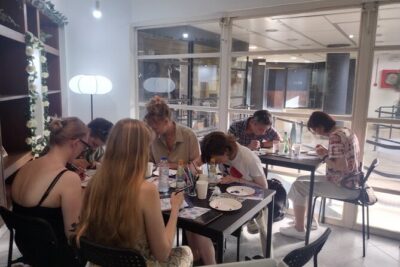
A group capped at five is one of the strongest features here. Painting requires close attention. You may need help with a brush, a color mixture, a surface, or the amount of paint on your palette. In a large workshop, those questions can wait. In this setting, direct help should be easier to get.
A small group also gives the class a more personal feel. Emanuel can learn what you want from the session, whether that is a first introduction to oils, more practice with color, or a way to move from black-and-white work into color painting.
The tradeoff is that a small class may have limited availability. Starting times depend on the date you choose, so check the schedule before building your Porto plans around it. The 2.5-hour duration also means you should leave enough time before your next activity.
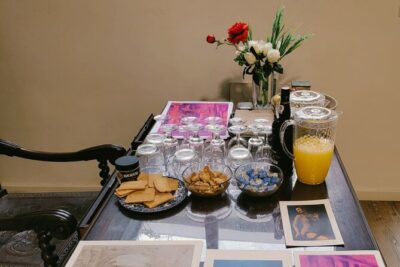
Cocktails are included. They add a social note to the studio setting, but they are not the reason to choose this class. The real value is the instruction, materials, and chance to work with a local artist in a professional art environment.
Price, access, and practical planning
At $53 per person, the class is not the cheapest way to spend a few hours in Porto, but it includes a graduate teacher, all painting materials and accessories, easel use, and cocktails. If you had to buy paints, brushes, a prepared surface, and an easel for a single session, the included equipment would matter even more.
The price is easiest to justify for someone who wants actual instruction. If you only want to make a quick souvenir, a short craft activity might cost less. If you want patient guidance on color, brushwork, and technique, the small class makes the fee more reasonable.
The activity is wheelchair accessible. The meeting point is near S. Bento Station, but the exact street and studio entrance should be confirmed in your booking information if access details are important to you.
You can cancel up to 24 hours before the activity for a full refund. You can also reserve now and pay later, which is useful if your Porto schedule is still changing. The instructors speak English, Portuguese, and Spanish, so language should not be a major barrier for speakers of those languages.
The activity is not suitable for babies under one year or children younger than 10. There is no stated upper age limit. The family format can work well for older children, teenagers, parents, and grandparents, provided everyone wants to spend a focused stretch of time painting.
Who should book this studio session
I would choose this class for a few specific types of visitors:
- You want to meet a local artist rather than only look at art in a museum.
- You are curious about painting but do not own supplies.
- You want to improve your use of color.
- You are an artist who normally works in black and white and wants practice with color.
- You are looking for a family activity that suits children aged 10 and older.
- You prefer a small group where you can ask questions.
It is also a good choice for a rainy afternoon or for a break from Porto’s steep streets. The class gives you a different way to pay attention to the city. Instead of only photographing the light on the buildings, you begin thinking about how light, value, and color can be translated onto a surface.
I would skip it if your main aim is to see as many sights as possible. Two and a half hours in a studio is a real time commitment. You should also skip it if you want advanced professional training. The lesson focuses on fundamental techniques, not a long-term art curriculum.
Should you book the Porto painting class?
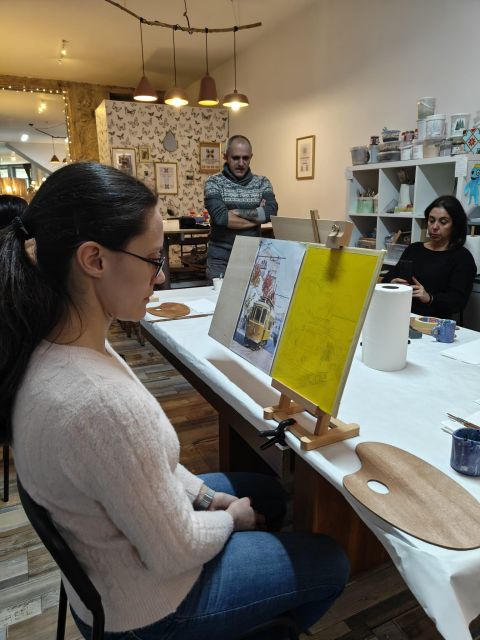
Book it if you want a personal, hands-on activity with a local artist and you are happy to spend part of your Porto visit at an easel. Emanuel Ribeiro’s approach combines practical lessons with conversation, and the small group makes the $53 fee easier to defend.
Families should note the 10-year minimum age, while solo visitors and couples may appreciate the calm pace and direct guidance. The strongest reason to book is the chance to practice color, brushwork, and painting materials with everything supplied. The clearest reason not to book is simple: this is an art lesson, not a city tour.
FAQ
Where does the painting class take place?
The class takes place at Boiler Studio in downtown Porto, on a street near S. Bento Train Station.
How long does the activity last?
The class lasts 2.5 hours.
Who teaches the class?
The instructor is Emanuel Ribeiro, a visual artist who paints Porto’s urban scenes.
What languages are available?
Instruction is available in English, Portuguese, and Spanish.
Are painting materials included?
Yes. Painting materials, accessories, and easel use are included.
Does the class cover both acrylic and oil painting?
Yes. The class introduces fundamental techniques for both acrylic and oil painting.
Is the activity suitable for children?
Children must be at least 10 years old. Babies under one year and children younger than 10 are not suitable for this activity.
Is the class wheelchair accessible?
Yes, the activity is listed as wheelchair accessible.
Newest Porto reviews on the site
- Douro Valley Premium Tours – Private Driver & Guide★ 5.0 · 93 reviews
- Douro Valley Delights Wine Tasting and Scenic Vistas★ 5.0 · 3 reviews
- Douro valley Majestic★ 5.0 · 12 reviews
- Private off the beaten Douro Valley Wine Tour★ 5.0 · 100 reviews
- Tour the Douro wine region, and discover the fantastic landscape★ 4.5 · 4 reviews
- Douro Valley Private Full–Day Tour from Porto★ 5.0 · 23 reviews
- Private Tour to stunning Douro Valley and most renowned wineries★ 5.0 · 39 reviews
- Douro Tour on a Private Yacht in Porto★ 4.5 · 10 reviews
Porto Painting and Tile Workshops, compared.

Tile-Painting Workshop with Porto Wine – Bainharia
Read our review →
Downtown Porto Acrylic Painting Workshop for Groups or Individual
Read our review →Browse the lists this tour appears in