
Reviewed · PORTO PAINTING AND TILE WORKSHOPS
Porto Tile Painting Workshop in artist studio
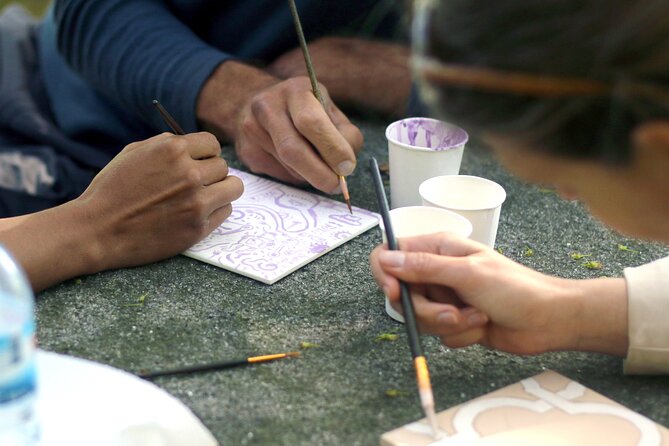
Porto’s tile tradition becomes much more meaningful when you make a piece yourself. In this two-hour studio workshop, artist Eglė explains Portuguese tile styles, then helps you paint a tile of your own. You can trace one of 10 traditional stencils or draw a personal design from scratch.
I like the choice between kiln-fired glaze and quick acrylic paint. I also like the small-group feel, with no more than 15 people and plenty of patient help for beginners. The main thing to plan for is the finished tile: glazed pieces need five business days before pickup, and mailed tiles can face delays.
Key points to know before booking
- Choose your finish: Traditional glaze creates a kiln-fired ceramic tile, while acrylic paint gives you a sealed souvenir to take home that day.
- Beginner-friendly designs: Ten traditional stencils make it easy to get started if drawing is not your strength.
- Personal instruction: Eglė explains the process step by step and helps you adjust the activity to your skill level.
- A real artist studio: You may see the artist’s own work and learn about Portuguese tile-making beyond a basic craft class.
- Plan your pickup: Glazed tiles are ready after five business days, or you can pay for mailing to Europe or the United States.
- Good for families: The activity has worked well for adults, children, couples, and mixed groups with different abilities.
Why making one Porto tile feels different
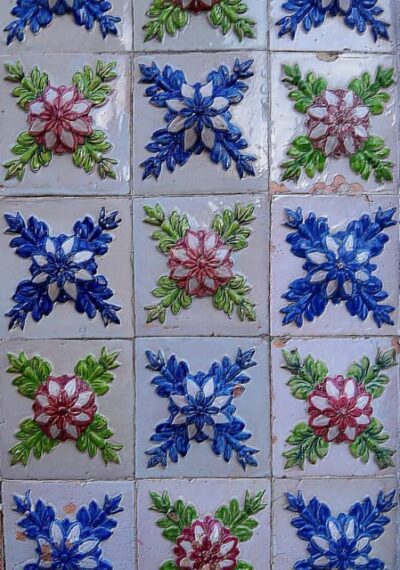
You see azulejos all over Porto. They cover churches, railway stations, apartment facades, and small neighborhood buildings. It is easy to admire the blue-and-white patterns as decoration and move on.
This workshop gives you a closer look at how those patterns are planned and painted. You handle the brush, choose the colors, and make decisions that a printed souvenir never requires. Even a simple tile carries the marks of the person who made it.
That personal touch is the strongest reason to book. The final piece may not look perfectly uniform, and that is part of its value. Your brush marks, small variations, and color choices make it yours.
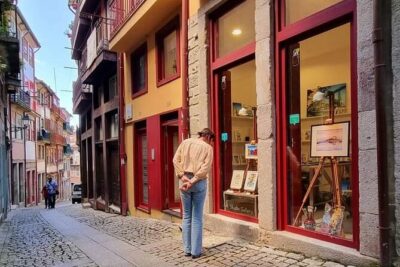
The class takes place at OKNAR, at Rua da Igreja de Cedofeita 27. It is not in the middle of Porto’s most crowded sightseeing area, so allow time to reach the studio. The location is near public transportation, and the activity begins and ends there.
More painting and tile workshops in Porto:
- Porto: Tile-Painting Workshop with Porto Wine – Bainharia
★ 4.9 · 526 reviews - Porto: Tile Painting and Cocktails in Downtown Porto
★ 4.9 · 484 reviews - Tile Painting and Cocktails in Downtown Porto
★ 5.0 · 187 reviews
Arriving at the Cedofeita studio
The workshop starts at the artist’s studio in Cedofeita, a useful area for combining creative activities with a walk through Porto. You do not need to travel between several stops. Once you arrive, the entire session takes place in the studio.
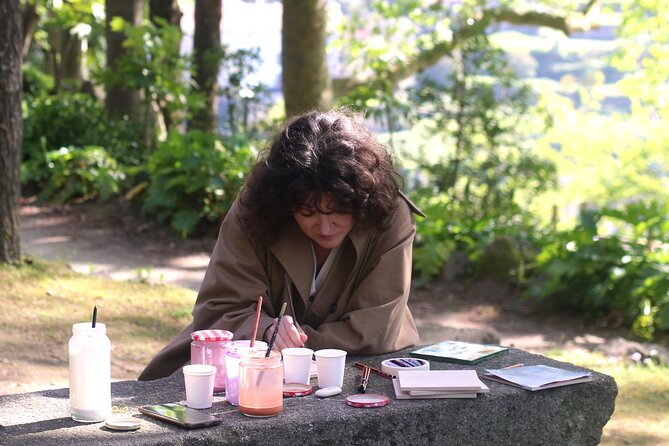
The setting matters. You are not sitting at a temporary table in a large attraction. You are working around an artist’s materials and finished pieces. Several people have especially enjoyed seeing Eglė’s own work before starting their tiles.
The group can include up to 15 people, though the actual feel may be smaller. One session had only two participants, while another group had nine. A smaller group gives you more direct help, but even a fuller class still has a clear structure and individual guidance.
The atmosphere is described as calm and focused. That makes sense for a task that rewards patience. Once you begin transferring a pattern and filling it with color, conversation tends to quiet down as everyone concentrates.
The first lesson: Portuguese tiles and design choices
The session begins with an introduction to the history of Portuguese tiles, along with basic information about styles and techniques. This short explanation helps you understand what you are making instead of treating the tile as a generic craft project.
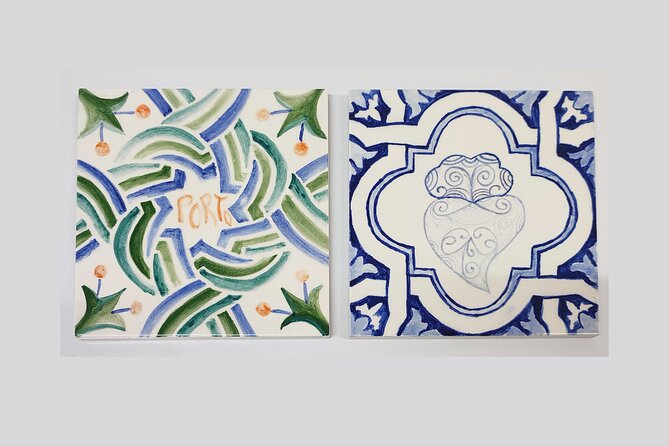
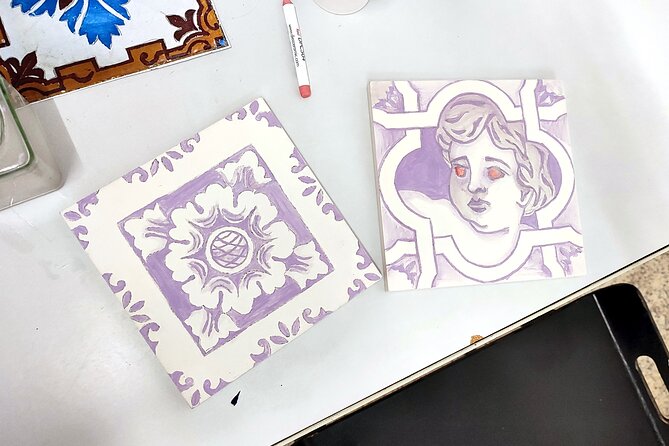
You can follow a traditional design or invent your own. If you want a classic look but do not know where to begin, the studio provides 10 traditional stencils. You can trace one in a few minutes and then spend your time choosing colors and painting.
That option is important for beginners. You do not need to arrive with an artistic plan. You also do not need to copy a pattern exactly. The stencil gives you a starting point, while your color choices and brushwork make the finished tile personal.
If you prefer to create your own design, Eglė can offer suggestions about layout and technique. The instruction is not described as a formal art-school class, and that is a benefit for most holidaymakers. You get practical help without pressure to produce a perfect work of art.
Families and mixed groups should find this format useful. An eight-year-old has taken part successfully, and one group included people who were initially reluctant to paint. The activity can meet you at your own level.
Traditional glaze or acrylic paint
The biggest decision comes early: choose the traditional azulejo glazing method or the ready-to-go acrylic method.
With the traditional method, you paint glaze onto a ceramic tile. The piece then goes into the studio’s kiln. Firing changes the finish and turns your painted work into a proper ceramic souvenir, but it also means you cannot take it home immediately.
Finished glazed tiles can be collected from the studio after five business days. That timing works well if you are staying in Porto for several more days. Schedule the workshop early in your visit if you want to pick up the tile personally.
If your itinerary is tight, the studio can mail the tile. The stated price is €15 for Europe and $25 for the United States, with tracking. Mailing is useful, but it adds cost and a small amount of uncertainty. Keep your receipt or payment details, and confirm the delivery arrangement before you leave the studio.
The acrylic option suits people who want a finished item immediately. The paint dries quickly, and a protective varnish is applied. You can pick up the tile right after the class, making this the simpler choice for a short stay or a last-day activity.
The tradeoff is clear. Glaze gives you the traditional ceramic process and the anticipation of seeing the fired result. Acrylic gives you convenience. Neither choice is wrong, but you should decide based on your schedule rather than choosing blindly.
More hands-on workshops in Porto:
- Porto: Pastel de Nata Pastry-Making Workshop
★ 4.9 · 1,542 reviews - Porto: Pastel de Nata Cooking Class with Port Wine – Sé
★ 4.8 · 888 reviews - Matosinhos: Surfing Lesson with Equipment
★ 4.8 · 704 reviews - Porto: Small Group Surf Lesson with Transportation
★ 4.9 · 594 reviews
What the two-hour session feels like
The class has enough time for instruction, design, painting, and questions. You are not rushed through a five-minute demonstration before being left alone with a brush.
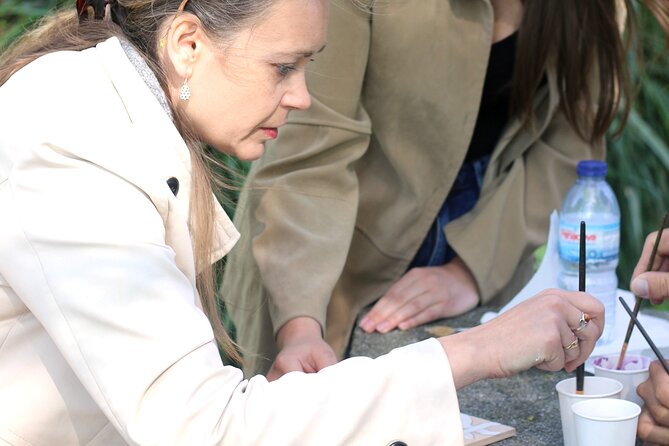
First, you learn about Portuguese tiles and see the available designs and materials. Next, you choose a stencil or develop your own pattern. Eglė then explains how to approach the surface, use the colors, and handle the brush.
The painting itself takes the largest part of the session. This is where the experience becomes more than sightseeing. You slow down and pay attention to edges, spacing, and color balance. The task is simple enough for a first-timer but absorbing enough to hold the attention of experienced artists.
Instruction remains available as you work. Eglė has been praised for patience, clear explanations, and the ability to adjust advice to each person’s skill level. She also shares recommendations for places to eat and visit in Porto, which can be useful if you take the workshop early in your stay.
At the end, acrylic painters leave with their finished tiles. Traditional glaze painters hand over their pieces for firing and arrange pickup or mailing.
How much value do you get for $40.01?
At $40.01 per person, the workshop is not the cheapest souvenir stop in Porto. You can buy a printed tile for much less. But the price includes two hours of instruction, one tile, painting materials, access to multiple colors, and personal help from a working artist.
That makes the comparison less about the object and more about the time and process. You are paying for an activity, a lesson, and a handmade keepsake. For couples, families, or friends who want something beyond another walking tour, the cost is reasonable.
The traditional method may require an extra mailing charge. That is worth including in your budget, especially if you are flying home outside Europe. The acrylic choice avoids the later delivery cost if you want to take the tile with you immediately.
I would consider the workshop good value for anyone who would otherwise buy a tile in a shop. You leave with a similar type of object, but you also remember making it. If you have no interest in crafts, the price may feel high for a two-hour painting class.
The important delivery issue
The main practical weakness is the wait after traditional glazing. The five-business-day firing period is easy to understand, but it is not convenient for everyone.
Make the timing work in your favor. Book the class near the beginning of your Porto visit, then return to the studio later. If you are leaving before the tile is ready, ask about mailing before committing to the traditional technique.
Several delivery problems have occurred, including late arrivals and delayed communication. The studio has explained that temporary tariff and postal problems affected shipments from Portugal to the United States, with regular mail suspended at one point. Private courier services such as UPS may remain possible but cost more.
This does not erase the value of the workshop, but it changes how I would plan it. If your tile must arrive by a particular date, discuss the shipping method and tracking clearly at the class. For the least uncertainty, choose acrylic and take the finished tile with you.
Who will enjoy this Porto activity most
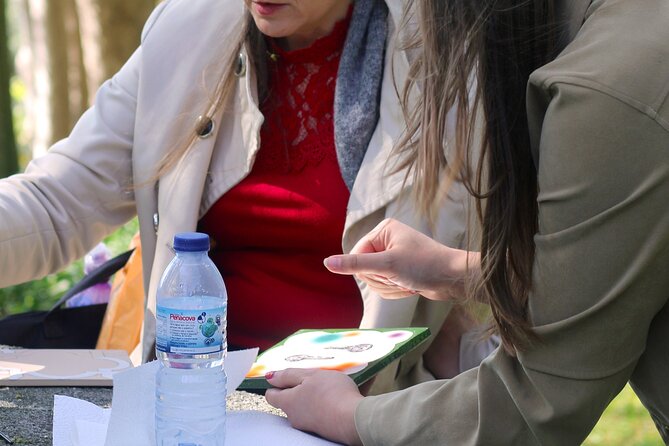
This workshop suits you if you want a hands-on break from churches, viewpoints, and museum interiors. It works particularly well for:
- Couples who want a shared souvenir rather than separate shopping
- Families with children who can focus on a guided two-hour activity
- Solo visitors who like meeting a small group while working on a quiet project
- People who enjoy local craft and want context about Portuguese tile design
- Non-artists who would appreciate a stencil and step-by-step help
- Confident artists who want room to create a personal pattern
It may not suit you if your schedule allows only a few hours in Porto and you cannot collect or receive a traditional tile. It is also less appealing if you want a polished, shop-perfect object without visible handmade variation.
The activity is offered in English. Most people can participate, and service animals are allowed. Because the meeting point is near public transportation, you do not need a separate tour transfer.
Useful planning advice
Book ahead if possible. The activity is often reserved about 23 days in advance, which suggests that popular dates can fill before a Porto visit begins.
If you want to collect a glazed tile, schedule the workshop at least five business days before you leave. Confirm the pickup plan at the end of class rather than assuming the tile will be ready sooner.
If you are visiting Porto for only a day or two, choose acrylic. You will lose the kiln-fired finish, but you will avoid the problem of finding time for pickup or waiting for international delivery.
Bring a little patience. Fine tile painting is not a race, and the best part is usually the slow work of filling the design. You may also want to leave room in your day afterward for a meal or a walk in Cedofeita, especially since Eglė often shares local suggestions.
Cancellation is free if you cancel at least 24 hours before the start time. Changes or cancellations within 24 hours are not refunded, and the activity requires a minimum number of participants. Confirmation is sent within 48 hours, subject to availability.
Should you book the Porto tile workshop?
I would book it if you want a personal connection to Porto’s azulejo tradition and like the idea of making something with your own hands. The patient instruction, beginner-friendly stencils, artist studio setting, and choice of finishes give the class more substance than a quick souvenir-painting session.
Book early in your trip if you want traditional glaze and personal pickup. Choose acrylic if you leave Porto soon or simply want to avoid shipping. The workshop is especially good for families, couples, and anyone who thinks they are not artistic but is willing to try.
The only serious caution is delivery. Treat mailing as a service that needs clear confirmation, not as an automatic part of the class. With that plan in place, this is a thoughtful and memorable way to take home a small piece of Porto that you actually helped create.
FAQ
Where does the Porto tile painting workshop begin and end?
The workshop begins at OKNAR, Rua da Igreja de Cedofeita 27, 4050-181 Porto, Portugal. It ends back at the same meeting point.
How long does the workshop last?
The session lasts about two hours.
Is the workshop suitable for beginners?
Yes. You can choose from 10 traditional stencils to trace, and the instructor provides guidance on design, painting, and technique. Most people can participate, including children.
Can I take my finished tile home immediately?
Only if you choose the ready-to-go acrylic method. Acrylic-painted tiles are sealed with protective varnish and available for pickup right after the workshop.
When can I collect a traditionally glazed tile?
A glazed tile is fired in the studio kiln and can be collected after five business days. If you cannot return, mailing is available for €15 within Europe and $25 to the United States with tracking.
What happens if I need to cancel?
You can receive a full refund if you cancel at least 24 hours before the start time. Cancellations or changes made within 24 hours are not refunded.
Newest Porto reviews on the site
- Porto – Old Town Tour with an official guide★ 5.0 · 6 reviews
- Yacht Douro Tour★ 4.8 · 11 reviews
- Vila Nova de Gaia: Porto Discovery Tasting★ 4.8 · 17 reviews
- Visit to a Port Wine Cellar★ 4.8 · 5 reviews
- Vila Nova de Gaia: Winery Tour with 2 DOC Douro & 1 Port★ 4.8 · 101 reviews
- Vila Nova de Gaia: Douro Discovery★ 5.0 · 4 reviews
- WOW Porto: The Wine School Workshops and Tastings★ 4.7 · 20 reviews
- Private Portuguese Cooking and Wine Experience in Porto★ 5.0 · 30 reviews
Porto Painting and Tile Workshops, compared.

Tile-Painting Workshop with Porto Wine – Bainharia
Read our review →

Tile Painting Workshop with Porto Wine (Sé do Porto)
Read our review →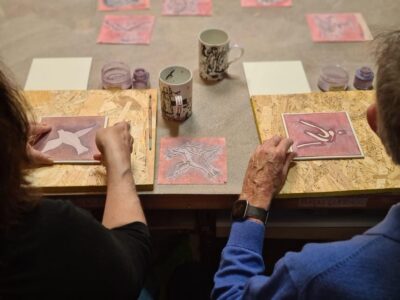

Browse the lists this tour appears in